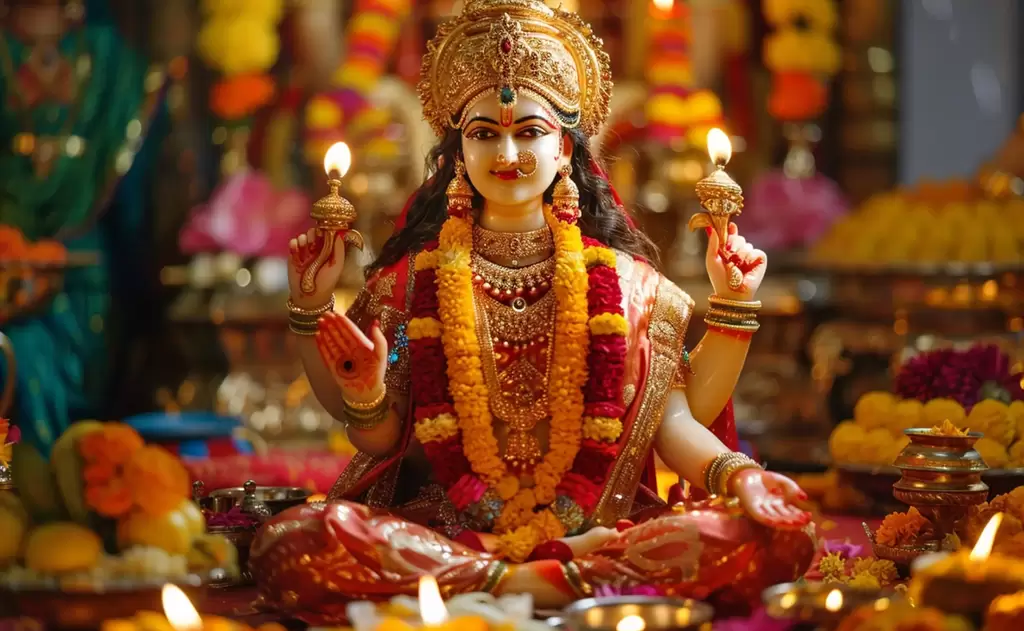
Pohela Boishakh 2026, the auspicious Bengali New Year
As devout Hindus, especially in West Bengal, Tripura, and the global Bengali diaspora, Pohela Boishakh reminds us of the divine cosmic order (ṛta) — where…
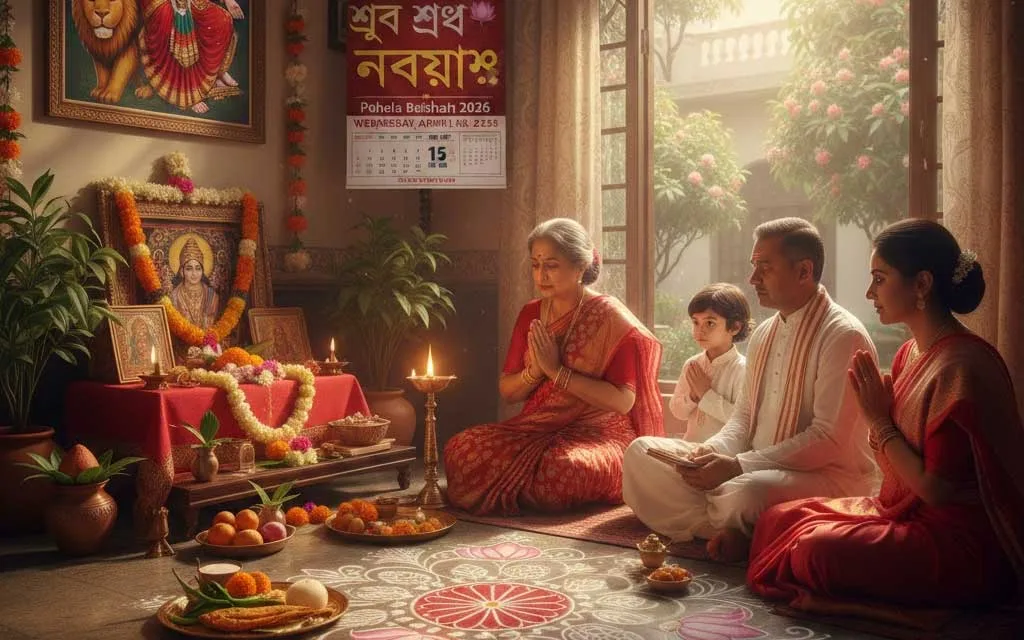
As devout Hindus, especially in West Bengal, Tripura, and the global Bengali diaspora, Pohela Boishakh reminds us of the divine cosmic order (ṛta) — where…
As devout Hindus, especially in West Bengal, Tripura, and the global Bengali diaspora, Pohela Boishakh reminds us of the divine cosmic order (ṛta) — where seasons turn, the sun transitions into Mesha (Aries), and life renews itself in harmony with Sanatan Dharma.
Pohela Boishakh 2026 Date and Auspicious Timings
Pohela Boishakh 2026 falls on Wednesday, April 15, 2026, in West Bengal, Tripura, and most parts of India. This marks the first day of the Boishakh month in the Bengali solar calendar (Bangabda 1433).
The celebration aligns with Mesha Sankranti, the Sun's transit into Aries. The Sankranti moment typically occurs on April 14, 2026 (evening or late hours, varying by precise Panchang calculations — often around evening/night on April 14). In traditional Bengali Panchangam (as per sources like DrikPanchang for Kolkata), the Bengali Era 1433 begins at dawn on April 15, Wednesday.
This slight shift from Bangladesh (where it's fixed on April 14) honors the regional Panchang traditions, ensuring alignment with auspicious solar transitions. Families in West Bengal observe the day from sunrise on April 15, invoking divine blessings for the year ahead.
Spiritual and Cultural Significance of Bengali New Year
Pohela Boishakh, or Shubho Noboborsho, symbolizes the eternal cycle of creation, preservation, and renewal — a reflection of Hindu philosophy where time is cyclical, guided by divine will. As the Sun enters Mesha rashi, it heralds spring's vitality, agricultural prosperity, and spiritual awakening.
Devotionally, it is a time to express gratitude to the Divine for life's rhythms. Lord Brahma's creative energy initiates new chapters, while Goddess Durga's protective grace ensures harmony amid change. This festival strengthens our bhakti — devotion — by reminding us to embrace life's impermanence with faith, clean our inner and outer spaces, and welcome prosperity with open hearts.
For Bengali Hindus, Noboborsho celebrations blend Vedic traditions with regional culture, fostering unity, cultural pride, and devotion to Sanatan values.
Traditional Rituals and How to Celebrate at Home
Begin the day with devotion: Rise early, bathe, and offer prayers to Lord Brahma and Goddess Durga. Light a ghee lamp, chant mantras like "Om Brahmane Namah" or Durga Suktam, and seek blessings for renewal.
Key Pohela Boishakh rituals include:
- Thoroughly cleaning the home the day before to remove negativity and invite positive energy.
- Drawing beautiful alpona (rangoli) designs at entrances with rice paste — motifs of lotus, fish, or auspicious symbols — as offerings to the Divine.
- Wearing new clothes (often red-white or vibrant hues) to symbolize fresh starts.
- Visiting temples (especially Kali or Durga temples) for darshan and prasad.
- Participating in or viewing Mangal Shobhajatra processions — colorful rallies promoting peace, harmony, and cultural heritage, often starting from Dhaka University but echoed in Kolkata and other places.
- Attending cultural fairs (mela), enjoying folk music, dance, and pujas.
- Feasting with family on traditional foods, sharing joy and gratitude.
At home, create a small altar with flowers, fruits, and sweets. Perform a simple family puja, reciting prayers for prosperity and cultural preservation.
Pohela Boishakh Special Recipes & Symbolism
Food carries deep symbolism — fermented rice represents humility and earth's bounty, while fish signifies fertility and auspiciousness.
Panta Bhat — a fermented rice dish soaked overnight — is central, symbolizing simplicity, gratitude for harvests, and life's sustaining grace.
Simple Devotional Panta Bhat Recipe (for 4):
- Ingredients: 2 cups leftover cooked rice, water to soak, salt, green chilies, onion, coriander leaves, ilish maach (hilsa fish) fry or boiled ilish for accompaniment.
- Method: Rinse rice lightly, soak in water overnight to ferment mildly. In the morning, drain excess if needed, mix with salt, chopped chilies, onion, and coriander. Serve cold with fried ilish maach or dal — a humble yet divine offering to the senses and soul.
Pair with Mishti Doi (sweet yogurt) for sweetness in the new year.
These foods remind us to embrace bhakti in daily life — offering the first morsel to the Divine.
As Pohela Boishakh 2026 approaches, let us renew our commitment to Hindu dharma, family bonds, and cultural devotion.
Shubho Noboborsho 2026! May Lord Brahma bless you with creative energy and fresh opportunities. May Goddess Durga shield your home with Her infinite grace. Let this Bengali New Year bring prosperity, peace, and unwavering bhakti.
To every Bengali Hindu family in West Bengal, Tripura, and across the diaspora: May your homes echo with laughter, your hearts with devotion, and your lives with divine harmony. Offer prayers together as a family, light the lamp of faith, and step into the new year with gratitude.
Shubho Noboborsho! Joy Bangla, Joy Sanatan Dharma! [image: 🌺] [image: 🙏]
Frequently Asked Questions
When is Pohela Boishakh in 2026?
Pohela Boishakh falls on Wednesday, April 15, 2026 in West Bengal, Tripura and most parts of India. In Bangladesh it is fixed on April 14.
How is Pohela Boishakh linked to Mesha Sankranti?
It aligns with Mesha Sankranti, the Sun's transit into Aries, which typically occurs on the evening or late hours of April 14, 2026. In the Kolkata Panchangam, the Bengali Era 1433 begins at dawn on April 15.
How can I celebrate Pohela Boishakh at home?
Rise early, bathe, and pray to Lord Brahma and Goddess Durga with a ghee lamp. Clean the home the day before, draw alpona at the entrance, wear new clothes and perform a simple family puja.
What is Panta Bhat and why is it eaten on Bengali New Year?
Panta Bhat is rice soaked overnight to ferment mildly, symbolizing simplicity and gratitude for harvests. It is served cold with fried ilish or dal and paired with Mishti Doi.
How can Bengali families in the diaspora observe the day?
Families can set up a small altar with flowers, fruits and sweets and offer prayers together. They can light a lamp, recite prayers for prosperity and greet each other with Shubho Noboborsho.
You might also like
Chhath Puja 2026 in New Zealand, Singapore, Malaysia, Mauritius and South Africa: Dates, a Day Later in NZ, and Arghya Times for 8 Cities
Bathukamma 2026 Around the World: Celebrations by Country, Telangana Associations and Verified Events

Madhvacharya Jayanti 2026: Date, Life of Sri Madhvacharya, Dvaita Philosophy and Udupi