



Why Lighting Diyas in Karthika Masam Removes Negativity and Brings Peace
Karthika Masam, the eighth lunar month in the Hindu calendar, holds profound spiritual significance across India. During this sacred period, devotees engage in the timeless practice of lighting diyas (oil lamps), believing that these flickering flames possess the power to dispel darkness—both literal and metaphorical—from their lives. But what makes this ancient ritual so transformative? Let’s explore the fascinating intersection of science, spirituality, and tradition that explains why lighting diyas during Karthika Masam brings peace and removes negativity.
The Sacred Significance of Karthika Masam
Karthika Masam typically falls between October and November, coinciding with the post-monsoon season when nature transitions into winter. This month is dedicated to Lord Vishnu and Lord Shiva, with special reverence given to the cosmic dance of light over darkness. The practice of lighting lamps during this period is mentioned in ancient scriptures including the Skanda Purana and Padma Purana, which describe the immense spiritual merit (punya) gained through this simple yet profound act.
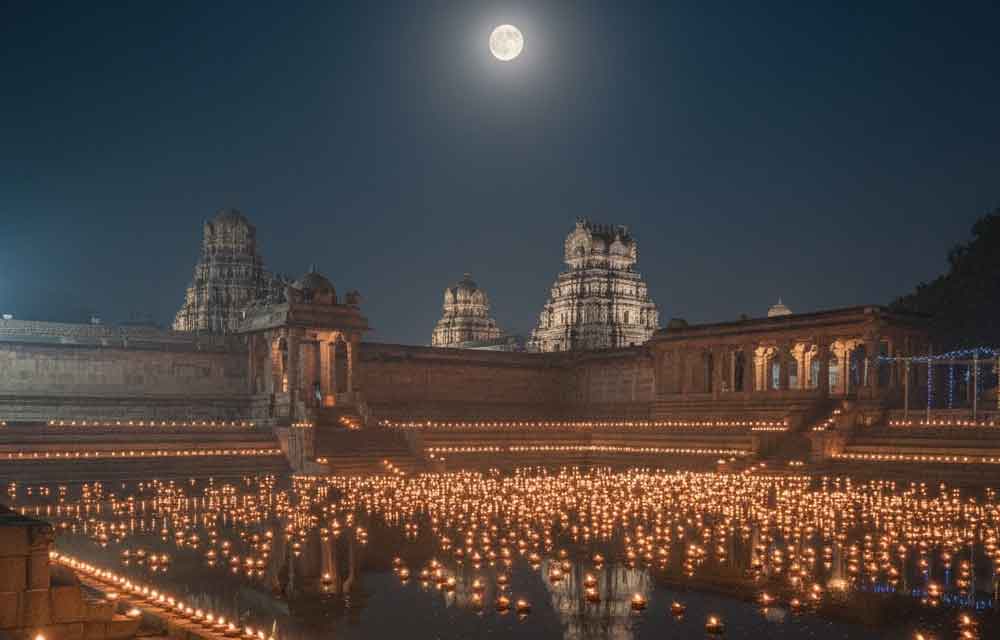
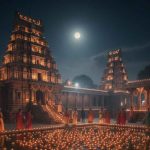
The month culminates in Karthika Pournami (the full moon day), considered one of the most auspicious days in the Hindu calendar. On this day, millions of devotees light rows of diyas in their homes, temples, and riverbanks, creating a breathtaking ocean of light that symbolizes the victory of knowledge over ignorance.
The Spiritual Philosophy Behind Lighting Diyas
Symbolism of the Flame
In Hindu philosophy, the diya represents several profound spiritual concepts:
The Eternal Atman: The steady flame symbolizes the indestructible soul (Atman) that remains unchanged despite external circumstances. Just as the flame points upward regardless of the lamp’s position, the soul naturally seeks divine consciousness.
The Five Elements: The diya beautifully integrates all five elements (Pancha Mahabhutas)—earth (clay lamp), water (oil), fire (flame), air (oxygen for combustion), and ether (space). This harmony represents cosmic balance and unity.
Divine Presence: Light has always been associated with divinity in Hinduism. The Sanskrit verse “Tamaso Ma Jyotirgamaya” (Lead me from darkness to light) encapsulates this belief. Lighting a diya is considered inviting the divine into your space.
Removing Negativity Through Light
Ancient yogic texts explain that negative energies, thoughts, and entities are believed to thrive in darkness and stagnant environments. The warm, living light of a diya is said to:
- Purify the environment by creating positive vibrations (sattvic energy)
- Dispel negative thoughts by providing a focal point for meditation and contemplation
- Transform consciousness by reminding us of our inner light and divine nature
- Create protective energy fields around the home, particularly when lamps are lit at specific times and locations
The Scientific Perspective
Modern science offers fascinating insights into why lighting diyas might indeed have tangible benefits for our well-being and environment:
Air Purification Properties
When traditional oils like ghee (clarified butter), sesame oil, or castor oil are burned in clay lamps with cotton wicks, they produce:
- Negative ions: The combustion process releases negative ions into the atmosphere, which scientific studies have linked to improved mood, reduced stress, and better air quality
- Antimicrobial effects: Ghee lamps specifically produce compounds that can reduce bacterial and viral loads in the air
- Pleasant aromatics: Natural oils create soothing fragrances that can have aromatherapeutic benefits
Psychological and Neurological Benefits
The simple act of lighting and watching a flame has measurable effects on the human mind:
- Meditative state induction: Flame gazing (Trataka in yoga) has been shown to calm the mind, reduce beta brain waves, and increase alpha waves associated with relaxation
- Stress reduction: The warm glow of natural light triggers the release of serotonin and can reduce cortisol levels
- Circadian rhythm regulation: Unlike harsh artificial lights, the soft amber glow of oil lamps aligns with our natural biological rhythms, promoting better sleep and hormonal balance
- Mindfulness practice: The ritual of lighting diyas creates a moment of pause and intention in our busy lives, anchoring us to the present moment
Environmental Harmony
The traditional practice of lighting earthen lamps with natural materials creates minimal environmental impact compared to electric lights or synthetic candles. The biodegradable clay lamps return to the earth, and the natural oils produce minimal pollution when burned properly.
The Daily Ritual: How to Light Diyas During Karthika Masam
Traditional Practice
Devotees follow specific guidelines to maximize the spiritual benefits:
Timing: Lamps are ideally lit during Pradosh Kaal (twilight period) and kept burning throughout the night, or at minimum until bedtime. Many devotees light diyas twice daily—at dawn and dusk.
Placement: Strategic locations include:
- The puja room or altar
- Main entrance and doorways
- Tulsi plant (holy basil) area
- Windows facing different directions
- Near water bodies or gardens
Materials:
- Clay lamps (traditional and eco-friendly)
- Cotton wicks (representing purity)
- Ghee or sesame oil (considered most auspicious)
- Some add a pinch of turmeric or kumkum to the oil
Intention: Before lighting, devotees often recite mantras such as: “Shubham Karoti Kalyanam Arogyam Dhana Sampadah, Shatru Buddhi Vinashaya Deepa Jyotir Namostute” (I bow to the divine light that brings auspiciousness, health, prosperity, and destroys negative intellect)
Modern Adaptations
For those with busy lifestyles, simplified practices include:
- Lighting even one diya with full devotion rather than many without attention
- Using safe brass or copper lamps in apartments where clay isn’t practical
- Combining lamp lighting with brief meditation or prayer
- Involving family members to create shared spiritual moments
Personal Transformation Through Light
Stories of Peace and Positivity
Countless devotees share experiences of profound changes during Karthika Masam observances:
- Families report improved harmony and reduced conflicts when gathering for daily lamp-lighting rituals
- Individuals describe increased mental clarity and reduced anxiety
- Homes feel more peaceful and welcoming
- Relationships strengthen through shared spiritual practice
Creating Your Sacred Space
Lighting diyas transforms ordinary spaces into sanctuaries. The practice encourages:
Cleanliness and organization: Preparing the space for lamps naturally leads to decluttering and cleaning, which itself reduces mental stress.
Aesthetic beauty: The gentle glow of oil lamps creates an ambiance that artificial lighting cannot replicate, making homes feel warmer and more inviting.
Energy consciousness: Regular lamp lighting makes us more aware of the energy and atmosphere in our living spaces, encouraging us to maintain positivity.
Beyond Karthika Masam: Integrating Light into Daily Life
While Karthika Masam offers an intensive period of practice, the benefits of lighting diyas extend beyond this month. Many devotees continue the practice year-round, particularly during:
- Daily evening prayers (Sandhya Vandanam)
- Special occasions and festivals
- Moments when extra peace and clarity are needed
- As part of regular meditation practice
The Collective Impact of Light
When millions of lamps are lit simultaneously during Karthika Masam, imagine the collective positive energy generated. This mass participation creates:
- A shared cultural and spiritual experience that strengthens community bonds
- Visible reminder of our interconnectedness
- Powerful collective intention for peace and prosperity
- Environmental awareness through traditional, sustainable practices
Scientific Studies on Light Therapy
Contemporary research supports ancient wisdom about light’s healing properties:
- Light therapy is now recognized as an effective treatment for seasonal affective disorder (SAD)
- Exposure to warm-toned light in the evening supports melatonin production
- Candle meditation has been clinically shown to reduce anxiety and improve focus
- The ritual aspect of daily practices strengthens neural pathways associated with peace and wellbeing
Conclusion: Embracing the Light Within
The practice of lighting diyas during Karthika Masam beautifully demonstrates how ancient spiritual wisdom aligns with modern scientific understanding. Whether viewed through the lens of faith or reason, the benefits are undeniable—reduced stress, improved atmosphere, enhanced mindfulness, and a tangible sense of peace.
The true power of this practice lies not merely in the physical flame but in what it awakens within us. Each diya we light is a reminder that we too carry an inner light—the light of consciousness, compassion, and divine potential. By nurturing the external flame, we fan the flames of our inner transformation.
This Karthika Masam, as you light your diyas, remember that you’re participating in a timeless tradition connecting you to millions of seekers across generations. You’re not just dispelling darkness from your home; you’re contributing to the collective illumination of consciousness itself.
May the divine light of Karthika Masam remove all negativity from your life and fill your heart with lasting peace, prosperity, and spiritual awakening.
About HinduTone: At www.hindutone.com, we explore the profound wisdom of Hindu traditions, bridging ancient spiritual practices with contemporary understanding. Join us in discovering how timeless rituals can bring meaning, peace, and transformation to modern life.
#LightingLamps #PositiveVibrations #SpiritualLight #KarthikaMasam #HinduTraditions #SpiritualPractices #InnerPeace #DivineLigh #AncientWisdom #ModernSpirituality #HinduFestivals #SacredRituals #MindfulLiving #PositiveEnergy #SpiritualJourney
Related posts:
 KARTHIKA MASAM MONTHLY HOROSCOPE
 Karthika Masam 2025 – Day-Wise Panchangam
 Karthika Masam 2025: Complete Dates, Start & End Times, Events, and Hindu Calendar Details for Sydney Hindus
 Karthika Masam 2025: Complete Dates, Start & End Times, Events, and Hindu Calendar Details for British Hindus
 Karthika Masam 2025: Complete Dates, Start & End Times, Events, and Hindu Calendar Details for Adelaide Hindus
 Karthika Masam 2025: The Holy Month of Lord Shiva and Deepa Danam


 ︎
︎

