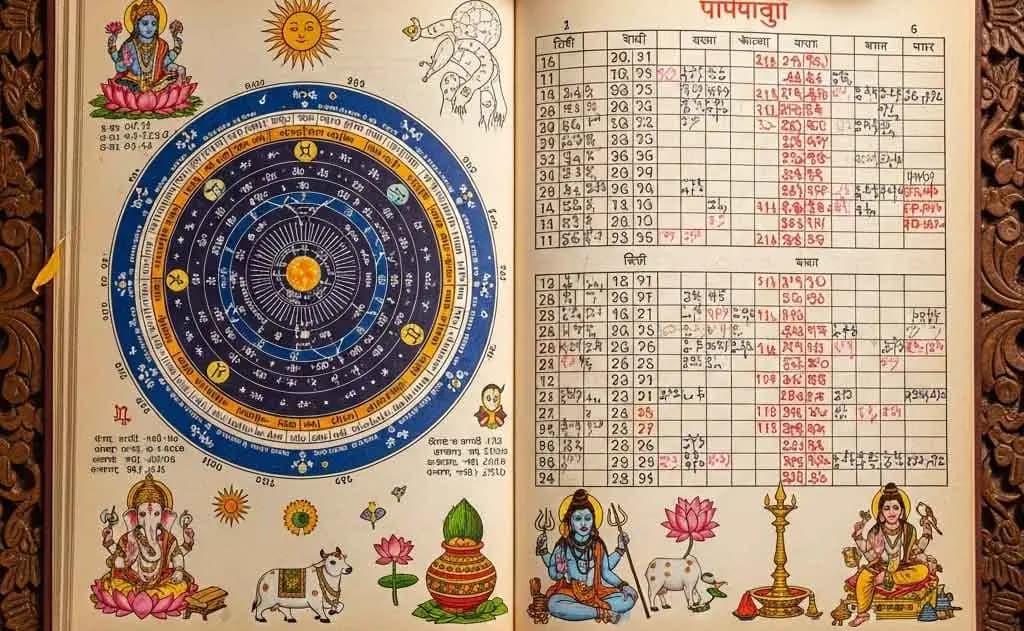
Makar Sankranti 2026: The Complete Devotional Story and Spiritual Significance
Makar Sankranti 2026: The Complete Devotional Story and Spiritual Significance Date: January 14, 2026 | Tuesday | Uttarayan Begins Introduction: The Sacred…
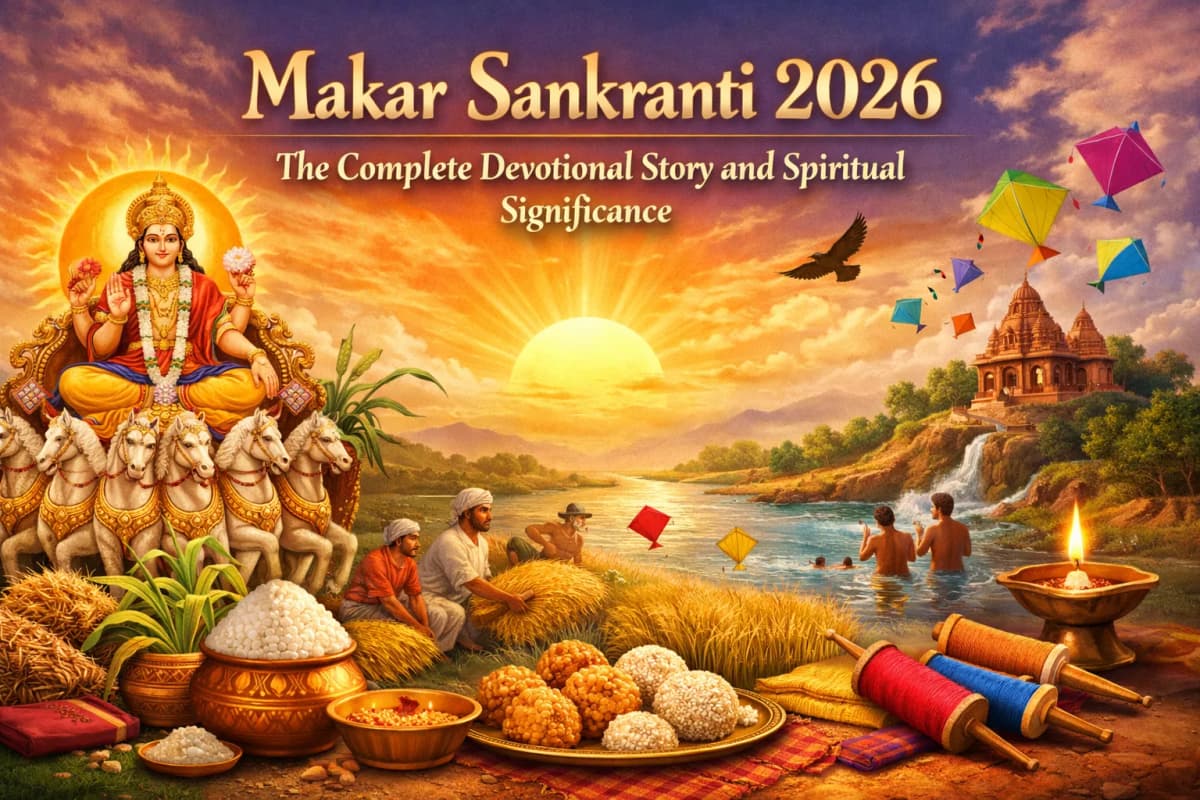
Makar Sankranti 2026: The Complete Devotional Story and Spiritual Significance Date: January 14, 2026 | Tuesday | Uttarayan Begins Introduction: The Sacred…
Makar Sankranti 2026: The Complete Devotional Story and Spiritual Significance
Date: January 14, 2026 | Tuesday | Uttarayan Begins
Introduction: The Sacred Journey of Surya Dev
Makar Sankranti marks one of the most auspicious days in the Hindu calendar when Lord Surya (the Sun God) begins his northward journey into the zodiac sign of Makara (Capricorn). This celestial transition, known as Uttarayan, symbolizes the victory of light over darkness and marks the beginning of longer, warmer days.
The Divine Stories Behind Makar Sankranti
1. Lord Surya's Northern Journey (Uttarayan)
According to ancient Hindu scriptures, the cosmos is divided into two halves based on the Sun's movement. When Surya Dev enters Makara Rashi and begins his six-month northward journey (Uttarayan), it is considered the pathway to the gods and an auspicious period for spiritual activities.
The Spiritual Significance:
- Uttarayan represents the day of the gods (Deva Ayana)
- Dakshinayan (southward journey) represents the night of the gods
- Souls departing during Uttarayan are believed to attain moksha more easily
- This period is ideal for meditation, yoga, and spiritual practices
2. Bhishma Pitamah's Choice of Makar Sankranti
One of the most powerful stories associated with Makar Sankranti comes from the Mahabharata. Bhishma Pitamah, the grandsire of the Kuru dynasty, who had been granted the boon of Ichcha Mrityu (choosing the time of his death), lay on a bed of arrows for 58 days waiting for Uttarayan.
The Sacred Narrative:
Despite being mortally wounded in the great Kurukshetra war, Bhishma refused to leave his body during Dakshinayan. He knew that departing during Uttarayan would ensure his soul's direct path to the heavenly realms and ultimate liberation.
On the first day of Uttarayan, which was Makar Sankranti, Bhishma Pitamah finally gave up his life force. Before leaving his mortal body, he imparted profound wisdom to Yudhishthira about dharma, righteousness, and the duties of a king.
The Lesson: This story teaches us that the timing of spiritual actions matters. Makar Sankranti is considered supremely auspicious for beginning new spiritual practices, making donations, and performing sacred rituals.
3. Ganga's Descent to Earth
Another beautiful legend connects Makar Sankranti with the sacred River Ganga. It is believed that on this day, Goddess Ganga followed Lord Shiva and descended to Earth to purify humanity.
The Divine Story:
After King Bhagiratha's intense penance, Goddess Ganga agreed to descend from the heavens. To prevent the force of her descent from destroying the Earth, Lord Shiva caught her in his matted locks. On Makar Sankranti, Ganga finally flowed down to Earth and met the ocean at Gangasagar in Bengal.
King Bhagiratha led Ganga to the Patala Loka (netherworld) where she brought salvation to his ancestors, the 60,000 sons of King Sagara who had been cursed and turned to ash.
Why Holy Bathing on Sankranti? This is why taking a holy dip in sacred rivers, especially the Ganga, on Makar Sankranti is considered extremely purifying. The bath washes away sins and grants spiritual merit equal to performing many yajnas.
4. Lord Surya and His Son Shani Dev
A touching family story is associated with this festival. Lord Surya's son is Shani Dev (Saturn), who rules over Makara Rashi. On Makar Sankranti, when Surya enters his son's zodiac sign, it represents a father visiting his son's home.
The Reconciliation:
Though Shani Dev had a strained relationship with his father due to family circumstances, Makar Sankranti symbolizes the day when Lord Surya puts aside all differences and visits Shani's abode with love and warmth.
The Message: This story teaches us about forgiveness, family harmony, and setting aside ego. It reminds devotees that no matter what differences exist, sacred occasions are opportunities for reconciliation and expressing love.
5. The Legend of Til (Sesame Seeds)
According to Skanda Purana, sesame seeds (til) emerged from the sweat drops of Lord Vishnu. These sacred seeds are believed to have purifying properties and are beloved by Lord Shani.
The Traditional Practice:
On Makar Sankranti, devotees prepare tilgul laddoos (sesame and jaggery sweets) and exchange them with the phrase "Tilgul ghya, god god bola" (Accept this sweet and speak sweetly).
The Symbolism:
- Til represents purity and auspiciousness
- Jaggery symbolizes sweetness in relationships
- Together they promote harmony and remove bitterness
Regional Variations and Their Stories
Pongal in Tamil Nadu
In Tamil culture, this festival is celebrated as Pongal, dedicated to Lord Surya. Farmers thank the Sun God for a bountiful harvest. The legend says that Lord Indra once became jealous of humans worshipping Surya, but Lord Shiva intervened, establishing the tradition of Pongal celebrations.
Uttarayan in Gujarat
In Gujarat, the sky fills with colorful kites. The tradition originated from the belief that exposure to early morning sun rays during winter is therapeutic. Flying kites ensured people spent time outdoors absorbing beneficial sun rays.
Lohri in Punjab
Celebrated a day before Makar Sankranti, Lohri honors Dulha Bhatti, a Robin Hood-like figure who helped poor girls get married. The bonfire represents the warming of relationships and burning away old grudges.
The Spiritual Science Behind Makar Sankranti
Cosmic Alignment
Ancient sages observed that during Uttarayan, the Earth's northern hemisphere tilts toward the sun. This alignment creates powerful spiritual energies conducive to meditation, healing, and transformation.
Agricultural Significance
This festival marks the harvest season. Farmers thank Surya Dev, Mother Earth, and farm animals (especially cows and oxen) for their hard work. The first grains of the harvest are offered to deities before consumption.
Health Benefits
The tradition of til-gud consumption has health significance. Sesame provides warmth during winter, while jaggery boosts immunity. The practice of early morning holy baths and sun exposure provides vitamin D.
How to Celebrate Makar Sankranti 2026 Devotionally
Morning Rituals
- Brahma Muhurta Bath: Wake before sunrise and take a purifying bath
- Surya Namaskar: Perform 12 rounds facing the rising sun
- Tilak and Prayers: Apply tilak and offer water (arghya) to Surya Dev
- Charity: Donate sesame, jaggery, blankets, and grains to the needy
Sacred Mantras for Makar Sankranti
Surya Mantra:
ॐ घृणिः सूर्याय नमः
Om Ghrini Suryaya Namaha
ॐ भूर्भुवः स्वः तत्सवितुर्वरेण्यं
भर्गो देवस्य धीमहि धियो यो नः प्रचोदयात्
Om Bhur Bhuvah Svah Tat Savitur Varenyam
Bhargo Devasya Dhimahi Dhiyo Yo Nah Prachodayat
Sankranti Puja Vidhi
- Clean your home and puja area
- Place an image or idol of Lord Surya
- Offer water, red flowers, and raw rice mixed with kumkum
- Light a ghee lamp and incense
- Recite Surya mantras 108 times
- Prepare khichdi and offer it as bhog
- Distribute prasad to family and neighbors
Auspicious Activities on Makar Sankranti 2026
What To Do:
- Take holy dips in sacred rivers (Ganga, Yamuna, Godavari)
- Make donations (dana) - especially sesame, jaggery, warm clothes
- Begin new spiritual practices or vows
- Fly kites (symbolic of reaching higher consciousness)
- Prepare traditional foods using til and gud
- Visit temples and seek blessings
What To Avoid:
- Negative speech or arguments
- Consumption of tamasic foods
- Starting quarrels or holding grudges
- Being stingy with charity
- Laziness or oversleeping
The Message for Modern Devotees
Makar Sankranti teaches us timeless lessons:
1. Transformation: Just as the sun changes its course, we too can transform our lives and move toward enlightenment.
2. Gratitude: Express thankfulness to nature, especially the sun, which sustains all life.
3. Harmony: Like the til-gud tradition, speak sweetly and maintain harmonious relationships.
4. Charity: Share your prosperity with those less fortunate, as the harvest season reminds us of abundance.
5. Spiritual Discipline: Use this auspicious period to deepen your spiritual practices and move toward self-realization.
Conclusion: Welcoming Divine Light
As we celebrate Makar Sankranti 2026 on January 14th, let us remember that this festival is not merely about rituals but about inner transformation. The sun's northward journey is a metaphor for the soul's journey toward divine consciousness.
Whether you celebrate it as Sankranti, Pongal, Lohri, or Uttarayan, the essence remains the same - honoring the life-giving sun, expressing gratitude for nature's bounty, and recommitting ourselves to the path of dharma.
May Lord Surya illuminate your life with wisdom, health, and prosperity. May this Uttarayan bring you closer to your spiritual goals and fill your heart with divine light.
Jai Surya Dev! Om Namah Shivaya!
For more devotional stories, mantras, and festival guides, explore other articles on HinduTone.com
Frequently Asked Questions
When is Makar Sankranti 2026?
Makar Sankranti 2026 falls on January 14, 2026.
What is the significance of Makar Sankranti?
Makar Sankranti 2026: The Complete Devotional Story and Spiritual Significance Date: January 14, 2026 | Tuesday | Uttarayan Begins Introduction: The Sacred Journey of Surya Dev Makar Sankranti marks one of the most auspicious days in the Hindu calendar when Lord Surya (the Sun God) begins his northward journey into the zodiac sign of Makara (Capricorn). This
How is Makar Sankranti celebrated?
Devotees observe it with puja, fasting or special offerings, visiting temples, chanting mantras, and gathering with family. Customs vary by region and tradition.
What should devotees do on Makar Sankranti?
Take a sacred bath, perform the day's puja and charity (dana), observe any prescribed fast, and chant mantras with sincere devotion.
You might also like
June 2026 Hindu Festival Calendar — Complete Dates, Vrat & Puja Guide for NRIs
Shani Deva Temples Worldwide & Must-Performed Rituals — Complete Devotee's Guide

Gayatri Jayanti 2026: Date, Gayatri Mantra, Puja Vidhi & Significance