Chottanikkara Temple Cleanliness Drive: HC Orders Audit
The serene premises of the Chottanikkara Bhagavathy Temple in Ernakulam district, Kerala – one of the most revered Shakti shrines in India – have come under…
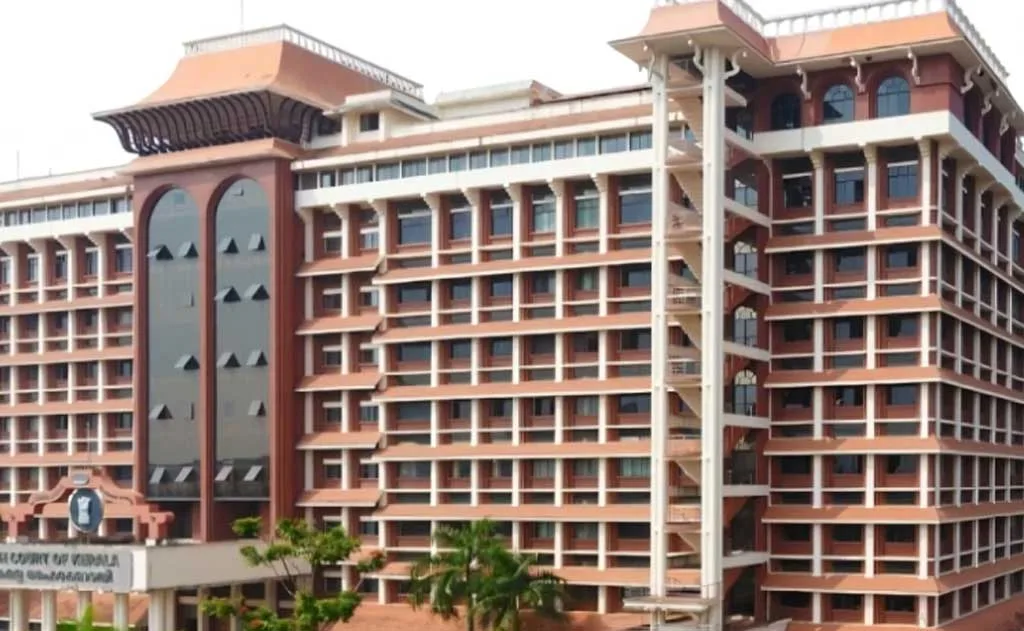
The serene premises of the Chottanikkara Bhagavathy Temple in Ernakulam district, Kerala – one of the most revered Shakti shrines in India – have come under judicial scrutiny as the Kerala High Court continues to address persistent concerns over cleanliness, waste management, and environmental hygiene. In a series of hearings throughout 2025, culminating in directives issued in December, the court has emphasized the urgent need for a robust, sustainable sanitation framework to maintain the temple's spiritual sanctity and protect public health.
This ongoing cleanliness drive, triggered by a suo motu petition based on complaints of maladministration and unhygienic conditions, underscores the balance between devotion and responsibility in managing India's ancient temples. As of December 2025, the initiative involves detailed audits, inspections, and plans for permanent waste segregation systems, particularly targeting plastic waste that has been strewn across the premises.
At HinduTone.com, we delve into the complete details of this significant development, exploring the court's observations, the temple's spiritual importance, historical context, and the broader implications for temple management in Bharat's Sanatan heritage.
The Divine Legacy of Chottanikkara Bhagavathy Temple: A Beacon of Shakti Worship
Nestled in the lush suburbs of Kochi, the Chottanikkara Bhagavathy Temple stands as a testament to Kerala's rich tradition of Devi worship. Dedicated to Goddess Rajarajeswari (Adi Parashakti), the temple enshrines the Mother Goddess in her triune forms: as Saraswati in the morning (clad in white), Lakshmi at noon (in crimson), and Durga in the evening (in blue). The deity is also revered as Mahalakshmi residing with Lord Vishnu, and the fierce Bhadrakali form in the Keezhkavu shrine is believed to possess extraordinary healing powers, particularly for mental ailments and possession by evil spirits.
Legend traces the temple's origins to ancient times, with associations to Adi Shankaracharya and the sage Vilwamangalam Swamiyar, who is said to have witnessed the Goddess in her full adornment on the auspicious Makam star day in Kumbham month. The annual Makam Thozhal festival draws lakhs of devotees, who believe that sincere prayers here can exorcise afflictions and grant prosperity.
Administered by the Cochin Devaswom Board, the temple complex includes the main Melkavu (upper shrine) and Keezhkavu (lower shrine), surrounded by sacred ponds like Yakshikulam and verdant hills. It is one of the 393 shrines under the Board's jurisdiction and attracts pilgrims from across India and abroad, making it a pivotal center of Sanatan Dharma in southern Bharat.
The temple's architecture reflects classic Kerala style, with wooden carvings, sloping roofs, and intricate murals that evoke a sense of divine tranquility. Rituals such as Guruthi Pooja, performed in the evening at Keezhkavu to appease Bhadrakali, are unique and draw devotees seeking relief from doshas and illnesses.
Genesis of the Cleanliness Concerns: From Complaints to Judicial Intervention
The current cleanliness drive traces its roots to a complaint received in April 2025, alleging maladministration, corruption, and severe lapses in hygiene at the temple. The Kerala High Court, in a suo motu proceeding (DBP 52/2025), initiated action under a Division Bench comprising Justices V. Raja Vijayaraghavan and K.V. Jayakumar.
Initial hearings in September 2025 highlighted photographic evidence of unhygienic conditions, including filth in the temple kitchen, scattered garbage, and inadequate maintenance. The court summoned officials from the Cochin Devaswom Board, including the executive engineer and assistant devaswom officer, to explain remedial measures.
By November 2025, reports from the Chottanikkara Grama Panchayat revealed alarming issues: heavy rubbish accumulation, leaking contaminated wastewater, dysfunctional drains, and pollution seeping into surrounding areas, including the ritualistic Yakshikulam pond. Plastic waste was particularly noted as being strewn openly, with no effective segregation mechanisms in place.
On November 27, 2025, the court expressed grave concern over the "wholly inadequate" measures by temple authorities, describing the waste disposal system as in "complete disarray." It directed the local health inspector to conduct an immediate thorough inspection and submit a report with digital photographs within ten days.
December 2025 Developments: Warnings, Audits, and Sustainable Directives
The momentum intensified in December. On December 10 and 11, 2025, the court warned of initiating action against the Temple Advisory Committee and Devaswom officers if immediate steps were not taken. Observing that the conditions posed threats to public health and the environment, the Bench reiterated concerns over indiscriminate scattering of plastic waste, food remnants, and garbage.
A pivotal directive came on December 17, 2025, when the court roped in the Suchitwa Mission – Kerala's nodal agency for sanitation and waste management under the Local Self Government Department. The Executive Director was instructed to depute senior officers for a comprehensive cleanliness audit.
The audit's scope includes:
- Assessing existing waste generation and disposal practices
- Designing a scientific waste segregation system, with emphasis on plastic and biodegradable waste
- Recommending sustainable processing and disposal mechanisms
- Advising on adequate placement of bins, signage for pilgrims, and awareness campaigns
- Examining sewage disposal facilities, incinerators, and pipeline repairs to prevent leakage into sacred ponds
The court stressed that the goal should extend beyond "cosmetic cleanliness" to establishing a "robust, sustainable, and permanently enforceable sanitation framework" befitting a major pilgrimage site. It allowed continued inspections by health officials and listed the matter for further hearings.
These directives align with broader state efforts, including Kerala's push against single-use plastics, though the temple-specific focus remains on immediate hygiene restoration.
Key Concerns Highlighted by the Kerala High Court
The court's observations paint a picture of systemic lapses that undermine the temple's sanctity:
- Plastic Waste Proliferation: Single-use plastics from offerings, prasadam distribution, and visitor littering remain unsegregated, leading to environmental hazards.
- Inadequate Segregation and Disposal: Lack of designated bins and processing units results in open dumping.
- Wastewater Leakage: Contaminated water polluting Yakshikulam pond, used for rituals, posing health risks.
- Kitchen and Premises Hygiene: Areas requiring the highest standards show neglect, with food remnants attracting pests.
- Public Health Risks: High footfall exacerbates issues, potentially spreading diseases amid devotees' close proximity during poojas.
The Bench noted that such conditions fall "far below the standards expected of a temple of such prominence and spiritual significance," invoking constitutional duties under Articles 21 (right to life and clean environment) and 48A (protection of environment).
Broader Implications for Temple Management in Bharat
This intervention at Chottanikkara Bhagavathy Temple serves as a wake-up call for temple administrations across India. With millions visiting sacred sites annually, balancing devotion with eco-friendly practices is crucial. Temples like Tirupati and Sabarimala have implemented advanced waste management, including biogas plants and zero-plastic zones, setting precedents.
In Kerala, the Cochin Devaswom Board's role in maintaining 393 shrines underscores the need for professional management, volunteer drives, and devotee education. Initiatives like Swachh Temple campaigns under Swachh Bharat Abhiyan could be amplified here.
The court's involvement highlights judicial activism in preserving cultural heritage while enforcing environmental laws, such as the Plastic Waste Management Rules, 2016, and Kerala Public Health Act, 2023.
Steps Forward: Ongoing Drive and Potential Outcomes
As of late December 2025, the cleanliness drive is actively progressing:
- Suchitwa Mission officers have conducted initial inspections.
- Temple authorities are collaborating on interim measures, such as increased cleaning staff and temporary bins.
- Awareness among devotees is being promoted through announcements and signage.
Future hearings will review audit reports and implementation progress. Permanent solutions may include installing sewage treatment plants (earlier discussions noted challenges due to panchayat location), bio-waste converters, and volunteer-led drives.
Devotees and locals have welcomed the court's proactive stance, viewing it as divine intervention to restore Amman's abode to its pristine glory.
Preserving Sanctity: A Collective Responsibility
The Chottanikkara Bhagavathy Temple's cleanliness drive reminds us that true bhakti encompasses respect for the divine space. By addressing plastic waste and hygiene lapses, authorities can ensure that pilgrims experience unhindered spiritual bliss.
As Bharat revives its Sanatan traditions, such initiatives reinforce that temples are not just places of worship but living symbols of harmony between faith, nature, and community.
At HinduTone.com, we celebrate and chronicle the enduring spirit of Hindu dharma – its temples, rituals, and timeless values. Stay connected for updates on this story and more from our sacred heritage across the nation.
Frequently Asked Questions
Where is Chottanikkara Temple Cleanliness Drive located?
The serene premises of the Chottanikkara Bhagavathy Temple in Ernakulam district, Kerala – one of the most revered Shakti shrines in India – have come under judicial scrutiny as the Kerala High Court continues to address persistent concerns over cleanliness, waste management, and environmental hygiene. In a series of hearings throughout 2025, culminating in
Who is the presiding deity of Chottanikkara Temple Cleanliness Drive?
The temple's presiding deity and its significance are described in the guide above.
What are the timings and how do I reach Chottanikkara Temple Cleanliness Drive?
Temples typically open early morning and evening; confirm current darshan timings before visiting. The nearest airport, railway station and road routes are covered in the guide above.
What is the best time to visit Chottanikkara Temple Cleanliness Drive?
Major festival days and the cooler months are popular, though weekday mornings offer a calmer darshan. Plan around the temple's key festivals for the most vibrant experience.
Share this with family and friends
Send it on WhatsApp, post it, or copy the link.
More from News
- Aurora Hindu Temple Shooting Plot Foiled: Illinois Teen Charged After Rifle Jammed, Police Say
- Hindu Temples Abroad News, October 2026: Neasden's 42-Foot Tapomurti, Maha Annakut, Paris Mandir Hosts UNESCO Diplomats, Abu Dhabi Prayers
- Hindu Temple News, October 2026: Tirumala Navaratri Brahmotsavam, Sabarimala Security, Kashi's New CEO and Puri Updates
- Hindu Festival News, October 2026: Kullu Dussehra, Bastar, Delhi Ramlila, Gujarat Garba, Bathukamma, Chhath and Ayodhya Deepotsav
- Festival Special Trains 2026: Dasara, Diwali and Chhath Specials Announced So Far, Route by Route
You might also like

Sacred Hindu Festivals & Temple News: Divine Week — May 2026

Shani Jayanti 2026: Date, Significance, Rituals & Powerful Mantras

Anti-Conversion Laws in India: Complete State-Wise Guide Every Hindu Must Know and Share in 2026