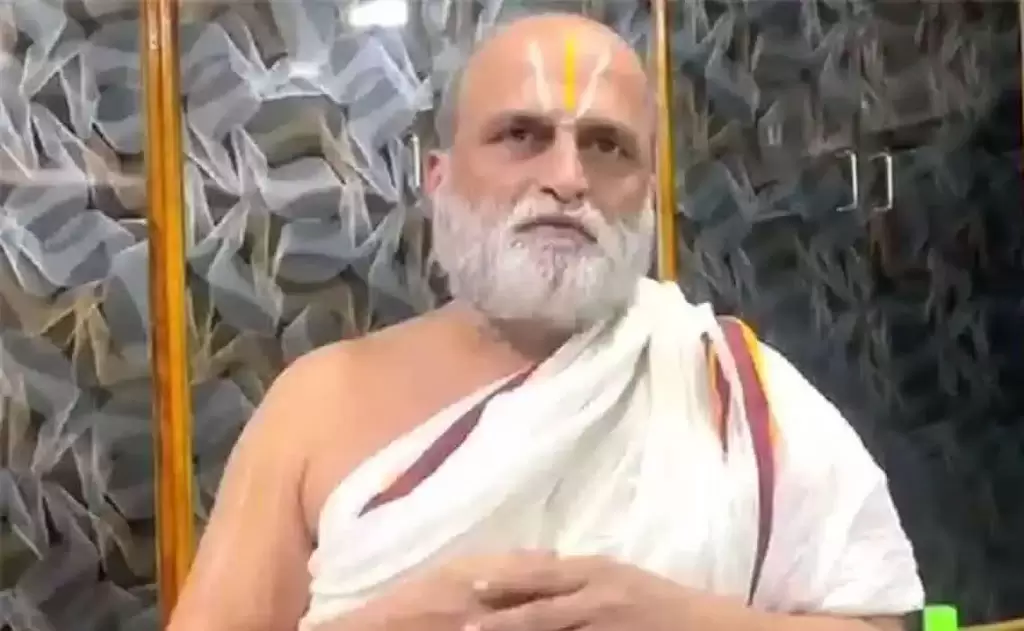
Brutal Lynching in Bangladesh 2025: Hindu Worker Dipu Das Targeted Amid Unrest
By HinduTone News Desk | December 22, 2025 In a shocking incident that has sparked widespread outrage, a 25-year-old Hindu garment worker, Dipu Chandra Das,…
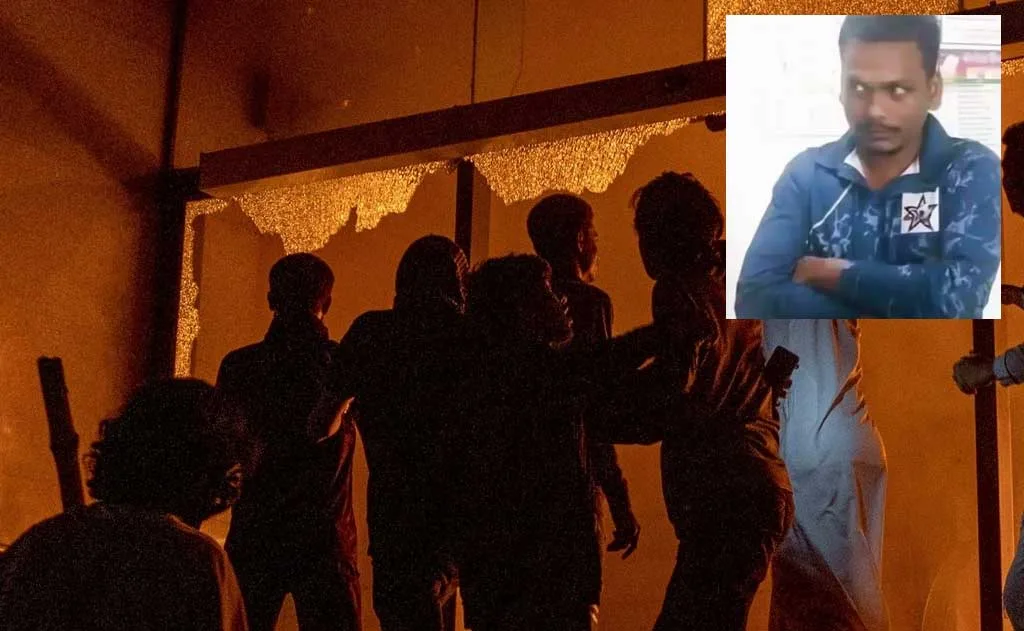
By HinduTone News Desk | December 22, 2025 In a shocking incident that has sparked widespread outrage, a 25-year-old Hindu garment worker, Dipu Chandra Das,…
By HinduTone News Desk | December 22, 2025
In a shocking incident that has sparked widespread outrage, a 25-year-old Hindu garment worker, Dipu Chandra Das, was brutally lynched by a mob in Bhaluka Upazila, Mymensingh district, Bangladesh, on December 18, 2025. The attack stemmed from unverified allegations of blasphemy, highlighting the growing vulnerability of religious minorities in the country.
According to reports from multiple sources, including Bangladeshi media outlets like Bangla Tribune and The Daily Star, Das was first beaten severely outside his factory. The mob then hanged his body from a tree and set it on fire, leaving it on the side of the Dhaka-Mymensingh highway. The gruesome act caused traffic disruptions and heightened tensions in the area.
Das's father, Ravilal Das, recounted the horror in interviews, stating that the family learned of the incident through social media. "They tied and burnt his head and torso outside," he said, describing the mob's brutality.
The lynching occurred amid escalating unrest following the death of student leader Sharif Osman Hadi, which triggered protests and violence across Bangladesh. Hardline groups have been accused of exploiting the chaos to target minorities, particularly Hindus.
The interim government led by Muhammad Yunus swiftly condemned the attack, stating: "We wholeheartedly condemn the lynching of a Hindu man in Mymensingh. There is no space for such violence in the new Bangladesh. The perpetrators of this heinous crime will not be spared."
Authorities have arrested at least 12 suspects in connection with the case, including factory officials accused of handing Das over to the mob instead of protecting him or alerting police. Rapid Action Battalion (RAB) and local police are continuing investigations.
This incident is part of a broader pattern of violence against Hindus and other minorities since the ouster of former Prime Minister Sheikh Hasina in August 2024. Rights groups, including the Bangladesh Hindu Buddhist Christian Unity Council, have documented over 2,400 attacks on minorities in recent periods, with concerns rising ahead of upcoming elections.
Indian leaders, including Priyanka Gandhi Vadra and other politicians, have expressed alarm, calling the murder "extremely disturbing" and urging action to protect minorities in the neighboring country.
At HinduTone.com, we stand in solidarity with the global Hindu community and call for justice for Dipu Chandra Das. Such acts of mob violence undermine communal harmony and must be addressed firmly to ensure safety for all.
Key Facts:
- Victim: Dipu Chandra Das, 25, Hindu garment worker
- Location: Bhaluka, Mymensingh, Bangladesh
- Date: December 18, 2025
- Cause: Alleged blasphemy (unverified)
- Arrests: 12 suspects
- Government Response: Strong condemnation and assurance of punishment
We urge authorities to uphold the rule of law and protect vulnerable communities. Stay tuned to HinduTone.com for updates on this developing story and more news affecting Hindus worldwide.
Sources: The Hindu, NDTV, India Today, Al Jazeera, and Bangladeshi media reports
What is the historical context of Hindu minority persecution in Bangladesh since 2024?
Since the ouster of former Prime Minister Sheikh Hasina in August 2024, Bangladesh has witnessed a sharp and documented rise in attacks targeting Hindu communities. Human rights monitors have recorded incidents of temple desecration, forced displacement, property seizures, and mob violence spread across multiple districts including Chittagong, Sylhet, Rangpur, and Dhaka. The pattern suggests that political transitions in Bangladesh have historically created dangerous power vacuums that hardline actors exploit to target religious minorities.
Bangladesh's Hindu population, which constituted roughly 28 percent of the country at the time of its 1971 independence, has declined to approximately 8 percent today — a demographic collapse driven by decades of communal violence, coercive land grabs under the Vested Property Act, and forced emigration. Each major political upheaval in the country — 1971, 1992, 2001, and now 2024 — has been accompanied by documented spikes in anti-Hindu violence, a pattern that scholars of South Asian communalism have consistently noted.
The Rapid Action Battalion (RAB) and Bangladesh Police have made arrests in several high-profile post-2024 cases, but rights organizations such as Bangladesh Hindu Buddhist Christian Unity Council (BHBCUC) argue that prosecution rates remain dismally low and that institutional protection for minorities is structurally inadequate. The Dipu Chandra Das lynching is therefore not an isolated aberration but the most brutal recent data point in a long continuum of targeted violence.
How are blasphemy allegations weaponized against minorities in Bangladesh?
Blasphemy accusations have emerged as one of the most dangerous instruments used against religious minorities in Bangladesh. These allegations — almost invariably unverified, often originating from a single social media post or a personal dispute — are capable of mobilizing mobs within hours. In the case of Dipu Chandra Das, no formal complaint had been filed, no judicial process was initiated, and no evidence was publicly produced; yet a mob numbering in the dozens carried out a premeditated, prolonged act of violence culminating in hanging and immolation.
Bangladesh does not have a standalone blasphemy law equivalent to Pakistan's Section 295-C, but Section 28 of the Digital Security Act (DSA) — and its successor, the Cyber Security Act — criminalizes content deemed to 'hurt religious sentiments,' creating a legal ambiguity that vigilante groups exploit as informal justification for extrajudicial action. Activists have long argued that the vagueness of these provisions incentivizes mob justice by offering a veneer of grievance legitimacy to perpetrators.
Comparable cases include the 2021 Cumilla temple attacks, where fabricated social media images of alleged Quran desecration triggered coordinated violence against Hindu temples across Bangladesh during Durga Puja. The template — a viral, unverified claim followed by rapid mob mobilization, targeting of identifiable minorities, and delayed or insufficient state response — appears to have repeated itself in the Bhaluka Upazila incident, underscoring the systemic nature of the threat.
What is the religious and dharmic significance of this violence for the Hindu community?
For the Hindu community in Bangladesh and across the diaspora, the murder of Dipu Chandra Das carries a weight that extends beyond the political. The Bhagavad Gita (Chapter 1, verses 38-41) speaks directly to the devastation wrought upon kula dharma — the righteous fabric of family and community — when adharma goes unchecked by those in authority. The failure of factory officials to protect Das, and their reported act of handing him over to the mob, represents precisely the collapse of institutional dharma that scripture warns against.
The manner of Das's killing — beating, hanging, and immolation — mirrors forms of ritualistic humiliation historically inflicted upon oppressed communities as a message of terror intended to drive entire populations from their lands. Hindu community leaders in Bangladesh have described the incident using the term 'dharma-kshaya,' the erosion of righteous order, invoking a concept familiar from the Mahabharata's description of societies in the grip of adharma. Prayers and vigils have been held at temples including the Dhakeshwari National Temple in Dhaka and at Hindu community centers in Mymensingh town.
The Atharva Veda (Book 12, Hymn 1) describes the earth as a mother who sustains all her children equally regardless of their tradition — 'Mata bhumih putroham prithivyah.' For Hindus who have lived in the Bengal delta for millennia, whose ancestors participated in the civilization that produced the Charyapada, the Mangalkavya, and the Baul tradition, the sense of existential displacement triggered by such violence is inseparable from a spiritual grief over severed roots in sacred land.
What international and diplomatic responses has this incident drawn?
The lynching of Dipu Chandra Das drew condemnation from Hindu diaspora organizations across India, the United Kingdom, the United States, and Canada within 48 hours of the incident becoming public. The World Hindu Council (Vishwa Hindu Parishad) issued a formal statement calling for United Nations intervention and the establishment of an international minority protection monitoring mechanism for Bangladesh. Protests were held outside Bangladeshi consulates in several cities, with demonstrators demanding accountability from the Muhammad Yunus-led interim government.
The Government of India, which shares a 4,156-kilometer border with Bangladesh and has historically raised concerns about the safety of Bengali Hindus, expressed concern through official diplomatic channels, with the Ministry of External Affairs stating that it was 'closely monitoring' the situation. However, critics note that diplomatic expressions of concern have rarely translated into substantive bilateral pressure on Bangladesh to strengthen minority protections through legislative reform.
International human rights organizations including Amnesty International and Human Rights Watch have in recent years documented the deteriorating situation for minorities in Bangladesh. The Dipu Das case is expected to be cited in upcoming UN Universal Periodic Review (UPR) submissions related to Bangladesh's human rights record, potentially adding multilateral pressure on Dhaka to demonstrate measurable progress in prosecuting perpetrators and reforming the institutional frameworks that allow mob violence to occur with relative impunity.
What immediate steps can support the Das family and the broader Hindu community in Bangladesh?
Ravilal Das, Dipu's father, has been left without his son's income in circumstances of acute economic vulnerability — a situation common among the Hindu working poor in Bangladesh's garment sector, where minority workers often lack the community networks or financial reserves to seek justice without external support. Community organizations such as the Bangladesh Hindu Buddhist Christian Unity Council (BHBCUC) have been documenting the family's situation and facilitating legal aid connections, though resource constraints limit the scale of assistance they can provide.
Hindu diaspora networks have begun crowdfunding efforts to support the Das family's legal costs and immediate needs, while also funding the work of local human rights lawyers who are monitoring the prosecution of the 12 arrested suspects. Legal observers stress the importance of sustained civil society pressure to prevent the case from being quietly downgraded or delayed in the court system, a pattern that has affected earlier high-profile minority violence cases in Bangladesh.
At the community level, temple networks in Mymensingh district have organized collective prayer (samuhik prarthana) for Dipu Chandra Das and for the protection of the Hindu community, invoking the Maha Mrityunjaya Mantra (Rigveda 7.59.12) — traditionally chanted for protection from untimely and violent death. These gatherings also serve as spaces where community members can document their experiences, share safety information, and maintain the social solidarity that becomes a critical survival resource during periods of communal violence.
Frequently Asked Questions
What is Brutal Lynching in Bangladesh?
By HinduTone News Desk | December 22, 2025 In a shocking incident that has sparked widespread outrage, a 25-year-old Hindu garment worker, Dipu Chandra Das , was brutally lynched by a mob in Bhaluka Upazila, Mymensingh district, Bangladesh, on December 18, 2025. The attack stemmed from unverified allegations of blasphemy, highlighting the growing vulnerabili
What are the key points about Brutal Lynching in Bangladesh?
According to reports from multiple sources, including Bangladeshi media outlets like Bangla Tribune and The Daily Star, Das was first beaten severely outside his factory. The mob then hanged his body from a tree and set it on fire, leaving it on the side of the Dhaka-Mymensingh highway.
Why does Brutal Lynching in Bangladesh matter in Hinduism?
It reflects core values of Sanatana Dharma and offers practical and spiritual guidance that remains relevant across generations.
How can devotees apply Brutal Lynching in Bangladesh in daily life?
By reflecting on its teaching, incorporating the related practices or observances into daily routine, and approaching it with sincere devotion and understanding.
You might also like
Shani Deva Temples Worldwide & Must-Performed Rituals — Complete Devotee's Guide
Jyeshtha Masam 2026: Dates, Significance, Festivals, Mantras, and Danas – Complete Guide
Purushottam Maas 2026: Lord Vishnu's Sacred Gift of Spiritual Multiplication & Divine Grace