




Dashrath Mahal Ayodhya: A Sacred Journey Through Lord Rama’s Childhood Palace
Introduction to Dashrath Mahal
Dashrath Mahal, nestled in the sacred city of Ayodhya, stands as a magnificent testament to India’s rich spiritual and cultural heritage. This palace is believed to have been the residence of King Dashrath, the father of Lord Rama, making it one of the most revered sites in Hindu mythology. As per Ramayan, Lord Ram and his siblings spent their entire childhood and youth in this mahal, transforming it into a pilgrimage destination for millions of devotees worldwide.
Also known as Bada Asthan, Badi Jagah, or Dashrath Bhavan, this historical landmark offers visitors a unique blend of architectural splendor, spiritual atmosphere, and mythological significance that brings the epic Ramayana to life.
Historical and Mythological Significance
The Royal Legacy
According to historical and mythological accounts, this palace was the residence of King Dasharath, the revered monarch of the Ikshvaku dynasty. The palace’s connection to the Ramayana adds profound layers of spiritual meaning to its historical importance, serving as a tangible link to legendary tales of righteousness, duty, and devotion.
Built by King Dashrath in the Treta Yug, Dashrath Mahal has witnessed Lord Rama’s and his brothers’ childhood. The structure represents the famous Peetha of Vaishnav Parampara and holds deep significance in Hindu religious traditions.
Reconstruction and Preservation
It is believed to be constructed in the exact spot where the original palace stood. While the building that stood thousands of years ago in Treta Yuga is no longer present in its original form, this Mahal has been revamped and renovated many times with advent of time and evolution of Yugas. Management has taken considerable efforts to maintain the originality and serenity of the palace through timely renovations and careful conservation.
Architectural Marvel
Exterior Design
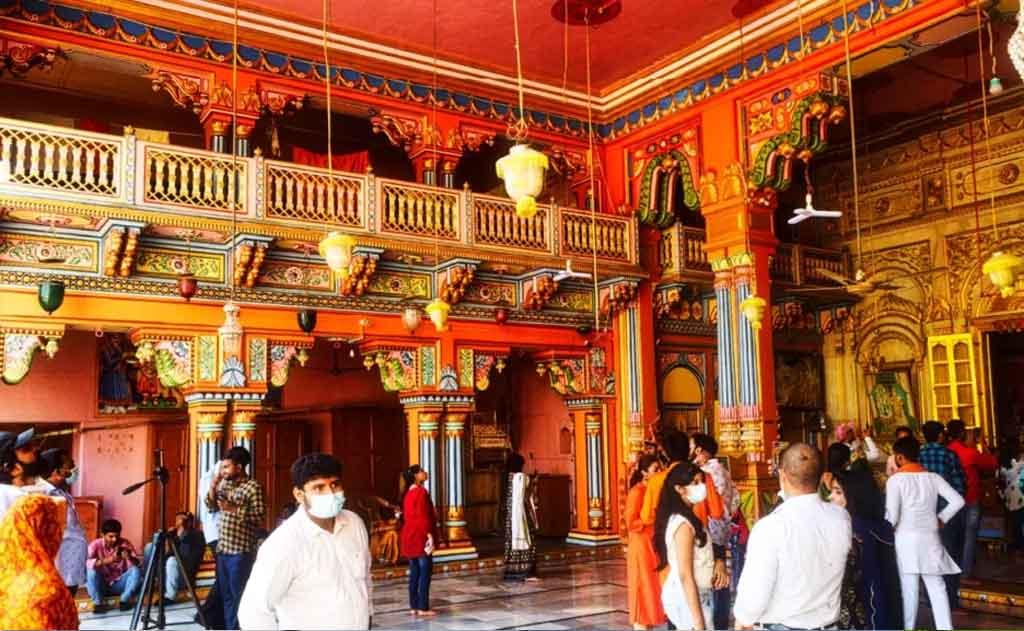
The entrance to Dashrath Mahal is strikingly majestic, with visitors greeted by ornate archways, brightly coloured glass windows, and intricately carved wooden doors. These features echo the opulence of Awadhi palaces, immediately creating a sense of stepping into a royal court.
Resembling ancient buildings, Dashrath Mahal begins from a giant door, offering a grand entry to the devotees. The beautifully decorated entrance features fine paintings that captivate visitors from their first glimpse of the palace.
Interior Layout
At the heart of the palace lie large open courtyards, surrounded by pillared verandas and airy passageways. These courtyards serve as central gathering areas for devotees, particularly during grand festivals when bhajans and aartis fill the air with devotional energy.
Following the gate is a large veranda that opens to the inner sanctum, where you will find idols of Ramayana’s Epic, such as Lord Rama, Lakshman, and Goddess Sita. The brilliant use of vibrant colors throughout the palace creates a visually engaging experience that holds visitors’ attention.
Artistic Elements
The palace was traditionally built with high ceilings, ornate columns, and intricately designed courtyards. Historical descriptions mention the use of sandstone and marble in its construction, highlighting the exceptional craftsmanship of ancient Indian artisans.
Brightly painted murals, delicate arches, and fine latticework (jali designs) showcase the elegance of traditional Awadhi artistry. The walls often depict motifs from the Ramayana, transforming the palace into an immersive storytelling experience.
Sacred Shrines and Deities
The Bhavan comprises a shrine with Shri Ram, Devi Sita and Laxman’s idols. Within the premises, visitors encounter beautifully decorated idols representing the complete royal family, including King Dashrath and his queens, along with all four brothers – Rama, Lakshmana, Bharata, and Shatrughna.
In current times, you can find saints and devotees dressed in saffron robes who sing and recite the lines and chaupaiyas from Ramayana and many other scriptures. The atmosphere resonates with continuous chanting of “Jai Shri Ram” and devotional hymns, creating a deeply spiritual environment.
Visitor Information
Location and Accessibility
It is situated in the middle of Ayodhya in the Faizabad district of Uttar Pradesh and is largely accessible through the convenient network of roads within the city. The palace is centrally located, making it easy to visit along with other major Ayodhya attractions.
Address: Q5WX+JXH, Chowk Ayodhya Rd, Tulsi Nagar, Ayodhya, Uttar Pradesh 224123
Distance from Key Locations:
- Hanuman Garhi: 100 meters (walking distance)
- Ram Janmabhoomi: 1.2 kilometers
- Kanak Bhavan: 300 meters
Opening Hours
Dashrath Mahal is open to visitors from 8:00 am to 12:00 pm and from 4:00 pm to 10:00 pm. The palace closes during afternoon hours, though visitors may be able to access the portico area during this time.
Aarti Timings
Aarti at Dashrath Mahal happens between 6:00 am and 7:00 am, and again between 9:00 pm and 10:00 pm. Attending the aarti provides an especially powerful spiritual experience with heightened devotional energy.
Entry Fee
Entry to Dashrath Mahal is completely free for all visitors. Donation boxes are available for those wishing to contribute to the temple’s maintenance and activities.
Festivals and Celebrations
The mahal comes alive in various festivals like Ram Vivah, Shravan Mela, Karthik Mela, Ram Navami and Diwali. During these occasions, the palace transforms with special decorations, devotional programs, and grand celebrations that attract thousands of devotees.
Ram Navami
Ram Navami, celebrating Lord Rama’s birth, brings exceptional vibrancy to Dashrath Mahal. The entire palace resonates with special prayers, kirtans, and celebratory activities that continue throughout the day.
Diwali Celebrations
During Diwali, the festival of lights associated with Lord Rama’s return to Ayodhya, the palace illuminates magnificently. The combination of traditional oil lamps and modern lighting creates a mesmerizing atmosphere.
Spiritual Experience
Visiting Dashrath Mahal offers more than just sightseeing – it provides a profound spiritual journey. The continuous recitation of Ramayana verses, melodious bhajans sung by saffron-clad monks, and the devotional atmosphere create an environment where mythology and spirituality merge.
Many visitors report feeling a deep sense of peace and connection to the divine stories they’ve heard since childhood. The palace serves as a physical anchor for the beloved tales of Lord Rama’s righteousness, duty, and devotion.
Nearby Attractions
Hanuman Garhi
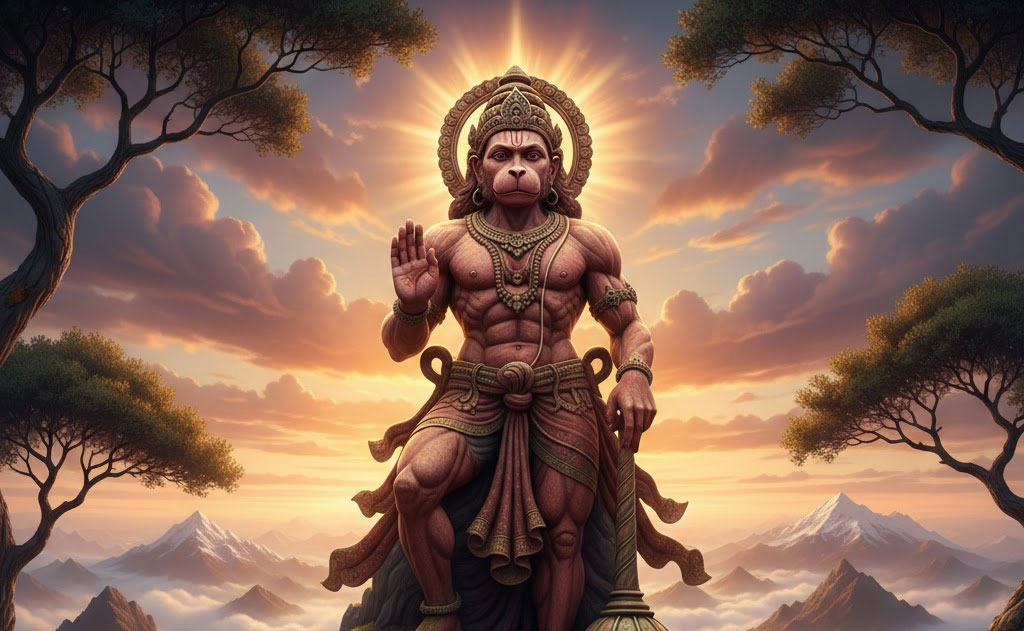
Located just 100 meters from Dashrath Mahal, Hanuman Garhi is dedicated to Lord Hanuman and features a giant 12 ft statue of Hanuman. The temple sits at an elevated position, accessible via 74 stairs, and holds significance as a site devotees traditionally visit before Ram Janmabhoomi.
Ram Janmabhoomi
The newly constructed Ram Mandir at Ram Janmabhoomi is approximately 1.2 kilometers from Dashrath Mahal. This is the most sacred site in Ayodhya, marking the birthplace of Lord Rama.
Kanak Bhavan
Situated 300 meters from Dashrath Mahal, Kanak Bhavan (also known as Sone Ka Ghar) was gifted to Lord Rama and Goddess Sita by Kaikeyi. It served as their private residence and features beautiful golden ornaments and decorations.
Sita Ki Rasoi
Located near Kanak Bhavan, Sita Ki Rasoi is believed to be the kitchen where Goddess Sita prepared meals. It offers insights into the domestic life depicted in the Ramayana.
Saryu River Ghats
Sarayu River is a place in Ayodhya where you will find some of the most famous ghats and temples. Taking a holy dip in the Saryu River and witnessing the evening aarti along the ghats completes the Ayodhya pilgrimage experience.
Tulsi Udyan
Tulsi Udyan is a scenic garden set up as a memorial to the great saint Tulsi Das, a true devotee of Lord Hanuman and the curator of the epic ‘Ramcharitmanas’. Earlier known as Victoria Park, it was renamed in 1960 and offers a peaceful retreat for visitors.
Shopping and Dining
Shopping Opportunities
Close to the Dashrath Mahal, you will find a variety of shopping centres and stores that sell great souvenirs and merchandise. From religious items and idols to traditional handicrafts, the nearby markets offer diverse shopping experiences themed around Ayodhya’s spiritual heritage.
Local Cuisine
A nearby restaurant serves decadent food that will immediately end all your cravings after a long day of sightseeing. Makan Malai is a particularly well-reviewed restaurant near Dashrath Mahal, offering authentic local flavors and traditional dishes.
Tips for Visitors
Best Time to Visit
Morning Visit (6:00 AM – 8:00 AM): Arrive early to experience the morning aarti and avoid crowds. The peaceful atmosphere during early hours allows for better meditation and contemplation.
Festival Periods: While festivals bring extraordinary vibrancy and special celebrations, expect larger crowds. If you seek the full festive experience, plan your visit during Ram Navami, Diwali, or other major celebrations.
Recommended Itinerary
For efficient exploration of Ayodhya’s sacred sites, follow this sequence:
- Ram Janmabhoomi (Ram Mandir)
- Hanuman Garhi
- Dashrath Mahal
- Kanak Bhavan
- Sita Ki Rasoi
This route minimizes backtracking and allows you to cover all major sites within a day.
What to Expect
Duration: Plan to spend approximately one hour exploring Dashrath Mahal to fully appreciate its architecture, attend darshan, and absorb the spiritual atmosphere.
Dress Code: Modest clothing is expected as with all religious sites. Comfortable walking shoes are recommended given the walking distances between attractions.
Photography: Photography is generally allowed in courtyards and outer areas. Inside the sanctum or during rituals, restrictions may apply – always ask permission before photographing.
Practical Considerations
Maintenance: While the palace holds immense historical and spiritual significance, some visitors note that maintenance could be improved. Certain areas may appear in need of repair or cleaning.
Crowds: Expect crowds, especially during morning and evening darshan times and festivals. Visiting during mid-morning or late afternoon weekdays may offer a quieter experience.
Facilities: Basic facilities are available, but plan accordingly. Carry water, especially during summer months when Ayodhya can be quite hot.
How to Reach Ayodhya
By Air
The nearest airport is Ayodhya Airport (also serving Faizabad), which has improved connectivity with major Indian cities. Alternatively, Lucknow’s Chaudhary Charan Singh International Airport is approximately 135 kilometers away.
By Train
Ayodhya Dham Junction Railway Station (formerly Ayodhya Junction) has excellent connectivity with major cities across India. The station has been upgraded to handle the increasing number of pilgrims visiting the sacred city.
By Road
Ayodhya is well-connected through highways to major cities in Uttar Pradesh and neighboring states. State-run buses, private coaches, and taxis are readily available from cities like Lucknow, Varanasi, and Prayagraj.
Cultural and Religious Importance
Dasharath Mahal is not just a historical monument but also a cultural and spiritual symbol for many. As the birthplace of Lord Rama’s story, the palace represents fundamental values in Hindu philosophy – righteousness (dharma), duty (kartavya), and devotion (bhakti).
The palace serves as more than a tourist destination; it functions as a living connection between ancient mythology and contemporary faith. Pilgrims visiting Ayodhya often consider Dashrath Mahal essential for understanding the complete narrative of Lord Rama’s life, from his royal upbringing to his exemplary character development.
Conservation Efforts
In recent years, there has been a growing interest in preserving and restoring Dasharath Mahal. Archaeologists and historians are working tirelessly to uncover and protect the remnants of this historic site.
These restoration projects aim to make Dashrath Mahal accessible to the public while maintaining the palace’s integrity. Through careful conservation, authorities seek to provide educational opportunities for future generations while preserving the site’s spiritual essence.
Visitor Reviews and Experiences
Visitors consistently praise Dashrath Mahal for its spiritual atmosphere and historical significance. Many reviewers highlight the devotional energy created by monks singing bhajans and reciting mantras. The colorful walls, intricate paintings, and overall ambiance receive frequent appreciation.
Some visitors describe experiencing a supernatural or divine presence during their visit, with the combination of devotional music, architectural beauty, and mythological associations creating a powerful emotional and spiritual impact.
Conclusion
Dashrath Mahal stands as a beautiful convergence of history, mythology, architecture, and spirituality. Even though the mahal is much smaller than its real structure where King Dasrath originally may have lived, Dashrath Mahal Ayodhya still attracts large crowds of tourists and devotees who come here to witness the spot where their beloved Rama was born and lived his childhood.
For devotees, history enthusiasts, and cultural explorers alike, Dashrath Mahal offers an irreplaceable opportunity to walk through the spaces where Lord Rama spent his formative years. The palace reminds visitors of India’s rich heritage and the enduring power of stories that have shaped the nation’s cultural and spiritual identity for millennia.
Whether you seek spiritual solace, historical knowledge, or architectural appreciation, Dashrath Mahal welcomes all with its colorful walls, sacred shrines, and atmosphere resonating with devotional energy. A visit here is not merely about seeing a monument – it’s about experiencing a living tradition that continues to inspire millions across the world.
Jai Shri Ram!
Plan your visit to Dashrath Mahal and immerse yourself in the divine legacy of Lord Rama’s childhood palace. For more information about Ayodhya’s sacred sites and Hindu pilgrimage destinations, explore our comprehensive guides at HinduTone.com.
Related posts:
 Connecting with Nature: The Spiritual Significance of Sacred Rivers and Mountains
 Skanda in the Upanishads: The Forgotten Guru of Wisdom
 Aadi Amavasya 2025: Honoring Ancestors with Sacred Rituals
 Sravana Somavaram: Why Mondays in Shravan Are Special for Shiva Bhakts
 The Divine Significance of Janmashtami: Celebrating Lord Krishna’s Sacred Birth
 Scientists Say Prayer Changes Your Brain: Bridging Faith and Neuroscience



 ︎
︎

