The Sacred Symbols of Tilak: A Devotional Story I Hindutone
Welcome to www.hindutone.com, your sacred sanctuary for exploring the profound traditions of Sanatana Dharma.
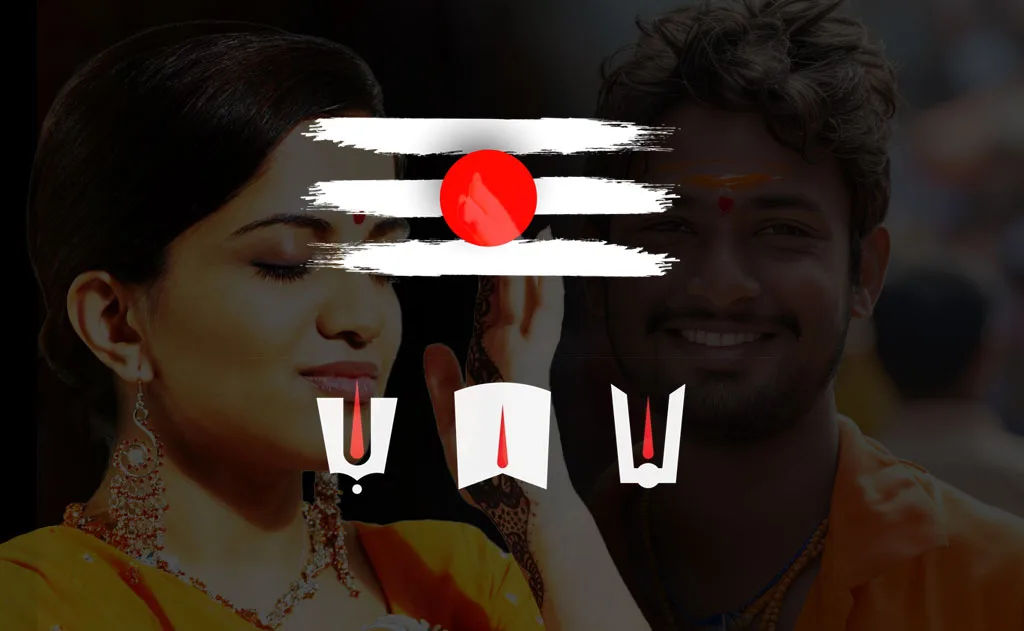
Welcome to www.hindutone.com, your sacred sanctuary for exploring the profound traditions of Sanatana Dharma. Today, we unravel the divine significance of the Tilak, a sacred mark worn on the forehead by devotees, symbolizing faith, lineage, and spiritual identity. Rooted in ancient scriptures and rich with symbolic meaning, the Tilak is more than a cosmetic mark—it is a declaration of devotion and a connection to the divine. Let us journey through a devotional story that illuminates the origins and spiritual essence of the Vaishnava and Shaiva Tilak traditions.
The Divine Origins of the Tilak
The practice of applying a Tilak dates back to Vedic times, where it was used to honor the gods and mark the forehead—the seat of the Ajna Chakra or third eye—as a point of spiritual awakening. Made from sacred substances like sandalwood paste, vermilion, ash, or clay, the Tilak varies across Hindu sects, each design carrying a unique story and philosophy. The two primary traditions—Vaishnavism (worship of Vishnu) and Shaivism (worship of Shiva)—are distinguished by their distinct Tilak patterns, reflecting their spiritual ideologies and devotion.
To understand the deeper meaning behind these sacred symbols, let us delve into the story of Prahlad, whose unyielding faith in Lord Vishnu gave rise to one of the most revered Tilak traditions.
The Story of Prahlad and the Birth of the Vaishnava Tilak
In a time when the demon king Hiranyakashipu ruled with arrogance, having secured a boon from Lord Brahma that made him nearly invincible, he demanded worship as the supreme deity. His young son, Prahlad, however, was a devout follower of Lord Vishnu. Despite his father’s threats and torments, Prahlad’s faith remained unshaken. When Hiranyakashipu challenged Prahlad, asking if Vishnu was present in a pillar, the boy affirmed with innocent certainty, “Yes, He is everywhere.”
Enraged, Hiranyakashipu struck the pillar, and from it emerged Lord Vishnu as Narasimha, the half-man, half-lion avatar. At twilight, on the threshold of a courtyard, Narasimha defeated Hiranyakashipu with his claws—circumstances outside the boon’s protection—restoring dharma and protecting Prahlad’s devotion. After this divine intervention, Prahlad’s followers began marking their foreheads with a U-shaped Tilak made of sacred Gopi Chandan clay, symbolizing the footprints of Lord Vishnu and the red dot representing His divine grace or Lakshmi, His consort. This practice evolved into the various Vaishnava Tilak styles, each reflecting a unique sampradaya (tradition).
- Gaudiya Tilak: Featuring two vertical lines with a leaf-like curve, it symbolizes the feet of Lord Krishna and the Tulsi leaf, a mark of the ISKCON tradition.
- Ramanuja Tilak: A wide ‘U’ with a red central line, representing the unity of Lakshmi-Narayana, followed by Sri Vaishnavas.
- Nimbarka Tilak: Narrow ‘U’ lines with a red dot, signifying Radha-Krishna devotion.
- Madhva Tilak: A black vertical line with a red dot, reflecting the Dvaita philosophy of dualism and devotion to Vishnu.
These Tilaks became a badge of faith, a reminder of Prahlad’s triumph and the protective presence of Vishnu.
The Shaiva Tilak: A Symbol of Renunciation
Parallel to the Vaishnava tradition, the Shaiva Tilak, known as Tripundra, emerged from the devotees of Lord Shiva. The story of Markandeya, a young boy blessed with devotion to Shiva, illustrates its origin. Marked for death by Yama, the god of death, at the tender age of 16, Markandeya clung to a Shiva Linga, praying fervently. Pleased with his devotion, Lord Shiva appeared and defeated Yama, granting Markandeya immortality.
In gratitude, Shiva’s followers began marking their foreheads with three horizontal lines of vibhuti (sacred ash), symbolizing the burning of ego, the purification of body, speech, and mind, and the transcendence of the three gunas (Sattva, Rajas, Tamas). The central red dot, or bindu, represents Shakti, the divine energy, and spiritual awakening. This Tripundra Tilak became a mark of renunciation and detachment, worn proudly by Shaiva sadhus and yogis as a testament to Shiva’s grace.
The Spiritual Significance of Tilak
The Ajna Chakra: Gateway to Intuition
The forehead, where the Tilak is applied, is the location of the Ajna Chakra, the third eye associated with intuition and spiritual vision. By marking this point, devotees activate their inner wisdom, aligning their minds with divine consciousness. The Tilak serves as a constant reminder that the true self transcends the physical body, connecting the soul to the eternal.
Symbolism of Shape and Color
- Vaishnava Tilaks, with their vertical lines, point upward toward Vaikuntha, the abode of Vishnu, symbolizing aspiration and devotion.
- Shaiva Tripundra, with horizontal lines, signifies detachment and the ashes of worldly illusions, reflecting Shiva’s ascetic nature.
- The red dot or line in both traditions represents life force, divine energy, or the presence of the divine consort (Lakshmi or Shakti), infusing the mark with vitality.
A Mark of Identity and Philosophy
Each Tilak carries the essence of its darshan (philosophical viewpoint):
- Ramanuja: Vishishtadvaita (Qualified Non-Dualism)
- Madhva: Dvaita (Dualism)
- Nimbarka: Dualistic Non-Dualism
- Gaudiya: Achintya Bheda-Abheda (Inconceivable Oneness-Difference)
- Shaiva: Advaita (Non-Dualism and Renunciation)
Wearing a Tilak is thus a public declaration of one’s spiritual lineage and inner belief, a practice that has endured through centuries.
The Living Tradition of Tilak
Even today, the Tilak remains a vibrant part of Hindu worship. ISKCON devotees worldwide wear the Gaudiya Tilak, Shaiva sadhus in Kashi and Kedarnath bear the Tripundra with pride, and Sri Vaishnavas in South India uphold the Ramanuja Tilak. Children are initiated into this tradition with kumkum or bhasma, ensuring the continuity of this sacred practice. Temples across the globe adorn deity idols with specific Tilaks—Urdhva Pundra for Vishnu, Tripundra for Shiva, and kumkum bindu for Devi—infusing divine energy into the symbols.
Conclusion: Embrace the Sacred Mark
The Tilak is a bridge between the mortal and the divine, a story etched on the forehead of every devotee. From Prahlad’s faith to Markandeya’s devotion, these sacred symbols remind us of the power of surrender and the presence of the divine in every moment. At www.hindutone.com, we invite you to explore more such stories and embrace the rich tapestry of Sanatana Dharma. Apply your Tilak with mindfulness, and let it guide you on your spiritual journey.
Also read: types of tilak.
Frequently Asked Questions
Why do Hindus wear a Tilak on the forehead?
The Tilak marks the forehead, the seat of the Ajna Chakra or third eye, and symbolizes faith, lineage and spiritual identity. It is a reminder that the true self transcends the physical body.
What is the difference between a Vaishnava and a Shaiva Tilak?
Vaishnava Tilaks use vertical lines pointing up toward Vaikuntha, while the Shaiva Tripundra uses three horizontal lines of vibhuti. The first honors Vishnu and the second Shiva.
What materials are used to make a Tilak?
Tilak is made from sandalwood paste, vermilion, ash or clay. Vaishnavas use Gopi Chandan clay, while Shaiva devotees use vibhuti, or sacred ash.
What do the three lines of the Tripundra Tilak represent?
They symbolize the burning of ego, the purification of body, speech and mind, and transcendence of the three gunas: Sattva, Rajas and Tamas. The red bindu in the center represents Shakti.
What is the story behind the Vaishnava Tilak?
As commonly told, after Narasimha defeated Hiranyakashipu and protected Prahlad, Prahlad's followers began wearing a U-shaped Gopi Chandan Tilak. It symbolizes the footprints of Vishnu, and the red dot represents Lakshmi.
What are the main Vaishnava Tilak styles?
The Gaudiya, Ramanuja, Nimbarka and Madhva Tilaks each reflect a sampradaya. The Ramanuja Tilak, for example, is a wide U with a red central line followed by Sri Vaishnavas.
Share this with family and friends
Send it on WhatsApp, post it, or copy the link.
More from Spirituality
- Chilkur Balaji 'Visa Balaji' Temple: The 11 and 108 Pradakshina Custom Explained for NRIs
- Ekagrata (One-Pointedness): Yoga Concentration and Samyama Glossary
- Complete MBBS Once in Life: The Spiritual Meaning of Mahabharata, Bhagavatam, Bhagavad Gita & Ramayana
- Sri Medha Dakshinamurthy Swami Dhyanam | Meditation Sloka for Intelligence, Eloquence & Self-Realization
- What Is True Poverty? | Dharma Is the Greatest Wealth | Sanatana Dharma
You might also like
Nada Brahman — The Universe as Sacred Sound | Complete Guide & Devotional Stories
Sacred Hindu Numbers: The Complete Story of 108 and Its Divine Significance
Shukravar — The Sacred Friday: Complete Guide to Rituals, Lakshmi Puja, Santoshi Mata Worship & Fasting for Hindus in India and Across the World