



Hindus in Kenya Gear Up for Diwali Celebrations (October 17–20, 2025): A Tapestry of Light and Legacy

Date: October 14, 2025
As the golden hues of autumn embrace Kenya’s savannas, the nation’s vibrant Hindu community—over 100,000 strong—prepares to illuminate the Festival of Lights from October 17 to 20, 2025. Diwali, symbolizing the triumph of good over evil, light over darkness, and knowledge over ignorance, heralds the Hindu New Year (Vikram Samvat 2082) with homes, temples, and hearts aglow. Temples will resonate with fervent prayers, families will savor lavish feasts of laddoos and samosas, and fireworks will dance across approved skies at hotels, sports grounds, and community venues, all adhering to the Kenyan government’s safety guidelines for a joyous, hazard-free celebration.
This radiant festival underscores the resilience of Kenya’s Hindu diaspora, a community intricately woven into East Africa’s history through ancient trade winds and colonial railways. Amid global festivities, Kenya’s Diwali fosters profound cultural unity, embodying the festival’s universal message: in sharing light, we dispel shadows. The Ministry of Mining, Blue Economy, and Maritime Affairs has extended warm wishes, urging compliance with the Explosives Act for fireworks displays between 7 PM and 11 PM, prioritizing safety as the cornerstone of this sacred jubilation.
For devotees and cultural enthusiasts, Hindutone.com unveils the complete devotional saga of Hinduism in Kenya—a narrative of ancient mariners, resilient pilgrims, and luminous temples that have illuminated the Swahili coast for millennia. Rooted in the timeless epics of Rama and Lakshmi, this legacy finds vibrant expression in Kenya’s Diwali spirit, where African rhythms harmonize with Vedic chants in a symphony of devotion.
The Eternal Flame: Ancient Roots of Hinduism on Kenyan Shores
The sacred thread of Hinduism in Kenya traces back to the Indian Ocean’s whispers in the first millennium AD, when dhows from Gujarat, Marwar, Odisha, and the Chola Empire dotted the Swahili coast. These merchants carried not only spices and silks but the profound wisdom of the Vedas. Archaeological treasures from Zanzibar, Mombasa’s coral shores, and ancient ports reveal early Hindu settlements—Ganesha idols unearthed beside trade beads, Sanskrit-inscribed pottery mingling with African clay. Linguistic echoes linger in Swahili, with words like tembea (wander, from Sanskrit trambay) and bahari (sea, akin to samudra), testifying to this spiritual osmosis.
In these sunlit harbors, Hinduism flourished as a beacon of dharma. Legend tells of Chola navigators invoking Lakshmi’s grace for safe voyages, lighting diyas on moonless nights to honor Varuna, the ocean lord. Modest shrines dotted the coastline, where traders offered pujas with conch shells and marigolds, forging bonds that transcended borders. This ancient yatra (journey) sowed seeds of bhakti, blending Indian rituals with African hospitality, laying the foundation for a faith that would endure through centuries of tempests and tides.
The Railway of Dharma: Colonial Trials and the Birth of a Diaspora
The 19th century marked a pivotal chapter, as British colonial ambitions summoned 32,000 Indian laborers—mostly Punjabi Sikhs, Gujarati Hindus, and Tamil devotees—to build the Uganda-Kenya Railway from Mombasa to Kisumu (1896–1901). Facing man-eating lions in Tsavo and the equatorial sun’s unrelenting blaze, these coolies carried the Ramayana’s resolve and the Bhagavad Gita’s equanimity alongside their tools. Many perished, their spirits invoked in evening aartis under starlit skies, but survivors etched their devotion into Kenya’s red earth, erecting the first formal temples as sanctuaries of faith.
Push factors like poverty and religious strife in India met pull factors of opportunity in Kenya—fertile highlands, bustling ports, and a relatively tolerant colonial gaze. Post-railway, thousands transitioned from laborers to traders, clerks, and entrepreneurs, with Nairobi emerging as a spiritual hub. By the 1930s, the Arya Samaj, founded by Swami Dayanand Saraswati in 1875, established branches in Mombasa, Kisumu, Nakuru, and Eldoret, kindling havan (fire rituals) to dispel ignorance, echoing Rama’s triumph over Ravana.
The 1960s’ post-independence upheavals, including expulsions under President Jomo Kenyatta, tested the community, evoking the Pandavas’ exile. Yet, those who remained rebuilt with Krishna’s steadfast faith, forming the Hindu Council of Kenya in the 1970s. Through selfless seva, they secured Hinduism’s recognition as one of Africa’s three officially honored faiths—a triumph of ahimsa (non-violence) over adversity.
Sanctuaries of Bhakti: Kenya’s Temples as Pillars of Devotion
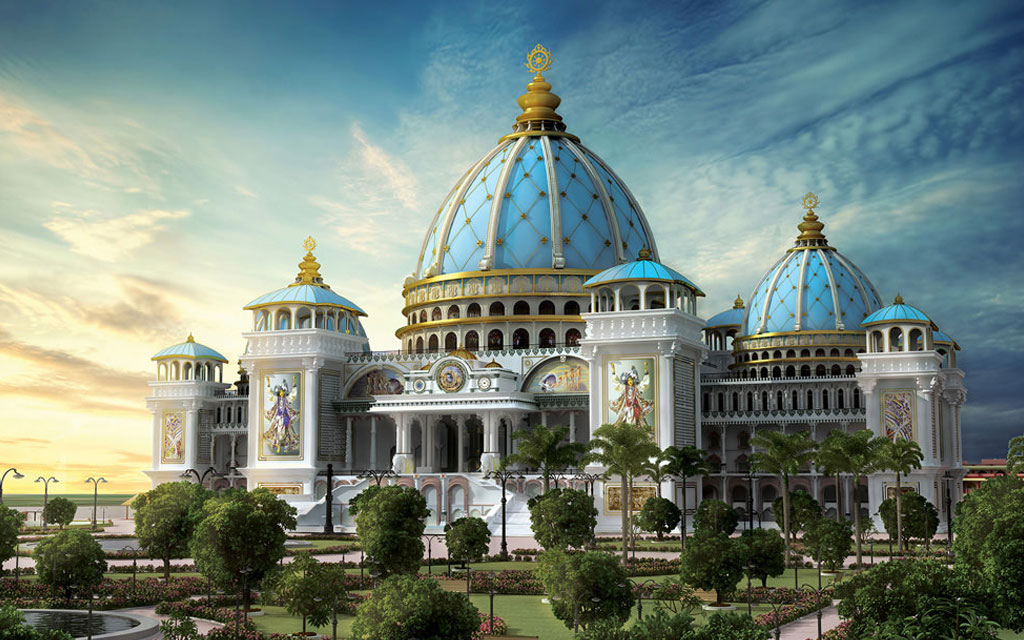
Today, over 15 temples grace Kenya’s landscape, each a vibrant mandir radiating the guru parampara’s grace. In Nairobi, the BAPS Shri Swaminarayan Mandir, established in the early 1900s by Gujarati pioneers, stands as a marble-clad haven, its intricately carved doors depicting Bhagwan Swaminarayan’s lilas (divine acts). Daily darshan of Akshar-Purushottam draws devotees for thalis (offerings) and kirtans, while the EASS Temple (East Africa Swaminarayan Satsang) hosts grand Janmashtami processions, reenacting Krishna’s birth with exuberance.
Mombasa’s Shri Ram Mandir at the Hindu Union, one of the oldest (circa 1900s), features vibrant murals of Rama’s exile, its archway a portal to Ayodhya’s valor. During monsoons, fishermen invoke Varuna alongside Lakshmi, blending coastal lore with Vedic hymns. In Kericho, the Radha-Krishna Mandir pulses with bhajans, its courtyard alive with garba circles during Navratri, honoring the divine couple’s rasa lila. Oshwal Jains’ temples in Nakuru add Jain nuances, celebrating Mahavira’s nirvana on Diwali with meditative serenity.
These sanctuaries, adorned with northern Indian shikharas piercing the equatorial sky, serve as community hearths. The Pushtimarg Vaishnav Sangh and Brahma Kumaris infuse Vaishnava ecstasy and meditative wisdom, while ISKCON’s food relief echoes Krishna’s annakut. With over 53,000 adherents (per 2009 census, now estimated at 100,000), Kenya’s Hindu tapestry weaves Punjabi vigor, Gujarati enterprise, and Tamil piety into a vibrant satsang (holy community).
Diwali in the Land of the Rising Sun: A Kenyan Symphony of Lights
As October 17 dawns, Kenya’s Diwali unfolds like the Ramayana’s triumphant crescendo:
- Dhanteras (October 17)
- Highlights: Lakshmi’s invocation for prosperity begins with homes scrubbed clean, symbolizing the dissolution of ego. Families shop for gold, utensils, and festive goods, echoing ancient Bali’s bustling markets.
- Tip: Visit Nairobi’s Westlands or Mombasa’s Biashara Street for vibrant bazaars.
- Chhoti Diwali (October 19)
- Highlights: Commemorating Krishna’s victory over Narakasura, families take dawn oil baths for spiritual purification, preparing for the grand vigil.
- Tip: Use sesame oil for traditional baths, a nod to Ayurvedic cleansing.
- Lakshmi Puja (October 20)
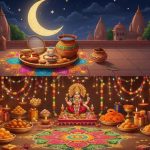
- Highlights: On Amavasya’s velvet night, temples chant Lakshmi Suktam amid rangoli mandalas crafted from rice flour and petals. Diya constellations flicker like stars, and sweets abound—ladoos for Ganesha’s blessings, jalebi spirals for life’s sweetness. Licensed fireworks illuminate KICC grounds and Mombasa’s sports fields, blending dhol rhythms with African drums.
- Tip: Secure fireworks permits early and adhere to the 7 PM–11 PM window.
- Govardhan Puja (October 21)
- Highlights: Recalling Krishna lifting Govardhan Hill, annakut feasts feature 56+ vegetarian delicacies offered in gratitude, shared as prasad to unite faiths.
- Tip: Join temple feasts for communal bonding.
- Bhai Dooj (October 22)
- Highlights: Sibling bonds are sealed with tikka rites, echoing Yama-Yamuna’s lore, with prayers for longevity and love.
- Tip: Gift traditional sweets to strengthen family ties.
Seva shines throughout, with donations to orphans and flood victims embodying Diwali’s ethos of shared light. Kenya’s optional holiday status and past State House receptions by President Ruto in ethnic attire reflect national pluralism. Eco-diyas and green crackers honor Prithvi Mata (Mother Earth), blending tradition with sustainability.
A Legacy Ablaze: Diwali’s Promise for Kenya’s Hindus
Kenya’s Hindus, descendants of ocean-crossers and rail-blazers, embody Diwali’s essence: Rama’s resilience and Lakshmi’s grace. Their journey—from ancient coasts to modern mandirs—illuminates Africa’s plural heart, fostering unity in diversity. As fireworks fade on October 20, 2025, the true light endures in hearts, heralding Vikram Samvat 2082 with hope’s eternal flame.
Hindutone.com joins Kenya’s Hindus in radiant celebration—may Diwali’s luminescence dispel all shadows, filling lives with ananda (bliss). For more stories of global Hindu devotion, explore our site. Shubh Deepavali! Jai Shri Ram!
Related posts:
 Diwali 2025 – Significance, History & 5-Day Celebration of the Festival of Lights
 Regional Diwali Traditions: How Different States of India Celebrate the Festival of Lights
 DIWALI 2025: THE COMPLETE 5-DAY FESTIVAL GUIDE
 Dhanteras 2025: Powerful Mantras for Wealth, Gold & Prosperity
 Diwali & Goddess Lakshmi: How to Invite Shree into Your Home
 Diwali 2025 Crackers Guidelines: Hyderabad and Telugu States



 ︎
︎

