



Lighting Diyas in Karthika Masam: Bringing Indian Traditions to Your US Home
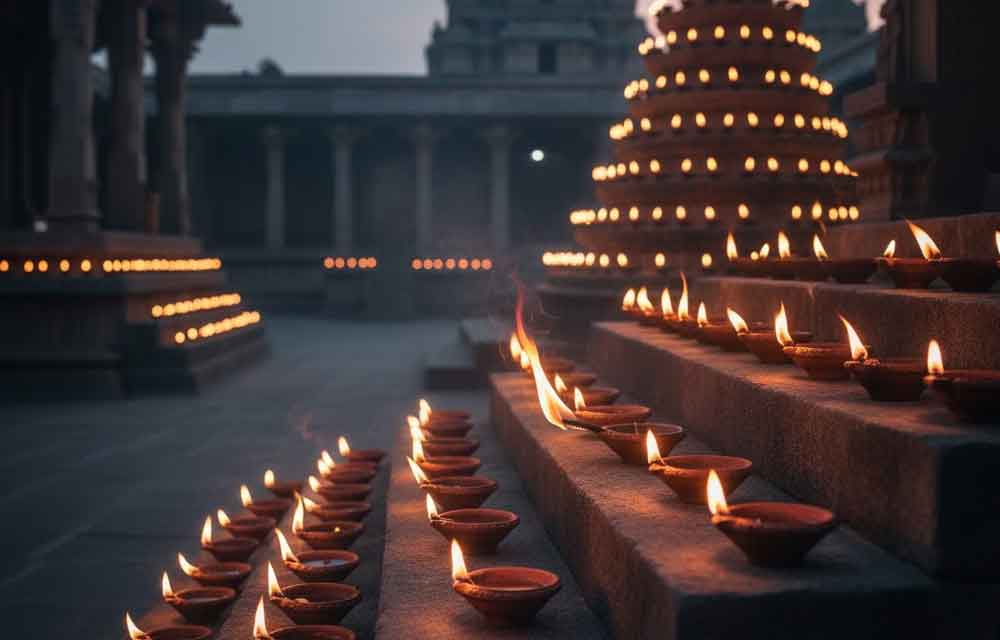
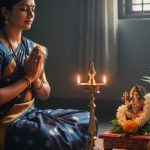
The gentle flicker of a diya flame carries more than just light—it brings the warmth of home, the comfort of tradition, and a connection to centuries of spiritual wisdom. For NRIs in the United States, Karthika Masam offers a beautiful opportunity to infuse your American home with the sacred glow of Indian heritage.
Understanding Karthika Masam: A Month of Light and Devotion
Karthika Masam, typically falling between October and November, is considered one of the most auspicious months in the Hindu lunar calendar. According to tradition, lighting lamps during this period—especially at dawn and dusk—invites divine blessings, removes darkness from our lives, and brings prosperity to the household.
The practice of Deepa Danam (lamp donation or offering) during Karthika month is believed to be particularly meritorious. Ancient texts suggest that lighting even a single lamp with devotion during this month yields immense spiritual benefits.
Creating Your Sacred Space: The American-Indian Home Altar
Living thousands of miles from India doesn’t mean compromising on spiritual practices. Here’s how to establish a meaningful pooja room or altar space in your US home:
Choosing Your Space
You don’t need a separate room—a quiet corner, a shelf, or even a designated cabinet can serve as your sacred space. Many NRIs successfully maintain altars in:
- A corner of the master bedroom
- A converted closet space with proper ventilation
- A dedicated shelf in the living room
- A small table near a window for natural light
Essential Elements for Your Karthika Altar
The Foundation:
- A clean wooden platform or marble slab
- Traditional brass or copper oil lamps (diyas)
- Images or small murtis of your chosen deities
- A small bell and incense holder
For Lighting:
- Traditional cotton wicks (readily available on Amazon or Indian grocery stores)
- Sesame oil (til oil) or ghee—both considered highly auspicious
- A matchbox or lighter kept exclusively for ritual purposes
Decorative Touches:
- Fresh flowers (even grocery store flowers work beautifully)
- Rangoli stencils for easy designs
- LED string lights for ambient illumination
- Small brass vessels for offering water and prasad
The Daily Karthika Ritual: A Step-by-Step Guide
Morning Deepa Danam
Timing: Ideally during Brahma Muhurta (approximately 4:30-6:00 AM), but any morning time works for your schedule.
The Process:
- Purification: Clean your pooja area and take a shower if possible. Wash your hands and feet at minimum.
- Preparation: Fill your diya with sesame oil or ghee, ensuring the cotton wick is properly soaked.
- Invocation: Light the lamp while chanting or mentally reciting:
- “Om Deepajyothi Parabrahma, Deepasarva Tamopahah”
- (Translation: “The light of the lamp is the Supreme Brahman; the lamp removes all darkness”)
- Offering: Place the lit lamp before your deity, offering flowers, incense, and prayers.
- Meditation: Spend 5-10 minutes in quiet contemplation or prayer.
Evening Sandhya Deepam
The evening lamp holds special significance, marking the transition from day to night. This is often the more elaborate of the two daily lightings:
Enhanced Evening Ritual:
- Light multiple lamps (traditionally 5, 11, or 21)
- Perform aarti with camphor
- Sing devotional songs or play spiritual music
- Involve family members, making it a collective practice
Adapting Traditions: Making It Work in American Life
For Busy Professionals
Time-Saving Approaches:
- Use pre-made cotton wicks
- Maintain a weekly flower subscription from local stores
- Set up a timer for spiritual music to create atmosphere
- Keep weekend mornings for more elaborate rituals
Safety Considerations:
- Always place diyas on non-flammable surfaces
- Use stable, wide-based lamps that won’t tip over
- Never leave burning lamps unattended
- Keep fire extinguisher accessible
- Consider flameless LED diyas for areas requiring extra caution
For Families with Children
Transform Karthika observance into a teaching moment:
Age-Appropriate Activities:
- Let older children prepare wicks and fill lamps (supervised)
- Teach younger ones simple prayers and their meanings
- Create a “light journal” documenting daily lamp lighting
- Make homemade diyas with clay (available at craft stores)
- Draw rangoli designs together using stencils
Building Understanding:
- Explain the symbolism: light represents knowledge, darkness represents ignorance
- Share stories from Puranas about the significance of lamps
- Connect traditions to American values of gratitude and mindfulness
Sourcing Materials: Where to Find Everything
Physical Stores
- Indian Grocery Stores: Essential oils, wicks, incense, brass lamps
- Whole Foods/Trader Joe’s: Flowers, organic ghee
- Michael’s/Hobby Lobby: Craft supplies for DIY decorations
- Home Depot/Lowe’s: Flameless candles, decorative shelving
Online Resources
- Amazon: Complete pooja items, authentic brass lamps
- Sthapati.com, Purepooja.com: Traditional ritual supplies
- Etsy: Handcrafted artisanal diyas and altar decorations
Beyond Your Home: Spreading the Light
Community Connections
Karthika Masam presents opportunities to build spiritual communities:
Temple Participation:
- Many American temples organize special Karthika programs
- Volunteer for community lamp lighting ceremonies
- Participate in group bhajans and kirtans
Creating Circles:
- Host weekly Karthika gatherings with other NRI families
- Organize virtual prayer sessions connecting across time zones
- Start a neighborhood cultural exchange where you share traditions
Charitable Deepa Danam
The true spirit of Deepa Danam includes sharing light with others:
- Donate to temple lamp oil funds
- Sponsor lighting of lamps at sacred places in India through online platforms
- Support organizations providing solar lamps to villages
- Share your surplus pooja supplies with new immigrants
Decorating Your Space: Blending East and West
Aesthetic Considerations
Your pooja area can be both authentically Indian and harmonious with American home décor:
Traditional Elements:
- Brass lamps and vessels
- Silk fabrics in rich jewel tones
- Sandalwood incense holders
- Traditional kolam/rangoli patterns
Contemporary Touches:
- Minimalist floating shelves for deity placement
- Neutral-colored backdrops with accent lighting
- Geometric patterns inspired by traditional designs
- Modern interpretive artwork of deities
Seasonal Adaptation:
- Fall: Incorporate marigolds with autumn leaves
- Winter: Combine diyas with subtle holiday decorations
- Year-round: Use indoor plants to create a natural, peaceful ambiance
The Science and Spirituality of Lamp Lighting
Benefits Beyond Belief
Research suggests several benefits of regular diya lighting:
Atmospheric Purification:
- Sesame oil lamps emit negative ions that can purify air
- Ghee lamps produce less smoke than paraffin candles
- Natural oils create a calming aromatherapeutic effect
Psychological Impact:
- Ritual practices provide structure and reduce anxiety
- Flame meditation improves focus and mental clarity
- Regular spiritual practice strengthens family bonds
Circadian Rhythm:
- Dawn and dusk practices align with natural body rhythms
- Soft lighting promotes melatonin production in evenings
- Morning rituals establish positive daily momentum
Special Karthika Observances in the USA
Karthika Pournami (Full Moon)
The culminating full moon day of Karthika month deserves special observance:
Enhanced Practices:
- Light 108 lamps if possible
- Perform abhishekam (ritual bathing of deity)
- Prepare special prasadam like paramannam or payasam
- Read or listen to spiritual texts
- Stay awake through the night in devotion (if observing vrata)
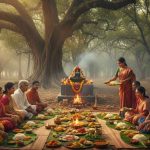
Group Celebrations:
- Organize community gatherings at local temples
- Host potluck dinners with traditional Karthika dishes
- Screen devotional films or documentaries
- Invite knowledgeable elders to share wisdom
Regional Variations
Different Indian states celebrate Karthika uniquely—bring your regional flavor:
Andhra Pradesh/Telangana: Grand lighting of “Koti Deepotsavam” (millions of lamps) Tamil Nadu: Special Karthigai Deepam with rows of lamps on staircases Karnataka: Five-lamp arrangement representing five elements North India: Connection with Dev Deepavali and Tulsi Vivah
Sustaining the Practice: Making It Last
Building Consistency
The key to meaningful practice is sustainability:
Start Small:
- Commit to lighting one lamp daily rather than elaborate rituals sporadically
- Gradually increase as the practice becomes habitual
- Focus on devotion over perfection
Involve Support Systems:
- Share your commitment with family for accountability
- Join online groups practicing Karthika observances
- Use reminder apps for morning and evening timings
Reflect and Record:
- Maintain a journal of experiences and insights
- Photograph your altar evolution through the month
- Note any changes in household atmosphere and personal wellbeing
Beyond Karthika: Continuing the Light
While Karthika Masam is special, the practice of lamp lighting can become a year-round blessing:
- Continue daily or weekly lamp lighting
- Mark all festivals with special decorations
- Teach the practice to next generation
- Carry forward the sense of sacred space in your home
Addressing Common Concerns
“I’m too busy for daily rituals”
Even five minutes of intentional lamp lighting creates impact. The quality of devotion matters more than duration. Many successful practitioners maintain their practice by:
- Waking just 15 minutes earlier
- Lighting lamps while morning coffee brews
- Combining evening ritual with unwinding time
“My house isn’t suitable for fire safety”
- Use enclosed glass lanterns for lamp protection
- Choose electric diyas that look authentic
- Designate specific safe surfaces for flame use
- Install smoke detectors near pooja area
“My family doesn’t share my beliefs”
- Frame practice as meditation/mindfulness
- Invite without insisting on participation
- Keep rituals personal and non-intrusive
- Share benefits observed rather than preaching
The Deeper Meaning: Light as Metaphor
As you light your Karthika lamps in your American home, remember what they symbolize:
Inner Illumination: The external lamp represents the light of awareness we cultivate within.
Dispelling Darkness: Just as a lamp removes physical darkness, spiritual practice removes ignorance and negativity.
Continuity: Your lit lamp connects you to countless generations who performed this same sacred act.
Bridge Between Worlds: Each flame is a bridge between the India of your heritage and the America of your present.
Conclusion: Your Light, Your Legacy
Lighting diyas during Karthika Masam in your US home is more than maintaining tradition—it’s creating living spirituality in a new context. Each lamp you light is an act of cultural preservation, spiritual nourishment, and love.
As the sacred month unfolds, may your home be filled with the warm glow of diyas, the sweet fragrance of incense, and the peaceful energy of devotion. May the light you kindle inspire those around you and illuminate the path for generations to come.
The journey of a thousand miles begins with a single step. The journey of spiritual awakening begins with a single flame.
Start your Karthika practice today. Light one lamp. Offer one prayer. Create one moment of sacred connection in your American home. The tradition that sustained our ancestors across millennia now lives through you.
#KarthikaDiyas #NRICulturalTraditions #SpiritualHome #KarthikaMasam #DeepaD anam #HinduTraditions #IndianCultureUSA #NRILife #SpiritualLiving #PoojaRoom #DiasporaHinduism #DesiInUSA #IndianHeritage #SacredSpaces #TraditionalPractices
For more stories celebrating Indian culture and spirituality in modern contexts, visit www.hindutone.com
Related posts:
 Karthika Masam 2025: Complete Guide to Dates, Rituals, Vratas & Poojas
 Karthika Masam 2025 – Day-Wise Panchangam
 Karthika Masam 2025: The Holy Month of Lord Shiva and Deepa Danam
 How to Perform Karthika Masam Vratham at Home: Complete Step-by-Step Guide
 Karthika Masam and Astrology: How the Month Influences Your Moon Sign
 How Villages in Andhra Pradesh Celebrate Karthika Deepotsavam


 ︎
︎

