

Shani Dev Worship & Remedies: Traditional Sade Sati and Shani Dosha Upay
The most widely practised traditional remedies for Shani dosha and Sade Sati — Saturday fasting and puja, Shani mantras, Peepal worship, charity, Hanuman worship and oil abhishekam — with an honest note on sincerity over ritual.
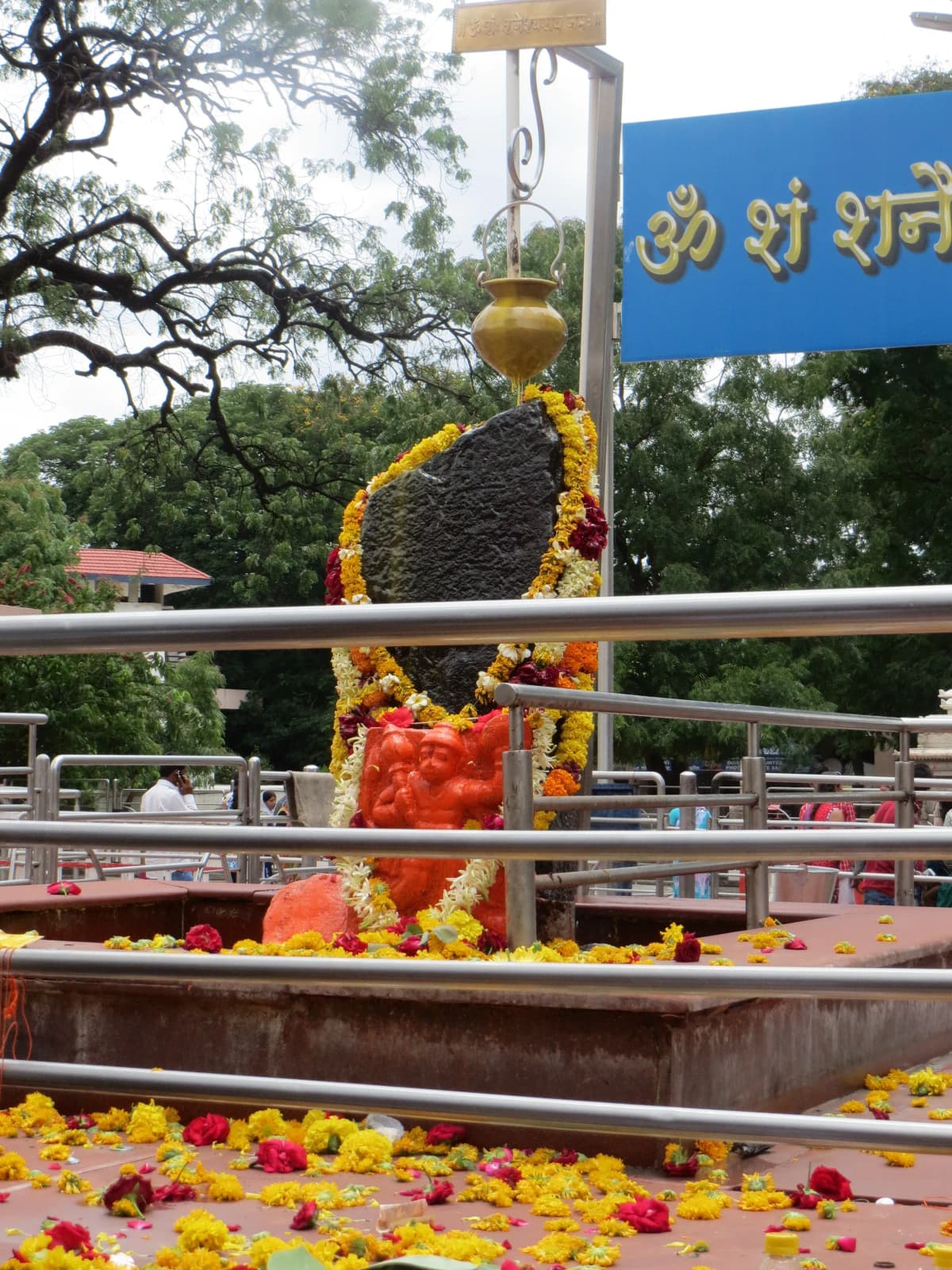
The most widely practised traditional remedies for Shani dosha and Sade Sati — Saturday fasting and puja, Shani mantras, Peepal worship, charity, Hanuman worship and oil abhishekam — with an honest note on sincerity over ritual.
Quick answer: Traditional Shani remedies for Sade Sati and Shani dosha centre on discipline, charity and sincere worship: Saturday fasting and puja, chanting Shani mantras such as “Om Sham Shanaischaraya Namah”, Peepal-tree worship, donating black sesame and mustard oil, and worshipping Lord Hanuman.
Lord Shani (Saturn) is regarded as the planet of karma, discipline, justice and delayed rewards. During phases such as Sade Sati, Dhaiya, Ashtama Shani or Shani Mahadasha, life can feel heavy with obstacles and delays. Traditional remedies emphasise discipline, charity, service and sincere worship over ritual alone. Here are the most widely practised ones, shared as tradition and belief.
1. Saturday fasting and simple puja
- Wake early and bathe (a few black sesame seeds may be added to the water).
- Wear black or dark-blue clothes and observe a fast (full, or fruit/milk) until evening, as your health allows.
- Light a mustard-oil or sesame-oil lamp before Shani Dev’s image or under a Peepal tree.
- Offer black sesame (kala til), black urad dal, mustard oil, blue/black flowers and a small piece of black cloth.
- Chant the Shani mantras (below), and break the fast after the evening aarti with simple sattvic food.
2. Shani mantras
Chanted on Saturdays, traditionally facing west, 108 times: the Shani Beej mantra “Om Praam Preem Praum Sah Shanaischaraya Namah”, or the simpler “Om Sham Shanaischaraya Namah”. The Dhyana shloka: “Neelanjana Samabhasam Raviputram Yamagrajam, Chhaya Martanda Sambhutam Tam Namami Shanaischaram.” Many also recite the Shani Chalisa or the Dasharatha-krit Shani Stotra.
3. Peepal tree worship
On Saturday evening, offer water mixed with black sesame at a Peepal tree, light a mustard-oil lamp under it, and circumambulate (pradakshina) seven times while chanting the Shani mantras — one of the most traditional remedies.
4. Charity (daan) — Shani loves seva
On Saturdays, donate to those in need (the poor, labourers or elderly): black sesame, mustard oil, black clothes or shoes, black urad dal, iron items, or blue/black flowers. Feeding crows with sesame rice or roti is also considered auspicious in the tradition.
5. Worship of Lord Hanuman
Lord Hanuman is regarded as the great protector against Shani’s harsh effects. On Saturdays, recite the Hanuman Chalisa (at least once, ideally 7 or 11 times), offer sindoor mixed with oil, jaggery and black chana, and light a mustard-oil lamp before Hanuman. It is widely believed that sincere Hanuman devotees are rarely troubled severely by Shani.
6. Oil abhishekam (Tailabhishekam)
Offering mustard or sesame oil on Shani’s idol is commonly done in temples. At home, a little oil may be poured on a Shani image or yantra while chanting the Beej mantra.
7. Connection with Lord Venkateswara
In Telugu tradition, worshipping Lord Venkateswara on Saturdays — especially during Shravan — is itself considered a powerful remedy for Shani-related troubles; it is believed that Shani granted a boon that those who sincerely worship Srinivasa on Saturdays are protected from his afflictions. Observing the Shravan Shanivara Vratam or Sapta Shanivara Vratam is therefore considered doubly beneficial.
Additional helpful practices
- Maintain honesty, punctuality and hard work — Shani is said to reward discipline.
- Serve the poor, elderly and labourers regularly.
- Avoid alcohol, non-vegetarian food and needless arguments on Saturdays.
- Keep your surroundings clean and organised.
Important note: these remedies are traditionally held to work best with sincerity, consistency and a willingness to improve one’s conduct — no ritual is presented as overriding one’s actions. Combine them with patience, good conduct and devotion. If you are going through a specific period such as Sade Sati or Dhaiya, you may consult a knowledgeable priest or astrologer for personalised guidance. (These are traditional beliefs and practices, not a guarantee of any outcome.)
Om Sham Shanaischaraya Namah · Jai Shani Dev · Jai Bajrangbali · Om Namo Venkatesaya 🙏
Frequently Asked Questions
What are the main remedies for Shani dosha?
Traditional remedies include Saturday fasting and puja, chanting Shani mantras, Peepal-tree worship, donating black sesame and mustard oil, worshipping Lord Hanuman, and oil abhishekam — done with sincerity and good conduct.
What is the Shani Beej mantra?
The Shani Beej mantra is “Om Praam Preem Praum Sah Shanaischaraya Namah,” traditionally chanted on Saturdays facing west, 108 times. A simpler form is “Om Sham Shanaischaraya Namah.”
How is Peepal tree worship done for Shani?
On Saturday evening, offer water mixed with black sesame at a Peepal tree, light a mustard-oil lamp, and circumambulate seven times while chanting the Shani mantras.
What should I donate on Saturdays?
Black sesame, mustard oil, black clothes or shoes, black urad dal, iron items and blue/black flowers, given to those in need. Feeding crows with sesame rice or roti is also considered auspicious.
How does Hanuman worship help with Shani?
Lord Hanuman is regarded as the great protector against Shani’s harsh effects. Reciting the Hanuman Chalisa and offering sindoor, oil and jaggery on Saturdays is a widely followed remedy.
Is worshipping Venkateswara a Shani remedy?
In Telugu tradition, worshipping Lord Venkateswara on Saturdays, especially in Shravan, is considered a powerful remedy for Shani troubles, linked to a boon Shani is said to have granted.
Do these remedies guarantee results?
No. They are traditional beliefs and practices held to work best with sincerity, consistency and improved conduct; no ritual is presented as overriding one’s actions or guaranteeing an outcome.
Should I consult an astrologer for Sade Sati?
You may consult a knowledgeable priest or astrologer for personalised guidance during Sade Sati or Dhaiya, alongside the core traditional practices of worship, charity and good conduct.
You might also like
29 September 2026 Tuesday Panchangam & Sankalpam (Hindu Almanac)

29 September 2026 Tuesday Rashi Phalalu — Daily Horoscope for All 12 Zodiac Signs
27 September 2026 Sunday Panchangam & Sankalpam (Hindu Almanac)