Quick answer: Green Diwali 2026 means celebrating the festival of lights from 6 to 10 November without firecrackers, using clay diyas, natural rangoli, biodegradable decor and mindful puja. It reduces air and noise pollution while honouring Sanatana Dharma's deep reverence for nature as sacred.

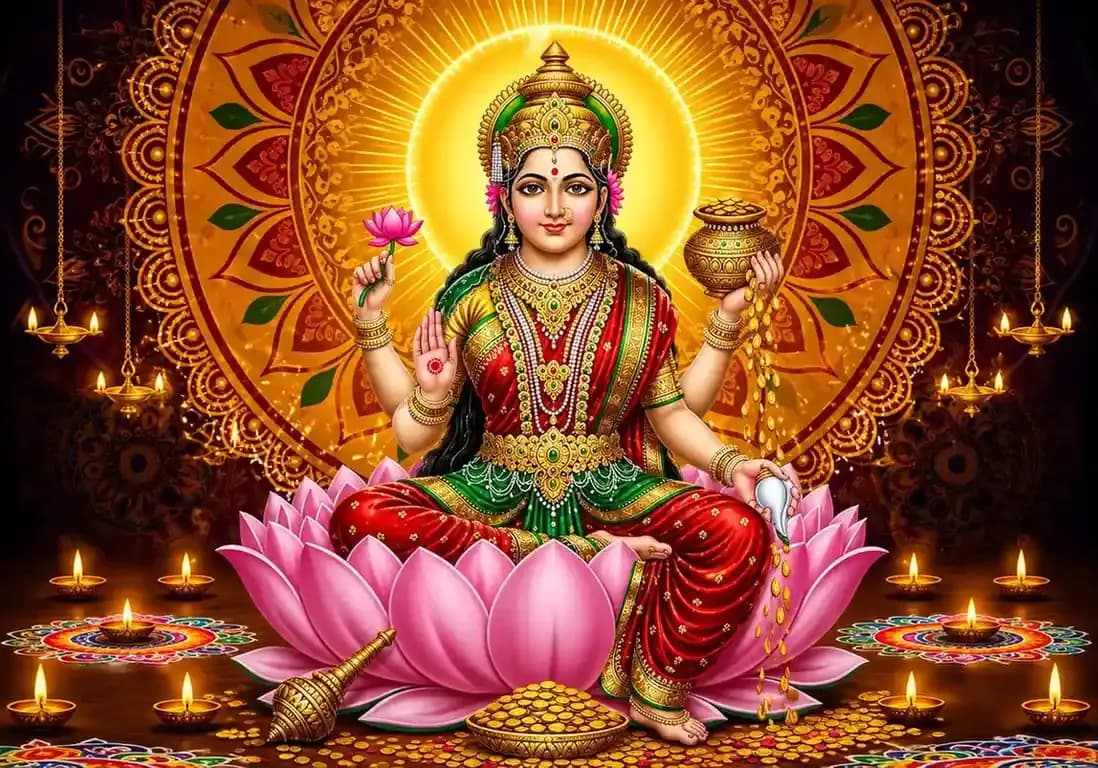
Diwali is the festival of light dispelling darkness, of Goddess Lakshmi's blessings, and of homes glowing with rows of lamps. In 2026 the celebrations run from Dhanteras on Friday 6 November to Bhai Dooj on Tuesday 10 November, with Lakshmi Puja on the auspicious Sunday 8 November. A Green Diwali keeps every bit of this joy while removing the smoke, noise and waste that harm the very nature our tradition calls divine.

Why a Green Diwali Honours Sanatana Dharma

Sanatana Dharma sees the earth as Bhumi Devi, rivers as goddesses, and the five elements as sacred. The Vedas praise clean air (Vayu), pure water (Apah) and the light of Agni. Celebrating without firecracker smoke or plastic waste is not a modern compromise but a return to the festival's roots, where light was offered through oil lamps and devotion, not explosions.

Advertisement

Diwali 2026 Dates at a Glance

DayDate
DhanterasFriday 6 November 2026
Naraka Chaturdasi / Choti DiwaliSaturday 7 November 2026
Diwali / Lakshmi PujaSunday 8 November 2026
Govardhan Puja / AnnakutMonday 9 November 2026
Bhai DoojTuesday 10 November 2026

The Problem With Conventional Celebrations

Firecrackers release fine particulate matter, sulphur and heavy metals that spike air pollution for days, harming children, elders, asthma patients, birds and street animals. Plastic decorations, thermocol and chemical-dyed rangoli powders add to landfill and choke drains. A mindful celebration removes this harm without dimming a single lamp.

Eco-Friendly Ways to Celebrate Green Diwali 2026

  • Light traditional clay diyas with natural cotton wicks and pure oil or ghee instead of relying only on electric lights
  • Replace firecrackers with lamps, candles, singing, sharing sweets and community aarti
  • Draw rangoli using rice flour, turmeric, flower petals and natural colours that birds can safely eat
  • Decorate with fresh marigold and mango-leaf torans rather than plastic garlands
  • Choose LED lights sparingly and switch them off when not needed to save energy
  • Gift plants, seeds, handmade or reusable items instead of over-packaged goods

A Simple Green Lakshmi Puja for 8 November 2026

  1. Clean your home naturally and set up the puja space with a clay or brass lamp
  2. Offer flowers, fruits, and homemade sweets to Goddess Lakshmi and Lord Ganesha
  3. Light diyas with ghee or oil and recite well-known prayers such as the Lakshmi mantra 'Om Shreem Mahalakshmiyei Namah'
  4. Perform aarti with a camphor or ghee lamp and share prasad with family and neighbours
  5. Immerse any flowers and offerings in a garden or compost rather than a waterbody

Mantras like the Gayatri Mantra and the simple Lakshmi beeja mantra are enough for a heartfelt puja. The devotion, not the volume or expense, is what draws divine grace.

Green Diwali for Children

Teach children that the true fireworks of Diwali are diyas and the light of good over evil. Involve them in making earthen lamps, natural rangoli and paper-free lanterns. Explaining kindness to birds, cows and street animals during a smoke-free festival plants lifelong values rooted in dharma.

City and Community Guidance

Many Indian cities and resident communities announce cracker-free zones, timed-only bursting rules, and green-Diwali drives each year. Rules and timings change annually, so check your local municipal, pollution-board and temple or community announcements for the exact 2026 guidelines in your area before celebrating.

Quick Green Diwali Checklist

  • LightsClay diyas, ghee or oil, minimal LEDs
  • DecorMarigold, mango leaves, cloth banners
  • RangoliRice flour, turmeric, flower petals
  • SoundBhajans and aarti, no crackers
  • GiftingPlants, seeds, reusable items
  • WasteCompost flowers, avoid plastic and thermocol

The Spirit of a Truly Bright Diwali

A Green Diwali 2026 is not a lesser festival but a fuller one. Homes still glow, sweets are still shared, Lakshmi is still welcomed, and families still gather from 6 to 10 November. What changes is that the air stays breathable, animals stay unafraid, and our worship of a nature that Sanatana Dharma calls sacred becomes complete.

Advertisement

Frequently Asked Questions

What is Green Diwali 2026?

Green Diwali 2026 is celebrating the festival of lights from 6 to 10 November without firecrackers or plastic waste, using clay diyas, natural rangoli and eco-friendly decor to protect air, water and animals.

When is Diwali in 2026?

The main Diwali day, Lakshmi Puja, falls on Sunday 8 November 2026. The celebrations begin with Dhanteras on 6 November and end with Bhai Dooj on 10 November.

Is celebrating without firecrackers against tradition?

No. Diwali is traditionally a festival of oil lamps, devotion and shared sweets. Firecrackers are a later addition, so skipping them actually brings the festival closer to its roots.

What can replace firecrackers on Diwali?

Rows of clay diyas, candles, LED decorations used sparingly, community aarti, bhajans, sharing sweets and lighting lamps together are joyful, safe alternatives to firecrackers.

How do I make eco-friendly rangoli?

Use rice flour, turmeric, flower petals, and natural mineral colours. These are biodegradable, safe for birds and animals, and dissolve harmlessly instead of polluting drains.

Why does Sanatana Dharma support a Green Diwali?

The tradition reveres the earth as Bhumi Devi and the five elements as sacred. Celebrating without smoke and waste honours this reverence for clean air, water and all living beings.

Are LED lights okay for Green Diwali?

LED lights are fine when used sparingly and switched off when not needed. Traditional clay diyas with ghee or oil remain the most eco-friendly and auspicious choice.

How can I confirm local cracker rules for 2026?

Check your municipal corporation, state pollution-control board and local temple or community announcements, as cracker-free zones and permitted timings are set fresh each year.