Holi 2026 in India: Complete Spiritual Guide to Dates, Mythology, Regional Traditions, City-Wise Events in Mathura Vrindavan Delhi Mumbai Bangalore Hyderabad & More – Festival of Colors Hindu Perspective
Holi, the luminous Festival of Colors, is Hinduism's most exuberant expression of divine joy, devotion, and seasonal awakening.
Holi, the luminous Festival of Colors, is Hinduism's most exuberant expression of divine joy, devotion, and seasonal awakening.
Holi, the luminous Festival of Colors, is Hinduism's most exuberant expression of divine joy, devotion, and seasonal awakening. Holi 2026 in India promises to envelop the nation in waves of vibrant gulal, sacred bonfires, and profound bhakti as communities unite in celebration.
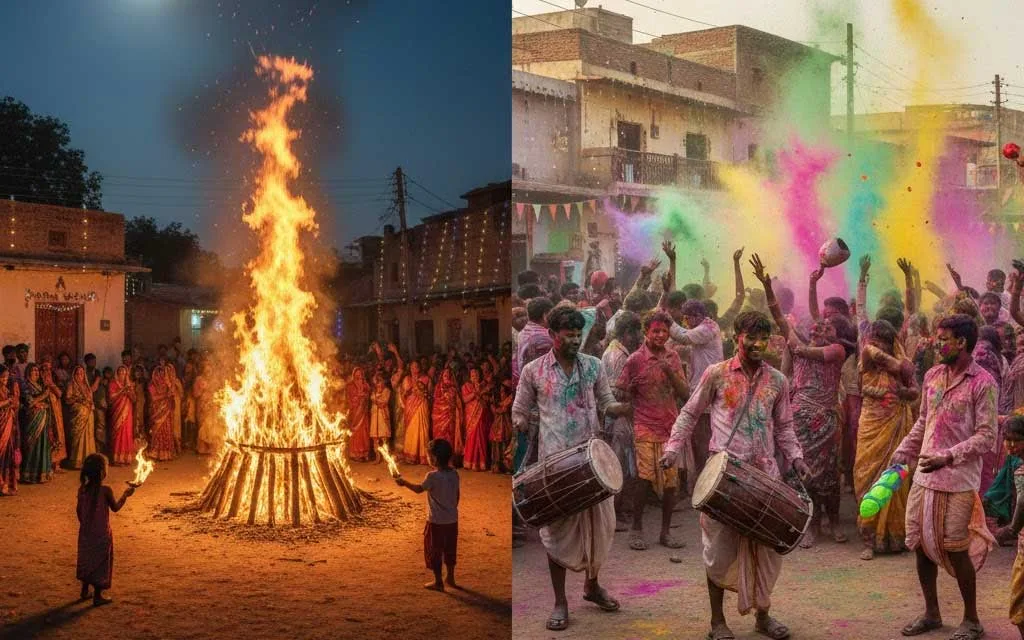
At its spiritual core, Holi commemorates the triumph of unwavering devotion over tyrannical ego. The legend of Prahlad and Holika illustrates this beautifully: the demon king Hiranyakashipu, intoxicated by power from a boon, demanded god-like worship and tormented devotees of Lord Vishnu. His son Prahlad's pure bhakti infuriated him, leading to attempts on the boy's life—including ordering Holika to carry Prahlad into a fire, believing her fire-immunity boon would protect her. Divine intervention reversed the outcome: Prahlad emerged unscathed through Vishnu's grace, while Holika perished. This eternal story teaches that sincere surrender to the Divine shields the soul, while arrogance and malice consume themselves. Holika Dahan—the bonfire ritual—symbolizes burning away inner vices, negativity, and past resentments to purify the heart for renewal.
Layered upon this is the enchanting divine play of Radha-Krishna in Braj. Lord Krishna, with his enchanting blue hue, playfully applied colors to Radha and the gopis, turning Holi into a raas of prema bhakti—unconditional love and ecstatic surrender. Colors represent ananda (divine bliss), the dissolution of duality, and the soul's joyous union with the Supreme. As winter fades, Holi heralds Vasant Ritu (spring), mirroring nature's rebirth and the atman's awakening from tamas to sattva. Social barriers melt away—caste, class, wealth—in shared color play, embodying vasudhaiva kutumbakam (the world as one family) and fostering forgiveness, harmony, and unity in diversity.
Astrologically, Holi 2026 in India aligns with Phalguna Purnima, a powerful full moon amplifying devotion, emotional release, and spiritual upliftment. The lunar energy heightens inner purification, making it ideal for sadhana, mantra recitation, and releasing karmic burdens.
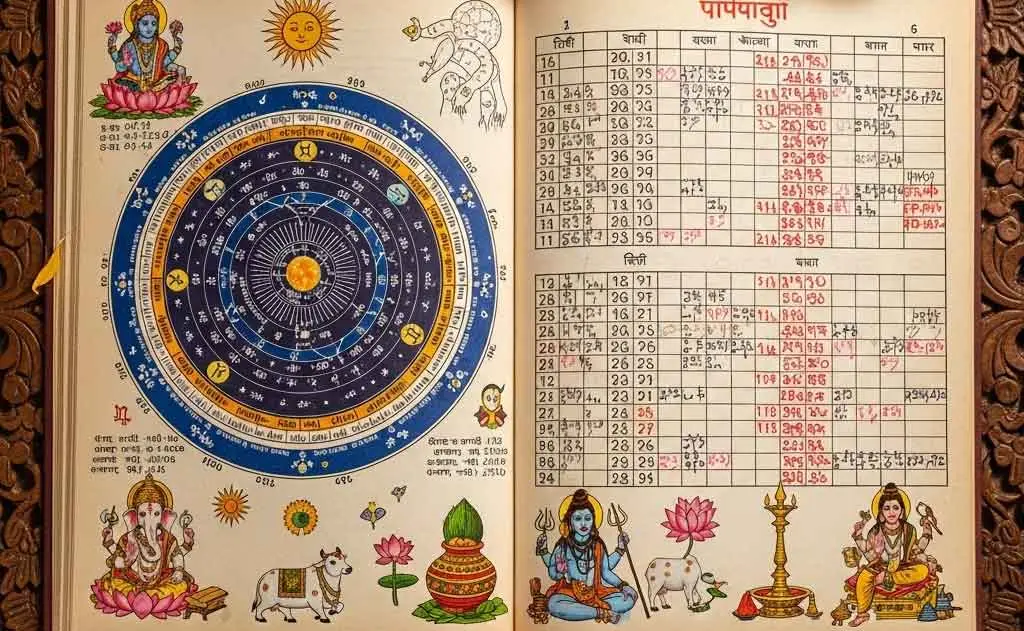
Holi date in India 2026 is firmly established: Holika Dahan (Chhoti Holi) on Tuesday, March 3, 2026 evening (Pradosh kaal, muhurat approximately 6:22 PM to 8:50 PM in many cities, avoiding Bhadra periods), and Rangwali Holi (main color play) on Wednesday, March 4, 2026 full day. The preparatory Holashtak period runs from February 24 to March 3, when Braj festivities ignite early with no major auspicious beginnings elsewhere, focusing hearts on Holi's arrival.
Holi 2026 in India remains the nation's most vibrant embodiment of joy, devotion, and harmony with nature's cycles—inviting every soul to burn darkness within and embrace the colors of divine love.
Mythology & Spiritual Significance of Holi
The profound spirituality of Holi draws from timeless Puranic legends that illuminate paths to liberation.
The Prahlad-Holika narrative from the Bhagavata Purana underscores bhakti's invincibility. Hiranyakashipu's hubris blinded him to dharma, but Prahlad's childlike faith invoked Vishnu's protection (as Narasimha). Holika's burning signifies karma's precision: misused boons turn destructive. Holika Dahan rituals reenact this purification—devotees offer sesame seeds, grains, coconuts, and cow dung cakes into the consecrated fire, circumambulating while praying for ego dissolution and sin removal.
The Krishna-Radha leela adds ecstatic rasa. In Vrindavan's groves, Krishna's playful color-smearing with gopis symbolizes the soul's madhurya bhava (sweet devotion). Gulal embodies bliss, teasing dissolves separateness, teaching that God delights in humble, loving surrender.
Some traditions include Kamadeva's story: burned by Shiva's third eye for disturbing meditation, revived on Holi, symbolizing controlled desire for spiritual progress.
Symbolically:
- Fire purifies like tapas, incinerating vasanas (subtle desires) and paving sattvic renewal.
- Colors celebrate life's diversity and unity—red for passion, green for growth, yellow for auspiciousness, blue for Krishna—reminding all souls share Brahman.
- Forgiveness rituals: post-play hugs and "Bura na mano, Holi hai" erase grudges, fostering harmony.
- Spring renewal mirrors atma's blossoming from ignorance.
Key mantras include:
- Holika Dahan: "Om Holikaye Namah" or "Holike Sarva Dushtanaam Dahanaaya Namah".
- Forgiveness prayer: "Kshama Yachate" (seeking pardon).
- General: "Om Namo Bhagavate Vasudevaya" for Krishna bhakti; Gayatri for illumination.
Phalguna Purnima's potency enhances these practices, turning Holi into transformative sadhana—burn negativity in the bonfire, embrace joy in colors, and reflect on devotion's sweetness.
Holi 2026 Dates & Muhurat in India
Nationwide, Holi 2026 in India follows lunar alignment:
- Holika Dahan 2026 date and time: Tuesday, March 3 evening (Pradosh kaal). Muhurat ~6:22 PM–8:50 PM (varies slightly by city; avoid Bhadra Punchha/Mukha periods like 1:25 AM–4:30 AM on March 3).
- Rangwali Holi 2026: Wednesday, March 4 full day.
Holashtak (February 24–March 3) marks preparatory austerity—no major muhurats for weddings or starts—while Braj begins vibrant observances.
Regional notes: Braj extends over weeks; most India focuses on March 3–4.
Braj Region – Heart of Holi
Holi celebrations in Mathura Vrindavan 2026 form the festival's spiritual epicenter, where Krishna's leela unfolds vividly over days.
Braj Holi 2026 schedule (approximate, based on traditions):
- February 24: Laddu Holi (Barsana Sriji Temple) – sweets thrown in devotion.
- February 25: Lathmar Holi Barsana 2026 – women playfully strike men with sticks, reenacting gopis' teasing; Rangili Gali buzzes with energy.
- February 26: Lathmar Holi (Nandgaon) – reciprocal play.
- February 27: Phoolwalon ki Holi (Vrindavan Banke Bihari) & Rangbhari Ekadashi start – flower colors, gulal begins.
- February 28: Janmabhoomi Holi (Mathura Shri Krishna Janmabhoomi Temple).
- March 1: Gokul Chhadi Mar Holi & Raman Reti – stick play, sand dunes joy.
- March 3: Holika Dahan at Vishram Ghat (Mathura), Dwarkadhish Temple, Banke Bihari (Vrindavan) – sacred bonfires, kirtans.
- March 4+: Rangwali Holi – grand color immersion in temples and streets.
These events evoke rasa-leela: crowds chant Hare Krishna, temples overflow with bhajans, devotees experience divine presence amid colors. Security ensures safety; spiritual focus on darshan and seva transforms chaos into bliss.
City-Wise Holi Celebrations 2026
Holi in Mathura & Vrindavan 2026: Temple-centric immersion—processions, kirtans at Banke Bihari/ISCKON, street play at Vishram Ghat. Echoes of Lathmar add fervor; prioritize spiritual participation.
Holi in Delhi 2026: Old Delhi's chaotic joy in Chandni Chowk, India Gate gatherings, Hanuman Mandir pujas. Eco-events promote safe fun.
Holi events Mumbai 2026: College fests, Marine Drive/Worli parties with Bollywood energy, Siddhivinayak/ISCKON spiritual observances.
Holi in Bangalore 2026: Cubbon Park/Whitefield eco-Holi, cultural fests, tech-community safe celebrations, temple-focused devotion.
Holi Hyderabad 2026: Golconda heritage vibes, Charminar area play, Birla Mandir events. Local flavor shines in Secunderabad/HITEC City community gatherings—family bonfires, thandai sharing, vibrant yet mindful.
Others: Jaipur royal elephant processions; Shantiniketan Basanta Utsav with Rabindra Sangeet; Punjab Hola Mohalla warrior spirit nearby.
Tips: Join temple pujas, use natural colors, respect consent.
How to Celebrate Holi Spiritually & Safely in 2026
Holika Dahan puja vidhi:
- Set up bonfire with cow dung cakes, wood.
- Offer grains, sesame, coconut; chant mantras.
- Circumambulate clockwise, pray for purification.
Rangwali Holi:
- Use herbal gulal (turmeric, beetroot-based).
- Prepare sattvic thandai (milk, nuts, cardamom—no intoxicants for spiritual intent).
- Gujiya/malpua as prasad—share with love.
Forgiveness ritual: Hug, say "Bura na mano," seek pardon.
Eco-friendly Holi celebration tips 2026:
- Organic colors, minimal water.
- Biodegradable items.
- Plant trees post-festival.
Health: Eye protection, hydration, skin oiling, avoid excess.
Inclusive: Kid-friendly, family-oriented, welcoming all.
Rangwali Holi how to celebrate safely: Consent first, natural products, moderation.
Conclusion
Holi 2026 in India renews dharma—burn negativity in Holika's flames, embrace devotion's colors, awaken joy within. Let this Festival of Colors illuminate your soul with unity, forgiveness, and Krishna bhakti.
Subscribe to www.hindutone.com for deeper Krishna bhakti insights, festival guides, and spiritual living. Share your Holi 2026 experiences in comments—Hari Bol!
Related Articles:
- Krishna-Radha Leela: Divine Love Stories
- Eco-Friendly Hindu Festivals
- Phalguna Purnima Significance
Frequently Asked Questions
When is Holi in India 2026?
Holi in India is observed on its traditional tithi in the Hindu lunar calendar; refer to the year's panchang for the exact date in your region.
What is the significance of Holi in India?
Holi, the luminous Festival of Colors , is Hinduism's most exuberant expression of divine joy, devotion, and seasonal awakening. Holi 2026 in India promises to envelop the nation in waves of vibrant gulal, sacred bonfires, and profound bhakti as communities unite in celebration.
How is Holi in India celebrated?
Devotees observe it with puja, fasting or special offerings, visiting temples, chanting mantras, and gathering with family. Customs vary by region and tradition.
What should devotees do on Holi in India?
Take a sacred bath, perform the day's puja and charity (dana), observe any prescribed fast, and chant mantras with sincere devotion.
You might also like
Gita Jayanti 2026 Prasad Recipes — Tulsi-Honoring Sweets, Krishna's Favourites & December 10 Bhog Plate
Maha Shivratri 2026 Vrat Recipes — Sabudana Khichdi, Singhada Halwa, Phalahara Foods Complete Fasting Guide
Shani Deva Temples Worldwide & Must-Performed Rituals — Complete Devotee's Guide