Phagwa 2026 in Fiji: Dates, Parades & Celebrations
Holi 2026 in Fiji: Phagwa Dates, Spiritual Meaning, Parades & Indo-Fijian Traditions Holi 2026 in Fiji arrives as a joyous explosion of colors, music, and…
Holi 2026 in Fiji: Phagwa Dates, Spiritual Meaning, Parades & Indo-Fijian Traditions Holi 2026 in Fiji arrives as a joyous explosion of colors, music, and…
Holi 2026 in Fiji: Phagwa Dates, Spiritual Meaning, Parades & Indo-Fijian Traditions
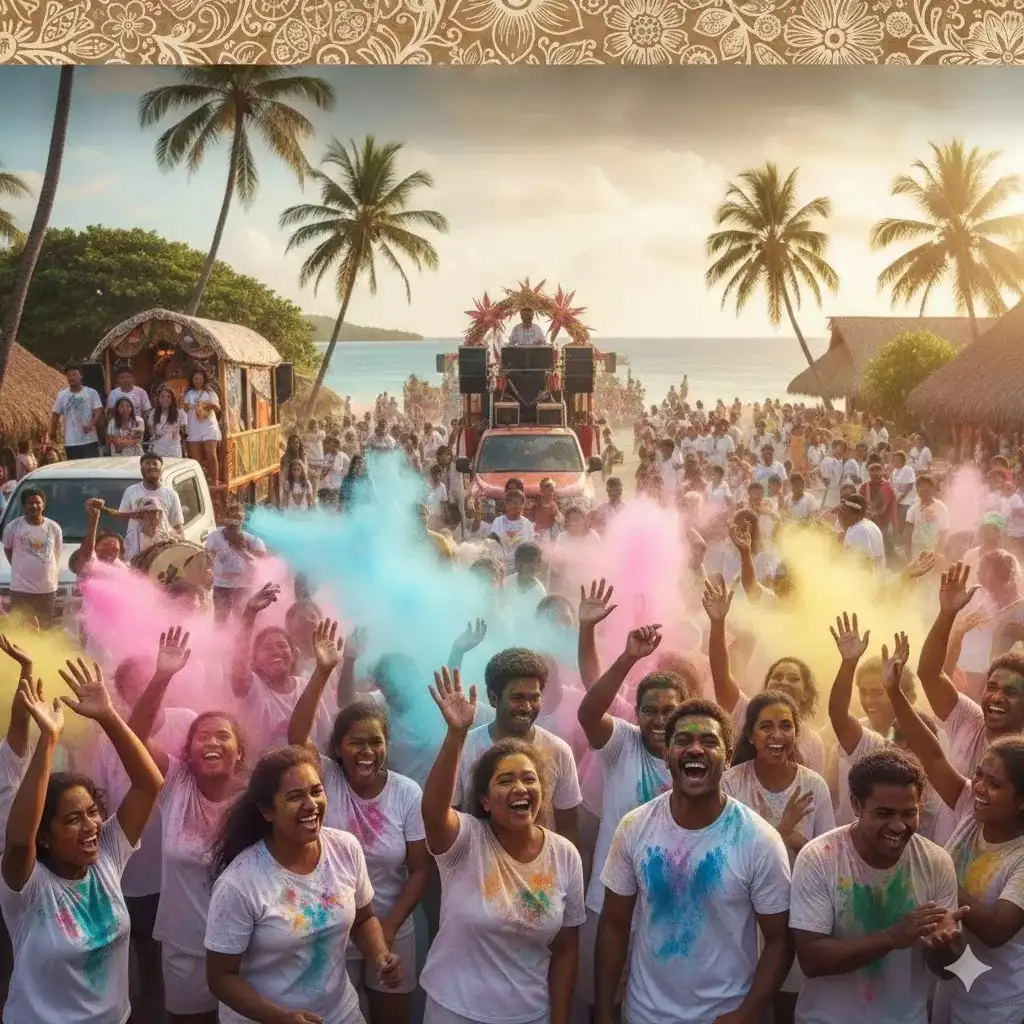
Holi 2026 in Fiji arrives as a joyous explosion of colors, music, and devotion, celebrated vibrantly by the Indo-Fijian community as Phagwa (or Pagua in Fiji Hindi). This Festival of Colors transforms neighborhoods, temples, and streets into celebrations of renewal, unity, and unbreakable heritage.
Indo-Fijians, descendants of indentured laborers from India who arrived between 1879 and 1916, brought Holi as a cherished tradition. Over 60,000 girmitiyas (indentured workers) from Uttar Pradesh, Bihar, Tamil Nadu, and other regions endured sugarcane plantation hardships yet preserved their faith through festivals like Phagwa. Today, with Hindus comprising about 27-30% of Fiji's population, Holi 2026 in Fiji remains a cornerstone of cultural identity, blending ancient Hindu rituals with Pacific warmth and inclusivity.
Though not a national public holiday (Fiji's 2026 calendar includes Girmit Day on May 15 honoring indenture history, but Holi is observed communally), Phagwa draws widespread participation. In Hindu-majority areas like Suva, Nadi, Labasa, and Ba, communities gather for parades, color play, and devotional singing, often extending over days.
Spiritually, Phagwa embodies profound truths: Prahlad's devotion triumphing over Holika's evil through Vishnu's grace, symbolizing bhakti's power to overcome tyranny; Radha-Krishna's playful leela representing prema bhakti (divine love) and ananda (bliss); and spring's renewal awakening the soul from winter's slumber. In Fiji's tropical paradise, these themes resonate as celebrations of resilience, forgiveness, and harmony—colors mirroring coral reefs and lush landscapes, songs echoing ancestral endurance, and shared joy fostering vasudhaiva kutumbakam (world as one family) in a multi-ethnic nation.
Phagwa Fiji 2026 aligns with Phalguna Purnima: Holika Dahan (bonfire ritual) on the evening of Tuesday, March 3, 2026 (muhurat approximately 6:31 PM to 8:50 PM in Suva, Central Fiji), and Rangwali Phagwa (main color-throwing day) on Wednesday, March 4, 2026. Communities may extend festivities into the weekend (e.g., March 7 events) for accessibility.
This guide explores Holi 2026 in Fiji from a Hindu spiritual perspective—its diaspora heritage, deep meaning, key events in Suva and Nadi, traditions, devotional practices, and eco-conscious ways to celebrate.
Spiritual Meaning of Phagwa in Fiji
Holi 2026 in Fiji carries layered spiritual significance, rooted in Puranic legends yet adapted to the Indo-Fijian experience.
The Prahlad-Holika story illustrates devotion's supremacy: young Prahlad's faith in Vishnu protected him from his demon father's attempts, culminating in Holika's self-destruction in flames. Holika Dahan bonfires purify—burning ego, negativity, and historical grievances from indenture era—inviting renewal like Fiji's fertile volcanic soil after rain.
Radha-Krishna leela adds ecstatic joy: Krishna's color play with gopis symbolizes unconditional love and bliss, dissolving barriers. In Fiji, this mirrors turning survival into celebration, with gulal uniting families and communities across ethnic lines.
In Fiji's context:
- Forgiveness & Harmony: "Bura na mano, Phagwa hai" erases grudges; inter-community participation promotes inclusivity.
- Renewal & Abundance: Spring's arrival (even in perpetual warmth) parallels soul awakening and gratitude for land's bounty.
- Devotional Surrender: Through songs, dances, and seva, devotees embrace bhakti.
Mantras deepen the experience:
- "Om Holikaye Namah" during bonfire offerings.
- "Om Namo Bhagavate Vasudevaya" for Krishna devotion.
- Forgiveness prayer: "Kshama Yachami."
Phalguna Purnima's full moon amplifies emotional release and spiritual upliftment, making Phagwa ideal for inner purification.
Diaspora Heritage: Indo-Fijians and Phagwa
Indian arrival in 1879 under British indenture system shaped Fiji's Hindu community. Girmitiyas preserved traditions like Phagwa to maintain identity. Over time, it evolved into a major festival—once more prominent than Diwali in early decades—featuring folksongs, dances, and color play.
Today, Holi celebrations Suva Nadi 2026 reflect this legacy: temples host pujas, mandalis (groups) visit homes singing and splashing colors, and parades celebrate continuity.
Phagwa 2026 Dates & Observance in Fiji
Holi 2026 in Fiji follows lunar timing:
- Holika Dahan: Evening of March 3, 2026 (Pradosh kaal bonfires in temples, homes, or community grounds).
- Rangwali Phagwa: March 4, 2026 — main day of color play, music, and gatherings.
- Extensions: Weekend events (e.g., March 7 beach parties or hotel festivities) accommodate working schedules.
Communities prepare with white clothing to highlight colors; many focus on family and temple rituals.
Key Events: Parades & Celebrations in Suva, Nadi & Beyond
Holi celebrations Suva Nadi 2026 bring Fiji alive with vibrant energy.
Suva (capital, major Indo-Fijian hub):
- Temple gatherings at major mandirs (e.g., Sanatan Dharma temples) for morning aartis, kirtans, and color offerings.
- Street play and mandali visits: Groups sing folk songs, splash colors, share prasad.
- Community events: Parades with music, dance; some hotel-hosted festivities add modern flair.
Nadi (tourist area with strong Hindu presence):
- Temple-focused devotion at local mandirs; color play in neighborhoods.
- Inclusive gatherings: Beaches or parks host family picnics with gulal and traditional foods.
Other Areas (Labasa, Ba, Lautoka):
- Rural parades with tassa drums, folk dances.
- Bonfires and feasts emphasize community bonds.
Events blend tradition—devotional singing, color-throwing—with Fiji's warmth, welcoming all.
How Indo-Fijians Celebrate Phagwa Devotionally
Celebrations center on bhakti:
- Morning Rituals: Temple pujas, offerings of flowers/colors to deities.
- Holika Dahan: Circumambulate bonfires, chant mantras, pray for purification.
- Color Play: Apply natural gulal mindfully; focus on joy and consent.
- Singing & Dancing: Folk songs, bhajans; mandalis visit homes.
- Feasts as Prasad: Share gujiya, laddoo, thandai, roti-subzi.
- Forgiveness: Hug, reconcile, embody harmony.
Eco-Friendly & Safe Celebration Tips for 2026
- Use natural, herbal gulal (turmeric, flower-based) to protect skin and environment.
- Hydrate, wear eye protection; apply oil pre-play for easy removal.
- Minimize waste; organize clean-ups, especially beaches.
- Spiritual focus: Prioritize devotion, moderation, inclusivity.
Conclusion: Cultural Continuity in the Pacific
Holi 2026 in Fiji renews the spirit—good triumphs, love unites, heritage endures. From girmit roots to vibrant diaspora expression, Phagwa preserves dharma amid Fiji's beauty.
Subscribe to www.hindutone.com for more on global Hindu festivals. Hari Bol! [image: 🌺]
Frequently Asked Questions
When is Phagwa in Fiji 2026?
Phagwa in Fiji is observed on its traditional tithi in the Hindu lunar calendar; refer to the year's panchang for the exact date in your region.
What is the significance of Phagwa in Fiji?
Holi 2026 in Fiji: Phagwa Dates, Spiritual Meaning, Parades & Indo-Fijian Traditions Holi 2026 in Fiji arrives as a joyous explosion of colors, music, and devotion, celebrated vibrantly by the Indo-Fijian community as Phagwa (or Pagua in Fiji Hindi). This Festival of Colors transforms neighborhoods, temples, and streets into celebrations of renewal, unity, a
How is Phagwa in Fiji celebrated?
Devotees observe it with puja, fasting or special offerings, visiting temples, chanting mantras, and gathering with family. Customs vary by region and tradition.
What should devotees do on Phagwa in Fiji?
Take a sacred bath, perform the day's puja and charity (dana), observe any prescribed fast, and chant mantras with sincere devotion.
You might also like
June 2026 Hindu Festival Calendar — Complete Dates, Vrat & Puja Guide for NRIs
Hindu Festival Calendar 2026 — Complete Guide for NRIs (Dates, Tithis, Puja)
Karthika Masam 2026: Dates, Rituals, Vrat, Festivals & North vs South India Guide