



Explaining Karthika Masam to Non-Indian Friends: A Cultural Conversation
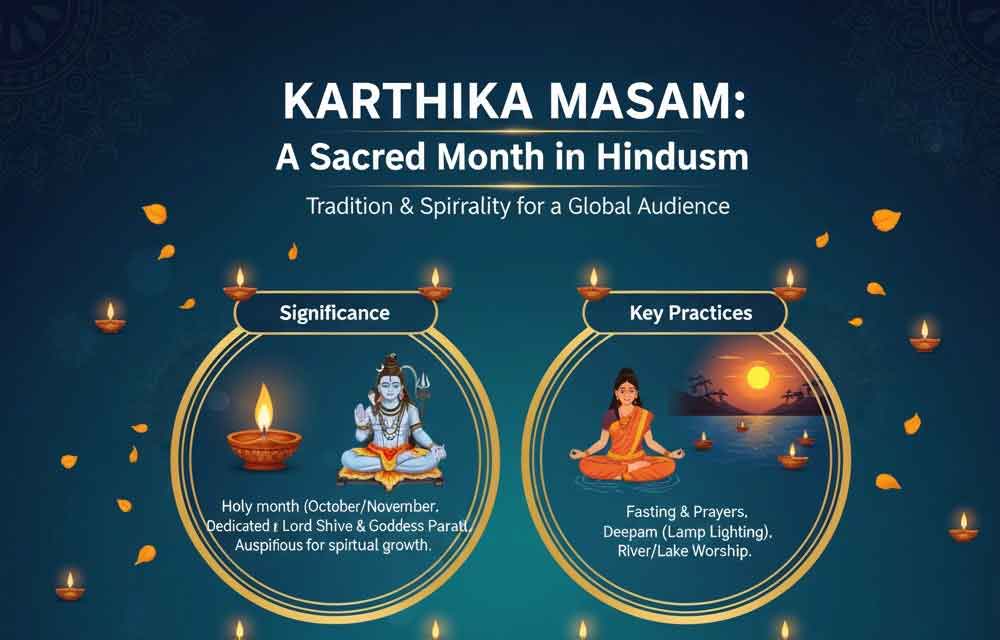
Karthika Masam (also spelled Kartika Masam) is one of the most spiritually significant months in the Hindu calendar, typically falling between October and November. For NRIs wanting to share this beautiful tradition with American friends, here’s a thoughtful guide to help bridge cultures through conversation.
What is Karthika Masam?
At its heart, Karthika Masam is a month-long period of devotion, light, and spiritual renewal. Think of it as a combination of a spiritual retreat and a festival of lights that extends beyond Diwali. The month is dedicated to Lord Vishnu and Lord Shiva, and it’s considered one of the holiest months in the Hindu lunar calendar.
Starting the Conversation
Frame it in familiar terms: “You know how December has a special spiritual feeling with Christmas preparations? For many Hindus, the month of Karthika has that same sacred atmosphere. It’s a time when we light lamps every evening, wake up early for prayers, and focus on spiritual growth.”
Key Practices to Share
The Daily Lamp Lighting
Every evening, families light oil lamps (diyas) at dusk. You might compare this to the Jewish tradition of lighting Shabbat candles or Hanukkah menorahs—it’s a daily ritual that brings mindfulness and marks sacred time.
How to explain it: “We light these small clay lamps filled with oil every evening. The light represents dispelling darkness and ignorance. It’s meditative—the act of lighting the lamp becomes a moment to pause and reflect each day.”
Early Morning Rituals
Many observers wake before sunrise for prayers and temple visits. The pre-dawn hour is considered especially auspicious.
Relatable context: “It’s similar to how some Christians attend early morning mass or how monks observe matins. There’s something powerful about dedicating the first moments of your day to spiritual practice.”
Fasting and Dietary Observances
Some people observe fasts or follow vegetarian diets during this month.
Frame it as: “It’s comparable to Lent or Ramadan—a period of self-discipline and mindful eating. For some, it means giving up certain foods; for others, it’s about eating more consciously and simply.”
Special Days Within Karthika
Karthika Purnima
The full moon day that concludes the month is particularly significant. Many Hindus take ritual baths in sacred rivers and participate in special prayers.
Share the meaning: “It’s like a culminating celebration—similar to how Easter Sunday concludes Lent. People gather at rivers or temples, and the atmosphere is joyful and spiritually charged.”
The Symbolism They’ll Appreciate
Light as a Universal Symbol
“The lamps we light aren’t just about literal light—they represent knowledge, hope, and the divine presence in our homes. Every culture has rituals around light, from candles in churches to lanterns in festivals.”
Intentional Living
“This month encourages us to live more intentionally—to wake with purpose, to be mindful about what we consume, to take time for reflection. In today’s busy world, it’s like a built-in mindfulness practice that’s thousands of years old.”
Community and Family
“Families often do these rituals together. Parents teach children to light the lamps, and there’s something beautiful about multiple generations sharing this practice.”
Addressing Common Questions
“Is it like Diwali?” “Diwali actually falls during Karthika Masam! Think of Diwali as the grand celebration within this longer spiritual season. Karthika is the full month; Diwali is the climactic festival.”
“Do you have to be very religious to observe it?” “Not at all. Some people observe it very strictly with fasts and extensive prayers. Others simply light a lamp each evening and take a moment for gratitude. It’s flexible and personal.”
“What’s the history behind it?” “The traditions go back thousands of years, mentioned in ancient Hindu texts. Different regions in India observe it with their own unique customs, making it a wonderfully diverse tradition.”
Inviting Participation
If your American friends are curious and respectful, you might invite them to:
- Join you for an evening lamp-lighting ceremony
- Attend a temple celebration during Karthika Purnima
- Share a traditional vegetarian meal
- Participate in a cultural event or talk at a local Hindu community center
Frame the invitation warmly: “If you’re interested, you’re welcome to join us one evening when we light the lamps. It’s peaceful and beautiful—no religious knowledge required, just an open heart.”
Tips for Successful Cultural Sharing
- Use analogies: Connect to holidays and practices they know
- Focus on universal themes: Light, mindfulness, community, renewal
- Be authentic: Share what it personally means to you
- Welcome questions: Curiosity is a compliment to your culture
- Avoid assumptions: Not all Hindus observe it the same way, and that’s okay to mention
- Share sensory details: The smell of oil lamps, the peaceful dawn atmosphere, the taste of special foods
The Bigger Picture
Karthika Masam is ultimately about creating sacred time in our busy lives—something many Americans are seeking through various wellness and mindfulness practices. By framing it as both an ancient tradition and a relevant spiritual practice, you help friends understand how cultural heritage and modern life can beautifully coexist.
Remember, the goal isn’t to convert or convince, but to share a meaningful part of your heritage. Most people appreciate learning about traditions that bring peace, purpose, and community—and Karthika Masam embodies all three.
Have you explained Karthika Masam to friends from other cultures? Share your experiences in the comments below!
Related posts:
 Karthika Masam 2025 for Australian Hindus: Complete Guide with All Time Zones
 Karthika Masam Food Rules: What to Eat and Avoid – Complete Devotional Guide
 Must-Visit Temples in the USA for Kartheeka Masam 2025
 How Varanasi Will Celebrate Karthika Masam 2025: The Divine Month of Lights and Devotion
 Karthika Masam Thursday Rituals, Poojas, Mantras & Vratams: Complete 2025 Guide for Guru’s Grace & Abundance
 NRI Women and Karthika Masam: Balancing Career, Family, and Faith



 ︎
︎

