


Shiva Temples to Visit During Karthika Masam in Nepal: Complete Guide for Hindu Pilgrims (2025)
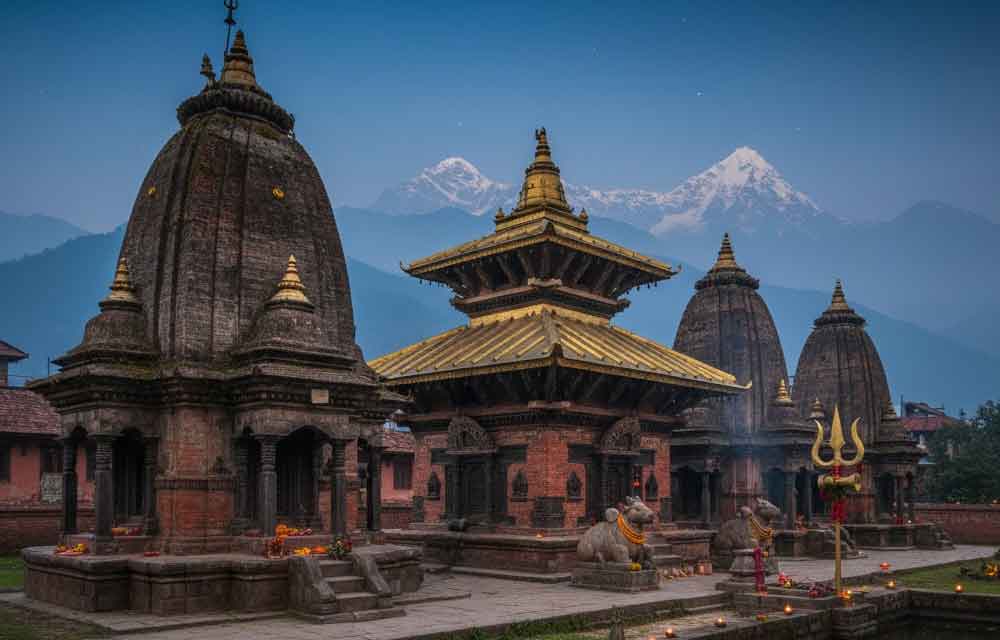
Introduction: Celebrating Karthika Masam in the Land of Shiva
Karthika Masam (16 November – 15 December 2025) holds extraordinary significance in Nepal, the only Hindu kingdom in modern history and home to some of the world’s most sacred Shiva temples. With over 81% of Nepal’s 30 million population practicing Hinduism, and Lord Shiva revered as the patron deity (Pashupati), Nepal offers unparalleled spiritual experiences during this holy month.
Nestled in the Himalayas – Shiva’s eternal abode – Nepal’s ancient temples, sacred rivers, and mountain peaks create the perfect setting for Karthika Deepam celebrations. From the UNESCO World Heritage Pashupatinath Temple to remote Himalayan shrines, devotees can experience authentic Hindu traditions preserved for millennia.
Why Celebrate Karthika Masam in Nepal?
Unique Nepalese Hindu Experience:
- Shiva’s Kingdom: Nepal is Lord Shiva’s earthly realm (Pashupati Kshetra)
- Himalayan Setting: Mountains where Shiva meditates
- Living Traditions: Ancient practices preserved unchanged for centuries
- Sacred Rivers: Bagmati River (considered form of Ganges)
- UNESCO Heritage: Multiple World Heritage Hindu sites
- Authentic Rituals: Traditional tantric and Vedic practices
- Saffron Sadhus: Holy men from across India gather
- Nepal Sambat: Unique Nepali calendar alongside Hindu calendar
- Accessible Himalayas: Reach sacred mountain temples
- Cultural Fusion: Hindu-Buddhist harmony (unique to Nepal)
- Living Goddess: Kumari tradition continues
- Spiritual Tourism: Welcoming to all Hindu pilgrims
Understanding Nepali Hinduism
Distinctive Features:
Shiva-Centric Worship:
- Pashupatinath (Lord of Animals) – primary form
- Every village has Shiva temple
- Daily worship integral to Nepali life
- Tantric traditions strong
Hindu-Buddhist Syncretism:
- Many deities worshipped by both religions
- Shared temple spaces
- Integrated festivals
- Peaceful coexistence
Newari Traditions:
- Indigenous Kathmandu Valley practices
- Elaborate festivals and rituals
- Unique temple architecture
- Complex cultural heritage
Caste and Community:
- Traditional caste system still influences society
- Community-based religious practices
- Strong family and clan bonds
Top Shiva Temples in Nepal for Karthika Masam 2025
KATHMANDU VALLEY
1. Pashupatinath Temple – Nepal’s Holiest Shiva Shrine
Why Visit: The most sacred Shiva temple in Nepal and one of the most important Shiva temples globally. This UNESCO World Heritage Site offers the most significant Karthika Masam celebrations in Nepal.
Temple Details:
- Location: Banks of Bagmati River, Kathmandu
- Main Deity: Pashupatinath (Lord Shiva as “Lord of Animals”)
- Significance: One of the 275 Paadal Petra Sthalams; Jyotirlinga equivalent for Nepal
- UNESCO Status: World Heritage Site (1979)
- Lingam: Four-faced (chaturmukha) lingam in sanctum
- Established: Current structure 1692, but site ancient (possibly 400 BCE)
- Priests: Bhat Brahmin priests from Karnataka, India (by royal tradition)
- Entry: Main sanctum only for Hindus; non-Hindus view from across river
- Entry Fee: NPR 1,000 (SAARC), USD 10 (foreigners) for complex; sanctum free for Hindus
- Opening Hours: 4:00 AM – 7:00 PM (sanctum); complex open longer
Karthika Masam Special Events 2025:
Daily Throughout Month:
- Enhanced morning aarti (4:00 AM Brahma Muhurta)
- Special abhishekams with Bagmati water
- Continuous chanting of Rudram and Chamakam
- Thousands of lamps lit along river ghats
- Sadhus and pilgrims camp along riverbanks
Four Special Mondays:
- 17 November, 24 November, 1 December, 8 December
- Maha Rudrabhishekam with 11 priests
- Special darshan extended hours
- Bagmati River holy dips
- Massive crowds of devotees
Karthika Deepam (Kartik Purnima): 12 December 2025 (Friday)
- Dawn: Maha Abhishekam at 4:00 AM
- Morning: Thousands of pilgrims for holy bath in Bagmati
- Throughout Day:
- Continuous abhishekams from 6:00 AM – 6:00 PM
- Rudrabhishekam every hour
- Special darshan arrangements
- Cultural programs in temple complex
- Evening (6:00 PM):
- Grand Maha Deepam ceremony
- 108,000 lamps lit along Bagmati River
- Spectacular aarti with hundreds of priests
- River comes alive with floating lamps
- Traditional Newari music and dancing
- Cremation ghats illuminated
- Night: All-night bhajan sandhya
What to Expect:
- Pagoda-style architecture with golden roof
- Sacred Bagmati River flowing beside temple
- Active cremation ghats (funeral pyres burning)
- Hundreds of sadhus (holy men) living in complex
- Monkeys everywhere (sacred to Pashupati)
- Deer park (Pashupati as Lord of Animals)
- Intense spiritual atmosphere
- Strong ritualistic energy
- Narrow lanes crowded with devotees
- Flower sellers, bead vendors, prasad stalls
Sacred Sites Within Complex:
- Main Pashupatinath Temple: Four-faced lingam
- Guhyeshwari Temple: Shakti Peetha nearby
- Kirateshwar Temple: Ancient Kirat deity
- Pancha Deval: Five Shiva shrines
- Arya Ghat: Sacred cremation area
- Bhasmeshwar Temple
- Ram Temple
- Multiple smaller shrines (518 temples in complex)
Participation Options:
- Darshan (for Hindus): Free
- Abhishekam booking: NPR 500-5,000
- Maha Abhishekam: NPR 11,000
- Sahasra Kalasabhishekam: NPR 51,000
- Archana: NPR 100-500
- Donations: Any amount
- Accommodation for pilgrims: Dharamshala available (NPR 200-1,000/night)
How to Reach:
- From Kathmandu Center (Thamel): 20-30 minutes
- Taxi: NPR 300-500
- Local Bus: NPR 20-30
- Walking from Boudhanath: 30 minutes
- Auto-rickshaw: NPR 200-300
Tips:
- Visit very early morning (4:00-6:00 AM) for best experience
- Dress conservatively (no shorts, shoulders covered)
- Remove shoes before entering (free shoe storage)
- Photography restricted in sanctum
- Be prepared for crowds during Karthika Masam
- Beware of monkeys (don’t carry food or shiny objects)
- Hire guide for deeper understanding (NPR 1,000-2,000)
- Combine with Guhyeshwari and Boudhanath visits
2. Guhyeshwari Temple (Guhyeshwari Shaktipeeth)
Why Visit: One of the 51 Shakti Peethas, where Sati’s yoni (womb) fell, making it sacred to both Shiva and Shakti worship. Essential complement to Pashupatinath visit.
Temple Details:
- Location: 1 km from Pashupatinath, on Bagmati River
- Main Deity: Goddess Guhyeshwari (secret goddess)
- Significance: Shakti Peetha; Sati’s yoni fell here
- Body Part: Yoni (reproductive organ) of Sati
- Architecture: Pagoda style, golden pinnacle
- Entry: Only Hindus allowed
- Entry Fee: Free (donations welcome)
- Opening Hours: 6:00 AM – 7:00 PM
Karthika Masam Special Events 2025:
- Goddess Worship: Shakti aspect of Shiva honored
- Karthika Deepam: 12 December 2025
- Special Devi puja in morning
- Kumari darshan (living goddess may visit)
- Evening lamp ceremony
- Combined Shiva-Shakti worship
- Pilgrims visit both Pashupatinath and Guhyeshwari
- Tantric Rituals: Traditional secret ceremonies
What to Expect:
- Mysterious, esoteric atmosphere
- No idol – symbolic representation
- Silver-plated door to sanctum
- Tantric practitioners present
- Female deity worship focus
- Less crowded than Pashupatinath
- Sacred water spring inside
Participation:
- Darshan: Free
- Special puja: NPR 500-2,000
- Offerings: NPR 100-500
How to Reach:
- 10 minutes walk from Pashupatinath
- Easy to combine in single visit
3. Dakshinkali Temple
Why Visit: Powerful Kali temple where animal sacrifice is common, representing the fierce aspect of Shakti. Important for understanding Nepal’s tantric traditions.
Temple Details:
- Location: 22 km south of Kathmandu, in forested gorge
- Main Deity: Goddess Kali (Mahakali)
- Significance: Fierce form of Parvati (Shiva’s consort)
- Famous For: Animal sacrifices (Tuesdays and Saturdays)
- Setting: Forest gorge at confluence of two streams
- Entry: Free
- Opening Hours: 6:00 AM – 5:00 PM
Karthika Masam Special Events 2025:
- Shakti Worship: Honoring Shiva’s consort
- Karthika Deepam: 12 December 2025
- Special goddess worship
- Evening lamp ceremony in forest setting
- Traditional music and dance
- Community feast
- Powerful Energy: Tantric practices strong here
What to Expect:
- Animal sacrifice areas (chickens, goats, ducks)
- Blood offerings (vegetarians may find disturbing)
- Intense ritualistic atmosphere
- Beautiful forest setting
- Pilgrims bring live animals
- Priests perform sacrifice on behalf
- Meat distributed as prasad (offered to goddess first)
Note for Vegetarians:
- You can visit without participating in sacrifices
- Offer flowers, sweets, incense instead
- Most powerful on Tuesdays and Saturdays
- Karthika Deepam focuses on lamps more than sacrifice
How to Reach:
- From Kathmandu: 1 hour (22 km)
- Taxi: NPR 1,500-2,000 (round trip)
- Local bus: NPR 50-100 (slower)
- Best: Hire taxi for half-day
Combine With:
- Pharping (Buddhist meditation caves)
- Champa Devi hiking
- Kirtipur ancient city
4. Changu Narayan Temple
Why Visit: Oldest temple in Kathmandu Valley (UNESCO World Heritage), though dedicated to Vishnu, it has important Shiva shrines and exemplifies Nepal’s Hindu heritage.
Temple Details:
- Location: Changu Village, Bhaktapur District
- Main Deity: Vishnu (but multiple Shiva shrines present)
- Established: 325 CE (oldest dated inscription in Nepal)
- UNESCO: World Heritage Site
- Architecture: Double-roofed pagoda style
- Significance: Artistic masterpiece, ancient inscriptions
- Entry Fee: NPR 300 (SAARC), NPR 500 (foreigners)
Karthika Masam Relevance:
- Shiva shrines within complex
- Demonstrates Hindu continuity in Nepal
- Traditional Newari festival celebrations
- Beautiful hilltop setting
How to Reach:
- From Bhaktapur: 30 minutes uphill
- Taxi from Kathmandu: 1 hour
5. Budhanilkantha Temple (Sleeping Vishnu)
Why Visit: Massive 5-meter reclining Vishnu statue in pond, demonstrating Nepal’s Shaivite-Vaishnavite harmony during Karthika Masam.
Temple Details:
- Location: North of Kathmandu (8 km)
- Main Deity: Vishnu reclining on Shesha Naga (sleeping Vishnu)
- Size: 5 meters long stone statue in water tank
- Significance: Impressive ancient stone carving
- Entry Fee: Free (donations welcome)
- Royal Restriction: King of Nepal could not visit (now lifted)
Karthika Masam:
- Though Vishnu temple, Shiva devotees visit
- Represents Hindu unity
- Beautiful ceremonies
- Special on Ekadashi days
How to Reach:
- 30 minutes from Thamel
- Taxi: NPR 500-700 round trip
WESTERN NEPAL
6. Doleshwor Mahadev Temple (Bhaktapur)
Why Visit: Claimed to be the head of the Kedarnath Jyotirlinga (body in India, head in Nepal). Unique significance during Karthika Masam.
Temple Details:
- Location: Sipadol, Bhaktapur District (20 km from Kathmandu)
- Deity: Lord Shiva (Mahadev)
- Claim: Head part of Kedarnath Jyotirlinga
- Recognition: Accepted by Indian priests in 2009
- Significance: Completes Kedarnath pilgrimage
- Entry: Free
- Setting: Village temple, peaceful
Karthika Masam Special Events 2025:
- Growing importance during Shiva worship month
- Karthika Deepam: 12 December 2025
- Special ceremonies acknowledging Kedarnath connection
- Indian pilgrims increasingly visiting
- Traditional village celebration
- Intimate, authentic atmosphere
What to Expect:
- Small village temple
- Less crowded than Pashupatinath
- Beautiful rural setting
- Local Newari community involvement
- Simple but powerful energy
How to Reach:
- 45 minutes from Kathmandu
- Taxi: NPR 800-1,200 round trip
- Can combine with Bhaktapur city tour
7. Jal Binayak Temple (Chovar Gorge)
Why Visit: Situated where Manjushri cut the mountain to drain Kathmandu Valley lake, combining Ganesha and Shiva worship in dramatic gorge setting.
Temple Details:
- Location: Chovar Gorge, southwest Kathmandu (9 km)
- Main Deity: Ganesha (but strong Shiva connection)
- Significance: Chovar Gorge creation legend
- Setting: Cliffside overlooking gorge and cement factory
- Entry: Free
Karthika Masam:
- Ganesha worship complements Shiva devotion
- Beautiful natural setting
- Karthika Deepam lamps spectacular in gorge
- Less crowded alternative
How to Reach:
- 30 minutes from Kathmandu center
- Combine with Dakshinkali visit
POKHARA & WESTERN NEPAL
8. Tal Barahi Temple (Barahi Temple), Pokhara
Why Visit: Temple on island in Phewa Lake with Annapurna Range backdrop – stunning setting for Karthika Masam celebrations.
Temple Details:
- Location: Island in Phewa Lake, Pokhara
- Main Deity: Goddess Barahi (Durga/Shakti – Shiva’s consort)
- Access: Boat only (5-10 minute ride)
- Setting: Mountain-ringed lake, incredibly scenic
- Significance: Most important temple in Pokhara
- Entry: Free (boat rental extra)
Karthika Masam Special Events 2025:
- Lakeside Celebrations: Unique water setting
- Karthika Deepam: 12 December 2025
- Boats filled with lamps on Phewa Lake
- Island temple illuminated
- Annapurna Range backdrop at sunset
- Floating lamps on lake
- Tourist-friendly celebration
- Photography paradise
What to Expect:
- Boat ride to island (NPR 100-200 round trip)
- Small two-story pagoda temple
- Lake views and mountain backdrop
- Peaceful atmosphere
- Tourist crowds (Pokhara is popular)
- Best at sunset during Karthika Deepam
How to Reach:
- Lakeside Pokhara: Rent boat from any lakeside point
- Boat rental: NPR 100-200 for round trip
- Group boats: Cheaper if shared
Combine With:
- World Peace Pagoda visit
- Lakeside stroll
- Paragliding
- Mountain views
9. Bindhyabasini Temple, Pokhara
Why Visit: Pokhara’s oldest and most important Hindu temple, dedicated to Goddess Durga (Parvati), Shiva’s consort.
Temple Details:
- Location: Hilltop in old bazaar, Pokhara
- Main Deity: Goddess Bindhyabasini (Parvati/Durga)
- Significance: Shakti Peetha tradition
- Architecture: White temple complex
- Setting: Views of Pokhara Valley
- Entry: Free
Karthika Masam:
- Shakti worship complements Shiva devotion
- Important local pilgrimage site
- Traditional Nepali ceremonies
- Less touristy than Tal Barahi
How to Reach:
- 15 minutes from Lakeside
- Walking distance from old bazaar
- Taxi: NPR 200-300
EASTERN NEPAL
10. Halesi Mahadev Cave Temple
Why Visit: Sacred cave temple where Shiva and Parvati meditated, important to both Hindus and Buddhists. Remote pilgrimage site.
Temple Details:
- Location: Khotang District, Eastern Nepal (remote)
- Type: Natural cave temple complex
- Main Deity: Shiva lingam inside cave
- Significance: Shiva and Parvati meditation site
- Also Sacred To: Buddhists (Padmasambhava connection)
- Access: Requires trekking or 4WD vehicle
- Entry: Free (donations welcome)
Karthika Masam:
- Pilgrims make special journey during holy month
- Cave setting creates mystical atmosphere
- Remote location adds merit to pilgrimage
- Traditional village celebrations
How to Reach:
- From Kathmandu: 8-10 hours by road
- Or fly to nearby Bhojpur, then drive
- Requires planning and time
- For dedicated pilgrims
HIMALAYAN SHIVA SITES
11. Muktinath Temple (Mustang)
Why Visit: Sacred to both Hindus and Buddhists, in high Himalayas near Tibet border. Natural gas flames and 108 water spouts make it mystically significant.
Temple Details:
- Location: Mustang District, high Himalayas (3,710m altitude)
- Main Deity: Vishnu (Muktinath), but Shiva shrines present
- Significance: 108 water spouts, natural gas “eternal flames”
- Pilgrimage: Part of Himalayan circuit
- Climate: Very cold in November-December
- Access: Trek or flight to Jomsom, then hike/jeep
Karthika Masam Consideration:
- Extremely cold in late November/December
- Snow may close passes
- Hardy pilgrims only
- Spectacular if accessible
- Plan well in advance
How to Reach:
- Fly Kathmandu to Jomsom (weather dependent)
- Then jeep or 3-4 hour hike
- Or multi-day trek from Pokhara
- Winter: Often inaccessible
12. Gosaikunda Lake (Langtang)
Why Visit: Sacred alpine lakes where Shiva created waters to cool poison in his throat. Pilgrimage site at 4,380m altitude.
Temple Details:
- Location: Rasuwa District, Langtang region
- Elevation: 4,380 meters (14,370 feet)
- Significance: Holy glacial lakes created by Shiva’s trident
- Pilgrimage: Janai Purnima (August) most popular
- Setting: High Himalayas, stunning beauty
Karthika Masam Consideration:
- Late November-December: Heavy snow likely
- Inaccessible: Often closed by winter weather
- Altitude: Serious altitude sickness risk
- For: Experienced trekkers only
- Better: Visit during summer pilgrimage season
Planning Your Karthika Masam Nepal Pilgrimage
Suggested Itineraries
Kathmandu Valley Intensive (5-7 Days):
- Day 1-2: Pashupatinath (including early morning and Karthika Deepam evening)
- Day 3: Guhyeshwari + Boudhanath Stupa
- Day 4: Dakshinkali + Pharping + Chovar
- Day 5: Bhaktapur (Changu Narayan, Doleshwor)
- Day 6: Patan Durbar Square
- Day 7: Rest/shopping/departure
Nepal Shiva Circuit (10-12 Days):
- Days 1-4: Kathmandu Valley temples
- Days 5-7: Pokhara (Tal Barahi, Bindhyabasini, Annapurna views)
- Days 8-9: Lumbini (Buddha’s birthplace)
- Days 10-12: Return to Kathmandu, departure
Hardcore Himalayan Pilgrimage (14-21 Days):
- Days 1-5: Kathmandu Valley
- Days 6-14: Muktinath trek (if winter accessible)
- Days 15-21: Return and rest
Karthika Masam 2025: Key Dates in Nepal
Important Dates (Nepal Time – NPT, UTC+5:45):
- 16 November 2025 (Sunday): Karthika Masam begins
- 17 November 2025 (Monday): First special Shiva Monday
- 24 November 2025 (Monday): Second Shiva Monday
- 1 December 2025 (Monday): Third Shiva Monday
- 8 December 2025 (Monday): Fourth Shiva Monday
- 12 December 2025 (FRIDAY):KARTIK PURNIMA / KARTHIKA DEEPAM
- Full moon day
- Peak celebration at Pashupatinath
- 108,000 lamps on Bagmati River
- 15 December 2025 (Monday): Karthika Masam ends
Optimal Visit Strategy:
- Pilgrims: Arrive by November 15, attend all Mondays + Kartik Purnima
- Tourists: Focus on 10-14 December for main celebrations
- Extended Stay: 2-3 weeks for comprehensive experience
Practical Information
Visa Requirements
Tourist Visa on Arrival (Tribhuvan Airport):
- 15 days: USD 30 / EUR 30 / other equivalent
- 30 days: USD 50
- 90 days: USD 125
- Requirements: Passport (6 months validity), passport photo, visa form
- Payment: Cash (USD preferred) or card
- Extension: Possible at Immigration Office, Kathmandu
SAARC Citizens: Special rates/benefits Indian Citizens: No visa required (passport/ID card sufficient)
Currency and Money
Nepalese Rupee (NPR):
- Exchange rate: ~NPR 133 = USD 1 (varies)
- Indian Rupees: Widely accepted (INR 100 = NPR 160)
- ATMs: Available in Kathmandu, Pokhara, major towns
- Credit Cards: Major hotels/restaurants only
- Cash: Essential for temples, taxis, small purchases
- Exchange: At airport or Thamel money changers
Temple Costs:
- Most temples free or very affordable
- Pashupatinath complex: NPR 1,000 (SAARC) / USD 10 (foreigners)
- Special pujas: NPR 500-50,000 depending on elaborateness
Accommodation
Kathmandu (Thamel Area – Tourist Hub):
- Budget: NPR 500-1,500/night (hostels, guesthouses)
- Mid-range: NPR 2,000-5,000/night (hotels)
- Luxury: NPR 10,000+/night (5-star hotels)
Near Pashupatinath:
- Dharamshala: NPR 200-1,000/night (basic pilgrims’ accommodation)
- Guesthouses: NPR 1,000-3,000/night
Pokhara (Lakeside):
- Budget: NPR 800-2,000/night
- Mid-range: NPR 3,000-7,000/night
- Luxury: NPR 10,000+/night
Booking:
- Not essential except during peak festivals (Dashain/Tihar)
- Karthika Masam busier at Pashupatinath area
- Thamel always has availability
Food
Vegetarian Paradise:
- Dal Bhat: Traditional lentils and rice (staple) – NPR 200-500
- Momos: Dumplings (veg available) – NPR 100-300
- Thalis: Indian-style complete meals – NPR 200-400
- Newari Cuisine: Local Kathmandu Valley specialties
- Thamel: International restaurants (Indian, Chinese, Continental)
Temple Prasad:
- Pashupatinath distributes prasad
- Simple offerings (usually sweets, fruit)
- Free or small donation
Pure Vegetarian Restaurants:
- Many in Thamel (Kathmandu)
- Lakeside (Pokhara)
- Indian restaurants throughout
Transportation
Kathmandu Valley:
- Taxi: NPR 300-1,000 for most trips (negotiate or use meter)
- Auto-rickshaw: Cheaper than taxi
- Local Bus: NPR 20-50 (crowded, confusing for tourists)
- Rent Scooter: NPR 800-1,200/day (international license required)
- Rent Car with Driver: NPR 3,500-6,000/day
Kathmandu to Pokhara:
- Tourist Bus: NPR 700-1,500 (7-8 hours)
- Domestic Flight: USD 100-150 (25 minutes)
- Private Car: NPR 8,000-12,000
Within Cities:
- Walking often best in Kathmandu (narrow streets)
- Taxis for longer distances
- Apps: Pathao (Nepali ride-hailing)
Climate and What to Pack
November-December Weather:
- Kathmandu Valley: 5-20°C (cool mornings/evenings, pleasant days)
- Higher elevations: Below freezing possible
- Clear skies: Best mountain views
- Dry season: Little rain
Essential Packing:
- Layers: Warm jacket for early morning temple visits
- Modest Clothing: Long pants, covered shoulders (temples)
- Comfortable shoes: Much walking, uneven surfaces
- Sunscreen & hat: Strong sun at altitude
- Flashlight: Power cuts common
- Water bottle: Stay hydrated
- First aid: Basic medicines
- Altitude meds: If going high
- Cash: Small bills
Health and Safety
Altitude:
- Kathmandu: 1,400m (minor acclimatization needed)
- Pokhara: 800m (no issues)
- Muktinath: 3,710m (serious altitude considerations)
Water:
- Don’t drink tap water
- Bottled water widely available
- Water purification tablets recommended
Food Safety:
- Eat hot, freshly cooked food
- Avoid street food if sensitive stomach
- Peel fruits yourself
Health Facilities:
- Good hospitals in Kathmandu and Pokhara
- Travel insurance highly recommended
- Pharmacies widely available
Safety:
- Nepal generally very safe
- Petty theft possible in tourist areas
- Traffic chaotic (be very careful crossing streets)
- Follow temple rules and customs
Emergency:
- Police: 100
- Ambulance: 102
- Tourist Police: 01-4247041
Cultural Etiquette
Temple Behavior:
- Remove shoes: Before entering temples
- Dress modestly: Cover shoulders and knees
- Photography: Ask permission, never in inner sanctums
- Circumambulation: Always clockwise
- Leather items: Remove before entering some temples
- Menstruation: Women on period cannot enter temples (strictly observed)
Social Norms:
- Greeting: “Namaste” with hands together
- Head: Sacred – don’t touch others’ heads
- Feet: Impure – don’t point at people/deities
- Left hand: Considered unclean
- Public affection: Conservative society, avoid
- Respect sadhus: Holy men deserve respect
Photography:
- Always ask permission for people
- Be sensitive at cremation ghats
- Some temples prohibit photos
- Respectful distance during ceremonies
Special Aspects of Nepali Karthika Masam
Bagmati River Significance
Unlike India’s Ganges:
- Bagmati considered sacred equivalent in Nepal
- Holy bath in Bagmati during Karthika Masam
- Cremation ghats along river (like Varanasi)
- Sadly polluted (but religiously revered)
- Morning bathers believe in spiritual purification
Sadhu Culture
During Karthika Masam:
- Sadhus from India flock to Pashupatinath
- Camp along Bagmati riverbanks
- Perform austerities and meditation
- Blessings available (donation expected)
- Photography often allowed (ask first, small tip)
- Some genuine, some dubious
Interacting with Sadhus:
- Respectful approach
- Small donation (NPR 50-200) appropriate
- Ask before photographing
- Be discerning (some fake sadhus exist)
Earthquake Considerations
2015 Earthquake:
- Severely damaged many temples
- Pashupatinath largely intact
- Many Kathmandu Valley temples rebuilt/rebuilding
- Some sites still under reconstruction
Current Status:
- Major temples operational
- Some areas still being restored
- Safety standards improved
- Infrastructure challenges remain
Combining with Trekking
Short Treks from Kathmandu:
Nagarkot:
- 2 days, easy
- Himalayan sunrise views
- Combine with Changu Narayan temple
Dhulikhel:
- 1-2 days
- Cultural experience
- Mountain views
**Helam
Related posts:
 Karthika Masam 2025: Complete Guide to Dates, Rituals, Vratas & Poojas
 Importance of Visiting Shiva Temples During Karthika Masam – Divine Significance and Sacred Stories
 Karthika Masam 2025: Complete Dates, Start & End Times, Events, and Hindu Calendar Details for Melbourne Hindus
 Why Lighting Diyas in Karthika Masam Removes Negativity and Brings Peace
 Celebrating Karthika Masam 2025 in the USA: Events, Poojas, Vratams, and Deepam Traditions
 How Jains Celebrate Kartik Masam 2025: A Comprehensive Guide to Traditions, Rituals, and Spiritual Significance


 ︎
︎

