

Sawan (Shravan) Month 2026: Dates, Sawan Somvar Vrat, Puja Vidhi & NRI Guide
Sawan/Shravan 2026 — full guide to dates (North/Purnimanta starts 30 Jul; South/Amanta starts 13 Aug), Sawan Somvar Mondays, puja vidhi, Kanwar Yatra, 7-region NRI diaspora timing table for USA, UK, Australia, UAE, Singapore.
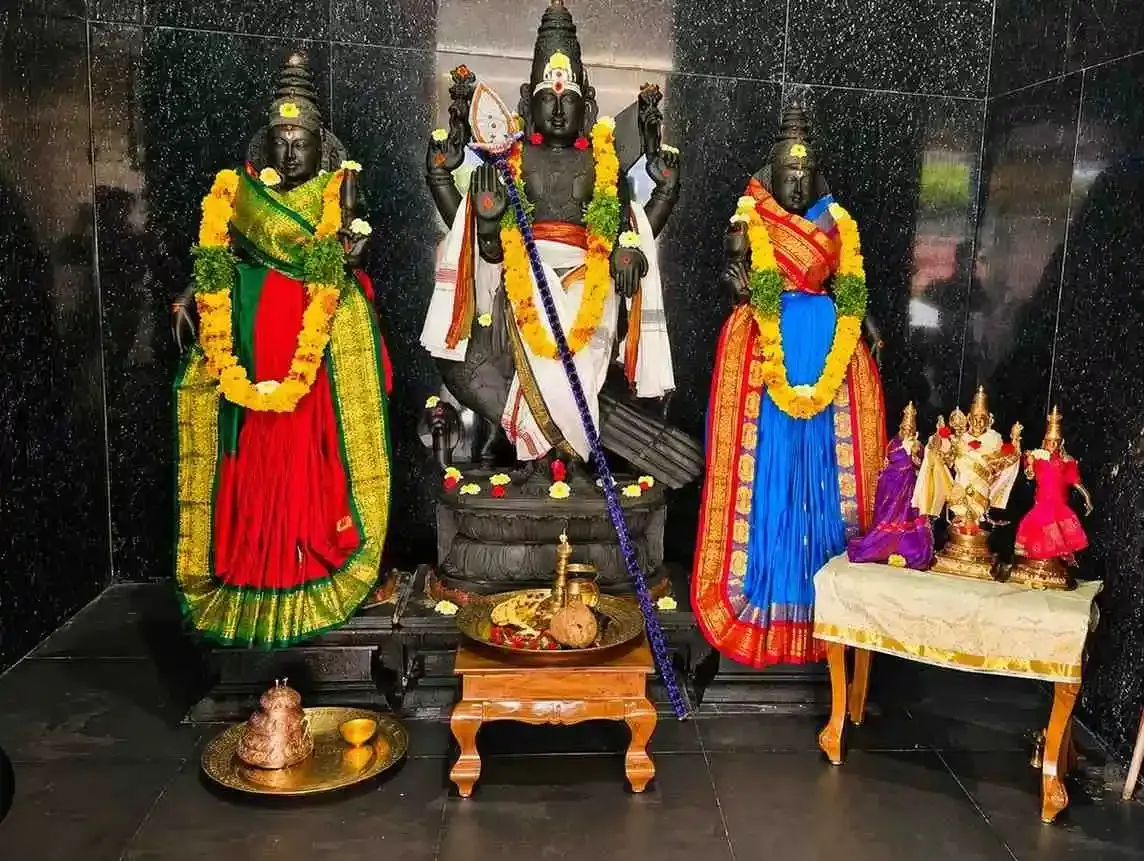
Sawan/Shravan 2026 — full guide to dates (North/Purnimanta starts 30 Jul; South/Amanta starts 13 Aug), Sawan Somvar Mondays, puja vidhi, Kanwar Yatra, 7-region NRI diaspora timing table for USA, UK, Australia, UAE, Singapore.
The holy month of Sawan (Shravan) 2026 is the most sacred month dedicated to Lord Shiva. In North India (Purnimanta calendar) it begins Thursday, 30 July 2026 and ends 28 August 2026. In South and West India (Amanta calendar — which HinduTone uses as primary), Shravana Masam begins 13 August 2026 and ends 11 September 2026. The ~15-day regional difference is one of the most-misunderstood points in Hindu festival calendars — and the most important fact a working family needs to get right before booking a fast or temple visit.
This is the comprehensive 2026 guide to Sawan dates, Shravan Somvar (Monday) Vrat, Sawan puja vidhi, Kanwar Yatra, and how Hindu families across India and the global diaspora can observe this month for maximum spiritual benefit. Always verify dates against a live local panchang for your city.
Why Sawan/Shravan Dates Differ by Region — Calendar Correctness
North India (Purnimanta system) measures a lunar month from full moon to full moon. Sawan 2026 starts the day after Ashadha Purnima (around 30 July) and ends on Shravana Purnima (around 28 August). The four Sawan Somvars (Mondays) fall on 3, 10, 17 and 24 August 2026.
South and West India (Amanta system) measures a lunar month from new moon to new moon. Shravana Masam 2026 starts around 13 August and ends 11 September. This is the calendar HinduTone uses primarily. The Shravana Somavaram Mondays in this system fall on 17, 24, 31 August and 7 September 2026.
Both calendars are correct within their own tradition. If your family observes the Hindi-belt / Nepali calendar, follow the North dates. If you observe a Telugu, Kannada, Tamil, or Marathi tradition, follow the Amanta dates. NRI families: follow your family's home-state tradition — both grant the same dharmic merit when observed sincerely.
Sawan Somvar (Monday) Vrat — Brief
Monday is Lord Shiva's day; each Monday of Sawan is therefore considered to grant the merit of many ordinary Mondays. Devotees observe jalabhishek (water offering), keep a fast (often nirjala for the strict, phalahar for most), chant Om Namah Shivaya and the Mahamrityunjaya Mantra, and visit Shiva temples for evening puja. The fast typically begins at sunrise and is broken after sunset puja.
Why Sawan Is the Holiest Month for Shiva — The Samudra Manthan Story
The Shiva Purana narrates: during the Samudra Manthan (churning of the cosmic ocean) by the devas and asuras, the deadly halahala poison emerged. To save creation, Lord Shiva drank the poison and held it in his throat — which turned blue, earning him the name Neelkanth. The devas poured Ganga water on Shiva to cool him, and the month in which this occurred became Sawan. To this day, Sawan jalabhishek (water offering) re-enacts that cooling — every drop of water poured on a Shivling during Sawan carries the merit of the Samudra Manthan devotee.
Sawan Puja Vidhi — At Home and in Temple
- Wake before sunrise. Bathe and wear clean clothes (yellow or white preferred).
- Sankalpa: state your intent to observe Sawan/Shravan for the merit of Lord Shiva.
- Set up a small altar with a Shivling (or framed image), oil lamp, white flowers, bel patra (essential for Shiva), bhasma (sacred ash), pure water.
- Abhishekam: pour water on the Shivling chanting "Om Namah Shivaya" 108 times. Add milk and water alternately for rudrabhishek.
- Offer bel patra one by one (or in groups of three for trifoliate leaves). NRI substitute: if bel patra is unavailable, rose petals or white flowers — Linga Purana confirms any leaf offered with devotion becomes bilva to Shiva.
- Recite Mahamrityunjaya Mantra 11 or 21 times: "Om Tryambakam Yajamahe Sugandhim Pushti Vardhanam, Urvarukamiva Bandhanan Mrityor Mukshiya Maamritaat."
- Read the Sawan Mahatmya or Shiva Purana excerpts.
- Aarti and naivedya (fruit, milk-sweet, or kheer). Break the fast after sunset.
Sawan Somvar Fast — Three Levels of Observance
- Nirjala (waterless): 24 hours, no food or water. Most spiritually potent but only for healthy adults — consult your doctor.
- Phalahar: only fruits, milk, sabudana, kuttu, sendha namak. Most common form, suitable for working professionals and seniors.
- One-meal vrat: one sattvic meal in the evening after sunset puja. Practical for diabetics, pregnant women (consult doctor), and the elderly.
Kanwar Yatra — The Sawan Pilgrimage
Kanwar Yatra is the most visible expression of Sawan in North India: millions of Kanwariyas walk hundreds of kilometres carrying decorated pots (kanwars) of Ganga water from Haridwar, Gangotri, or Sultanganj to their local Shiva temples, where the water is offered as jalabhishek on the Shravan Shivratri or any Sawan Monday. This 2026 yatra runs alongside the North Indian Sawan calendar (late July through August).
7-Region Diaspora Table — Local Sawan Somvar Timing
Lord Shiva accepts your local sunrise-to-sunset fast wherever in the world you are. Diaspora rule: the Sawan fast begins at YOUR local sunrise on the Monday and breaks after YOUR local sunset puja. Sample Monday (3 August 2026) sunrise + sunset by region:
- India (IST): sunrise ~05:50, sunset ~19:00 — Pradosh Kaal puja 18:00-19:30
- USA East Coast (EDT, UTC-4): sunrise ~5:55 AM, sunset ~8:15 PM local
- USA West Coast (PDT, UTC-7): sunrise ~6:00 AM, sunset ~8:05 PM local
- UK (BST): sunrise ~5:25 AM, sunset ~8:45 PM local
- UAE (GST): sunrise ~5:45 AM, sunset ~6:55 PM local
- Singapore (SGT): sunrise ~7:00 AM, sunset ~7:15 PM local
- Australia East (AEST): sunrise ~6:40 AM, sunset ~5:30 PM local (winter)
Verify sunrise and sunset for your exact city using a local panchang on the day. Lord Shiva accepts the bhava (devotion), not the longitude.
Sawan-Wide Festivals to Mark
- Hariyali Teej: green Teej for married Hindu women; falls in Sawan
- Nag Panchami: serpent worship
- Raksha Bandhan: the brother-sister thread festival; the last day of Sawan in North calendar (Shravana Purnima)
- Shravana Putrada Ekadashi: Vishnu vrat for sons within Sawan
- Sawan Shivratri: the Shivratri falling within Sawan; specifically meritorious for jalabhishek
Frequently Asked Questions
When does Sawan 2026 start exactly?
North India (Purnimanta): Thursday, 30 July 2026. South and West India (Amanta): Thursday, 13 August 2026. Both are correct within their tradition. Follow your family's home-state convention.
How many Sawan Somvars are there in 2026?
North calendar: 4 Mondays (3, 10, 17, 24 August). South/Amanta calendar: 4 Mondays (17, 24, 31 August, 7 September).
Can NRIs do jalabhishek if there is no Shiva temple nearby?
Yes — perform jalabhishek at home on a Shivling or framed image of Shiva. The water you pour, with sincere sankalpa, has the same merit as water offered at any temple worldwide. Many NRI families also watch live Pashupatinath Nepal or Trayambakeshwar streams on YouTube during their local Pradosh Kaal.
What can I eat during Sawan if I am observing a longer fast?
Phalahar foods are universally accepted: fruits, milk, yogurt, sabudana (tapioca), kuttu (buckwheat), singhada (water-chestnut) flour, sendha namak (rock salt), ginger, sweet potato. Avoid: regular rice, wheat, lentils, regular salt, onion, garlic, meat, eggs, alcohol.
Is Sawan only for women or for everyone?
Sawan is for everyone. Married women observe Hariyali Teej and Mangala Gauri Vrat with particular intensity, but Sawan Somvar Vrat is universal — men, women, children (over 10), elderly. Practice level is up to your health and schedule.
What is the difference between Sawan Somvar and Solah Somvar?
Sawan Somvar Vrat is observed on the Mondays within the Sawan month only. Solah Somvar Vrat (16 Mondays) is a separate vow — 16 consecutive Mondays of Shiva fasting, traditionally started in Sawan but continuing past it. Many devotees who finish Sawan Somvars continue to Solah Somvars for full benefit.
🕉 Om Namah Shivaya. May the holy month of Sawan 2026 bring you the cooling grace of Neelkanth, the strength to observe your vrat, and the bliss of Lord Shiva's presence. Har Har Mahadev. 🕉
You might also like

Mangala Gauri Vrat 2026: All Tuesday Dates and USA Puja Timings
Shravan Shanivara Vratam: Complete Rituals and Puja Vidhanam
Sravana Masam 2026 in Houston: Puja Timings, Temples & Varalakshmi Vratam