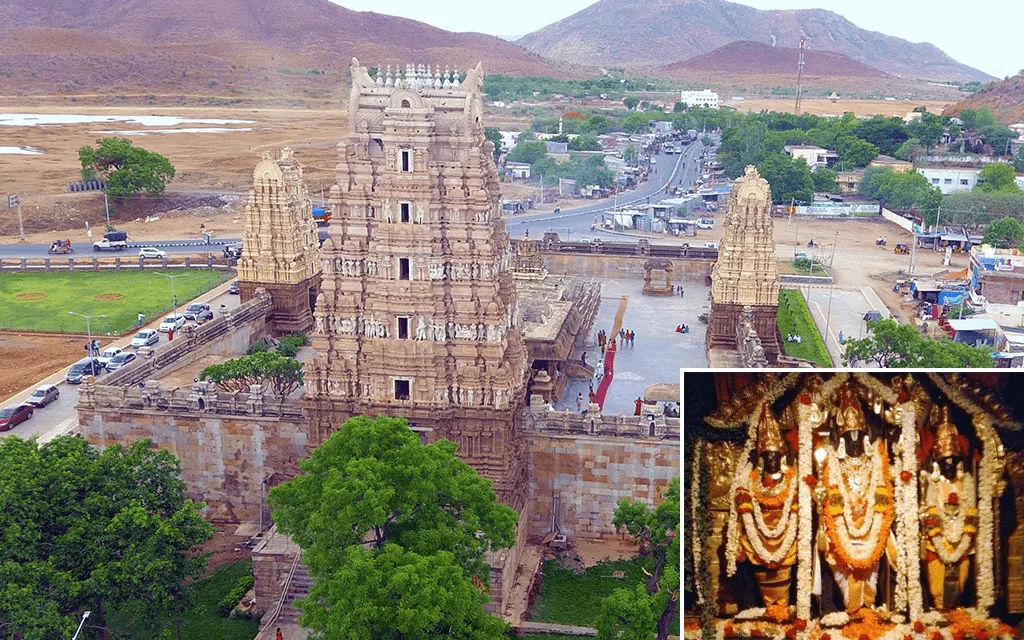
Sri Rama Navami 2026: Date, Significance, Puja Vidhi, Muhurat
Date, Importance, Rituals & How to Celebrate Published on HinduTone.com | Your Complete Guide to Hindu Festivals & Traditions Sri Rama Navami is one of the…
Date, Importance, Rituals & How to Celebrate
Published on HinduTone.com | Your Complete Guide to Hindu Festivals & Traditions
Sri Rama Navami is one of the most auspicious and widely celebrated Hindu festivals, marking the birth anniversary of Lord Rama — the seventh avatar of Lord Vishnu. Observed on the ninth day (Navami) of Shukla Paksha in the month of Chaitra, this festival fills homes and temples with the divine chants of 'Jai Shri Ram' across India and around the world.
In 2026, Sri Rama Navami falls on a highly significant date. This comprehensive guide by HinduTone covers everything you need to know — the exact date and muhurat, the deep spiritual importance of the festival, step-by-step rituals, fasting rules, and regional traditions.
Sri Rama Navami 2026 Date and Timings
Sri Rama Navami 2026 Date: Thursday, March 26, 2026 (ISKCON: Friday, March 27)
Sri Rama Navami is celebrated on Chaitra Shukla Navami. In 2026, Drik Panchang (New Delhi) lists Sri Rama Navami on Thursday, March 26 for Smarta households and Friday, March 27 for ISKCON (Vaishnava) followers.
Rama Navami 2026 Muhurat Timings
Note: Exact timings may vary slightly by city and region. Always cross-check with a local panchang for precise muhurat in your area.
• Navami Tithi: check Drik Panchang for the exact start and end in your city
• Navami Tithi Ends: March 26, 2026 — approximately 5:00 PM
• Madhyahna Muhurat (Midday Puja — most auspicious): 11:00 AM to 1:30 PM (March 26)
• Lord Rama's Birth Time (Abhijit Muhurat): Around 12:00 PM noon on March 26
The midday period (Madhyahna) on Navami is considered the most sacred time to perform Rama Navami puja, as Lord Rama is believed to have been born at noon.
Significance and Importance of Sri Rama Navami
Sri Rama Navami holds immense spiritual, cultural, and ethical significance in Hinduism. It is not merely a birthday celebration — it is a festival that celebrates the triumph of righteousness (dharma) over evil, truth over falsehood, and devotion over ignorance.
1. Birth of Lord Rama — The Ideal Man
Lord Rama, born to King Dasharatha and Queen Kaushalya in Ayodhya, is revered as Maryada Purushottam — the ideal man who upheld dharma under all circumstances. His life, as narrated in the Valmiki Ramayana, serves as a timeless guide to virtuous living, selfless duty, and unwavering devotion.
2. Victory of Dharma
Rama Navami commemorates the divine mission of Lord Rama to destroy the demon king Ravana and restore dharmic order in the world. His story teaches that righteousness always ultimately prevails over evil — a message as relevant today as it was in ancient times.
3. Spiritual Liberation and Blessings
Devotees believe that sincere prayer and fasting on Rama Navami can wash away sins, fulfill wishes, and bring the devotee closer to moksha (liberation). Chanting the Rama Nama on this day is considered a thousand times more powerful than on ordinary days.
4. Cultural and National Importance
Rama Navami is not just a religious festival but a cultural institution. Celebrated across India — from the grand processions in Ayodhya and Rameswaram to the chariot festivals in Andhra Pradesh and the Kalyanotsavams in Tamil Nadu — it unites millions of Hindus in devotion and joy.
5. Connection to Hanuman Jayanti
Interestingly, in many parts of South India, Hanuman Jayanti is also celebrated on Chaitra Purnima, just days after Rama Navami, creating an extended period of Ramayana-inspired festivity and devotion.
Sri Rama Navami Rituals: Step-by-Step Puja Vidhi
Here is a complete guide to performing Sri Rama Navami puja at home and in temples:
Step 1: Preparation and Cleansing (Morning)
• Wake up before sunrise (Brahma Muhurat) and take a purifying bath.
• Wear clean, preferably yellow or white clothes (auspicious for Vishnu worship).
• Clean the puja room or altar and decorate with fresh flowers, especially lotus and marigold.
• Place an idol or image of Lord Rama, Sita, Lakshmana, and Hanuman on the altar.
Step 2: Sankalpa (Vow of Devotion)
Take a sankalpa — a sacred vow — to observe the fast and perform the puja with pure devotion. Offer water (Achamana) and purify yourself before the ritual.
Step 3: Puja Items (Samagri) Required
• Idol/image of Lord Rama and family
• Panchamrit (milk, curd, honey, ghee, sugar)
• Tulsi leaves (holy basil — most dear to Lord Vishnu)
• Fresh flowers (lotus, marigold, jasmine)
• Fruits, especially bananas and coconut
• Incense sticks (agarbatti) and camphor (kapoor)
• Akshat (unbroken rice mixed with turmeric)
• Gangajal (holy water) or regular clean water
• Chandan (sandalwood paste)
• Yellow or white cloth for the deity
Step 4: Puja Procedure
• Begin by lighting a lamp (diya) with ghee and invoking Lord Ganesha for blessings.
• Perform Abhishek: Bathe the idol with Panchamrit, then with clean water.
• Apply chandan tilak to the deity's forehead.
• Offer tulsi leaves, flowers, and fruits.
• Light incense sticks and wave them before the deity (Dhoop Aarti).
• Perform the main Aarti with camphor or ghee lamp, singing Rama aarti songs.
• Recite the Rama Ashtakam, Rama Raksha Stotra, or Vishnu Sahasranama.
• Read or listen to the Sundara Kanda or Ramacharitmanas.
• Offer prasad (usually Panchamrit, fruits, and sweets) and distribute to family.
Step 5: Chanting and Katha
Chant the Rama Nama continuously: "Jai Shri Ram" or "Sri Ram Jai Ram Jai Jai Ram." Organizing or attending a Rama Katha (narration of Ramayana) is considered extremely meritorious on this day. Many families recite the entire Ramayana or at least the Bal Kanda (Birth Chapter).
Step 6: Aarti and Prasad Distribution
Conclude the puja with the singing of Rama aarti. Distribute prasad to all family members and, if possible, to neighbors and the poor. Giving food to the needy on Rama Navami is considered especially virtuous.
Rama Navami Fasting Rules (Vrat Vidhi)
Fasting (Vrat) on Rama Navami is considered a highly meritorious act. Here are the fasting guidelines:
Who Should Fast?
Any devotee who wishes to observe Rama Navami vrat can do so. It is particularly recommended for those seeking health, prosperity, removal of obstacles, or spiritual merit. Pregnant women, the seriously ill, and young children are generally exempt.
Fasting Rules
• Observe a complete fast (Nirjala — without even water) or a partial fast (fruits and milk only) throughout the day.
• Avoid grains, non-vegetarian food, onion, garlic, and alcohol on this day.
• Many devotees consume only fruits, dry fruits, sabudana (sago), and sendha namak (rock salt) permitted on vrat days.
• The fast is broken after performing the evening puja and aarti, ideally after sunset.
• Some devotees break the fast at noon (Madhyahna) after the midday puja, as this is when Lord Rama was born.
Fruits and Foods Allowed on Vrat
• Fresh fruits — bananas, mangoes, apples, pomegranates
• Milk, curd, and Panchamrit
• Sabudana khichdi or vrat-friendly preparations
• Dry fruits and nuts
• Coconut water
• Singhara (water chestnut) flour preparations
Regional Celebrations of Rama Navami Across India
Ayodhya, Uttar Pradesh
Ayodhya, the birthplace of Lord Rama, witnesses the grandest celebrations in the country. The entire city is illuminated with lights, massive processions (Shobha Yatra) carrying the idol of infant Rama are taken out, and millions of devotees throng the Saryu River ghats for holy dips. Temples like Ram Janmabhoomi, Kanak Bhavan, and Hanuman Garhi resonate with bhajans and kirtans.
Rameswaram, Tamil Nadu
In the holy town of Rameswaram, Ramanathaswamy Temple hosts elaborate Kalyanotsavam (divine wedding ceremony) of Lord Rama and Sita, drawing lakhs of pilgrims. The festival spans several days with grand rituals and processions.
Andhra Pradesh and Telangana
These states are famous for the spectacular Sita Kalyanam processions, where beautifully decorated chariots carrying idols of Rama and Sita are pulled through streets by thousands of devotees. Bhadrachalam Rama Temple is a particularly famous destination for Rama Navami festivities.
Karnataka and Maharashtra
Grand puja events, Ramayana recitals, and cultural programs are organized in temples and community halls. The ISKCON temples across these states host special Rama Navami celebrations with bhajans, feasts, and processions.
Odisha
In Odisha, Rama Navami coincides with the state's own rich traditions of Ramayana devotion, with elaborate rituals in Jagannath temples and community kirtans.
Significance of Chanting Rama Nama on Rama Navami
Hindu scriptures and saints have repeatedly emphasized the infinite power of the Rama Nama (name of Rama). The Narada Bhakti Sutras, Tulsi Das's Ramacharitmanas, and the teachings of saints like Tukaram and Mirabai all celebrate the divine power of chanting 'Ram.'
On Rama Navami specifically, chanting the following is considered especially powerful:
• "Sri Ram Jai Ram Jai Jai Ram" — the traditional Nama Japa
• "Jai Shri Ram" — the popular devotional chant
• Rama Ashtottara Shatanamavali (108 names of Rama)
• Rama Raksha Stotra — a protective hymn attributed to Saint Budha Kaushika
• Hanuman Chalisa — as Hanuman is Lord Rama's greatest devotee
Temples to Visit on Sri Rama Navami 2026
If you wish to visit a temple on Rama Navami 2026, here are some of the most significant Rama temples in India:
• Ram Janmabhoomi Temple, Ayodhya (Uttar Pradesh)
• Ramanathaswamy Temple, Rameswaram (Tamil Nadu)
• Bhadrachalam Rama Temple, Bhadrachalam (Telangana)
• Sita Ramachandra Swamy Temple, Bhhadrachalam (AP)
• Kodandarama Swamy Temple, Vontimitta (Andhra Pradesh)
• Kalaram Temple, Nashik (Maharashtra)
• Rama Temple, Chitrakoot (Madhya Pradesh)
• Srirangam Ranganathaswamy Temple (Tamil Nadu)
Sri Rama Navami 2026 – Quick Reference Summary
Festival: Sri Rama Navami 2026
Date: Thursday, March 26, 2026 (ISKCON: Friday, March 27)
Tithi: Chaitra Shukla Navami
Most Auspicious Muhurat: 11:00 AM – 1:30 PM (Madhyahna)
Deity: Lord Rama (7th Avatar of Lord Vishnu)
Significance: Birth Anniversary of Lord Rama
Main Rituals: Puja, Abhishek, Fasting, Katha, Kirtans, Processions
Prasad: Panchamrit, fruits, tulsi, sweets
Frequently Asked Questions (FAQs) – Sri Rama Navami 2026
Q1. When is Sri Rama Navami in 2026?
Sri Rama Navami in 2026 falls on Thursday, March 26, 2026 (ISKCON: Friday, March 27). The Navami Tithi begins on the evening of March 27 and extends through March 26.
Q2. Why is Rama Navami celebrated?
Rama Navami is celebrated to mark the birth of Lord Rama, the seventh avatar of Lord Vishnu, who appeared on Earth to restore dharma and destroy evil. It is a celebration of virtue, righteousness, and divine love.
Q3. What is the best time to perform Rama Navami puja?
The Madhyahna Muhurat (midday) is the most auspicious time to perform Rama Navami puja in 2026 — approximately from 11:00 AM to 1:30 PM on March 26, 2026.
Q4. Can we eat food during Rama Navami fast?
Yes, during Rama Navami vrat, you can consume fruits, milk, curd, sabudana preparations, dry fruits, and other vrat-permitted foods. Grains, non-vegetarian food, onion, and garlic are avoided.
Q5. Is Rama Navami a national holiday in India?
Rama Navami is a gazetted public holiday in several states of India, including Andhra Pradesh, Telangana, Karnataka, Chhattisgarh, and Jharkhand. In other states, it may be an optional holiday.
Q6. What is the connection between Rama Navami and Sundara Kanda?
Many devotees recite the Sundara Kanda — the fifth chapter of Valmiki Ramayana, which narrates Hanuman's devotion to Rama — on Rama Navami. It is considered highly auspicious and is believed to bring blessings, remove obstacles, and fulfil devotees' wishes.
Conclusion
Sri Rama Navami 2026 on March 26 is a golden opportunity for every devotee to connect with the divine energy of Lord Rama. Whether you fast, perform puja, chant the Rama Nama, listen to Ramayana, or visit a temple, each act of devotion brings you closer to the qualities that Lord Rama embodied: truth, compassion, courage, and unwavering dharma.
At HinduTone.com, we believe that celebrating festivals like Rama Navami is not just a tradition — it is a living, breathing connection to the spiritual heritage of Bharat. May Lord Rama bless you and your family with health, happiness, and righteousness on this auspicious day.
Jai Shri Ram!
Article by HinduTone.com — Celebrating Hindu Culture, Festivals & Traditions
Share this with family and friends
Send it on WhatsApp, post it, or copy the link.
You might also like
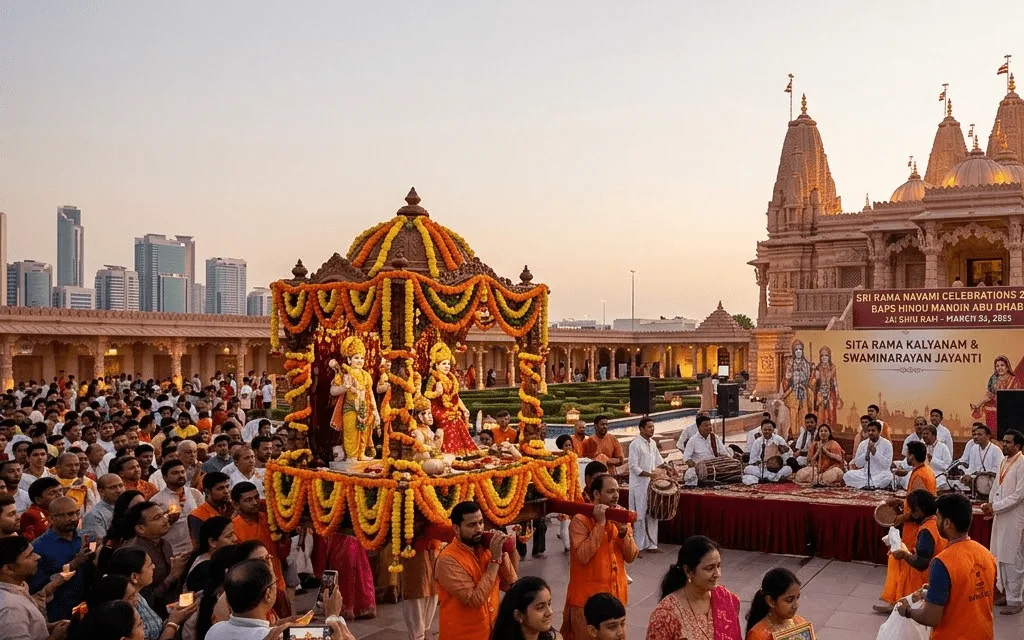
Sri Rama Navami 2026 Celebrations in UAE
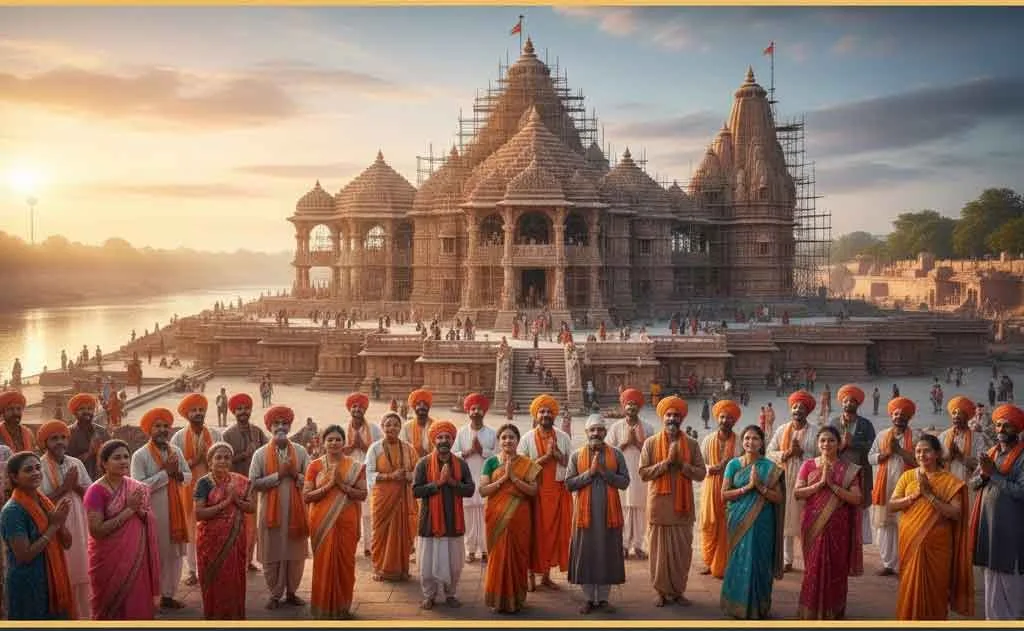
Sri Rama Navami 2026 in AyodhyaThe Divine Celebration at Ram Mandir
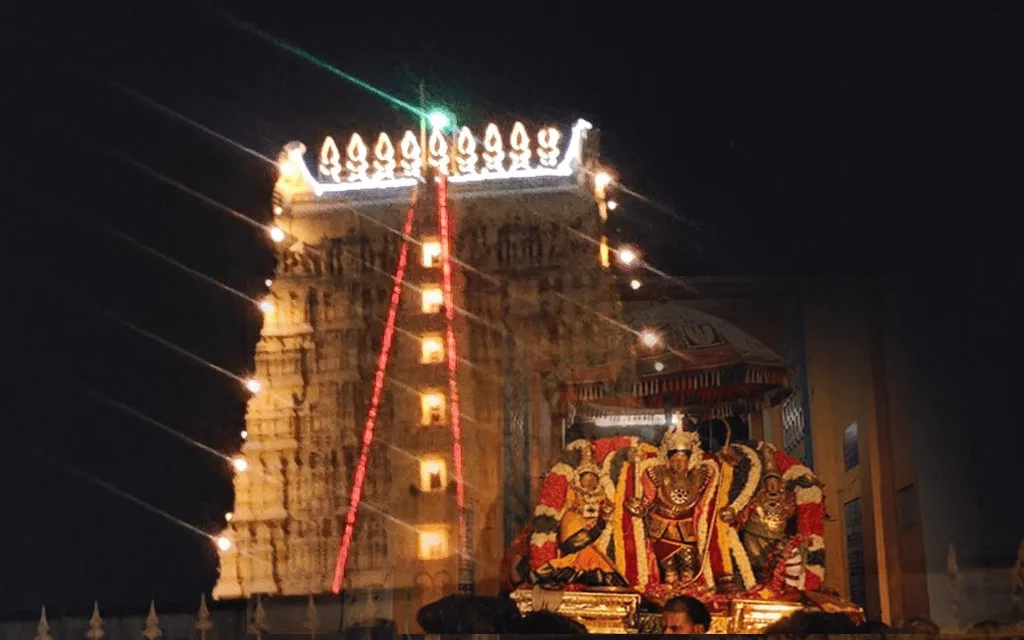
Grand Sri Rama Navami Celebrations at Sri Kothandaramar Temple, Rameswaram – Complete 2026 Guide for Devotees