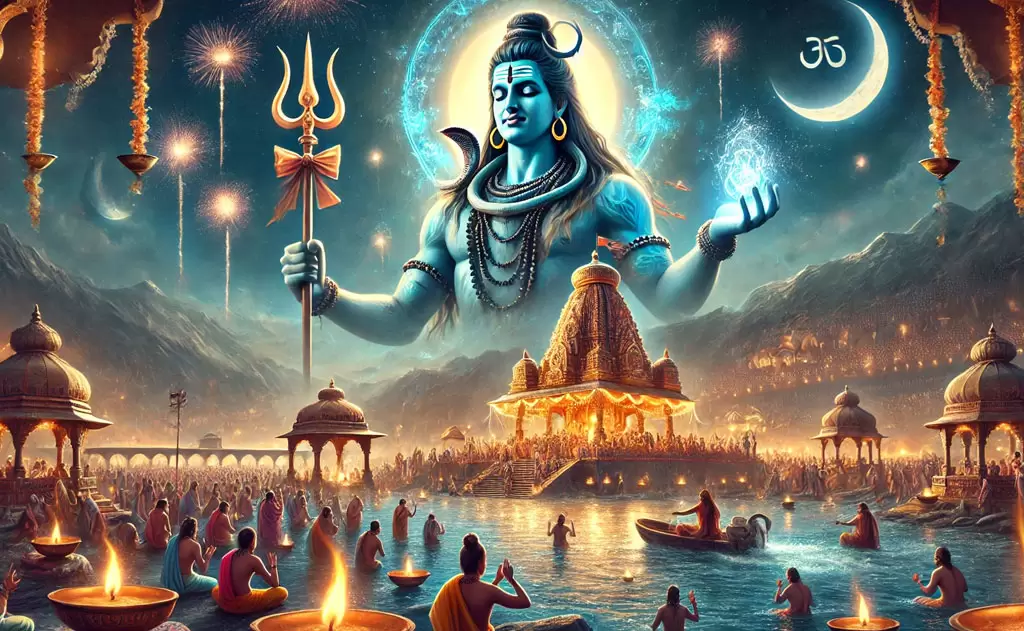
Bhagawan Lovingly Explains – The Path to Attaining God
Q. How to Attain God? Men shed tears for wealth and children, but how many weep for not seeing God?

Q. How to Attain God? Men shed tears for wealth and children, but how many weep for not seeing God?
Q. How to Attain God?
Men shed tears for wealth and children, but how many weep for not seeing God? Verily, he who seeks and yearns for Him with a true heart attains Him.
Q. When Can One Realize God?
A man cannot realize God unless he renounces everything mentally.
Q. How to Acquire Yearning for God?
Spiritual life is fruitless without yearning. By staying in the company of holy men, the soul becomes restless for God.
Q. Who Finds God the Quickest?
He who seeks God with genuine zeal and concentration finds Him the fastest. Try sincerely for three days, and you shall witness the truth.
Q. How Much Intense Love is Needed to Realize God?
Love God as intensely as:
- A mother loves her child
- A chaste wife loves her husband
- A worldly man loves his wealth
Combine these three forces of love and direct them to God, and you shall see Him.
Q. How Can One Turn His Passions Towards God?
One cannot eliminate lust, anger, or greed entirely. Instead, direct them toward God.
- Desire only the love of God.
- Be greedy to attain Him.
- Be proud, but only as a servant of God.
Q. What is the Sign That One Will See God Soon?
A disciple once asked, "How can I see God?" The guru took him to a lake and submerged his head underwater. When released, the disciple gasped for air. The guru said, "When you long for God as you longed for air, you will see Him soon."
Q. How to Live in the World?
Live as a maidservant in her master’s house. She cares for it as her own but knows her real home lies elsewhere. Similarly, live in the world, but keep your heart fixed on God.
Q. Who is a Blessed Person?
A man may live in a cave, practice austerities, and fast, but if his mind clings to worldly desires, shame on him! But blessed is he who eats, drinks, and lives freely yet keeps his mind pure.
Q. Must One Always Live in Solitude?
A young tree needs a fence to protect it from cattle, but once strong, it needs no protection. Similarly, protect your mind with discipline in the early stages, and once strong, solitude is unnecessary.
Q. Why Should One Practice Continence?
A man who practices absolute continence for twelve years develops divine understanding and gains the power to realize God. Purity of mind and body leads to divine wisdom.
Love All, Serve All, Pray for All
(Divine Discourse)
#SanatanDharma #SpiritualWisdom #HinduTemples #BhagawanTeachings #PathToGod #SelfRealization #SpiritualAwakening
What Do the Upanishads Say About the Intensity Required to Know God?
The Mundaka Upanishad declares: 'Nayam atma pravacanena labhyo na medhaya na bahuna shrutena' — the Self cannot be attained by lectures, by intellect, or by much learning alone. It is attained only by the one whom the Self chooses, and to that seeker the Self reveals Its own form. This is not a counsel of passivity but a pointer to the quality of longing required: the seeker must become so wholly available to God that God Himself draws near.
The Katha Upanishad reinforces this through the dialogue between the young Nachiketa and Yama, the Lord of Death. Nachiketa refuses every worldly boon — wealth, kingdom, heavenly pleasures — and insists only on the knowledge of the Atman. Yama, testing him repeatedly, finally acknowledges that such single-pointed desire is itself the doorway. The teaching mirrors the guru's lesson with the lake: only when the soul wants nothing else will the Supreme reveal Itself.
How Does the Bhagavata Purana Describe the Three Streams of Love Merged Into Devotion?
The Shrimad Bhagavata Purana, in its Eleventh Skandha, presents a remarkable taxonomy of devotional love through the teaching of the Avadhoota Dattatreya to King Yadu. Among the twenty-four gurus the Avadhoota names, the pigeon teaches fierce parental attachment, and the honeybee teaches single-minded gathering — both pointing to the quality of love described in the article: the mother's tenderness, the wife's fidelity, and the worldly man's greed, all redirected toward the Divine.
This redirection is technically called 'vishaya-vairagya-sahita bhakti' — devotion accompanied by dispassion toward objects — but it does not require suppression of emotional energy. Rather, the full force of kama (desire), lobha (greed), and mada (pride) is channelled through what the Narada Bhakti Sutras call 'para-prema' — supreme love — so that the devotee's entire emotional life becomes a single flame pointed at God.
Which Great Devotees in the Itihasas Exemplify This Total Mental Renunciation?
Prahlada, whose story occupies the Seventh Skandha of the Bhagavata Purana, demonstrates mental renunciation from childhood. Born in a royal palace, surrounded by demoniac instruction and even subjected to attempts on his life, Prahlada never relinquished the inner remembrance of Vishnu. His renunciation was not of palace walls but of the sense that anything other than Narayana could be a refuge — a perfect illustration of the teaching that God cannot be realised unless one renounces everything 'mentally'.
Similarly, in the Ramayana, Shabari of the Matanga ashrama in the Dandakaranya forest waited decades for Rama's arrival, her entire existence reduced to that single anticipation. She did not abandon her humble hut or her daily gathering of berries; she abandoned the possibility of finding meaning anywhere else. When Rama finally arrived at her hermitage near the present-day region of Karnataka, her joy was the joy of one who had held the longing without wavering — the very sign the guru in the lake parable describes.
What Is the Role of Satsanga — Holy Company — in Generating True Yearning?
The article notes that staying in the company of holy men makes the soul restless for God. This process has a precise name in the Vedantic tradition: 'satsanga' or 'satsangati', and its mechanics are explained in the Vivekachudamani of Adi Shankaracharya, who lists it as the very first rung of the ladder of liberation. Satsanga does not merely transmit information; it transmits a quality of longing that is contagious at a subtle level, what the tradition calls 'sphurana' — a spontaneous vibration of divine aspiration kindled by proximity to those already aflame.
The Bhagavata Purana's First Skandha opens with the gathering at Naimisharanya forest, where thousands of sages assembled around Suta Goswami to hear the stories of Vishnu. The very act of assembling — leaving home, sitting together, listening — is itself described as 'sadhu-sanga', the association of the holy, and is praised as the boat that carries one across the ocean of birth and death. Pilgrimage centres such as Tiruvannamalai in Tamil Nadu, Vrindavana in Uttar Pradesh, and Pandharpur in Maharashtra have historically served as nodes of exactly this kind of collective yearning.
How Does the Metaphor of the Maidservant Find Expression in Classical Bhakti Literature?
The image of living in the world as a maidservant lives in her master's house — caring for it without owning it — resonates deeply with the 'dasya bhava' (servant attitude) described by Narada in the Bhakti Sutras and elaborated by saint-poets across India. Tulsidas in the Ramcharitmanas repeatedly signs his verses as 'Tulsi Das' — servant of Tulsi, servant of Rama — signalling that the poet's entire identity is structured around belonging to another. The maidservant knows her real home lies elsewhere; Tulsidas's real home is Ayodhya, the abode of Rama.
The Alvars of Tamil Vaishnavism, particularly Nammalvar in the Tiruvaimozhi, use the metaphor of the separated soul as a young woman pining for her Lord, fully engaged in the world's tasks yet inwardly belonging to none of it. This 'parakiya bhava' — the sense of belonging to another — maps directly onto the article's counsel: do the world's work, but keep the heart fixed on God. It is a spirituality not of withdrawal but of radical inner re-ownership.
What Practical Discipline Bridges the Gap Between Ordinary Life and Constant God-Remembrance?
The Vishnu Sahasranama, recited as part of daily worship across India, and the practice of 'naama-smarana' — continuous remembrance of the Divine Name — serve as the most widely recommended bridge between worldly engagement and inner absorption. The Padma Purana states that the Name of Rama is equal in weight to the thousand names of Vishnu, and saint Eknath of Paithan in Maharashtra taught that a householder can practise naama-smarana while cooking, farming, or trading, never needing to leave the marketplace to find God.
The discipline of gradually reducing mental scatter through a fixed daily practice — even fifteen minutes of silent japa with a mala at the same hour each day — creates what the Yoga Sutras of Patanjali call 'abhyasa', sustained practice, which when combined with 'vairagya', inner detachment, produces the steady mind capable of receiving God's grace. The young tree, as the article says, needs the fence of such discipline; the fence is not a prison but a nursery, and the fruit it protects will one day give shade to others.
Frequently Asked Questions
How much love is needed to realize God?
Love God as intensely as a mother loves her child, a chaste wife loves her husband and a worldly man loves his wealth. Combining these three forces of love and directing them to God is said to bring the vision of Him.
How can one acquire yearning for God?
Spiritual life is fruitless without yearning, and staying in the company of holy men makes the soul restless for God. This is satsanga, listed by Adi Shankaracharya in the Vivekachudamani as the first rung of the ladder of liberation.
What is the lake story about longing for God?
A guru submerged a disciple's head underwater, and the disciple gasped for air when released. The guru said that when you long for God as you longed for air, you will see Him soon.
How should one live in the world while seeking God?
Live like a maidservant in her master's house, caring for it as her own while knowing her real home lies elsewhere. Do the world's work, but keep the heart fixed on God.
Can lust, anger and greed be used on the spiritual path?
They cannot be eliminated entirely, so direct them toward God. Desire only the love of God, be greedy to attain Him, and be proud only as a servant of God.
You might also like

The Sacred Panchmukhi Shivling at Chandrashila Summit: A Divine Journey of Spirituality and Beauty
Om Namo Narayanaya

ISKCON Representatives Meet Director Boyapati Sreenu, Laud 'Akhanda 2' for Promoting Sanatan Dharma