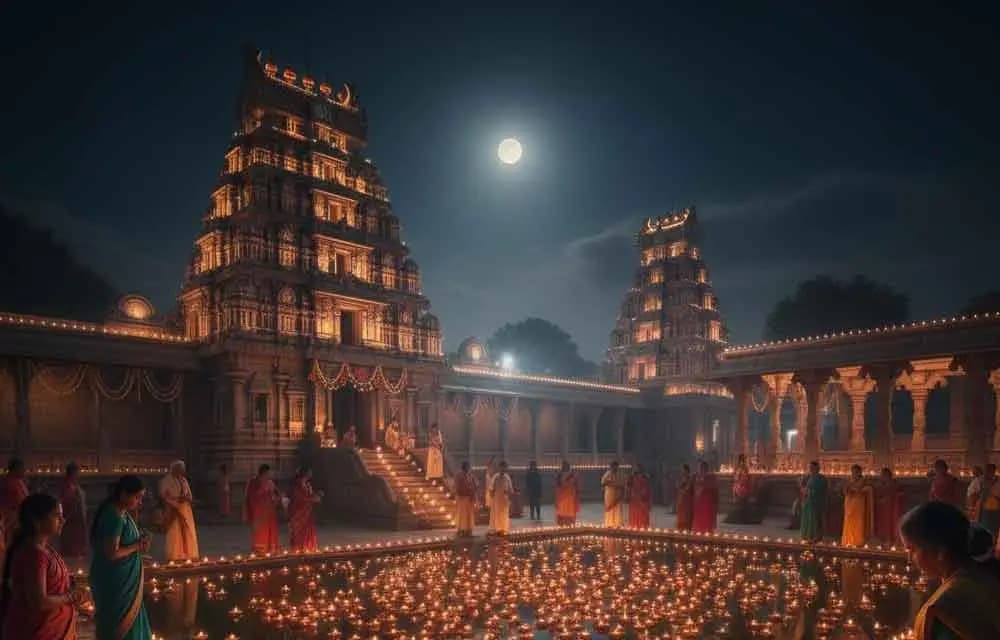
Hinduism in Canada 2026: Complete Guide to Hindu Festivals, Sacred Mantras, Temple Life & Spiritual Practices for Canadian Hindus
Hinduism in Canada 2026: Complete Guide to Hindu Festivals, Sacred Mantras, Temple Life & Spiritual Practices for Canadian Hindus Introduction: The Flourishing…

Hinduism in Canada 2026: Complete Guide to Hindu Festivals, Sacred Mantras, Temple Life & Spiritual Practices for Canadian Hindus Introduction: The Flourishing…
Hinduism in Canada 2026: Complete Guide to Hindu Festivals, Sacred Mantras, Temple Life & Spiritual Practices for Canadian Hindus
Introduction: The Flourishing Hindu Community and Sanatana Dharma in Canada 2026
In 2026, Hinduism continues to thrive magnificently across Canada, establishing itself as one of the nation's largest and fastest-growing religious communities. From the vibrant Hindu temples in Ontario's Greater Toronto Area to the flourishing communities in British Columbia's Lower Mainland, from the growing Hindu presence in Alberta's major cities to the established communities in Quebec, Canadian Hindus are creating a rich tapestry of spiritual life that honors ancient Vedic wisdom while embracing Canadian multiculturalism.
For Indian-origin Canadians, second-generation Hindu Canadians, and global practitioners of Sanatana Dharma, Hinduism represents far more than religious faith. It embodies cultural identity, ancestral connection, philosophical grounding, and a comprehensive spiritual framework for navigating the complexities of contemporary Canadian society.
Despite the demands of modern Canadian lifestyles—career pressures, long winters, technological distractions, and the fast-paced nature of urban living—Hindu Canadians remain profoundly connected to their spiritual roots through temple worship, festival celebrations, daily mantra recitation, yoga practice, and meditation.
Understanding Hinduism and Sanatana Dharma for Canadian Hindu Families in 2026
What Makes Hinduism Unique Among Canadian Religious Communities
Hinduism, known traditionally as Sanatana Dharma (the Eternal Way), stands apart from other religious traditions practiced in Canada through its remarkable philosophical depth, spiritual diversity, and adaptable nature. Unlike religions centered on a single prophet or scripture, Hindu dharma encompasses multiple paths to divine realization, including devotional worship (bhakti), knowledge (jnana), selfless action (karma), and meditation (dhyana).
For Canadian Hindu families raising children in this nation, Sanatana Dharma offers a comprehensive worldview that addresses life's deepest questions about consciousness, karma, reincarnation, dharma (righteous living), and moksha (spiritual liberation). This philosophical richness helps Hindu youth navigate complex ethical questions while maintaining strong cultural and spiritual identity.
The Hindu concept of "unity in diversity" resonates particularly well with Canadian multicultural values, making it easier for Hindu Canadians to practice their faith authentically while fully participating in mainstream Canadian society.
Core Hindu Beliefs and Vedic Philosophy for Modern Canadian Hindus
Canadian Hindus in 2026 continue to draw guidance from timeless Vedic principles that remain profoundly relevant to contemporary life. These foundational Hindu beliefs include the recognition of Brahman (ultimate reality), the eternal nature of the Atman (individual soul), the law of karma (cause and effect), the cycle of samsara (rebirth), and the ultimate goal of moksha (liberation from the cycle of birth and death).
The Bhagavad Gita provides practical wisdom for Canadian Hindus balancing material success with spiritual growth. Its teachings on performing one's duty without attachment to outcomes speak directly to professionals managing demanding careers while seeking spiritual fulfillment.
Vedic philosophy's emphasis on ahimsa (non-violence), satya (truthfulness), and dharma (righteous living) provides ethical frameworks that help Hindu Canadians make decisions aligned with both their spiritual values and Canadian civic responsibilities.
Major Hindu Festivals Celebrated by Canadian Hindus in 2026: Dates, Rituals and Community Events
Diwali 2026 in Canada: Hindu Festival of Lights Celebrations Across Canadian Cities
Diwali, the magnificent Hindu festival of lights celebrating the victory of light over darkness and good over evil, will be observed by Canadian Hindu communities on October 20, 2026 (though regional variations may cause some communities to celebrate on adjacent days). This five-day celebration represents the most widely observed Hindu festival in Canada, with spectacular public celebrations now held in major Canadian cities.
In 2026, Canadian Hindu temples from the BAPS Shri Swaminarayan Mandir in Toronto to the Lakshmi Narayan Mandir in Surrey will host elaborate Diwali celebrations featuring traditional oil lamp lighting ceremonies, Lakshmi puja (worship of the goddess of prosperity), classical Indian dance performances, vegetarian feast offerings, and fireworks displays that illuminate Canadian neighborhoods.
Major cities including Toronto, Vancouver, Calgary, Edmonton, Ottawa, and Montreal now recognize Diwali with official proclamations, public events in civic centers and parks, and increasing numbers of Canadian companies granting Hindu employees time off for this sacred celebration. Parliament Hill in Ottawa hosts annual Diwali celebrations, demonstrating the festival's recognition at the national level.
Canadian Hindu families celebrate Diwali by thoroughly cleaning and decorating their homes with rangoli (colorful floor designs), illuminating their residences with countless diyas (oil lamps) and electric lights, performing elaborate pujas to Goddess Lakshmi and Lord Ganesha, exchanging gifts and sweets with family and friends, and wearing new traditional Indian clothing.
Holi 2026 Festival of Colors: Hindu Spring Celebration in Canada
The exuberant Hindu festival of Holi, celebrating the arrival of spring, the triumph of good over evil, and the divine love of Radha and Krishna, will be celebrated by Canadian Hindus on March 14, 2026. This joyous occasion has gained remarkable popularity beyond the Hindu community, with massive Holi color powder celebrations now drawing tens of thousands of participants across Canadian cities.
Major Canadian Hindu temples and cultural organizations organize spectacular Holi events featuring traditional color powder throwing, devotional singing of Holi songs and bhajans, vegetarian Indian food stalls serving traditional Holi delicacies like gujiya and thandai, Bollywood dance performances, and children's activities that introduce young Canadians to Hindu cultural traditions.
Cities with significant Hindu populations including Brampton, Mississauga, and Markham in Ontario; Surrey, Richmond, and Burnaby in British Columbia; and Calgary and Edmonton in Alberta host massive community Holi celebrations that have become anticipated annual events attracting diverse audiences interested in experiencing Hindu cultural traditions.
For Canadian Hindu families, Holi represents an opportunity to transmit important dharmic values to children through the festival's underlying stories about Prahlada's devotion to Vishnu, Krishna's playful love with the gopis of Vrindavan, and the burning of Holika symbolizing the destruction of evil—particularly meaningful during Canada's late winter season as spring approaches.
Navratri and Durga Puja 2026: Nine Nights of Divine Mother Worship in Canadian Hindu Temples
Navratri, the nine-night festival dedicated to worshiping the Divine Mother in her various forms as Durga, Lakshmi, and Saraswati, will be celebrated by Canadian Hindu communities from October 3-11, 2026. This spiritually significant period represents one of the most elaborate and devotionally intense celebrations in the Hindu calendar, with Canadian temples transforming into centers of continuous worship, classical music, and traditional dance.
For Bengali Hindu Canadians, Durga Puja represents the year's most important religious and cultural celebration, with elaborate pandals (temporary shrines) erected in community centers across cities like Toronto, Montreal, Ottawa, and Vancouver. These installations feature stunning artistic depictions of Goddess Durga defeating the buffalo demon Mahishasura, accompanied by traditional dhunuchi dance, Bengali cultural programs, and authentic Bengali feast offerings.
Gujarati Hindu Canadians celebrate Navratri with extraordinary enthusiasm through nightly Garba and Dandiya Raas dance events that have become some of the largest organized dance gatherings in Canada. Major Navratri celebrations in cities like Brampton, Mississauga, Surrey, and Calgary attract thousands of participants nightly, with elaborate traditional costumes, live musicians playing traditional Gujarati folk music, and dance competitions that showcase the vibrant energy of Hindu cultural expression.
Canadian Hindu temples conduct special daily pujas during Navratri, including Kumari Puja (worship of young girls as embodiments of the Divine Mother), extended aarti ceremonies, devotional singing of Devi Stotras and Shlokas, and spiritual discourses on Devi Mahatmya scriptures exploring the theological significance of Divine Feminine worship in Hindu tradition.
Ganesh Chaturthi 2026: Lord Ganesha Festival Celebrations in Canadian Hindu Communities
Ganesh Chaturthi, the beloved Hindu festival celebrating the birth of Lord Ganesha, the elephant-headed deity who removes obstacles and bestows wisdom, will be observed by Canadian Hindu devotees on August 31, 2026. This ten-day celebration holds special significance for Hindu Canadians as Ganesha is traditionally invoked at the beginning of all new ventures, making him particularly relevant for immigrant families establishing new lives in Canada.
Major Hindu temples across Canada install beautiful Ganesha murtis (sacred images) with elaborate consecration ceremonies, followed by daily worship services, devotional singing of Ganesha bhajans and aartis, offerings of modak (Ganesha's favorite sweet), and spiritual discourses on Ganesha's symbolism and significance in Hindu philosophy.
Canadian Hindu families bring Ganesha idols into their homes for worship during this period, conducting daily pujas with traditional offerings of flowers, fruits, sweets, and chanting of Ganesha mantras. Children particularly enjoy this festival as they learn Ganesha stories illustrating Hindu values of wisdom, humility, devotion to parents, and the importance of overcoming obstacles through intelligence rather than force.
Cities with large Maharashtra Hindu populations including Toronto, Mississauga, and Vancouver organize public Ganesh Chaturthi processions and immersion ceremonies, adapting traditional practices to Canadian environmental regulations while maintaining the spiritual essence of the rituals.
Ram Navami 2026: Celebrating Lord Rama's Birth and Ramayana Values for Hindu Canadians
Ram Navami, commemorating the birth of Lord Rama—the ideal king, perfect son, devoted husband, and embodiment of dharma—will be celebrated by Canadian Hindu devotees on April 6, 2026. This sacred day holds profound significance for Hindu Canadians seeking to transmit timeless dharmic values to their children growing up in contemporary Canada.
Canadian Hindu temples conduct elaborate Ram Navami celebrations featuring continuous recitation of the Ramayana, special abhishekam (ritual bathing) of Ram, Sita, Lakshmana, and Hanuman idols, devotional singing of Ram bhajans and kirtans, dramatizations of Ramayana episodes performed by community youth groups, and spiritual discourses exploring the contemporary relevance of Rama's life and teachings.
For Hindu families in Canada, Ram Navami provides opportunities to teach children about dharmic principles through Rama's example, including filial devotion to parents, commitment to truth and righteousness even when difficult, the importance of keeping one's word regardless of personal cost, and the ideal of selfless leadership that prioritizes subjects' welfare above personal comfort.
Many Canadian Hindu temples organize Ramayana study groups, children's workshops on Ramayana stories, and community service projects inspired by Rama's ideal of dharmic governance, helping young Hindu Canadians understand how ancient epics provide guidance for contemporary ethical challenges.
Krishna Janmashtami 2026: Lord Krishna's Birthday Celebrations in Canadian Hindu Temples
Krishna Janmashtami, celebrating the birth of Lord Krishna—the divine child, transcendent teacher, and eighth avatar of Vishnu—will be observed by Canadian Hindu devotees on August 16-17, 2026 (celebrated at midnight marking Krishna's traditional birth time). This joyous festival combines devotional worship with cultural celebrations that captivate Hindu children and adults alike.
ISKCON temples (International Society for Krishna Consciousness) and traditional Hindu temples across Canada organize spectacular midnight celebrations with elaborate Krishna abhishekam ceremonies, continuous chanting of Krishna mantras and bhajans, dramatic presentations of Krishna Leela (Krishna's childhood pastimes), traditional Dahi Handi (pot-breaking) events that recreate Krishna's childhood butter-stealing adventures, and midnight aarti ceremonies marking the exact moment of Krishna's birth.
Canadian Hindu families observe Janmashtami fasts (broken only at midnight after Krishna's birth), decorate swing cradles for baby Krishna idols, dress children in Krishna and Radha costumes, prepare traditional offerings including butter, milk sweets, and panchamrita, and stay awake for midnight worship services at local temples.
For many Canadian Hindus, Krishna's teachings in the Bhagavad Gita represent the most accessible and practical guidance for balancing material responsibilities with spiritual growth, making Janmashtami an opportunity to deepen study of Gita's timeless wisdom on yoga, dharma, devotion, and enlightenment.
Maha Shivaratri 2026: The Great Night of Shiva Worship for Canadian Hindu Devotees
Maha Shivaratri, the "Great Night of Shiva" and one of Hinduism's most spiritually significant observances, will be celebrated by Canadian Hindu devotees on February 26, 2026. This profound night of fasting, prayer, and meditation honors Lord Shiva as the supreme destroyer of ignorance and the transcendent consciousness underlying all existence.
Canadian Hindu temples dedicated to Shiva conduct all-night vigils featuring continuous Rudra Abhishekam (ritual bathing of Shiva Lingam with milk, honey, yogurt, ghee, and sacred water), chanting of powerful Vedic hymns including the Rudram and Chamakam, meditation sessions guiding devotees in Shiva dhyana, and spiritual discourses exploring Shaivite philosophy and tantric practices adapted for Canadian practitioners.
Devoted Canadian Hindu families observe strict fasting throughout Shivaratri, visit temples for multiple worship sessions throughout the day and night, perform home pujas to Shiva Lingam with bilva leaves (considered especially sacred to Shiva), chant the Maha Mrityunjaya Mantra for protection and liberation, and maintain wakeful vigil through meditation and devotional practices.
For spiritually inclined Canadian Hindus, Shivaratri represents an opportunity for deep sadhana (spiritual practice), with many using this night for extended meditation, mantra repetition, pranayama breathing practices, and contemplation on Shiva's nature as both the destroyer of illusion and the embodiment of supreme compassion.
Sacred Hindu Mantras and Daily Spiritual Practices for Canadian Hindu Families
Most Powerful Hindu Mantras for Daily Recitation and Spiritual Protection
Canadian Hindu families maintain spiritual connection through daily mantra practice, with certain sacred Sanskrit mantras holding particular significance for protection, prosperity, wisdom, and spiritual advancement. These time-tested Vedic formulas work on multiple levels—as devotional prayers, as concentration tools for meditation, and as vibrational techniques that influence consciousness and energy fields according to Hindu tantric science.
The Gayatri Mantra remains the most universally recited Vedic mantra among Canadian Hindus, traditionally chanted during morning and evening prayers:
"Om Bhur Bhuvah Svah, Tat Savitur Varenyam, Bhargo Devasya Dhimahi, Dhiyo Yo Nah Prachodayat"
This profound invocation to the solar deity Savitar requests illumination of the intellect, making it especially popular among Hindu students and professionals seeking clarity, wisdom, and success in their educational and career pursuits.
The Maha Mrityunjaya Mantra provides powerful spiritual protection and is widely chanted for health, longevity, and overcoming fear of death:
"Om Tryambakam Yajamahe, Sugandhim Pushtivardhanam, Urvarukamiva Bandhanan, Mrityor Mukshiya Maamritat"
Canadian Hindu families regularly chant this Shiva mantra during illness, before surgeries, during pregnancy, and when seeking protection from accidents or misfortune.
Om Namah Shivaya, the five-syllable mantra sacred to Lord Shiva, serves as both a powerful meditation tool and a devotional prayer that millions of Canadian Hindus incorporate into daily spiritual practice.
Ganesha Mantras for Success, Obstacle Removal and New Beginnings in Canada
Lord Ganesha, as the remover of obstacles and lord of beginnings, receives special devotion from Canadian Hindu families starting new ventures, beginning academic years, launching businesses, or facing significant life transitions.
"Om Gam Ganapataye Namaha" represents the most widely chanted Ganesha mantra, used before beginning any important activity, starting new jobs, launching business ventures, beginning academic semesters, or when facing significant obstacles.
The longer Ganesha mantra "Vakratunda Mahakaya Surya Koti Samaprabha, Nirvighnam Kuru Me Deva Sarva Karyeshu Sarvada" is recited when seeking Ganesha's blessings for complex undertakings.
Canadian Hindu parents teach children to chant Ganesha mantras before tests, competitions, performances, and other challenging situations, instilling both spiritual practice and confidence in divine support from an early age.
Lakshmi Mantras for Prosperity, Abundance and Financial Success
In a materially focused society, Hindu families maintain spiritual balance by honoring Goddess Lakshmi—the divine embodiment of prosperity, abundance, beauty, and auspiciousness—through regular mantra practice that sanctifies wealth creation while maintaining dharmic values.
"Om Shreem Mahalakshmyai Namaha" serves as the primary Lakshmi mantra chanted by Canadian Hindu families for attracting prosperity, financial stability, business success, and overall abundance.
The Lakshmi Gayatri Mantra "Om Mahalakshmyai Cha Vidmahe, Vishnu Patnyai Cha Dhimahi, Tanno Lakshmi Prachodayat" offers a more elaborate invocation to Lakshmi, requesting her blessings for both material prosperity and spiritual wisdom.
Canadian Hindu business owners, entrepreneurs, and professionals often establish small Lakshmi shrines in their offices or workplaces, conducting brief daily pujas and mantra recitation to maintain spiritual consciousness in their professional activities.
Saraswati Mantras for Knowledge, Education and Academic Success for Hindu Students
Goddess Saraswati, the divine embodiment of knowledge, learning, arts, music, and wisdom, receives devoted worship from Canadian Hindu families with school-age children and from Hindu students and academics at all educational levels.
"Om Aim Saraswatyai Namaha" represents the primary Saraswati mantra, with "Aim" serving as Saraswati's seed sound (bija mantra) that resonates with knowledge and creative intelligence. Canadian Hindu students regularly chant this mantra before studying, before exams, and when seeking clarity in learning complex subjects.
The Saraswati Vandana "Ya Kundendu Tusharahara Dhavala Ya Shubhravastravrta, Ya Veena Varadanda Mandita Kara Ya Shweta Padmasana, Ya Brahmachyuta Shankara Prabhritibhir Devai Sada Pujita, Sa Mam Patu Saraswati Bhagavati Nihshesha Jadyapaha" is a longer prayer praising Saraswati's attributes and requesting her blessings for removing ignorance and bestowing knowledge.
Many Canadian Hindu families conduct special Saraswati Puja before the beginning of each academic year, with students placing their textbooks and musical instruments before Saraswati's image for blessings, a practice that helps children recognize education as a sacred pursuit.
Hanuman Mantras for Courage, Strength and Protection from Negative Energies
Lord Hanuman—the mighty devotee of Rama symbolizing courage, loyalty, strength, celibacy, and selfless service—receives widespread devotion from Canadian Hindu men, athletes, martial artists, and anyone facing significant challenges requiring inner strength and determination.
"Om Hanumate Namaha" serves as a simple yet powerful daily Hanuman mantra, invoking the monkey god's protection, strength, courage, and ability to overcome seemingly impossible obstacles.
The Hanuman Chalisa, a forty-verse devotional hymn composed by saint Tulsidas, represents one of the most beloved devotional practices among Canadian Hindus. Regular Chalisa recitation is believed to provide powerful spiritual protection, remove negative energies, overcome fear and anxiety, and bestow Hanuman's blessings of strength and devotion.
Many Canadian Hindu temples dedicated to Hanuman conduct Tuesday and Saturday special pujas (days considered particularly auspicious for Hanuman worship), with devotees gathering for collective Chalisa recitation and Hanuman aarti ceremonies.
Daily Mantra Practice Routines for Busy Canadian Hindu Families
Canadian Hindu families face the challenge of maintaining consistent spiritual practices within demanding modern schedules filled with work, school, extracurricular activities, and social obligations. Successful practitioners typically establish realistic daily routines that integrate mantra practice naturally into existing schedules.
Morning mantra practice remains most traditional and effective, with dedicated Hindus waking for morning ablutions followed by 15-30 minutes of mantra recitation, often combining Gayatri Mantra, their chosen ishta devata mantra, and brief prayers before small home shrines.
Commute time meditation and mantra repetition has become popular among Canadian Hindu professionals who use driving or public transit time for mental mantra repetition (japa), effectively transforming otherwise mundane travel into spiritual practice.
Family evening prayers provide opportunities for collective spiritual practice, with parents and children gathering briefly before dinner or bedtime for simplified puja, aarti singing, and mantra chanting that maintains family spiritual bonds and transmits Hindu traditions to younger generations.
Hindu Temples Across Canada: Community Centers for Worship and Cultural Connection in 2026
Major Hindu Temples in Ontario: Greater Toronto Area Hindu Communities
Ontario hosts the largest concentration of Hindu temples in Canada, serving the nation's most populous Hindu community concentrated in the Greater Toronto Area (GTA). These temples function as comprehensive cultural centers offering daily worship, festival celebrations, religious education, yoga classes, classical arts instruction, and community services.
The BAPS Shri Swaminarayan Mandir in Toronto stands as one of Canada's most architecturally impressive Hindu temples, featuring traditional stone architecture with intricate hand-carved designs. This massive temple complex serves thousands of devotees weekly with daily pujas, spiritual discourses, cultural programs, and major festival celebrations that attract tens of thousands of participants.
The Hindu Sabha Temple in Brampton (Sri Bhagavad Gita Mandir) represents one of the largest Hindu temples in North America, serving the massive Hindu population in Brampton and surrounding areas. The temple offers worship services to multiple deities, comprehensive religious education programs, and hosts some of Canada's largest Diwali and Navratri celebrations.
The Richmond Hill Hindu Temple (Hindu Temple Society of Canada) serves the growing Hindu community in York Region with traditional South Indian architecture, daily worship services, and extensive cultural and educational programming including Sanskrit classes, classical music instruction, and youth programs.
The Vishnu Mandir in Richmond Hill offers another major spiritual center for GTA Hindus, with beautiful temple architecture, comprehensive worship facilities, and active community programs serving diverse Hindu traditions.
Major Hindu Temples in British Columbia: Lower Mainland Hindu Communities
British Columbia's Lower Mainland, particularly the cities of Surrey, Richmond, and Vancouver, hosts Canada's second-largest concentration of Hindu temples serving a thriving Hindu community.
The Lakshmi Narayan Mandir in Surrey represents one of Western Canada's largest and most active Hindu temples, featuring elaborate architecture and serving thousands of devotees weekly. The temple hosts major festival celebrations, daily worship services, and comprehensive cultural programming.
The BAPS Shri Swaminarayan Mandir in Surrey showcases the Swaminarayan tradition's commitment to traditional stone temple architecture, with this beautiful complex serving as both a worship center and cultural landmark for BC's Hindu community.
The Hindu Cultural Centre of Vancouver provides spiritual services and cultural programming for Vancouver's diverse Hindu population, offering worship facilities, educational programs, and community events.
Hindu Temples in Alberta: Calgary and Edmonton Communities
Alberta's major cities host growing Hindu communities supported by several significant temples serving diverse Hindu traditions.
The BAPS Shri Swaminarayan Mandir in Calgary offers traditional Hindu worship and cultural programming to Calgary's expanding Hindu community, with beautiful temple facilities and active youth programs.
The Calgary Hindu Temple (Hindu Society of Alberta) serves Calgary's diverse Hindu population with worship services, festival celebrations, and community programming.
The Hindu Society of Alberta Edmonton operates multiple temple facilities serving Edmonton's Hindu community with traditional worship services and cultural activities.
Hindu Temples in Other Canadian Provinces
Hindu communities across Canada are supported by temples in other major cities:
Montreal hosts several Hindu temples including the Sanatan Mandir serving Quebec's Hindu population.
Ottawa features temples like the Hindu Temple and Cultural Centre serving the National Capital Region's Hindu community.
Winnipeg, Halifax, and other cities across Canada maintain Hindu temples and cultural centers serving local communities, demonstrating Hinduism's coast-to-coast Canadian presence.
Finding Hindu Temples Near You: Regional Temple Directories for Canadian Hindus
Canadian Hindu families relocating to new cities or traveling across the country can easily locate nearby temples through several comprehensive online resources.
Temple directories and community websites provide searchable databases of temples across Canada, organized by province and city, with contact information, worship schedules, and directions.
Google Maps and temple finder apps make locating nearby Hindu temples remarkably simple, with most established temples maintaining active online profiles with photos, reviews, worship schedules, and special event announcements.
Most Canadian Hindu temples welcome visitors and new devotees warmly, offering orientation sessions for those new to temple worship and helping families integrate into supportive spiritual communities.
Yoga, Meditation and Hindu Spiritual Practices for Modern Canadian Life
Authentic Hindu Yoga Beyond Physical Exercise: Connecting to Vedic Spiritual Roots
While yoga has achieved massive mainstream popularity in Canada, Hindu Canadians increasingly seek to reclaim yoga's authentic spiritual dimensions rooted in Hindu Vedic and Tantric traditions. This represents an important cultural and spiritual project for Canadian Hindu communities concerned that yoga's commercialization has divorced it from its Hindu origins.
Classical yoga, as systematized in Patanjali's Yoga Sutras, encompasses eight limbs (ashtanga) including ethical disciplines (yamas and niyamas), physical postures (asana), breath control (pranayama), sensory withdrawal (pratyahara), concentration (dharana), meditation (dhyana), and ultimate spiritual absorption (samadhi). This holistic system aims for complete spiritual transformation, not merely physical fitness or stress reduction.
Canadian Hindu organizations increasingly offer traditional yoga instruction that explicitly connects physical practices to Hindu philosophy, Sanskrit terminology, devotional elements, and ultimate spiritual goals of self-realization.
For Hindu families, teaching children authentic yoga means introducing them to yoga's spiritual dimensions alongside physical practices, including understanding asanas as preparations for meditation, learning pranayama as techniques for controlling prana (life energy), and recognizing yoga's ultimate purpose of realizing one's true nature as Atman (eternal self) identical with Brahman (ultimate reality).
Daily Meditation Practices from Hindu Vedic and Tantric Traditions
Hindu meditation techniques offer Canadian practitioners proven methods for achieving mental clarity, emotional balance, spiritual insight, and ultimately moksha (liberation). Unlike generic meditation apps, traditional Hindu meditation connects practitioners to lineage-based teachings and time-tested spiritual technologies.
Mantra meditation (japa) remains the most accessible and widely practiced Hindu meditation technique, involving sustained mental or verbal repetition of sacred mantras while using mala beads (prayer beads) for counting repetitions.
Breath-focused meditation (pranayama) includes numerous sophisticated breathing techniques taught in Hatha Yoga traditions, from simple awareness of natural breathing to complex practices like nadi shodhana (alternate nostril breathing), bhastrika (bellows breath), and kumbhaka (breath retention).
Visualization meditation on deity forms (dhyana) represents advanced Hindu meditation where practitioners develop detailed inner visualizations of chosen deities, mentally offering worship, and ultimately merging their consciousness with the divine form.
Mindfulness of consciousness itself (Atma vichara or self-inquiry) represents the direct approach of Advaita Vedanta and Jnana Yoga, where practitioners question "Who am I?" and investigate the true nature of consciousness beyond thoughts, emotions, and bodily identification.
Establishing Home Hindu Shrines and Daily Puja Practices for Canadian Households
Creating sacred space within Canadian homes allows Hindu families to maintain daily worship routines, transmit religious traditions to children, and establish household spiritual atmospheres supporting dharmic living.
Essential elements of Hindu home shrines include images or small murtis of chosen deities (ishta devata), a dedicated elevated platform or shelf facing auspicious directions (preferably east or north), oil lamps or candles for aarti ceremonies, incense holders, small bells, offering plates for flowers and prasad, and small vessels for water and other ritual materials.
Daily home puja practices typically involve morning ablutions followed by bathing or wiping deity images, offering fresh water, flowers, incense, and food, chanting appropriate mantras or prayers, performing aarti with oil lamps while ringing bells and singing devotional songs, offering prostrations, and meditating briefly before the shrine.
Family participation in home worship creates powerful bonding experiences and transmits Hindu traditions naturally, with children learning puja procedures, mantra pronunciation, devotional songs, and festival observances through regular participation.
Adapting traditional practices for Canadian contexts may include abbreviated puja procedures for busy weekday mornings, substituting locally available flowers and fruits for traditional Indian offerings, conducting pujas in English alongside Sanskrit for children's comprehension, and focusing on bhakti (devotional feeling) over perfect ritual execution.
Teaching Hindu Philosophy and Values to Second-Generation Canadian Hindu Children
Canadian Hindu parents face the significant challenge of transmitting Hindu dharma, philosophy, values, and identity to children growing up in predominantly Western and culturally diverse environments. Successful transmission requires intentional, multi-faceted approaches combining home practice, temple participation, formal education, and cultural immersion.
Storytelling from Hindu epics and Puranas provides the foundational method for teaching Hindu values to children, with parents regularly narrating stories from the Ramayana, the Mahabharata, Krishna's childhood, and Puranic stories of various deities.
Sunday Hindu schools (balavihar or pathshala programs) operate at most Canadian Hindu temples, offering age-appropriate religious education including Sanskrit language basics, simplified Hindu philosophy, mantra learning, puja training, yoga practice, classical arts exposure, and community service projects.
Hindu summer camps have become increasingly sophisticated, offering immersive experiences where Hindu Canadian youth spend one to two weeks studying Hindu philosophy, practicing yoga and meditation, learning devotional arts, participating in temple worship, and building lifelong friendships with other Hindu youth.
Home conversations about Hindu perspectives on current events, ethical dilemmas, and life challenges help children understand Hinduism as a living wisdom tradition offering guidance for contemporary situations.
Hindu Dietary Practices: Vegetarianism, Sattvic Food and Spiritual Nutrition in Canada
Understanding Hindu Vegetarianism and Its Spiritual Foundations
Vegetarianism represents a central practice for many Canadian Hindus, rooted in the principle of ahimsa (non-violence) and beliefs about karma, consciousness, and spiritual purity. While not universally practiced by all Hindus, vegetarianism has become increasingly popular among Canadian Hindu families seeking to align dietary choices with spiritual values.
Hindu vegetarian philosophy extends beyond merely avoiding meat, encompassing broader principles of causing minimal harm to sentient beings, recognizing consciousness across life forms, avoiding foods that generate negative karma, maintaining bodily and mental purity for spiritual practice, and expressing compassion as a spiritual virtue.
For Canadian Hindu families, maintaining vegetarianism presents both challenges and opportunities. While vegetarian options have expanded dramatically in Canadian restaurants and supermarkets, children may face peer pressure regarding food choices, and explaining religious dietary practices to non-Hindu friends requires confidence and knowledge.
Many Canadian Hindu temples maintain strict vegetarian policies for all food served on temple premises, with some temples further avoiding onions and garlic (considered tamasic or rajasic in Ayurvedic classification).
Sattvic Diet Principles from Ayurveda for Modern Hindu Spiritual Practitioners
Ayurveda, the ancient Hindu science of life and medicine, classifies foods according to their effects on consciousness, distinguishing sattvic (pure, harmonious), rajasic (stimulating, passionate), and tamasic (dull, inert) qualities.
Sattvic foods include fresh fruits, fresh vegetables, whole grains like rice and wheat, legumes, nuts, seeds, dairy products, honey, herbal teas, and foods prepared with love and positive intention. These foods promote clarity, compassion, contentment, and spiritual awareness.
Canadian Hindu spiritual practitioners often modify traditional sattvic principles for contemporary contexts, occasionally including beneficial modern foods not mentioned in classical Ayurvedic texts, focusing on organic and locally grown foods when possible, and emphasizing mindful eating practices and gratitude.
Navigating Hindu Dietary Restrictions in Canadian Social and Professional Settings
Canadian Hindu families, especially second-generation youth, regularly navigate social situations where their dietary practices differ from mainstream norms, requiring confidence, communication skills, and sometimes creative problem-solving.
Explaining vegetarianism positively to non-Hindu friends, colleagues, and acquaintances becomes easier when presented as an affirmative ethical and spiritual choice rather than a restrictive limitation.
School lunch and cafeteria challenges affect Hindu children daily, with solutions including packing vegetarian lunches from home, educating school administrators about Hindu dietary needs, connecting with other vegetarian students for mutual support, and teaching children to politely but confidently decline non-vegetarian foods.
Professional and social dining situations require adult Hindus to communicate dietary preferences clearly. Most Canadians now readily understand vegetarianism, with restaurants almost universally offering vegetarian options.
Online Resources for Canadian Hindus: Connecting, Learning and Growing Spiritually in 2026
Best Hindu Spiritual Content, Podcasts and YouTube Channels for Canadian Audiences
Digital technology has revolutionized how Canadian Hindus access authentic Hindu teachings, spiritual guidance, devotional content, and community connection. Numerous high-quality online resources now make traditional Hindu wisdom accessible to English-speaking audiences while respecting authentic lineages and teachings.
Hindu spiritual YouTube channels offering authentic teachings include channels by traditional teachers providing sophisticated Advaita Vedanta philosophy, Bhagavad Gita commentaries, meditation guidance, and practical spirituality.
Podcasts exploring Hindu philosophy and practice present classical Advaita philosophy, Hindu history, and temple-affiliated content offering weekly spiritual discourses, bhajan sessions, and festival coverage.
Hindu devotional music streaming platforms offer vast collections of bhajans, kirtans, classical ragas, and temple recordings allowing Canadian Hindus to fill their homes and commutes with spiritually uplifting sacred sounds.
Online Sanskrit learning resources including apps and websites offering free Sanskrit courses help Canadian Hindus and especially second-generation youth learn sacred language fundamentals, deepening their understanding and correct practice of Hindu prayers and scriptures.
Hindu Canadian Organizations and Community Networks
National Hindu organizations provide Canadian Hindus with community networks, advocacy representation, educational resources, youth programs, and collective voice in Canadian public discourse about Hindu identity, religious freedom, and cultural preservation.
The Hindu Federation and other Canadian Hindu organizations address issues affecting Hindu Canadians, advocate for accurate Hindu representation in educational materials, and provide resources helping Hindu Canadians understand their rights.
**ISKCON (International Society for KrishnaConsciousness)** maintains numerous temples and cultural centers across Canada, offering accessible introduction to Krishna bhakti through kirtan, Bhagavad Gita study, prasad, and community celebrations.
Chinmaya Mission operates across Canada offering systematic Vedanta study, children's balavihar programs, Hindu youth camps, and spiritual retreats.
Regional Hindu associations in cities across Canada organize festival celebrations, cultural programs, professional networks, and community services helping Hindu families maintain cultural connections.
Hindu Matrimonial Services and Finding Life Partners Within the Faith
Finding life partners who share Hindu values, cultural background, and spiritual orientation represents a significant concern for Canadian Hindu families. Modern Hindu matrimonial services bridge traditional matchmaking and contemporary Canadian dating culture.
Online Hindu matrimonial platforms offer extensive databases of Hindu singles seeking marriage, allowing families and individuals to identify compatible matches based on shared values, education, professional background, family culture, and religious practice levels.
Temple-organized matrimonial events and directories provide community-based matchmaking within trusted spiritual contexts, with many large temples maintaining matrimonial services connecting families.
Hindu young professional groups organize social events, volunteer activities, and networking gatherings where Hindu singles can meet potential partners naturally within community contexts.
Conclusion: Thriving as a Hindu in Canada - Balancing Tradition and Modernity in 2026
Canadian Hinduism in 2026 represents a dynamic, thriving, and continually evolving expression of Sanatana Dharma adapted for contemporary Canadian contexts while maintaining authentic connections to ancient Vedic wisdom. Hindu Canadians have successfully created spiritual ecosystems supporting dharmic life through established temple networks, vibrant festival celebrations, accessible Sanskrit education, sophisticated online resources, and strong community organizations.
For Hindu families raising children in Canada, the challenge remains transmitting authentic Hindu identity, philosophy, and practices to younger generations growing up in predominantly non-Hindu environments. Success requires multi-pronged approaches combining consistent home spiritual practices, regular temple participation, formal religious education, cultural immersion through festivals and camps, positive Hindu representation in family conversations, and most importantly, parents modeling authentic Hindu values in daily life.
The future of Canadian Hinduism looks increasingly bright, with second-generation Hindu Canadians now confidently claiming their religious identity, advocating for accurate representation, contributing Hindu perspectives to Canadian discourse on ethics and spirituality, and creating new expressions of Hindu practice authentically adapted for Canadian contexts while respecting traditional lineages and teachings.
Whether you are a first-generation immigrant maintaining connections to Hindu homeland traditions, a second-generation Canadian Hindu navigating dual identities, or a spiritual seeker discovering Hindu wisdom, abundant resources now exist supporting authentic Hindu spiritual life in Canada.
🌸 For More Devotional Journey, Follow
- Temples
/temples/ - Tirumala Updates
/tirumala/ - Sabarimala Yatra
/category/sabarimala-yatra/ - Pooja, Slokas & Mantras
/pooja-slokas-and-mantras/ - Hindu Gods
/hindu-gods/
Frequently Asked Questions
What is the Hinduism in Canada?
Hinduism in Canada 2026: Complete Guide to Hindu Festivals, Sacred Mantras, Temple Life & Spiritual Practices for Canadian Hindus Introduction: The Flourishing Hindu Community and Sanatana Dharma in Canada 2026 In 2026, Hinduism continues to thrive magnificently across Canada, establishing itself as one of the nation's largest and fastest-growing religious c
How many times should the Hinduism in Canada be chanted?
It is traditionally chanted 108 times using a rudraksha or tulsi mala. Even 11 or 21 sincere repetitions daily are considered beneficial — steady, focused practice matters more than the count.
What is the best time to chant the Hinduism in Canada?
Dawn (Brahma Muhurta) after a bath is considered ideal, though it may be chanted any time with a calm, focused mind. Many devotees keep a fixed daily time to build consistency.
Who can chant the Hinduism in Canada?
Anyone may chant it with faith and a pure mind, regardless of age, gender or background. Beginners benefit from first hearing the correct pronunciation and understanding its meaning.
What are the benefits of chanting the Hinduism in Canada?
It is believed to calm the mind, dissolve negativity, and draw divine grace, protection and clarity to the devotee.
You might also like
Shani Deva Temples Worldwide & Must-Performed Rituals — Complete Devotee's Guide
June 2026 Hindu Festival Calendar — Complete Dates, Vrat & Puja Guide for NRIs
Hindu Festival Calendar 2026 — Complete Guide for NRIs (Dates, Tithis, Puja)