The Untold Saga of Shivaji Maharaj: A Tale of Valor and Rebellion
Published on www.hindutone.com | July 27, 2025, 10:09 AM IST In the shadowed corridors of Indian history—where the opulence of Mughal courts often steals the…
Published on www.hindutone.com | July 27, 2025, 10:09 AM IST In the shadowed corridors of Indian history—where the opulence of Mughal courts often steals the…
Published on www.hindutone.com | July 27, 2025, 10:09 AM IST
In the shadowed corridors of Indian history—where the opulence of Mughal courts often steals the limelight—emerges a radiant force whose legacy refuses to fade: Chhatrapati Shivaji Maharaj.
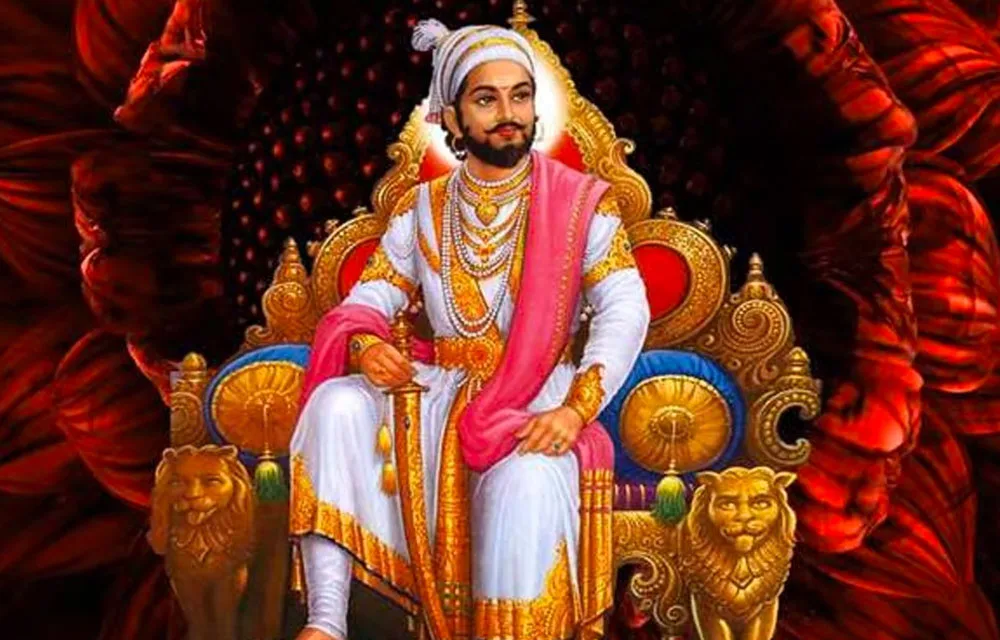
Picture this: a young warrior cloaked in saffron, his forehead marked with the sacred tilak and crescent, standing tall amidst the rugged hills of Maharashtra. His piercing gaze blazes with rebellion; his sword, a promise of Swarajya—self-rule for his people.
This is not just a tale. It is a clarion call to reclaim the narrative of one of Bharat’s greatest sons.
The Birth of a Legend
Born on February 19, 1630, within the stronghold of Shivneri Fort, Shivaji Bhonsle was destined to rewrite the story of India. Under the spiritual guidance of his devout mother Jijabai, and the strategic mentorship of his father Shahaji Bhonsle, a general in the service of the Deccan Sultanates, young Shivaji absorbed lessons in dharma, justice, and warfare.
While the Mughals basked in luxury, Shivaji’s world was carved out of forests, fortresses, and fierce resolve. Here, in this crucible of adversity, a warrior-king was born.
The Guerrilla Genius
The Deccan of Shivaji’s time was a battlefield, caught between the oppressive Bijapur Sultanate and the expanding Mughal Empire. But Shivaji turned geography into his ally. With a band of fiercely loyal Maratha warriors, he waged a war like no other—through stealth, speed, and strategy.
His famed Ganimi Kava (guerrilla warfare) left enemies dazed and defeated. Picture this: Maratha horsemen darting through narrow passes, launching sudden raids, and disappearing into the hills like ghosts.
In 1664, his daring raid on Surat, the Mughal empire’s wealthy port city, sent shockwaves through Hindustan. It was more than a military maneuver—it was a message: the Maratha flame would not be extinguished.
The Legendary Duel with Afzal Khan
Perhaps the most iconic moment in Shivaji's rise came in 1659, with his legendary encounter with Afzal Khan, the formidable general of Bijapur.
Under the pretense of diplomacy, Afzal Khan invited Shivaji to Pratapgad. But the Maratha warrior was no naïve prince—he came armed with a steel-clad will and a concealed “bagh nakh” (tiger claw).
When treachery struck, Shivaji struck faster. In a heartbeat, Afzal Khan lay defeated. This was no ordinary victory—it ignited a revolution. The land reverberated with Shivaji’s name, as hill forts and hamlets alike rose in defiance.
The Coronation of a Kshatriya King
On June 6, 1674, history turned a glorious page. At the majestic Raigad Fort, Shivaji was crowned Chhatrapati, sovereign ruler of a Hindu kingdom.
Clad in regal attire, sanctified by Vedic rituals, and blessed by saints and scholars, Shivaji declared a bold reclamation of Hindu political identity.
But his legacy wasn't only in war. He built a just and efficient administration, strengthened coastal defenses with a navy, empowered local governance, and respected religious diversity. He was a ruler of the people, not merely over them.
Even today, his name echoes in modern India—immortalized in institutions like Chhatrapati Shivaji Maharaj International Airport and Chhatrapati Shivaji Terminus—monuments that salute the soul of Swarajya.
The Rebellion Against Erasure
Yet despite his towering legacy, Shivaji’s story has often been muted or misrepresented. While Mughal emperors like Akbar and Aurangzeb occupy grand chapters in textbooks, Shivaji—the very spark of India’s resistance—has been confined to the margins.
Why? Because post-independence historiography, in its zeal for a homogenized, “secular” narrative, deliberately sidelined Hindu kings, reducing them to regional icons while glorifying foreign dynasties.
But truth cannot be buried forever. Shivaji’s brilliance—military, administrative, and moral—laid the foundation for the mighty Maratha Empire, carried forward by leaders like Peshwa Bajirao. His spirit lives on, etched in stone, sung in folk songs, and beating in every proud Indian heart.
A Call to Remember
As you envision Shivaji Maharaj—turbaned, sword in hand, his eyes ablaze with purpose—let it stir something within.
His tale is not just a relic of the past; it is a blueprint for national pride, a reminder that India’s soul is forged in resilience, not submission.
Let us rise to honor not only Shivaji, but the long-overlooked warriors of Bharat: Raja Bhoj, Rani Durgavati, Suhaldev, Lachit Borphukan, and countless others.
Share this saga. Speak his name. Pass it on.
Because history, when reclaimed, becomes revolution.
Stay tuned to www.hindutone.com for more untold stories from India’s glorious past—pridefully told, unapologetically remembered.
Frequently Asked Questions
When and where was Shivaji Maharaj born?
Shivaji Bhonsle was born on February 19, 1630, at Shivneri Fort. His mother Jijabai guided him in dharma and justice, while his father Shahaji Bhonsle, a general serving the Deccan Sultanates, shaped his military training.
When was Shivaji Maharaj crowned Chhatrapati?
He was crowned Chhatrapati on June 6, 1674, at Raigad Fort. The coronation was sanctified by Vedic rituals and blessed by saints and scholars, and it declared a Hindu sovereign kingdom.
What happened between Shivaji Maharaj and Afzal Khan?
In 1659, Afzal Khan, the Bijapur general, invited Shivaji to Pratapgad under the pretense of diplomacy. Shivaji came armed with a concealed bagh nakh (tiger claw) and defeated Afzal Khan, which sparked wider revolt across hill forts and hamlets.
What is Ganimi Kava, Shivaji's guerrilla warfare?
Ganimi Kava was Shivaji's style of guerrilla warfare built on stealth, speed and strategy. Maratha horsemen used narrow passes and hills to raid suddenly and vanish, as in the 1664 raid on the Mughal port city of Surat.
What did Shivaji Maharaj mean by Swarajya?
Swarajya means self-rule for his people. Beyond war, Shivaji built a just and efficient administration, strengthened coastal defenses with a navy, empowered local governance and respected religious diversity.
Where can Shivaji Maharaj's name be seen in modern India?
His name is carried by Chhatrapati Shivaji Maharaj International Airport and Chhatrapati Shivaji Terminus. His legacy also laid the foundation for the Maratha Empire, later carried forward by leaders like Peshwa Bajirao.
You might also like
The Resolve of a Monk – A Divine Incident Showcasing Kanchi Paramacharya’s Compassion
ISKCON to Serve Pure Sattvik Mid-Day Meals to School Children in Bengal | Suvendu Adhikari Initiative
Mantra Recitation in a Diaspora Apartment: A Beginner's Guide for 2026