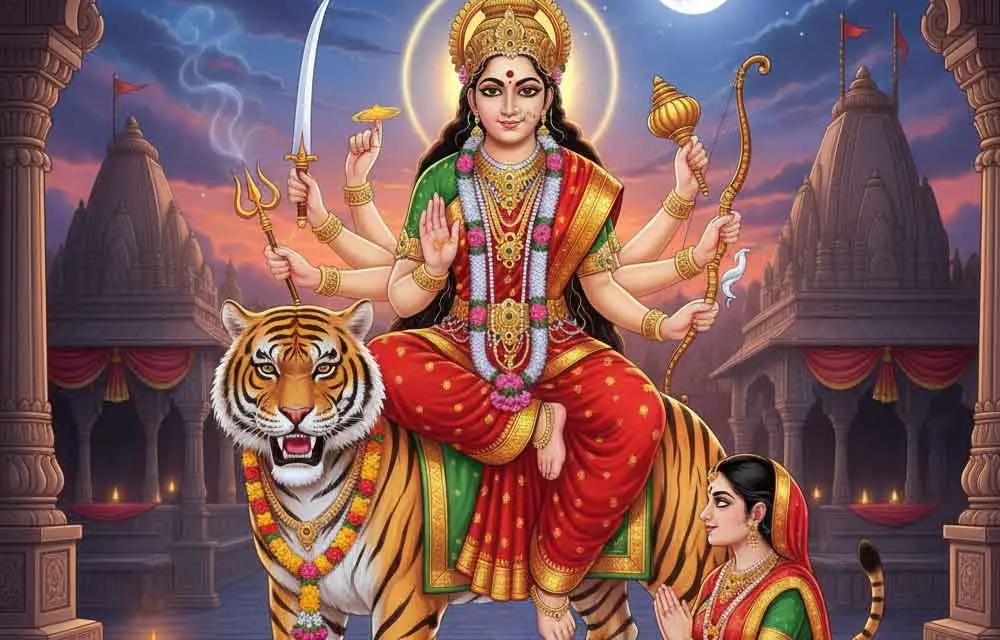
Navratri Fasting Rules 2026: Vrat Food List, What to Eat and What to Avoid (11 to 19 October)
Navratri 2026 runs from Sunday 11 to Monday 19 October in India. This guide explains what the Navratri vrat means, the common types of fast, the vrat food list (sabudana, kuttu, singhara, samak, rajgira, potatoes, fruit, milk, sendha namak), what families usually avoid, a sample day plan, regional differences, tips for working people and NRIs, and how the fast is broken. Fasting is optional; health comes first.
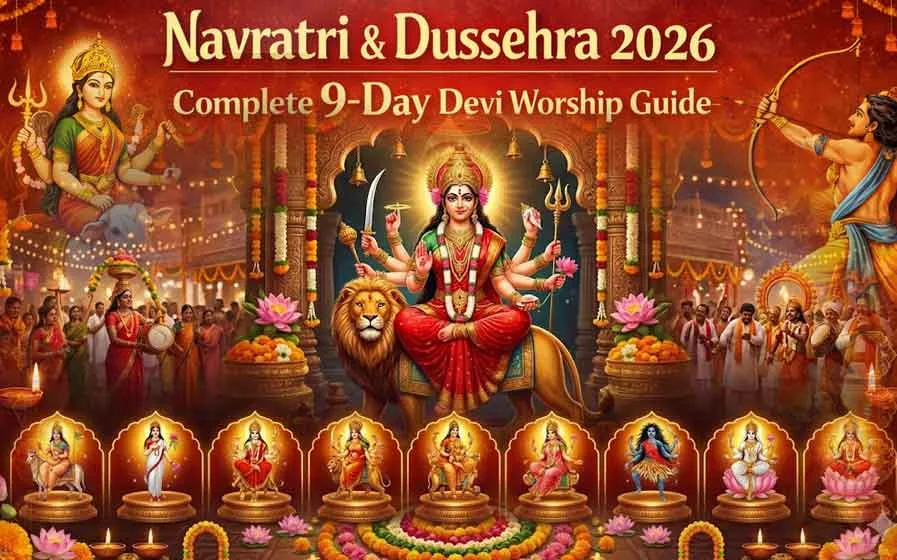
Navratri 2026 runs from Sunday 11 to Monday 19 October in India. This guide explains what the Navratri vrat means, the common types of fast, the vrat food list (sabudana, kuttu, singhara, samak, rajgira, potatoes, fruit, milk, sendha namak), what families usually avoid, a sample day plan, regional differences, tips for working people and NRIs, and how the fast is broken.
Quick answer: Navratri 2026 runs from Sunday 11 to Monday 19 October in India (Drik Panchang). The most common vrat is a phalahar fast of fruit, milk and special flours such as kuttu, singhara and samak, cooked with sendha namak. Most fasting families avoid grains, onion, garlic, table salt, meat and alcohol. Fasting is optional, customs vary, and anyone with a health condition should follow their doctor's advice.
This guide describes the fasting customs most widely followed in North and West India, notes where other regions differ, and offers practical ideas for students, working people and families abroad. It is a description of tradition, not a medical plan.
What is the Navratri vrat?
The Navratri vrat is a voluntary devotional discipline kept during the nine nights of the Goddess. Devotees simplify their food, often to fruit, milk and a few special ingredients, so that the mind turns more easily to prayer. It is an offering of self-restraint, and it is never compulsory.
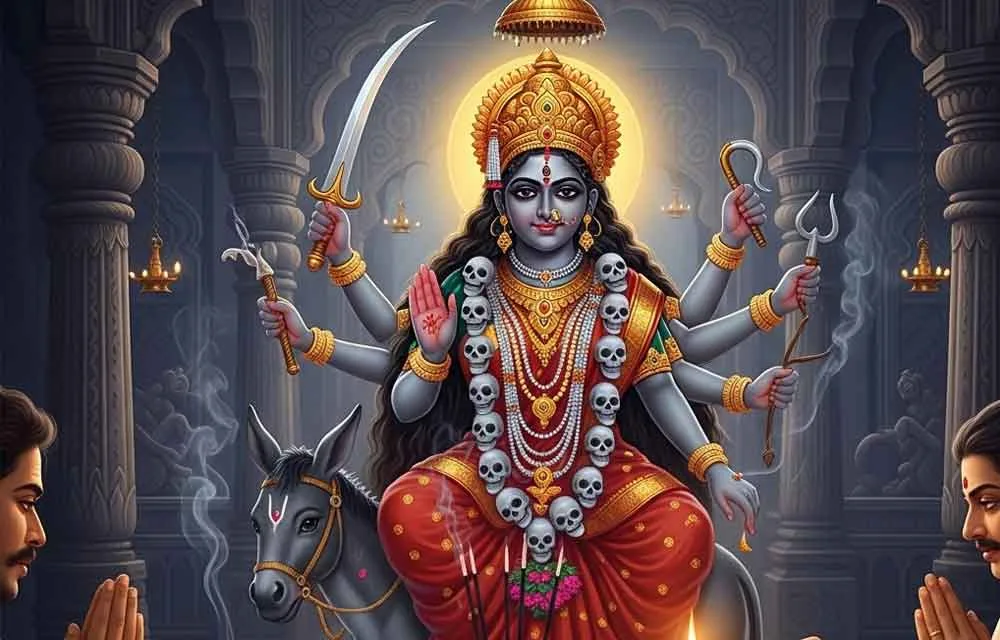
In many homes the fast is kept alongside Ghatasthapana on Day 1, a daily lamp and mantra, and Kanya Pujan near the end. The word vrat means a vow: what matters in the tradition is the intention and the devotion, not the hardship. Elders in many families say plainly that a vrat kept with anger or exhaustion misses its point.
Navratri 2026 fasting calendar
These are the India dates from Drik Panchang. The colours are a popular tradition rather than a scriptural rule, and lists for days 8 and 9 vary. See Navratri 2026 colours for all 9 days for the full list.
| Day | Date (India) | Devi | Common bhog |
|---|---|---|---|
| 1 | Sun 11 Oct | Shailaputri (Day 1 guide) | Cow ghee |
| 2 | Mon 12 Oct | Brahmacharini (Day 2 guide) | Sugar / panchamrit |
| 3 | Tue 13 Oct | Chandraghanta (Day 3 guide) | Milk or kheer |
| 4 | Wed 14 Oct | Kushmanda (Day 4 guide) | Malpua |
| 5 | Thu 15 Oct | Skandamata (Day 5 guide) | Banana |
| 6 | Fri 16 Oct | Katyayani (Day 6 guide) | Honey |
| 7 | Sat 17 Oct | Kalaratri (Day 7 guide) | Jaggery |
| 8 | Sun 18 Oct | Mahagauri (Day 8 guide) | Coconut |
| 9 | Mon 19 Oct (Ashtami and Navami) | Siddhidatri (Day 9 guide) | Sesame, or halwa-puri-chana |
Bhog lists vary by tradition. Dussehra (Vijayadashami) follows on Tuesday 20 October 2026. In the USA, Canada and the UK, Drik lists Durga Ashtami on Sunday 18 October and Maha Navami on Monday 19 October. For fasting start and end times, check your local panchang.
Types of Navratri fast
There is no single Navratri fast. Families choose a form that fits their tradition, age and health. The most common choices are a fruit-and-milk (phalahar) fast, one sattvic meal a day, or fasting only on the first and last days or on Ashtami. A waterless fast is a strict vow and is not for everyone.
- Nirjala: no food or water for the day. This is a strict vow kept by a few devotees, usually for a single day, and many families discourage it for anyone who is unwell, elderly, pregnant or on medication.
- Phalahar (fruit) fast: fruit, milk, curd, nuts and water through the day, sometimes with one light vrat dish.
- Ek bhukt (one meal): a single sattvic meal made with vrat ingredients, usually in the evening after puja, with fruit or milk at other times.
- Specific days only: many people fast on the first and last days (Pratipada and Ashtami or Navami), or only on Ashtami. In 2026 these are Sunday 11 and Monday 19 October in India.
- Sattvic eating without a fast: regular meals without onion, garlic, meat or alcohol for nine days. Many families regard this as a full and sincere observance.
Navratri vrat food list: what to eat
In the common North Indian practice, fasting meals use fruit, milk products, nuts, potatoes and special flours such as kuttu (buckwheat), singhara (water chestnut), samak (barnyard millet) and rajgira (amaranth), with sendha namak instead of table salt. Families differ on individual items, so treat this as a guide to custom.
| Group | Commonly eaten during the vrat |
|---|---|
| Flours and grain substitutes | Kuttu (buckwheat), singhara (water chestnut) flour, rajgira (amaranth), samak rice (barnyard millet), sabudana (tapioca pearls) |
| Vegetables | Potatoes, sweet potato, arbi (colocasia), raw banana, pumpkin, bottle gourd, cucumber; some families allow tomato |
| Fruit | Any fresh fruit; bananas, apples, papaya, pomegranate and dates are popular |
| Milk products | Milk, curd, buttermilk, paneer, ghee and khoya, where traditionally used |
| Nuts and seeds | Almonds, cashews, walnuts, raisins, makhana (fox nuts), peanuts in many homes |
| Salt and spices | Sendha namak (rock salt), cumin, black pepper, green chilli, ginger; families differ on other spices |
| Sweeteners | Jaggery, sugar, honey |
Popular dishes include sabudana khichdi, kuttu puri, singhara halwa, samak rice pulao, aloo jeera, makhana kheer and fruit chaat. For recipes, see 30 Navratri vrat recipes for 2026 and Navratri day-wise traditional fasting foods.
Foods commonly avoided during the Navratri fast
Fasting families commonly avoid regular grains (wheat, rice, maida), lentils and pulses, onion, garlic, ordinary table salt, meat, fish, eggs, alcohol and tobacco. Many also avoid packaged snacks made with table salt. These are customs that vary by family and region rather than universal rules.
- Grains and pulses: wheat, rice, semolina, maida, corn flour, dal and besan
- Onion and garlic, which many traditions classify as tamasic or rajasic
- Regular iodised table salt (sendha namak is used instead)
- Meat, fish and eggs
- Alcohol, smoking and tobacco
- Some families also avoid turmeric, mustard seeds, asafoetida or certain oils
Even households that do not fast often keep their kitchen free of meat, onion and garlic for the nine days. Read labels on ready-made vrat flours and snacks, since some contain wheat or table salt.
Regional differences in Navratri fasting
The food lists above describe common practice in North and West India. Other regions celebrate the same season differently:
- Bengal and eastern India: Durga Puja is a time of feasting for many families, and fish and meat are part of some households' celebrations. Some devotees fast on Ashtami morning before anjali. Kolkata's Maha Ashtami is on Monday 19 October 2026, per Drik.
- Tamil Nadu, Karnataka, Andhra Pradesh and Telangana: Navaratri centres on Golu (Bommala Koluvu), Saraswati and Ayudha Puja, and sundal and other prasadam offered each evening. Full-day fasts are less common; many families eat simple vegetarian meals.
- Gujarat: many devotees fast while dancing Garba at night, often with farali (vrat) snacks.
- Families and sampradayas: rules on tea, spices, tomato, peanuts or curd can differ even between two homes in the same town. When in doubt, ask your elders or family priest.
A sample Navratri fasting day plan
Here is one example of a gentle phalahar day for a healthy adult. Adjust it to your family's rules and your doctor's advice.
| Time | What many people take | Note |
|---|---|---|
| Early morning | Water; tea or milk if your family allows it | Before or after the morning lamp and mantra |
| Breakfast | Fruit bowl with a few nuts, or a glass of milk | Keeps the morning light |
| Midday | Sabudana khichdi or samak rice with curd | Many people make this their main meal |
| Afternoon | Buttermilk, coconut water or roasted makhana | Easy to carry to work or class |
| Evening | Kuttu or singhara roti with aloo sabzi, or fruit and milk | After the evening puja and aarti |
Hydration and comfort during the vrat
Sip water through the day unless you have chosen a strict vow, and include buttermilk, coconut water, lemon water with sendha namak or milk if your tradition allows. Deep-fried vrat food every day can leave people feeling heavy, so many families balance puris and pakoras with fruit, curd and roasted makhana. If you feel dizzy or unwell, eat something and rest; ending a fast for health reasons is fully in keeping with the spirit of the vrat.
Fasting tips for working professionals and NRIs
If you are working or studying, choose a fast you can keep calmly: a phalahar day, one sattvic meal, or fasting on the first and last days only. Pack fruit, nuts and makhana, keep water at your desk, and do the main puja in the evening. Abroad, use local dates and your local panchang.
- Cook a batch of sabudana khichdi or samak rice on Sunday 11 October, the first day, for easy lunches.
- Look for buckwheat flour, tapioca pearls and rock salt in Indian grocery stores; buckwheat is also sold in many mainstream supermarkets.
- If colleagues ask, a simple explanation works: "I'm keeping a nine-day religious fast with simple food."
- Country guides: Navratri 2026 in the USA, Canada and the UK.
Women, elderly people and children
No one is obliged to fast. Women who choose to keep the vrat may shape it around work, family and health like anyone else, and many women observe Navratri fully through puja and prayer without fasting. Elderly family members and anyone on medication should eat regular meals unless their doctor agrees otherwise. Children are usually not expected to fast; they can join in by helping with the lamp, flowers and bhog, and by eating a vrat dish with the family.
Health caution: if you are pregnant, breastfeeding, diabetic, have blood pressure, heart, kidney or digestive conditions, an eating disorder, or take regular medication, consult your doctor before fasting and follow their advice. This page offers no medical guidance.
How and when to break the Navratri fast
Many families break the fast on Ashtami or Navami after Kanya Pujan, offering halwa, puri and chana to young girls before eating themselves. In India both fall on Monday 19 October 2026. Others end the fast on Dussehra, Tuesday 20 October. The timing follows family custom, so check your local panchang and ask your elders.
A common practice is to begin with prasad, then a light meal, rather than a heavy feast straight away. For the Kanya Pujan vidhi, see Kanya Pujan 2026: date and Ashtami/Navami vidhi.
A simple prayer to begin each fasting day
Many devotees begin the day's vrat by lighting a lamp and chanting the Durga mantra:
ॐ दुं दुर्गायै नमः॥
Om Dum Durgayai Namah: "Om, salutations to Durga." Chant it 11, 21 or 108 times, then state your intention in your own words, for example: "Mother, I offer these nine days to you. Let this simple food keep my mind on you, and let me be gentle with myself and others." Each Devi's own mantra is in the day guides linked in the table above.
Frequently asked questions
What can we eat during Navratri fast 2026?
In the common North Indian vrat, people eat fruit, milk, curd, paneer, nuts, potatoes, sweet potato, sabudana, kuttu (buckwheat), singhara (water chestnut) flour, samak rice (barnyard millet) and rajgira, cooked with sendha namak (rock salt) and ghee. Family and regional customs differ, so follow what your elders do.
What is not allowed in Navratri fast?
Most fasting families avoid regular grains such as wheat and rice, lentils, onion, garlic, ordinary table salt, meat, eggs, fish and alcohol. Some also avoid certain spices such as turmeric. These are customs rather than fixed rules, and they vary by family, region and community.
Is it compulsory to fast all nine days of Navratri?
No. Fasting is optional. Many people fast only on the first and last days, or on Ashtami, or eat one simple sattvic meal a day. Others do not fast at all and keep the festival through daily puja, mantra and kindness. Devotion is not measured by how long you go without food.
Can diabetics or pregnant women keep the Navratri vrat?
Anyone who is pregnant, breastfeeding, diabetic, on regular medication, elderly or unwell should speak to their doctor before fasting and follow that advice. A doctor may suggest regular meals instead of a fast. Many families observe the spirit of the vrat through prayer and a simple sattvic diet.
Can we drink tea or coffee during Navratri fast?
Many families allow tea, coffee and milk during a phalahar fast, while others keep a stricter fast with water only. It is a family custom, not a universal rule. If you take tea or coffee, drink plenty of water as well.
When should I break my Navratri fast in 2026?
In India, Durga Ashtami and Maha Navami both fall on Monday 19 October 2026, so many families break the fast that day after Kanya Pujan, while others wait until Dussehra on Tuesday 20 October. In the USA, Canada and the UK, Drik lists Ashtami on 18 October and Navami on 19 October. Follow your family custom.
Editor's note
Editor's note (6 October 2026): This page has been restored at its original address. India dates are from Drik Panchang; Dussehra on Tuesday 20 October is also on the Government of India holiday calendar. Food lists describe common customs, which vary by family, region and community. This article is not medical advice: fasting is optional, and anyone with a health condition should follow their doctor's guidance.
Related guides
You might also like
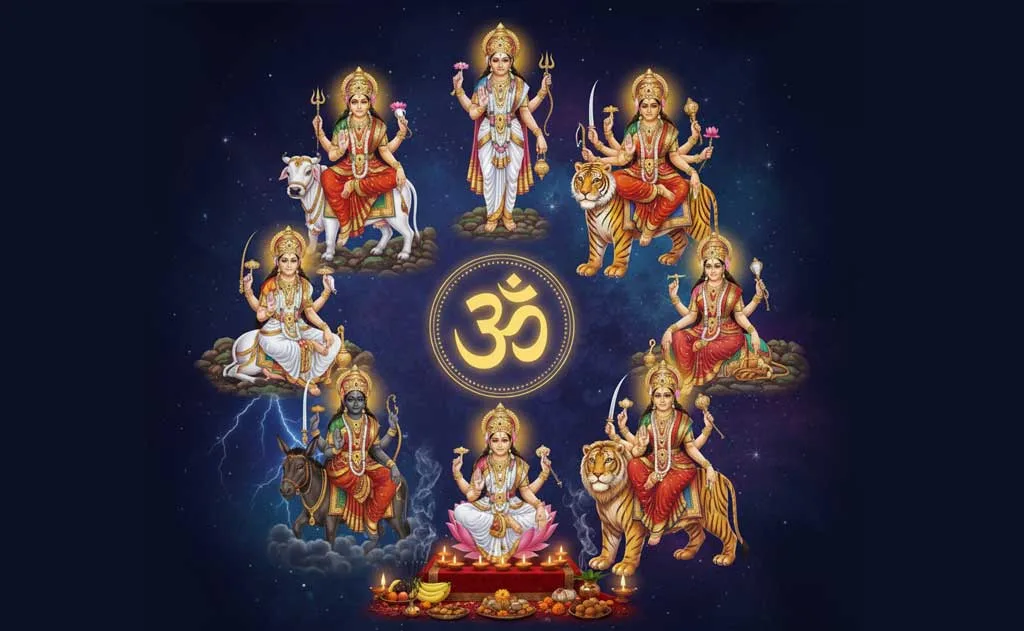
Navratri 2026 for Women: Devi Worship, Daily Rituals, Colours, Fasting and Mantras (11–19 October)
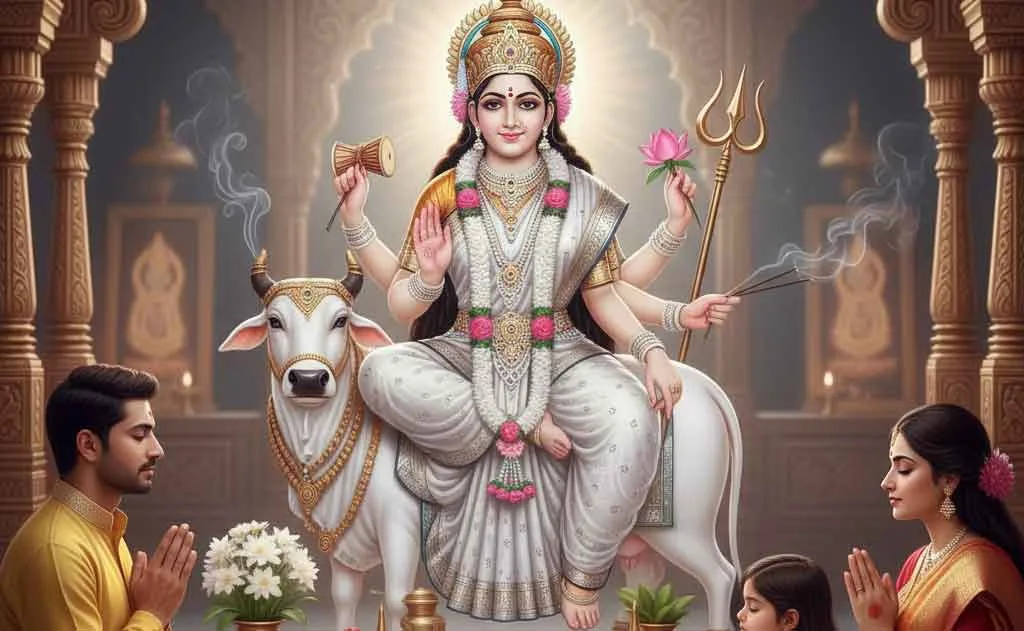
Navratri 2026 Day 8: Maa Mahagauri Mantra, Colour, Bhog and Puja Vidhi (Sunday 18 October)
Navratri 2026 Day 7: Maa Kalaratri Mantra, Colour, Bhog and Puja Vidhi (Saturday 17 October)