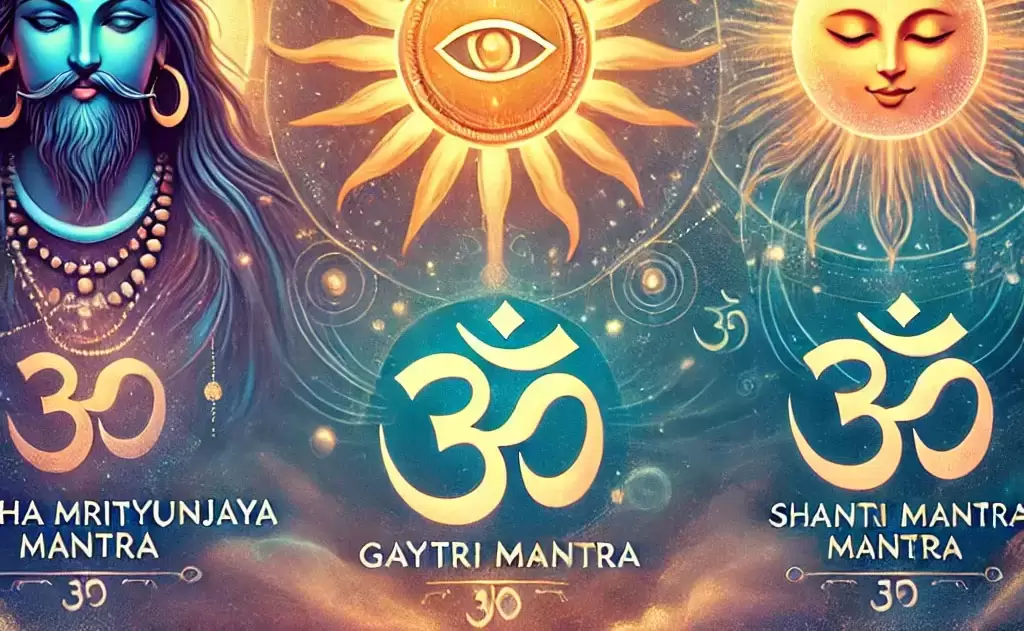
The Importance of Monday (Somavar) in Hinduism
Monday, or Somavar, is a sacred day in Hinduism, dedicated to Lord Shiva and associated with the Moon (Chandra).
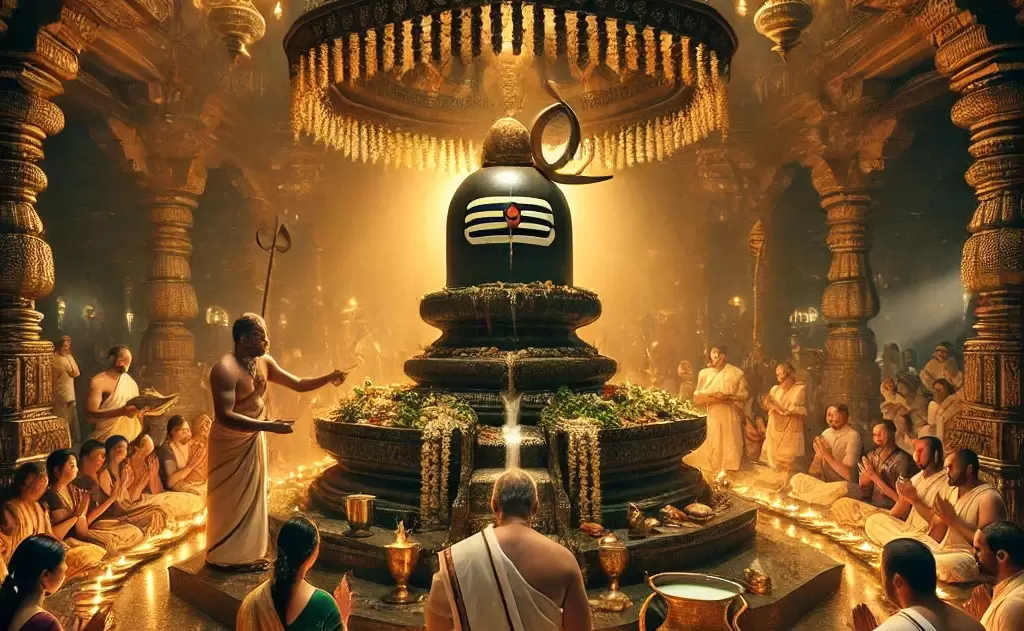
Monday, or Somavar, is a sacred day in Hinduism, dedicated to Lord Shiva and associated with the Moon (Chandra).
Monday, or Somavar, is a sacred day in Hinduism, dedicated to Lord Shiva and associated with the Moon (Chandra). Devotees observe this day with fasting, poojas, and rituals to seek Shiva's blessings for health, prosperity, and spiritual growth.
Importance of Monday (Somavar)
- Lord Shiva’s Day: Worshipping Shiva on Mondays brings peace, prosperity, and protection.
- Connection with the Moon: The Moon (Chandra) governs emotions and mental balance.
- Observing Monday Fasting (Somvar Vrat): Brings success in life, marital harmony, and good health.
Poojas and Rituals Performed on Monday
1. Shiva Abhishekam
A ritualistic bathing of the Shiva Lingam with sacred substances like milk, honey, water, and ghee. Removes obstacles and negative karma.
2. Offering Bilva Leaves to Shiva
- Bilva (Bael) leaves are sacred to Lord Shiva.
- Offering them is believed to bring spiritual progress and health benefits.
3. Fasting on Somavar (Somvar Vrat)
- Observed for marital harmony and success.
- Avoid grains and salt, consuming fruits, dairy, and water.
- Break fast after evening prayers.
4. Lighting Diyas and Chanting Mantras
- Lighting ghee lamps (diyas) removes darkness and ignorance.
- Chanting mantras like Om Namah Shivaya invokes Shiva’s blessings and protection.
Stories and Legends Associated with Monday
1. The Churning of the Ocean (Samudra Manthan)
Shiva drank the deadly poison (Halahala) to save the world, turning his throat blue (Neelkanth). Worshipping Shiva on Mondays removes negativity and obstacles.
2. Goddess Parvati’s Devotion to Shiva
Parvati performed intense penance on Mondays to win Shiva’s love. This legend highlights the importance of Monday fasting for marital harmony.
3. Shiva and the Moon (Chandra)
Shiva saved the Moon (Chandra) from a curse, restoring his radiance. Worshipping Shiva on Mondays balances emotional and mental well-being.
Slokas and Mantras for Monday Worship
1. Om Namah Shivaya
“Om Namah Shivaya”
- Meaning: I bow to Shiva.
- Brings protection, peace, and spiritual growth.
2. Maha Mrityunjaya Mantra
“Om Tryambakam Yajamahe Sugandhim Pushtivardhanam Urvarukamiva Bandhanan Mrityor Mukshiya Maamritat”
- Overcomes illness, fear, and negative energy.
3. Shiva Gayatri Mantra
“Om Tatpurushaya Vidmahe Mahadevaya Dhimahi Tanno Rudrah Prachodayat”
- Enhances spiritual strength and wisdom.
Conclusion
Monday, or Somavar, is a highly auspicious day in Hinduism. Worshipping Lord Shiva through Abhishekam, fasting, mantra chanting, and offering Bilva leaves helps devotees attain peace, prosperity, and spiritual transformation. The stories and legends of Shiva’s divine power inspire devotees to remove negativity and seek blessings for success and inner peace.
FAQs
1. Why is Monday important in Hinduism?
Monday is dedicated to Lord Shiva and is considered a day for peace, health, and prosperity.
2. What rituals are performed on Mondays?
Common rituals include Shiva Abhishekam, Bilva leaf offerings, fasting, and chanting Shiva mantras.
3. What is the significance of Somvar Vrat?
Fasting on Mondays brings marital harmony, family well-being, and success in life.
4. Which gods are worshipped on Mondays?
Lord Shiva is the primary deity, and Chandra (the Moon God) is also associated with this day.
5. What are the benefits of chanting Shiva mantras?
Chanting Shiva mantras like the Maha Mrityunjaya Mantra helps remove obstacles, protect from harm, and enhance spiritual growth.
Why Is the Moon So Deeply Linked to Lord Shiva on Mondays?
The Sanskrit word Somavar literally breaks into Soma (the Moon) and vara (day), making the lunar connection inseparable from Monday worship. In the Rigveda, Soma is simultaneously the Moon deity and the sacred ritual drink pressed during Vedic yajnas, embodying nourishment, healing, and immortality. Shiva bears the title Someshvara — Lord of the Moon — and is depicted in iconography with the crescent moon (Chandrakala) adorning his matted locks, symbolising his mastery over time, tides, and the mind.
The Shiva Purana recounts that Chandra, the Moon god, was cursed by Prajapati Daksha to wane and lose his radiance after showing favoritism among his 27 wives (the Nakshatras). Chandra sought refuge at Prabhasa Tirtha on the western coast of India, where he performed intense penance of the Shiva Lingam now venerated as Somnath — the first of the twelve Jyotirlingas. Shiva, moved by Chandra's devotion, decreed that the Moon would wax and wane in a perpetual cycle rather than disappear forever. This act of divine grace is the mythological root of observing Somavar: just as Shiva restored the Moon's light, worship on Mondays is believed to restore clarity, emotional stability, and inner luminosity to the devotee.
The Sixteen Somavar Vrat: What the Sola Somvar Vrata Entails
Among the many Monday observances, the Sola Somvar Vrata — a continuous sixteen-Monday fast — holds special prominence and is detailed in the Skanda Purana. The vow begins on the first Monday of the bright fortnight (Shukla Paksha) and is maintained unbroken for sixteen consecutive Mondays. A devotee who completes all sixteen Mondays is expected to perform an udyapan (concluding worship) on the final day, offering prasad of wheat-flour sweets, sesame, and jaggery to Shiva and distributing it to family and guests.
The scriptural rationale is that sixteen holds sacred significance in Shiva worship — the Shodashopachara puja itself involves offering exactly sixteen services to the deity. Unmarried women undertake this vrat seeking a devoted husband; married women observe it for the long life and prosperity of their spouse. Men observing the fast pray for career obstacles to be dissolved and for spiritual advancement. Devotees typically visit a Shiva temple before sunrise, perform abhishekam with Ganga jala or milk, and break their fast only after evening aarti with a single sattvic meal.
Sacred Shiva Temples That Draw Especially Large Monday Gatherings
Certain Shiva shrines become particularly charged with devotional energy on Mondays. The Kashi Vishwanath Temple in Varanasi, Uttar Pradesh — one of the twelve Jyotirlingas — witnesses queues stretching for kilometres on Somavar, as the city of Kashi itself is believed to rest on Shiva's trishul. The predawn Mangala Aarti on Monday mornings here is considered among the most auspicious acts a devotee can witness.
In South India, the Brihadeeswara Temple in Thanjavur, Tamil Nadu — a UNESCO World Heritage Site — and the Thillai Nataraja Temple in Chidambaram draw thousands of worshippers on Monday for special Abhishekam sequences involving panchamrita (five nectars: milk, curd, ghee, honey, and sugar). In Maharashtra, the Trimbakeshwar Jyotirlinga near Nashik is particularly venerated on Shravan Somvar (Mondays falling during the sacred month of Shravan), when the entire region organises padayatra pilgrimages.
The Shravan Somvar: Why Mondays in the Month of Shravan Are Supremely Sacred
The lunar month of Shravan (roughly July–August) is considered Shiva's own month, and every Monday within it — called Shravan Somvar — is magnified in sanctity. The Shiva Purana states that Shiva himself roams the earth during Shravan, making prayers offered in this month especially swift to bear fruit. Traditionally, the four or five Mondays of Shravan are observed with full-day fasting, Rudrabhishekam, and the chanting of the Shri Rudram (Yajurveda) and Chamakam.
A distinctive practice during Shravan Somvar is the Kanwar Yatra, in which millions of devotees called Kanwariyas walk barefoot — sometimes hundreds of kilometres — carrying decorated bamboo poles (kanwar) bearing pots of sacred Ganga water to pour over a Shiva Lingam in their home temple. This tradition is especially vibrant across Uttar Pradesh, Bihar, Uttarakhand, and Rajasthan, and finds symbolic precedent in the Samudra Manthan narrative where Ganga's waters are associated with purification after the cosmic churning.
Key Shiva Mantras Beyond Om Namah Shivaya for Monday Worship
While Om Namah Shivaya (the Panchakshara mantra) is the most widely chanted, Monday worship is enriched by several other powerful Vedic and Puranic formulas. The Maha Mrityunjaya Mantra — 'Om Tryambakam Yajamahe Sugandhim Pushti Vardhanam, Urvarukamiva Bandhanan Mrityor Mukshiya Maamritat' — appears in the Rigveda (7.59.12) and is specifically linked to Shiva's role as the conqueror of death and disease. Reciting it 108 times on Monday mornings while offering water to the Lingam is a time-honoured practice for healing and longevity.
The Shiva Tandava Stotram, composed by the demon-king Ravana and preserved in the Shiva Purana, is another powerful Monday recitation that eulogises the cosmic dance of Shiva. For those beginning structured Shiva sadhana, the Dwadasha Jyotirlinga Stotra — a twelve-verse hymn naming each Jyotirlinga from Somnath in Gujarat to Grishneshwar in Maharashtra — is chanted to invoke the collective blessings of all twelve supreme Shiva shrines. Each mantra tradition carries its own phala shruti (declared fruit), and devotees are advised to learn correct pronunciation under guidance to honour the precise vibration of the Sanskrit syllables.
Astrological Significance of Monday: How Chandra's Influence Shapes the Day
In Vedic astrology (Jyotisha), each day of the week is governed by a planetary deity — Monday belongs to Chandra (the Moon), who rules the mind (manas), emotions, mother, home, and bodily fluids. A person born on Monday is said to carry strong Chandra energy: heightened intuition, emotional sensitivity, and a nurturing temperament. Propitiating Chandra through Shiva worship on Mondays is recommended in Jyotisha texts for those who have a weak or afflicted Moon (Chandra dosha) in their birth chart, as it is believed to gradually strengthen the planet's positive qualities.
The Moon transits through one Nakshatra (lunar mansion) roughly every 24 hours and completes the full circuit of 27 Nakshatras in approximately 27 days. Jyotisha practitioners note that when Monday coincides with Nakshatras especially dear to Shiva — such as Ardra (directly ruled by Rudra) — the day becomes doubly potent for Shiva puja. Offering white flowers (white being the colour associated with Chandra), white rice, and milk-based sweets like kheer on such Mondays is considered particularly effective for mental peace and emotional healing.
Frequently Asked Questions
What is The Importance of Monday (Somavar) in Hinduism?
Monday, or Somavar , is a sacred day in Hinduism, dedicated to Lord Shiva and associated with the Moon (Chandra) . Devotees observe this day with fasting, poojas, and rituals to seek Shiva's blessings for health, prosperity, and spiritual growth .
What are the key points about The Importance of Monday (Somavar) in Hinduism?
Importance of Monday (Somavar) Lord Shiva’s Day: Worshipping Shiva on Mondays brings peace, prosperity, and protection . Connection with the Moon: The Moon (Chandra) governs emotions and mental balance .
Why does The Importance of Monday (Somavar) in Hinduism matter in Hinduism?
It reflects core values of Sanatana Dharma and offers practical and spiritual guidance that remains relevant across generations.
How can devotees apply The Importance of Monday (Somavar) in Hinduism in daily life?
By reflecting on its teaching, incorporating the related practices or observances into daily routine, and approaching it with sincere devotion and understanding.
You might also like
Maha Shivaratri 2026: Complete Guide to Dates, Rituals, Mantras & Spiritual Significance
Stories Behind Maha Shivaratri: Legends, Myths, and Spiritual Insights
Kama Dahanam: A Tale of Love, Sacrifice, and Spiritual Discipline