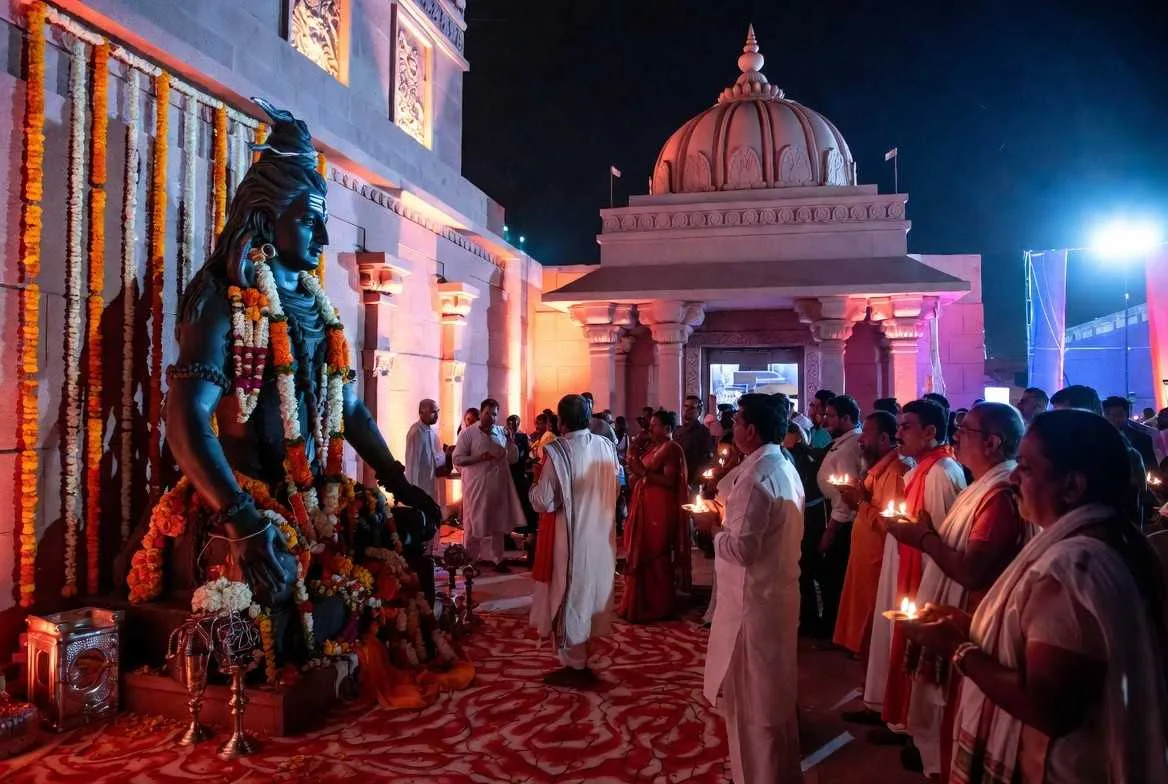
Bhimashankar Jyotirlinga Maha Shivaratri 2026 Pune
Bhima Shankar Jyotirlinga Temple, Pune – Maha Shivaratri 2026: Dense Forest Jyotirlinga, Sahyadri Hills Rituals & Maharashtra’s Mystical Celebrations By…
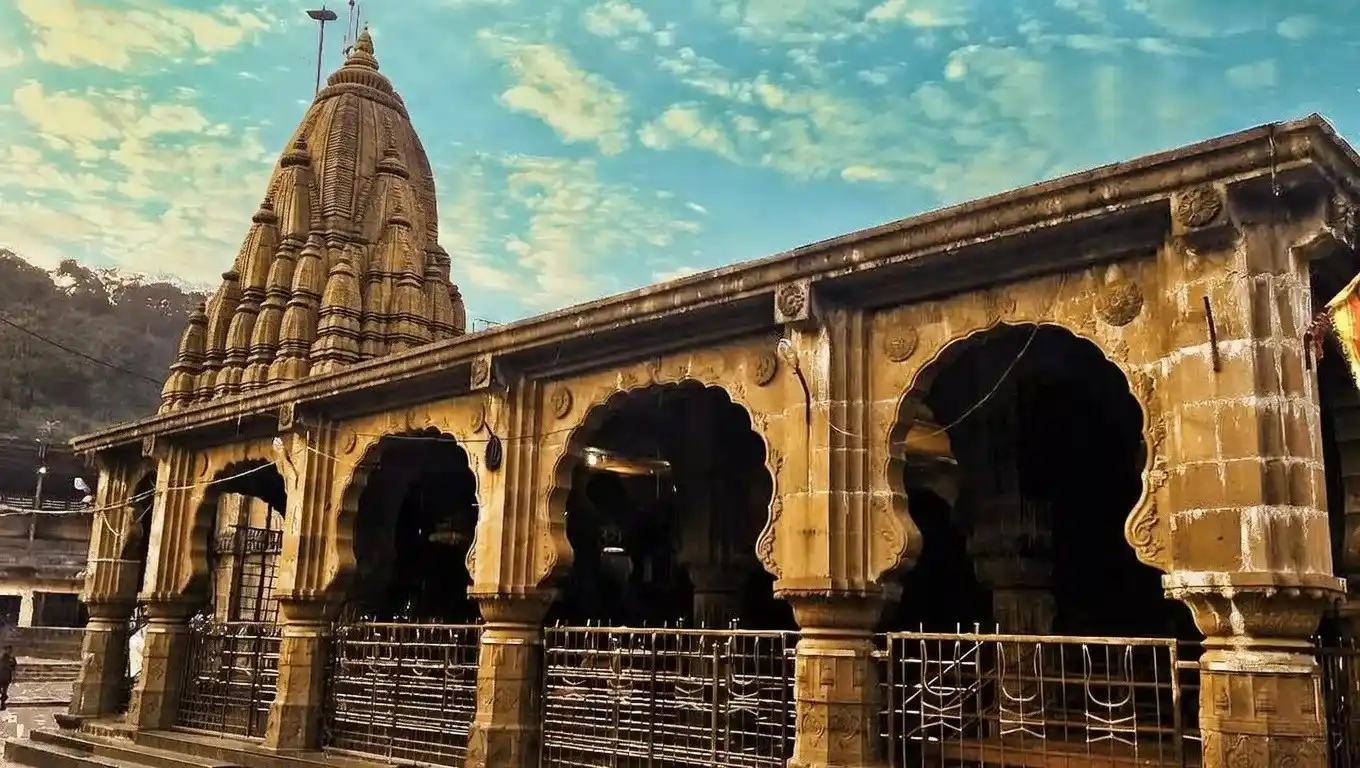
Bhima Shankar Jyotirlinga Temple, Pune – Maha Shivaratri 2026: Dense Forest Jyotirlinga, Sahyadri Hills Rituals & Maharashtra’s Mystical Celebrations
By HinduTone Spiritual Festivals Correspondent Published: February 10, 2026
Sri Bhima Shankar Jyotirlinga Temple, nestled in the dense forests of the Sahyadri Mountains (Western Ghats) in Ambegaon Taluka, Pune District, Maharashtra (about 110 km from Pune city and 230 km from Mumbai), is one of the most serene and powerful among the 12 Jyotirlingas. Dedicated to Lord Bhima Shankar (Shiva as the slayer of the demon Bhima), the temple is surrounded by lush greenery, waterfalls, and the origin of the Bhima River, creating a deeply meditative and nature-infused spiritual atmosphere.
The self-manifested (swayambhu) Jyotirlinga is small yet intensely potent, and the temple follows ancient Nagara-style architecture with intricate carvings. On Maha Shivaratri 2026, observed on Sunday, February 15, 2026 (Phalguna Krishna Chaturdashi), Bhima Shankar Temple hosts one of Maharashtra's most tranquil yet profoundly devotional Jyotirlinga celebrations, attracting thousands of pilgrims who trek to the hills for special abhishekams, Vedic rituals, and night-long vigils in the lap of nature.
Temple authorities and the local forest department coordinate preparations — basic queue systems, medical posts, free annadanam, drinking water points, and security — to support devotees who often undertake the journey as a form of tapas (austerity) during this sacred night.
Spiritual Significance of Bhima Shankar & Maha Shivaratri
According to Shiva Purana, the demon Bhima (son of Kumbhakarna) terrorized the world and was slain by Shiva, who then appeared as the Jyotirlinga at this spot to bless devotees. The temple is revered for protection from enemies, removal of fear, courage, and spiritual strength. Maha Shivaratri here celebrates Shiva’s marriage to Parvati, poison-drinking, and Tandava — devotees believe offering Bilva leaves, performing abhishekam to the swayambhu lingam, and staying awake amid the forest sounds on this night dissolves deep fears, grants inner power, and aligns the soul with Shiva’s protective grace.
The remote, forested location enhances the night’s meditative quality, making it ideal for introspection and surrender.
Key Rituals & Celebrations on February 15, 2026
The Maha Shivaratri observances are simple yet intensely devotional:
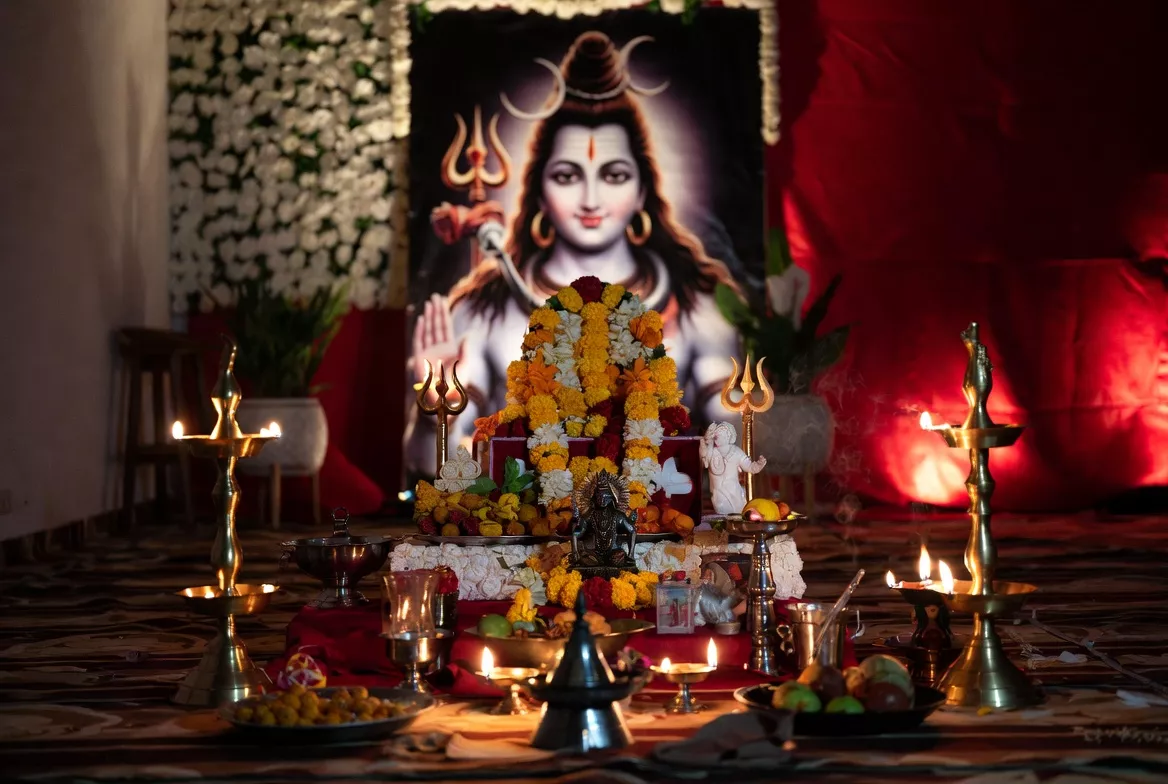
- Early Morning → Suprabhata Seva, Maha Rudrabhishekam to the Bhima Shankar Jyotirlinga with milk, honey, ghee, curd, Bilva leaves, and sacred water from nearby streams.
- Throughout the Day → Continuous Abhishekam and Archana sessions (individual/group; many perform personal pujas in the serene setting).
- Four Prahar Pujas → Night divided into four watches with dedicated aartis, Vedic chants (Rudram, Chamakam), and offerings.
- Nishita Kaal Puja → Midnight worship — the most auspicious time for darshan of the swayambhu lingam.
- All-Night Jagran → Devotees stay awake with mass and individual chanting of “Om Namah Shivaya,” Shiva Tandava Stotram, bhajans, and quiet meditation listening to forest sounds.
- Special Bilva Patra Archana → Offerings of 108/1008 Bilva leaves to the lingam.
- Highlights → Lamp offerings around the temple and kund, soft devotional music, and peaceful circumambulation in the cool night air.
The temple remains open all night, with minimal artificial light allowing the natural sounds of the Sahyadri forests to blend with chants.
Pilgrim Tips for Maha Shivaratri 2026
- Darshan & Crowds → Moderate crowds (remote location keeps numbers lower); arrive early for peaceful darshan. General entry free; special abhishekam/archana available on-site.
- Travel → Nearest airport: Pune (110 km) or Mumbai (230 km). Train to Pune or Karjat; MSRTC buses from Pune to Malshej Ghat/Trimbakeshwar route, then local transport. Private vehicles/cabs recommended (scenic but ghat roads — drive carefully).
- Accommodation → Temple-run basic guest houses/dharamshalas (limited, book early); private lodges in Bhimashankar or nearby villages. Many devotees stay in Pune and travel day/night.
- Observance → Strict fast (nirjala/phalahar), Bilva offerings (available near temple), mantra japam, full jagran. Wear warm layers (hill nights are cold, 10–15°C).
- Health & Facilities → Free annadanam/prasadam, basic medical posts, drinking water, sanitation; carry ID, minimal belongings, flashlight, warm clothes, and comfortable trekking footwear.
- Best Experience → Perform abhishekam in the quiet sanctum; meditate under the stars near the forest; trek the short path from parking to temple at night; combine with nearby wildlife sanctuary views.
Spiritual Note
Bhima Shankar is where Shiva’s fierce protection meets serene forest stillness — a reminder that divine strength arises from inner calm. On Maha Shivaratri, the swayambhu Jyotirlinga’s energy in the Sahyadri hills offers a rare space for deep surrender and courage. May Lord Bhima Shankar remove all fears, instill unbreakable devotion, and shower protective grace on every pilgrim this sacred night.
For more divine insights:
- Top 10 Lord Shiva Temples 2026: Jyotirlingas & Sites
- Maha Shivaratri 2026: Great Night of Shiva – Significance, Fasting, Rituals and Devotional Practices
- Grishneshwar Jyotirlinga Ellora Guide
- Ekadasa Rudrabhishekam: Complete Guide to Benefits, Procedure & Significance
Frequently Asked Questions
Where is Bhimashankar Jyotirlinga Maha Shivaratri Pune located?
Bhima Shankar Jyotirlinga Temple, Pune – Maha Shivaratri 2026: Dense Forest Jyotirlinga, Sahyadri Hills Rituals & Maharashtra’s Mystical Celebrations By HinduTone Spiritual Festivals Correspondent Published: February 10, 2026 Sri Bhima Shankar Jyotirlinga Temple, nestled in the dense forests of the Sahyadri Mountains (Western Ghats) in Ambegaon Taluka, Pune
Who is the presiding deity of Bhimashankar Jyotirlinga Maha Shivaratri Pune?
The presiding deity is Lord Shiva.
What are the timings and how do I reach Bhimashankar Jyotirlinga Maha Shivaratri Pune?
Temples typically open early morning and evening; confirm current darshan timings before visiting. The nearest airport, railway station and road routes are covered in the guide above.
What is the best time to visit Bhimashankar Jyotirlinga Maha Shivaratri Pune?
Major festival days and the cooler months are popular, though weekday mornings offer a calmer darshan. Plan around the temple's key festivals for the most vibrant experience.
Share this with family and friends
Send it on WhatsApp, post it, or copy the link.
More from Maha Shivaratri 2026
- Maha Shivaratri Four Prahar Puja — The Complete Night-by-Night Ritual Guide
- Devotion in the Sands: The Inspiring Story of a Karnataka Couple Crafting 1008 Shiva Lingams Every Maha Shivaratri
- Isha Foundation's Mahashivratri 2026 Sets New Record as Most Viewed Celebration on YouTube
- The 33rd Mahashivratri at Isha Yoga Center
- Maha Shivaratri 2026 Celebrations in Germany: How the Hindu Community Honored Lord Shiva Yesterday – A Complete Guide to Cities, Temples, and Events
You might also like
Maha Shivaratri 2027 in Cambodia: Your Complete Celebration Guide
Maha Shivaratri 2027 Celebrations in Australia: How the Hindu Diaspora Honored Lord Shiva Yesterday – A Complete Guide to Cities, Temples, and Events
Maha Shivaratri 2027 in Norway: Your Complete Celebration Guide