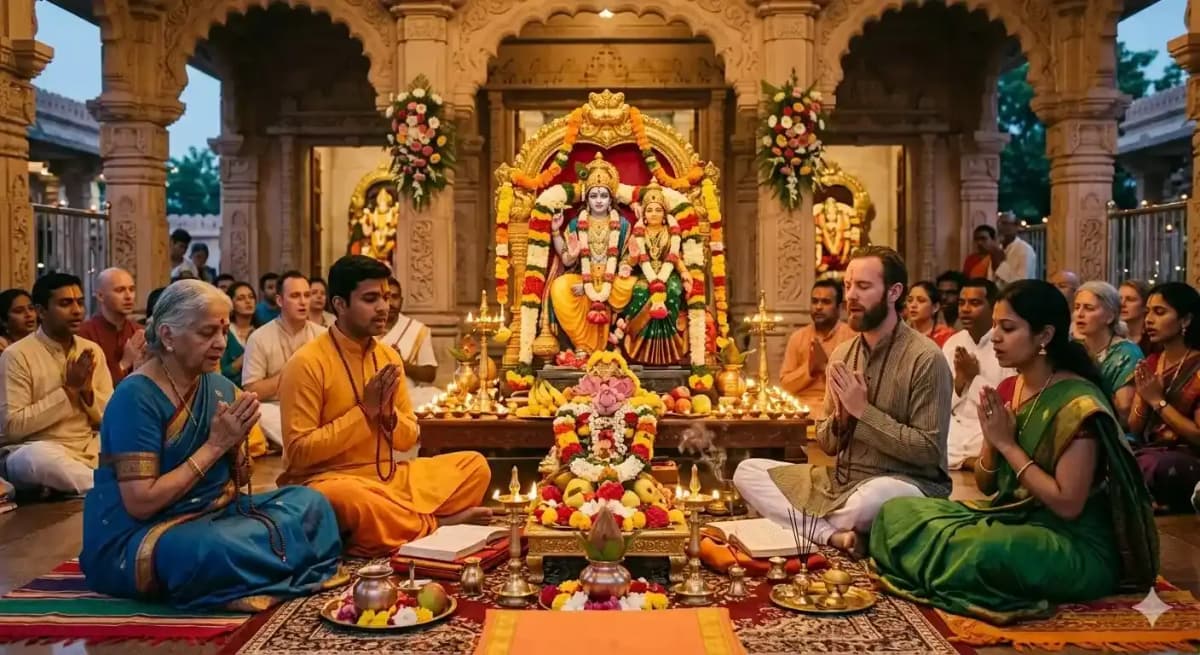
Grishneshwar Jyotirlinga Maha Shivaratri 2026 Ellora
Grishneshwar Jyotirlinga Temple, Ellora – Maha Shivaratri 2026: Last Jyotirlinga Rituals, Ellora Caves Proximity & Maharashtra’s Sacred Celebrations By…
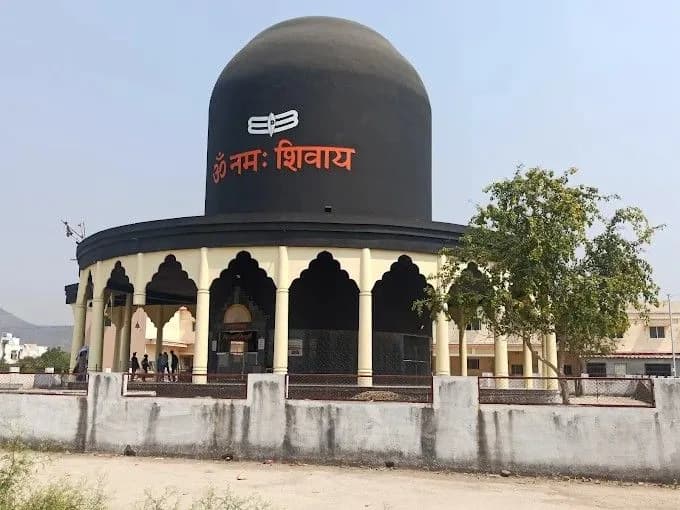
Grishneshwar Jyotirlinga Temple, Ellora – Maha Shivaratri 2026: Last Jyotirlinga Rituals, Ellora Caves Proximity & Maharashtra’s Sacred Celebrations By…
Grishneshwar Jyotirlinga Temple, Ellora – Maha Shivaratri 2026: Last Jyotirlinga Rituals, Ellora Caves Proximity & Maharashtra’s Sacred Celebrations
By HinduTone Spiritual Festivals Correspondent Published: February 10, 2026
Sri Grishneshwar Jyotirlinga Temple (also known as Grushneshwar or Ghushmeshwar), located near the Ellora Caves in Verul village, Aurangabad District, Maharashtra (about 30 km from Aurangabad city), is the 12th and final Jyotirlinga among the 12 sacred abodes of Lord Shiva. Dedicated to Lord Grishneshwar (Shiva as the Lord who protects devotees), the temple is a modest yet profoundly powerful black stone structure built in Hemadpanthi style during the 18th century (with roots in ancient times).
The temple is closely associated with the legendary Ellora Caves (a UNESCO World Heritage Site) and is revered for its ability to grant protection from fears, fulfillment of wishes, and liberation from sins. On Maha Shivaratri 2026, observed on Sunday, February 15, 2026 (Phalguna Krishna Chaturdashi), Grishneshwar Temple hosts one of Maharashtra's most significant Jyotirlinga celebrations, with special abhishekams, Vedic rituals, and night-long vigils drawing thousands of devotees from Maharashtra, Madhya Pradesh, and beyond who complete their Jyotirlinga yatra here.
Temple authorities ensure thoughtful arrangements — queue management for darshan, medical aid, free prasadam/annadanam, and security — to support the steady flow of pilgrims during this auspicious night.
Spiritual Significance of Grishneshwar & Maha Shivaratri
According to Shiva Purana, Grishneshwar is where Ghushma (a devotee) worshipped Shiva to revive her son, and Shiva appeared as the Jyotirlinga to grant her wish. As the last Jyotirlinga, it symbolizes completion of the divine circuit and ultimate surrender. Maha Shivaratri here celebrates Shiva’s marriage to Parvati, poison-drinking, and Tandava — devotees believe performing abhishekam, offering Bilva leaves, and staying awake on this night removes deep fears, fulfills long-pending prayers, and bestows Shiva’s protective grace.
The temple’s proximity to Ellora Caves (with their Buddhist, Hindu, and Jain monuments) adds a layer of universal spiritual harmony.
Key Rituals & Celebrations on February 15, 2026
The Maha Shivaratri observances follow traditional Shaiva Agama practices:
- Early Morning → Suprabhata Seva, Maha Rudrabhishekam to the Grishneshwar Jyotirlinga with milk, honey, ghee, curd, Bilva leaves, and sacred waters.
- Throughout the Day → Continuous Abhishekam and Archana sessions (individual/group; many devotees perform special pujas as the final Jyotirlinga).
- Four Prahar Pujas → Night divided into four watches with dedicated aartis, Vedic chants (especially Rudram), and offerings.
- Nishita Kaal Puja → Midnight worship — the most auspicious time for darshan.
- All-Night Jagran → Devotees stay awake with mass chanting of “Om Namah Shivaya,” Rudram Chamakam, Shiva Tandava Stotram, bhajans, and discourses on Jyotirlinga stories.
- Special Bilva Patra Archana → Offerings of 108/1008 Bilva leaves to the lingam.
- Highlights → Lamp offerings around the sanctum, cultural programs with devotional songs, and peaceful circumambulation of the temple.
The temple remains open all night, with the ancient black stone lingam bathed in lamp light and chants resonating through the modest yet sacred premises.
Pilgrim Tips for Maha Shivaratri 2026
- Darshan & Crowds → Moderate to heavy crowds (especially from Jyotirlinga yatra pilgrims); arrive early for smoother darshan. General entry free; special abhishekam/archana bookable on-site.
- Travel → Nearest airport: Aurangabad (30 km). Train to Aurangabad Junction; frequent MSRTC buses from Mumbai, Pune, Nashik. Private vehicles/cabs common (combine with Ellora Caves visit).
- Accommodation → Temple-run guest houses/choultries (limited); private hotels/lodges in Aurangabad or Khuldabad. Many stay in Aurangabad and commute.
- Observance → Strict fast (nirjala/phalahar), Bilva offerings (available near temple), mantra japam, full jagran. Traditional attire required.
- Health & Facilities → Free annadanam/prasadam, medical camps, drinking water, sanitation; carry ID, minimal belongings, and comfortable footwear.
- Best Experience → Perform abhishekam as the final Jyotirlinga; meditate near the lingam; explore nearby Ellora Caves (Hindu Cave 16 Kailasa Temple) post-darshan.
Spiritual Note
As the 12th Jyotirlinga, Grishneshwar represents the completion of Shiva’s divine circuit — a place where devotion reaches its pinnacle and fears dissolve in His presence. On Maha Shivaratri, the temple offers a profound closure for yatris and a fresh spiritual beginning for all. May Lord Grishneshwar protect every devotee, fulfill their prayers, and grant eternal peace this sacred night.
For more divine insights:
- Top 10 Lord Shiva Temples 2026: Jyotirlingas & Sites
- Maha Shivaratri 2026: Great Night of Shiva – Significance, Fasting, Rituals and Devotional Practices
- Trimbakeshwar Jyotirlinga Nashik Guide
- Ekadasa Rudrabhishekam: Complete Guide to Benefits, Procedure & Significance
Frequently Asked Questions
Where is Grishneshwar Jyotirlinga Maha Shivaratri Ellora located?
Grishneshwar Jyotirlinga Temple, Ellora – Maha Shivaratri 2026: Last Jyotirlinga Rituals, Ellora Caves Proximity & Maharashtra’s Sacred Celebrations By HinduTone Spiritual Festivals Correspondent Published: February 10, 2026 Sri Grishneshwar Jyotirlinga Temple (also known as Grushneshwar or Ghushmeshwar), located near the Ellora Caves in Verul village, Auran
Who is the presiding deity of Grishneshwar Jyotirlinga Maha Shivaratri Ellora?
The presiding deity is Lord Shiva.
What are the timings and how do I reach Grishneshwar Jyotirlinga Maha Shivaratri Ellora?
Temples typically open early morning and evening; confirm current darshan timings before visiting. The nearest airport, railway station and road routes are covered in the guide above.
What is the best time to visit Grishneshwar Jyotirlinga Maha Shivaratri Ellora?
Major festival days and the cooler months are popular, though weekday mornings offer a calmer darshan. Plan around the temple's key festivals for the most vibrant experience.
You might also like
Shiva Vrats of June 2026: Kalashtami (June 8) & Masik Shivaratri (June 13)

Bhimashankar Jyotirlinga Reopens June 15, 2026 After Major Renovation
Maha Shivratri 2026: Complete Puja Guide with Mantras, Four Prahara Vigil & Fast Rules