10 Essential Hindu Prarthana Slokas Every Hindu Should Know and Teach Their Kids
Hinduism is more than a religion—it’s a way of life rooted in spirituality, devotion, and mindful rituals.
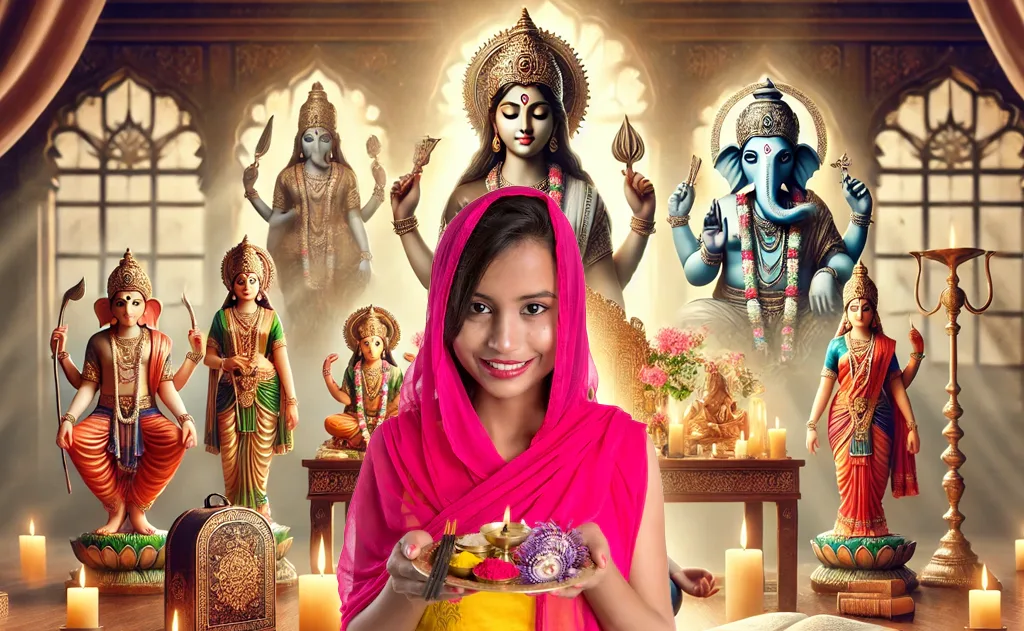
Hinduism is more than a religion—it’s a way of life rooted in spirituality, devotion, and mindful rituals.
Hinduism is more than a religion—it’s a way of life rooted in spirituality, devotion, and mindful rituals. One of its most powerful practices is the daily chanting of Prarthana Slokas (prayer hymns), which connect us with divine energies and foster inner discipline, gratitude, and awareness.
Teaching these sacred slokas to children not only preserves our cultural heritage but also instills values of devotion, humility, and respect for nature and divinity. Below are 10 timeless Hindu slokas—perfect for daily recitation from morning to bedtime.
1. Morning Sloka – Begin the Day with Gratitude
Sloka:
कराग्रे वसते लक्ष्मीः करमध्ये सरस्वती ।
करमूले तु गोविन्दः प्रभाते करदर्शनम् ॥
Translation:
At the fingertips dwells Lakshmi (wealth), at the center Saraswati (wisdom), and at the base Govinda (Lord Krishna). I behold my hands in the morning.
Teaches children to start the day with awareness and gratitude for divine energies.
2. Bhoomi Devi Prayer – Honoring Mother Earth
Sloka:
समुद्रवसने देवि पर्वतस्तनमण्डले ।
विष्णुपत्नि नमस्तुभ्यं पादस्पर्शं क्षमस्वमे ॥
Translation:
O Goddess, who wears the oceans as garments and mountains as breasts, consort of Vishnu, forgive me for placing my feet upon you.
Fosters environmental awareness and reverence for nature.
3. Bathing Sloka – Invoking Sacred Rivers
Sloka:
गङ्गे च यमुने चैव गोदावरि सरस्वति ।
नर्मदे सिन्धु कावेरी जलेऽस्मिन् संनिधिं कुरु ॥
Translation:
O Ganga, Yamuna, Godavari, Saraswati, Narmada, Sindhu, and Kaveri—please be present in this water.
Links daily cleansing with spiritual purity.
4. Tulasi Pradakshina – Honoring the Sacred Tulsi Plant
Sloka:
प्रसीदा तुलसी देवी प्रसीदा हरिवल्लभे ।
क्षीरोदा मदनोद्भूते तुलसी त्वां नमाम्यहम् ॥
Translation:
Be pleased, O Tulsi Devi, beloved of Hari, born from the ocean of milk—I bow to you.
Instills respect for sacred flora and devotion to Lord Vishnu.
5. Peepal Tree Sloka – Revering the Ashwattha Tree
Sloka:
मूलतो ब्रह्म रूपाय मध्यतो विष्णु रूपिणे ।
अग्रतः शिव रूपाय वृक्षराजाय ते नमः ॥
Translation:
Brahma resides at its roots, Vishnu in the trunk, and Shiva at the top. Salutations to the king of trees.
Connects children with the divine presence in trees and nature.
6. Ganesha Sloka – Before Starting Any Work
Sloka:
वक्रतुण्ड महाकाय सूर्यकोटि समप्रभः ।
निर्विघ्नं कुरु मे देव सर्वकार्येषु सर्वदा ॥
Translation:
O Lord with the curved trunk and massive form, shining like a million suns, remove all obstacles from my endeavors.
Encourages children to seek divine blessings before beginning anything important.
7. Deepa Jyoti Sloka – Lighting the Sacred Lamp
Sloka:
शुभं करोति कल्याणं आरोग्यं धनसंपदा ।
शत्रुबुद्धिविनाशाय दीपज्योतिर्नमोऽस्तुते ॥
दीपो ज्योति: परं ब्रह्म दीपो ज्योतिर्जनार्दन: ।
दीपो हरतु मे पापं संध्यादीप नमोऽस्तुते ॥
Translation:
The lamp brings auspiciousness, health, and wealth. It destroys evil thoughts. The flame is the Supreme Brahman, Janardana. May this sacred light remove all my sins.
Highlights the symbolic power of light over ignorance.
8. After Prayers – Dedicating Actions to Lord Narayana
Sloka:
कायेन वाचा मनसेन्द्रियैर्वा ।
बुद्ध्यात्मना वा प्रकृतिस्वभावात् ।
करोमि यद्यत्सकलं परस्मै नारायणायेतिसमर्पयामि ॥
Translation:
Whatever I do with my body, speech, mind, senses, intellect, or nature—I offer it all to Lord Narayana.
Cultivates humility and surrender to the divine.
9. Annapurna Sloka – Before Meals
Sloka:
अन्नपूर्णे सदापूर्णे शंकरप्राणवल्लभे ।
ज्ञानवैराग्यसिद्ध्यर्थं भिक्षां देहि च पार्वति ॥
माता च पार्वती देवी पिता देवो महेश्वरः ।
बान्धवाः शिवभक्ताश्च स्वदेशो भुवनत्रयम् ॥
Translation:
O Annapurna, ever full and beloved of Shiva, grant me alms for knowledge and detachment. Parvati is my mother, Maheshwara is my father, Shiva’s devotees are my kin, and the universe is my homeland.
Promotes gratitude, humility, and spiritual nourishment.
10. Bedtime Sloka – Seeking Forgiveness
Sloka:
करचरण कृतं वाक्कायजं कर्मजं वा ।
श्रवणनयनजं वा मानसं वापराधं ।
विहितमविहितं वा सर्वमेतत्क्षमस्व ।
जय जय करुणाब्धे श्रीमहादेव शंभो ॥
Translation:
Forgive all my sins—committed through my hands, feet, speech, body, actions, eyes, ears, or mind, whether prescribed or not. Victory to the ocean of compassion—Lord Shiva.
Encourages reflection and peace before sleep.
Why Teach These Slokas to Children?
- Spiritual Growth: Builds a strong connection with the divine
- Cultural Preservation: Keeps Hindu traditions alive for future generations
- Discipline & Focus: Enhances mindfulness and inner stability
- Moral Development: Inspires gratitude, humility, and devotion
How to Teach Slokas to Kids
- Start with short and simple ones like the Ganesha sloka
- Explain the meaning to make it relatable
- Use music or rhythm to make learning fun
- Recite regularly as part of morning or evening rituals
- Be a role model—chant together for a shared spiritual bond
Conclusion
Incorporating these 10 essential slokas into daily life deepens spiritual awareness and nurtures positive values in children. By teaching them early, we ensure the timeless wisdom of Hinduism lives on with strength and grace.
Start today. Chant, share, and preserve this sacred tradition.
Visit www.hindutone.com for more insights into Hindu culture, slokas, and spiritual parenting.
Call to Action: Share this guide with family and friends. Comment below with your favorite sloka and let’s inspire devotion together. Subscribe to Hindutone for weekly wisdom from Sanatana Dharma.
Frequently Asked Questions
What is the 10 Essential Hindu Prarthana Slokas Every Hindu?
Hinduism is more than a religion—it’s a way of life rooted in spirituality, devotion, and mindful rituals . One of its most powerful practices is the daily chanting of Prarthana Slokas (prayer hymns), which connect us with divine energies and foster inner discipline, gratitude, and awareness.
How many times should the 10 Essential Hindu Prarthana Slokas Every Hindu be chanted?
It is traditionally chanted 108 times using a rudraksha or tulsi mala. Even 11 or 21 sincere repetitions daily are considered beneficial — steady, focused practice matters more than the count.
What is the best time to chant the 10 Essential Hindu Prarthana Slokas Every Hindu?
Dawn (Brahma Muhurta) after a bath is considered ideal, though it may be chanted any time with a calm, focused mind. Many devotees keep a fixed daily time to build consistency.
Who can chant the 10 Essential Hindu Prarthana Slokas Every Hindu?
Anyone may chant it with faith and a pure mind, regardless of age, gender or background. Beginners benefit from first hearing the correct pronunciation and understanding its meaning.
What are the benefits of chanting the 10 Essential Hindu Prarthana Slokas Every Hindu?
It is believed to calm the mind, dissolve negativity, and draw divine grace, protection and clarity to the devotee.
You might also like
Powerful Mantras for Students & Parents Before Joining School
Powerful Hindu Mantras for Purushottam Maas 2026: Vishnu Bhakti, Chanting Guide & Global Devotion
Shani Deva Temples Worldwide & Must-Performed Rituals — Complete Devotee's Guide