Breaking
Subscribe

ॐ नमो नारायणाय

ஸ்ரீ வெங்கடேஸ்வர சுவாமி கோவில்

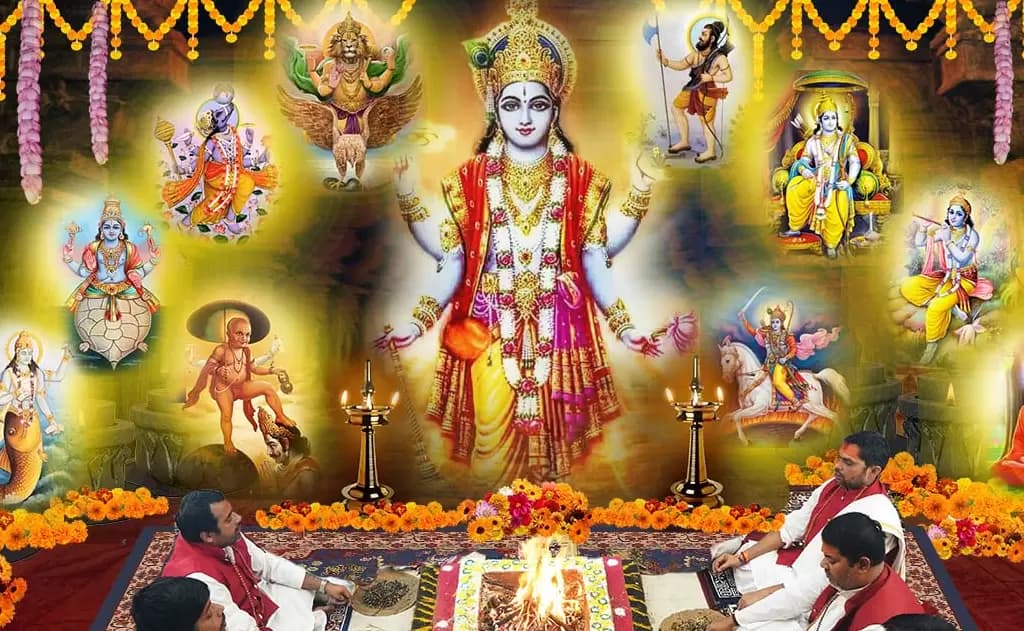
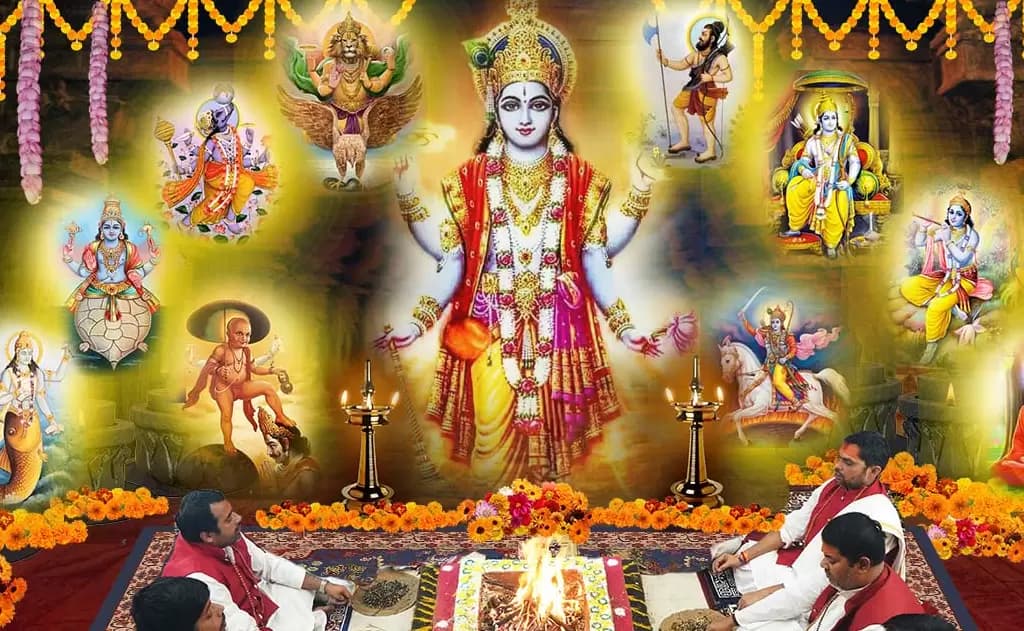
Sri Venkateswara Swamy Temple in Tirumala, Andhra Pradesh, is a Vaishnavite shrine devoted to Lord Venkateswara, drawing devotees seeking divine grace in this sacred hilltop locale.

॥ जय श्रीहरि ॥

Ancient Bells,
Living Faith

Sri Venkateswara Swamy Temple stands in Tirumala, a spiritually significant town nestled in Andhra Pradesh's landscape. As a Vaishnavite place of worship, the temple is dedicated to Lord Venkateswara, an incarnation revered across South Indian Hindu traditions. The shrine serves as a centre of devotion for pilgrims and local communities who gather to offer prayers and participate in temple rituals. The temple's location within Tirumala—itself a destination of pilgrimage—reinforces its role as a repository of Vaishnava faith and practice. Architectural and liturgical elements reflect the conventions of South Indian temple design, creating an atmosphere conducive to spiritual contemplation. The temple maintains the rhythms of worship that structure the religious calendar, hosting daily rituals and observances that connect devotees to the divine through established Vaishnavite practice. For those seeking to understand the region's living Hindu culture, this temple exemplifies the continuity of devotional traditions in Andhra Pradesh.

॥ वसुधैव कुटुम्बकम् ॥

Light a Lamp,
Offer a Prayer

Every wick lit, every offering made at Sri Venkateswara Swamy Temple, joins a river of devotion that flows through every heart that has ever sought refuge in Vishnu.

Srivishnu

Welcome to the Sanctum

ஸ்ரீ வெங்கடேஸ்வர சுவாமி கோவில்

Sri Venkateswara Swamy Temple in Tirumala, Andhra Pradesh, is a Vaishnavite shrine devoted to Lord Venkateswara, drawing devotees seeking divine grace in this sacred hilltop locale.

Sri Venkateswara Swamy Temple stands in Tirumala, a spiritually significant town nestled in Andhra Pradesh's landscape. As a Vaishnavite place of worship, the temple is dedicated to Lord Venkateswara, an incarnation revered across South Indian Hindu traditions. The shrine serves as a centre of devotion for pilgrims and local communities who gather to offer prayers and participate in temple rituals. The temple's location within Tirumala—itself a destination of pilgrimage—reinforces its role as a repository of Vaishnava faith and practice. Architectural and liturgical elements reflect the conventions of South Indian temple design, creating an atmosphere conducive to spiritual contemplation. The temple maintains the rhythms of worship that structure the religious calendar, hosting daily rituals and observances that connect devotees to the divine through established Vaishnavite practice. For those seeking to understand the region's living Hindu culture, this temple exemplifies the continuity of devotional traditions in Andhra Pradesh.

108Sacred Lamps
6Daily Aartis
Blessings

ॐ नमो नारायणाय

Sacred Offerings

Sevas & Pujas

Offerings performed by ordained priests under the guidance of vedic tradition — for every milestone of life.

श्री

Mahabhishekam

Ceremonial bathing of the deity with milk, honey, sandalwood and sacred herbs accompanied by Vedic chants.

Archana

Recitation of the deity's names and mantras with flower offerings, performed in your name and gotra.

गं

Ganapati Homam

Sacred fire ritual to invoke Lord Ganesha — performed before new beginnings and important journeys.

Daily Worship

Aarti & Darshan Hours

Open every day of the week. Each hour carries its own fragrance, its own prayer.

  • 04:30 AMSuprabhatamAwakening of the Lord with vedic hymns
  • 07:00 AMTomala SevaOffering of fresh tulsi & flower garlands
  • 11:30 AMRajbhog AartiMidday bhog and naivedyam
  • 04:00 PMUtthapan DarshanReawakening after the afternoon rest
  • 07:00 PMSandhya AartiTwilight worship with conch and bell
  • 09:00 PMShayan AartiFinal blessing — sanctum closes for the night

Plan Your Visit

Reach the Sanctum

Address: Andhra Pradesh, India

Daily wisdom delivered to your inbox

Join 40,000+ devotees receiving mantras, festival alerts, temple stories, and panchang — every morning.