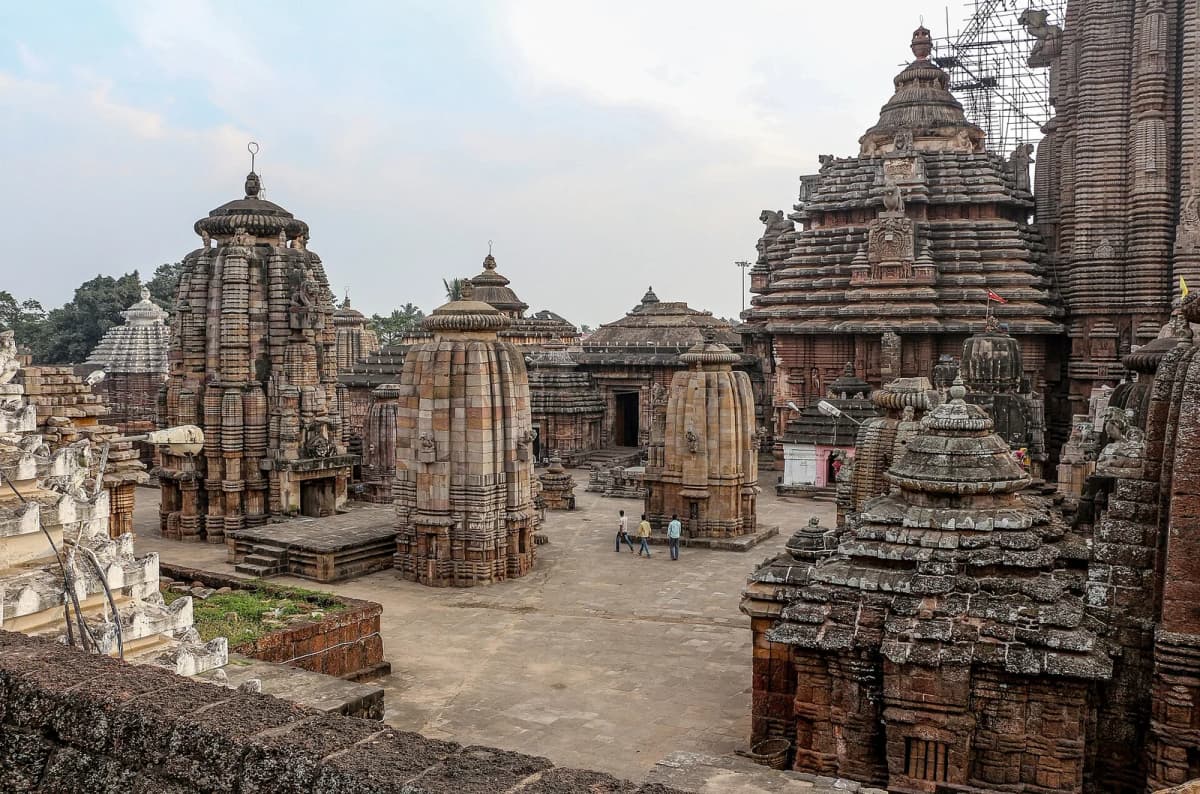
Sacred Mondays: The Eternal Significance of Somavar Darshan at Pashupatinath Mahadev Temple
Nepal's holiest Shiva temple continues to draw thousands of devotees every Monday, reinforcing the timeless tradition of Somavar worship Kathmandu, Nepal - As…
Nepal's holiest Shiva temple continues to draw thousands of devotees every Monday, reinforcing the timeless tradition of Somavar worship Kathmandu, Nepal - As…
Nepal's holiest Shiva temple continues to draw thousands of devotees every Monday, reinforcing the timeless tradition of Somavar worship
Kathmandu, Nepal - As dawn breaks over the sacred banks of the Bagmati River, thousands of devotees begin their pilgrimage to the revered Pashupatinath Mahadev Temple, Nepal's most important shrine dedicated to Lord Shiva. Every Monday, or 'Somavar' as it is known in Sanskrit, witnesses an extraordinary spiritual congregation that has remained unchanged for centuries.
The Sacred Significance of Monday Worship
Mondays are considered especially auspicious for Lord Shiva worship, and this ancient tradition finds its most magnificent expression at the UNESCO World Heritage Site of Pashupatinath Temple. Mondays are traditionally dedicated to Shiva, and devotees believe their prayers are particularly well-received by the deity, also known as Ashutosh.
The temple, situated on the banks of the River Bagmati, is the most revered Hindu temple in Nepal, attracting pilgrims not just from Nepal but from across the Indian subcontinent and beyond. The significance of Monday worship stems from ancient Vedic traditions where Somavar is dedicated to Lord Shiva, making it the most propitious day for devotees to seek his blessings.
Overwhelming Devotion During Shravan Month
The importance of Monday darshan reaches its pinnacle during the holy month of Shravan (Saun), when spiritual fervor intensifies manifold. Thousands of devotees thronged the Pashupatinath Temple on recent Mondays to mark various Mondays of the holy month of Shravan, with large crowds gathering from early morning.
To facilitate the worshippers, all four gates of the Pashupatinath Temple were opened from 3 am, demonstrating the temple administration's commitment to accommodating the massive influx of devotees who arrive before sunrise to participate in the morning rituals.
Special Arrangements for Devotees
The Pashupati Area Development Trust has implemented comprehensive arrangements to manage the enormous crowds. The trust has announced special provisions during the month of Shrawan, with devotees beginning to gather at the temple premises from 3 a.m. These early morning darshan opportunities allow devotees to participate in the sacred rituals and seek blessings during the most spiritually potent hours of the day.
Since the month of Saun and Monday are the month and time of Lord Shiva, it is believed that taking a bath in the morning and worshiping and visiting the Shiva temple will fulfill wishes and bring unwavering good fortune.
The Spiritual Legacy Continues
The Pashupatinath Temple stands as a testament to Nepal's rich spiritual heritage. The most important festival observed here is Shivaratri, but the weekly Monday congregations represent the consistent, unwavering devotion of Shiva's followers throughout the year.
Special Rudrabhishekams (Shiva worship with sacred offerings) are performed daily, with only Hindu priests of South Indian origin (known as Bhatta Brahmins) allowed to perform rituals in the inner sanctum, ensuring an unbroken line of Vedic traditions.
A Living Tradition
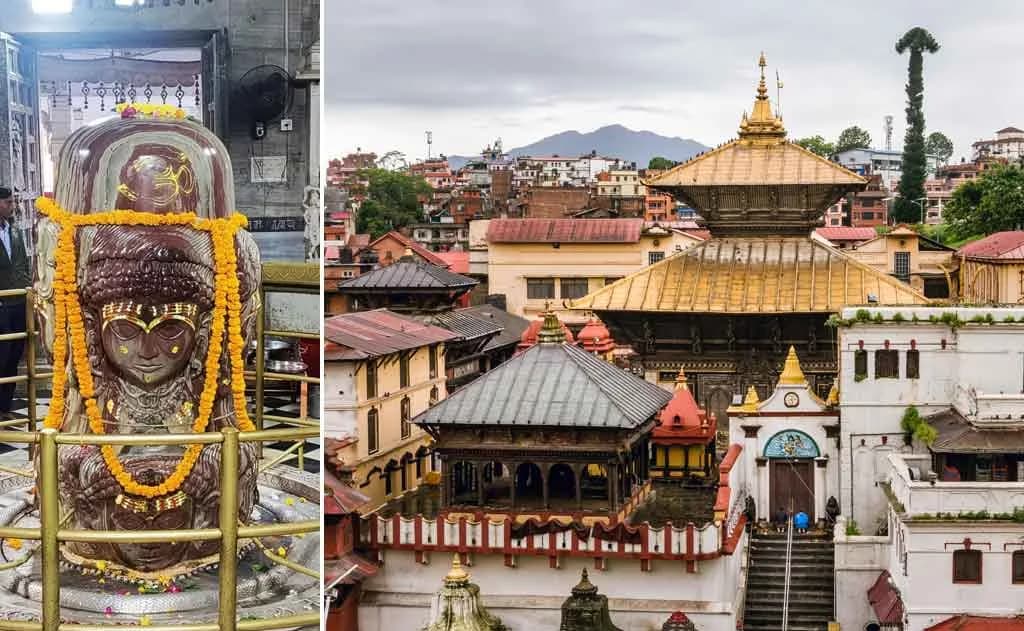
The temple's unique architecture, featuring traditional Nepali pagoda-style design, provides a magnificent backdrop for these weekly spiritual gatherings. The inner temple courtyard remains open from 04:00 to 19:00 for devotees, with the inner Pashupatinath Temple open from 05:00 to 12:00 for morning rituals and viewing, and from 17:00 to 19:00 for evening rituals.
What makes Pashupatinath's Monday darshan particularly special is not just the numbers - thousands gather to offer prayers to Lord Shiva - but the deep spiritual connection that transcends geographical and cultural boundaries. Devotees from across Nepal, India, and the global Hindu diaspora consider their Monday pilgrimage to Pashupatinath as an essential spiritual practice.
The Eternal Appeal
The continuing popularity of Somavar darshan at Pashupatinath reflects the timeless appeal of Shiva worship and the temple's status as one of the most sacred pilgrimage destinations in the Hindu world. Whether it's the first Monday of Shravan or any regular Monday throughout the year, the temple witnesses an unceasing flow of devotees who find in Lord Pashupatinath not just a deity to worship, but a divine presence that responds to their deepest prayers and aspirations.
As the ancient chants echo through the temple complex and the sacred Bagmati flows nearby, carrying with it centuries of prayers and devotion, Pashupatinath Mahadev Temple continues to serve as a beacon of faith, drawing devotees every Monday in an endless cycle of worship, prayer, and spiritual renewal.
How to Reach — Travel Guide — Pashupatinath Mahadev Temple, Kathmandu
✈️ By Flight
Tribhuvan International Airport, Kathmandu (KTM, ~5 km from the temple). Direct flights from Delhi, Mumbai, Bengaluru, Chennai, Kolkata, Varanasi, plus Bangkok, Doha, Dubai, Singapore, Kuala Lumpur. Indian visitors do not need a visa for Nepal — passport or voter ID is sufficient at the airport.
🚂 By Train
There is no railway in Kathmandu Valley. Indian devotees can take a train to Raxaul (RXL) or Gorakhpur (GKP) and then cross by road through the Birgunj or Sunauli border. From Delhi, the Mithila Express to Raxaul is most popular.
🚌 By Bus
Long-distance buses from Indian border towns (Sunauli/Bhairawa, Birgunj, Kakarbhitta) to Kathmandu New Bus Park (Gongabu). From Kathmandu, local buses, micros and taxis to Pashupatinath are frequent and inexpensive.
🚗 By Road / Car
Three Indo-Nepal border road routes: (1) Sunauli–Bhairawa–Pokhara–Kathmandu (8–9 hrs from border); (2) Raxaul–Birgunj–Hetauda–Kathmandu (7 hrs); (3) Panitanki–Kakarbhitta–Mughling–Kathmandu (12+ hrs). All require valid passport / voter ID; vehicles need permits.
Best Places to Visit Near Pashupatinath Mahadev Temple, Kathmandu
Combine your darshan at Pashupatinath Mahadev Temple, Kathmandu with these well-known nearby attractions for a complete pilgrimage and travel experience:
Bagmati River Aarya Ghat (at the temple) — the main cremation ghats; one of the most spiritually intense ghats in Asia.
Guhyeshwari Temple (1 km) — Shakti Peetha within the Pashupatinath complex; both darshans together complete the visit.
Boudhanath Stupa (4 km) — UNESCO World Heritage giant Buddhist stupa; second pilgrimage on the Hindu-Buddhist circuit.
Swayambhunath (Monkey Temple) (8 km) — UNESCO hilltop Buddhist stupa with sweeping Kathmandu views.
Kathmandu Durbar Square (6 km) — UNESCO old royal palace complex; the living goddess Kumari.
Patan (Lalitpur) Durbar Square (8 km) — UNESCO; the most exquisite Newari architecture.
Bhaktapur Durbar Square (15 km) — third Durbar Square; pottery square; 55-Window Palace.
All distances are approximate; please verify on Google Maps and check current road, weather and local conditions before travelling. For latest darshan timings and special pilgrim arrangements, refer to the temple's official authority website.
Frequently Asked Questions
Where is Sacred Mondays located?
Nepal's holiest Shiva temple continues to draw thousands of devotees every Monday, reinforcing the timeless tradition of Somavar worship Kathmandu, Nepal - As dawn breaks over the sacred banks of the Bagmati River, thousands of devotees begin their pilgrimage to the revered Pashupatinath Mahadev Temple, Nepal's most important shrine dedicated to Lord Shiva.
Who is the presiding deity of Sacred Mondays?
The presiding deity is Lord Shiva.
What are the timings and how do I reach Sacred Mondays?
Temples typically open early morning and evening; confirm current darshan timings before visiting. The nearest airport, railway station and road routes are covered in the guide above.
What is the best time to visit Sacred Mondays?
Major festival days and the cooler months are popular, though weekday mornings offer a calmer darshan. Plan around the temple's key festivals for the most vibrant experience.
You might also like
Janmashtami 2026 in India: Date, Rituals & Top Temples to Visit

Bhimashankar Jyotirlinga Reopens June 15, 2026 After Major Renovation
The Twelve Jyotirlingas of Lord Shiva: A Complete Pilgrim's Guide Across India