Sacred Hindu Temples in Nepal: A Complete Pilgrimage Guide 2025
Discover the most sacred Hindu temples in Nepal, from ancient architectural marvels to high-altitude spiritual destinations that attract devotees worldwide.
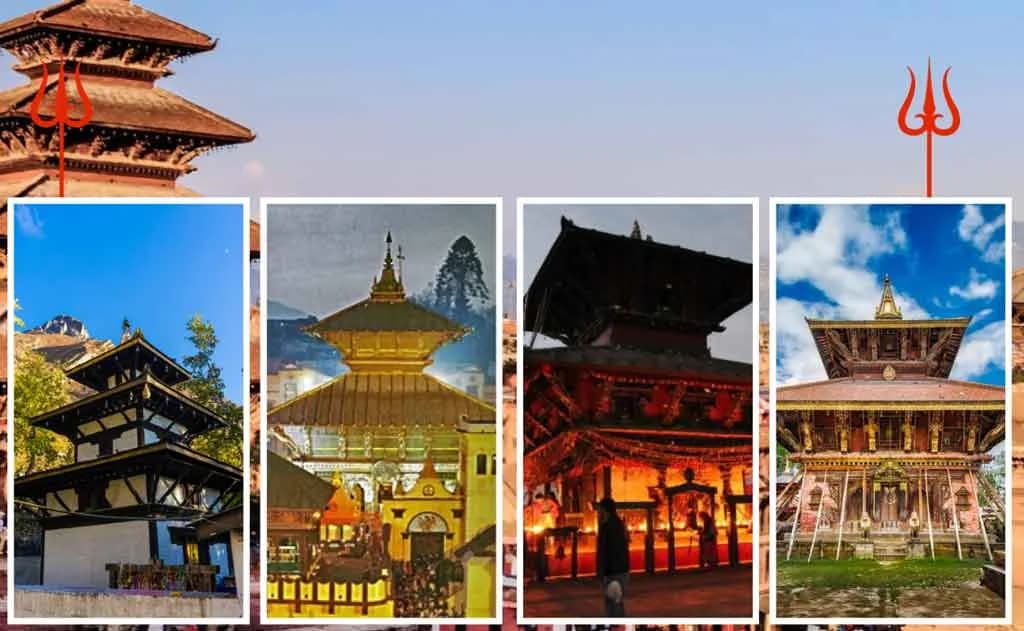
Discover the most sacred Hindu temples in Nepal, from ancient architectural marvels to high-altitude spiritual destinations that attract devotees worldwide.
Discover the most sacred Hindu temples in Nepal, from ancient architectural marvels to high-altitude spiritual destinations that attract devotees worldwide.
Nepal, the birthplace of Lord Buddha and home to Mount Everest, stands as one of the most spiritually significant destinations in the world. This Himalayan kingdom houses some of the most revered Hindu temples and pilgrimage sites, drawing millions of devotees and spiritual seekers annually. From the sacred banks of the Bagmati River to the breathtaking heights of the Himalayas, Nepal's Hindu temples offer profound spiritual experiences combined with stunning architectural beauty.
Why Nepal is Sacred for Hindu Pilgrims
Nepal's unique position as the world's only Hindu kingdom (until 2008) has preserved centuries-old traditions and maintained some of Hinduism's most important sacred sites. The country's temples showcase exquisite Nepalese pagoda architecture, intricate wood carvings, and ancient stone sculptures that represent the pinnacle of Himalayan craftsmanship.
Top 10 Must-Visit Hindu Temples in Nepal
1. Pashupatinath Temple, Kathmandu
Location: Banks of Bagmati River, Kathmandu
Dedicated to: Lord Shiva
Historical Significance: Dating back to 400 AD
UNESCO Status: World Heritage Site
The crown jewel of Nepal's Hindu temples, Pashupatinath is one of the most sacred Shiva temples in the world. Built in traditional Nepalese pagoda style, this ancient temple complex spans 264 hectares and attracts devotees from across the globe. The temple's name translates to "Lord of all beings," reflecting Lord Shiva's cosmic significance.
Key Features:
- Ancient architecture with intricate wood carvings
- Sacred cremation ghats along the Bagmati River
- Annual Maha Shivaratri festival celebrations
- Golden roof and silver doors
2. Muktinath Temple, Mustang
Location: Mustang District, 12,467 feet above sea level
Dedicated to: Lord Vishnu (Mukti Narayana)
Special Feature: World's highest temple
Religious Significance: One of 108 Divya Desams
Located in the breathtaking Himalayas, Muktinath Temple offers both spiritual fulfillment and stunning mountain views. This sacred site is revered by both Hindus and Buddhists, making it a unique interfaith pilgrimage destination.
Unique Attractions:
- 108 stone-carved bull faces with holy water spouts
- Sacred eternal flames burning for centuries
- Spectacular Himalayan backdrop
- Natural saligrams (sacred stones)
3. Manakamana Temple, Gorkha
Location: Gorkha District
Dedicated to: Goddess Bhagwati (Manakamana Devi)
Built: 17th century
Access: Famous cable car journey
The wish-fulfilling goddess temple, Manakamana attracts thousands seeking blessings for their desires. The temple's name derives from "Mana" (heart) and "Kamana" (wishes), symbolizing heartfelt prayers.
Highlights:
- Traditional pagoda-style architecture
- Scenic cable car ride (Nepal's first)
- Panoramic mountain views
- Annual festivals and celebrations
4. Changu Narayan Temple, Bhaktapur
Location: Changu Village, Bhaktapur
Dedicated to: Lord Vishnu
Historical Value: Nepal's oldest temple
Architecture: Classic Nepalese pagoda style
This ancient temple showcases the finest examples of Nepalese stone and wood craftsmanship. The complex houses numerous smaller shrines and courtyards, each with unique artistic significance.
5. Janaki Temple, Janakpur
Location: Janakpur, Dhanusha District
Dedicated to: Goddess Sita (Janaki)
Significance: Birthplace of Sita
Architecture: Indo-Nepalese style
This magnificent temple commemorates the birthplace of Goddess Sita, Lord Rama's consort. The three-story structure features 60 rooms and attracts pilgrims during Ram Navami and Bibaha Panchami festivals.
6. Dakshinkali Temple, Kathmandu
Location: Dakshinkali, south of Kathmandu
Dedicated to: Goddess Kali
Special Feature: Animal sacrifice rituals
Festival: Dashain celebrations
This powerful goddess temple is known for its intense spiritual energy and traditional worship practices. Devotees visit especially during Dashain festival seeking protection and blessings.
7. Guhyeshwari Temple, Kathmandu
Location: Near Pashupatinath Temple
Dedicated to: Goddess Guhyeshwari
Significance: Shakti Peeth
Access: Only Hindu devotees allowed
One of the 51 Shakti Peeths, this temple holds immense significance for tantric practices and goddess worship. The temple's mysterious atmosphere adds to its spiritual appeal.
8. Bindyabasini Temple, Pokhara
Location: Pokhara, Old Bazaar
Dedicated to: Goddess Durga
View: Stunning Annapurna range
Festival: Dashain and Navratri
Perched on a hilltop, this temple offers breathtaking views of the Annapurna mountain range along with spiritual solace. The temple is particularly crowded during major Hindu festivals.
9. Tal Barahi Temple, Pokhara
Location: Island in Phewa Lake
Dedicated to: Goddess Barahi
Unique Feature: Lake island temple
Access: Boat ride required
This unique temple situated on an island in Phewa Lake offers a mystical experience. Devotees must take a boat ride to reach this serene spiritual destination.
10. Triveni Dham, Nawalparasi
Location: Confluence of three rivers
Significance: Sacred river junction
Pilgrimage Time: Year-round
Activities: Holy baths and pujas
Located at the confluence of Narayani, Sona, and Tamasa rivers, this site attracts pilgrims for holy baths and spiritual cleansing rituals.
Architectural Marvels of Nepalese Temple Design
Nepal's Hindu temples showcase unique architectural features that set them apart from temples elsewhere:
Pagoda Style Architecture:
- Multi-tiered roofs with upward-curving eaves
- Intricate wood carvings and metalwork
- Stone foundations with wooden superstructures
- Symbolic design elements representing cosmic principles
Artistic Elements:
- Hand-carved wooden struts (tundal)
- Metal repoussé work on roofs and doors
- Stone sculptures of deities and mythical creatures
- Mandala-inspired floor plans
Planning Your Hindu Temple Tour in Nepal
Best Time to Visit
- October to March: Clear mountain views and pleasant weather
- Festival Seasons: Dashain, Tihar, and Maha Shivaratri for cultural experiences
- Monsoon (June-September): Avoid due to heavy rainfall
Essential Preparations
- Respect local customs and dress codes
- Photography restrictions in some temples
- Remove shoes before entering temple premises
- Participate respectfully in rituals and ceremonies
Pilgrimage Circuits
- Kathmandu Valley Circuit: Pashupatinath, Guhyeshwari, Changu Narayan
- Himalayan Pilgrimage: Muktinath Temple trek
- Central Nepal Tour: Manakamana and Gorkha temples
- Eastern Nepal Journey: Janaki Temple and surrounding sites
Spiritual Significance and Festivals
Nepal's Hindu temples come alive during major festivals:
Maha Shivaratri - Pashupatinath Temple transforms into a spiritual epicenter with hundreds of thousands of devotees.
Dashain Festival - Dakshinkali and other goddess temples witness massive celebrations with traditional rituals.
Janaki Navami - Janaki Temple celebrates the birth of Goddess Sita with grand festivities.
Cultural Impact and Modern Relevance
These ancient temples continue to play vital roles in Nepalese society:
- Preservation of traditional arts and crafts
- Cultural education and spiritual guidance
- Economic support for local communities
- International religious tourism
Conservation Efforts and Challenges
Many temples face challenges from:
- Natural disasters (earthquakes, floods)
- Climate change effects
- Urban development pressure
- Need for structural restoration
Various organizations work tirelessly to preserve these cultural treasures through:
- UNESCO World Heritage protection
- Local community involvement
- International funding and support
- Traditional craft preservation programs
Conclusion: A Journey of Faith and Culture
Nepal's Hindu temples offer more than religious experiences—they provide windows into ancient wisdom, artistic excellence, and enduring faith. Whether you're seeking spiritual enlightenment, cultural understanding, or architectural appreciation, Nepal's sacred temples welcome visitors with open arms and blessed hearts.
From the ancient stones of Pashupatinath to the Himalayan heights of Muktinath, each temple tells a story of devotion, artistry, and spiritual evolution. Plan your pilgrimage to these sacred destinations and discover why Nepal remains one of Hinduism's most cherished spiritual landscapes.
Frequently Asked Questions
Where is Sacred Hindu Temples in Nepal located?
Discover the most sacred Hindu temples in Nepal, from ancient architectural marvels to high-altitude spiritual destinations that attract devotees worldwide. Nepal, the birthplace of Lord Buddha and home to Mount Everest, stands as one of the most spiritually significant destinations in the world.
Who is the presiding deity of Sacred Hindu Temples in Nepal?
The temple's presiding deity and its significance are described in the guide above.
What are the timings and how do I reach Sacred Hindu Temples in Nepal?
Temples typically open early morning and evening; confirm current darshan timings before visiting. The nearest airport, railway station and road routes are covered in the guide above.
What is the best time to visit Sacred Hindu Temples in Nepal?
Major festival days and the cooler months are popular, though weekday mornings offer a calmer darshan. Plan around the temple's key festivals for the most vibrant experience.
You might also like
Janmashtami 2026 in India: Date, Rituals & Top Temples to Visit
Angkor Wat: Divine Mysteries & Soul-Stirring Miracles of Lord Vishnu's Cosmic Temple
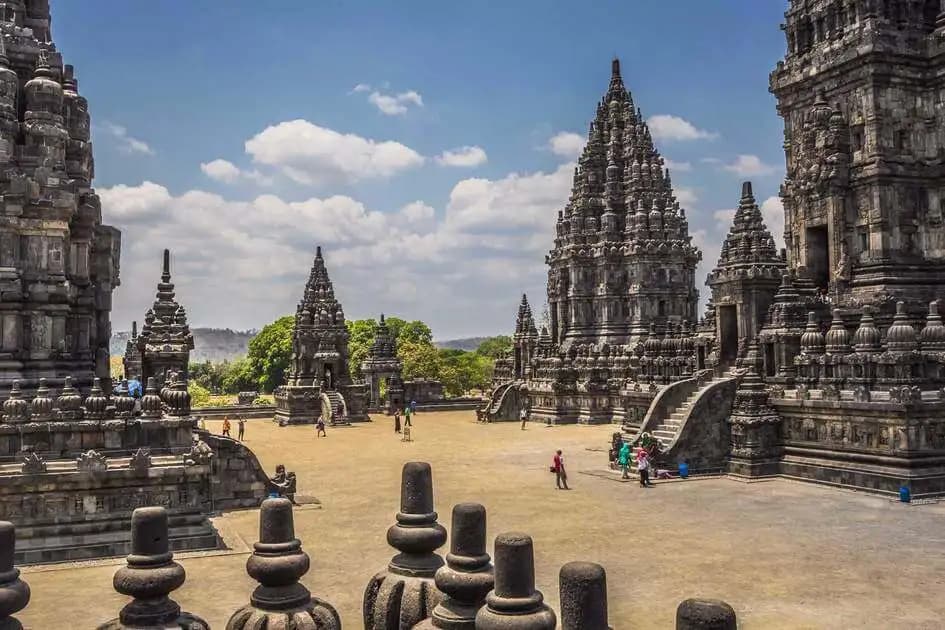
Prambanan: Divine Mysteries & Soul-Stirring Miracles of the Trimurti in Indonesia