Hindu Temples in Pakistan: Lost Heritage and Current Status (2025)
A Comprehensive Look at Our Sacred Sites Across the Border - Before Partition vs Today Last Updated: September 3, 2025 The 1947 Partition of India not only…
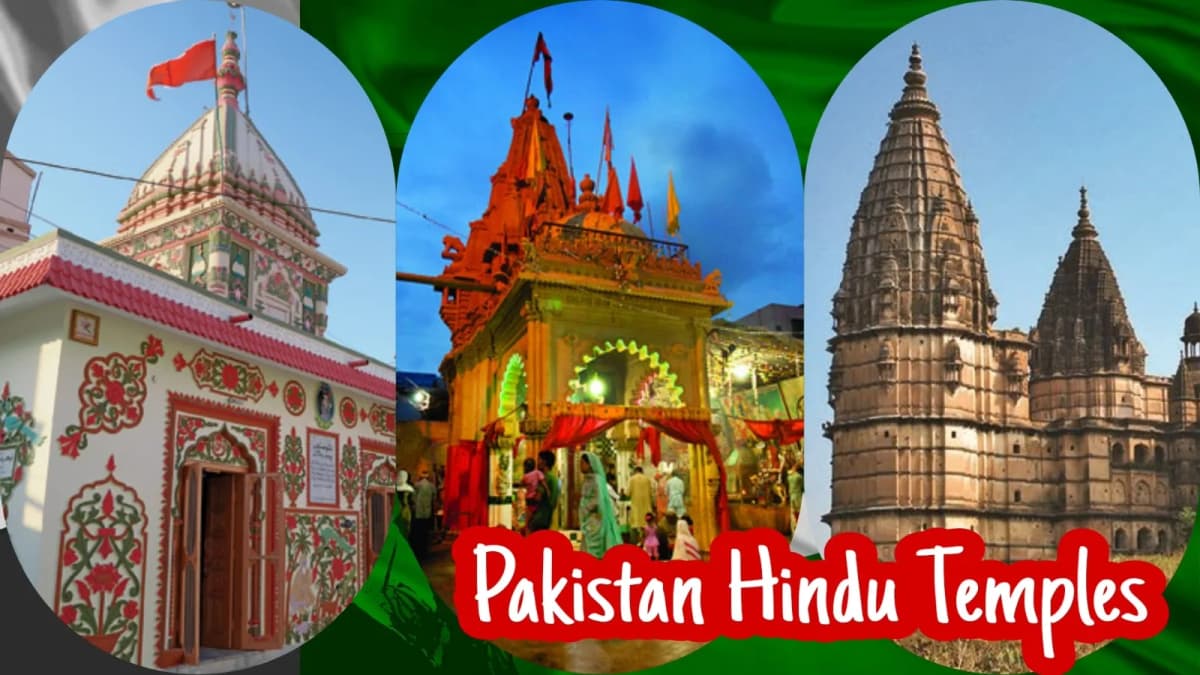
A Comprehensive Look at Our Sacred Sites Across the Border - Before Partition vs Today Last Updated: September 3, 2025 The 1947 Partition of India not only…
A Comprehensive Look at Our Sacred Sites Across the Border - Before Partition vs Today
Last Updated: September 3, 2025
The 1947 Partition of India not only divided a nation but also separated millions of Hindus from their sacred heritage sites. Today, as we examine the status of Hindu temples in Pakistan, we uncover a heartbreaking tale of lost architectural marvels, abandoned pilgrimage sites, and a dwindling religious heritage that once flourished across the Indian subcontinent.
Table of Contents
- The Devastating Numbers: Before vs After Partition
- Major Hindu Temples That Still Survive
- Famous Lost Temples and Their Stories
- Current Status and Government Initiatives
- Pilgrimage and Religious Practices Today
- Archaeological Discoveries and Restoration Efforts
- The Future of Hindu Heritage in Pakistan
The Devastating Numbers: Before vs After Partition {#the-devastating-numbers}
The Shocking Statistics
A survey carried out by All Pakistan Hindu Rights Movement Pakistan's revealed that out of 428 Hindu temples in Pakistan that existed before Partition, only around 20 survive today and they remain neglected by the Evacuee Trust Property Board which controls those. This represents a staggering 95% loss of Hindu religious heritage over the past 78 years.
Recent data shows an even more alarming picture:
- Before 1947: 428 functioning Hindu temples
- Current Status (2025): Only 22 Hindu temples remain in Pakistan, and the maximum number of them, 11, are in the Sindh region
Distribution of Surviving Temples
According to current reports, out of temples built before partition in Pakistan, 13 are being managed by the Evacuee Trust Property Board, 65 are being managed by the Hindu community, and the remainder of 287 have been abandoned to land mafias.
Regional Distribution:
- Sindh: 11 temples (highest concentration)
- Punjab: 6 temples
- Balochistan: 3 temples (including the famous Hinglaj Mata)
- Khyber Pakhtunkhwa: 2 temples
Major Hindu Temples That Still Survive {#surviving-temples}
Despite the massive losses, some significant Hindu temples continue to exist in Pakistan, serving as testaments to the region's rich spiritual heritage.
1. Hinglaj Mata Temple, Balochistan
Hinglaj Mata, also known as Hinglaj Devi, Hingula Devi and Nani Mandir, is a Hindu temple in Hinglaj, a town on the Makran coast in the Lasbela district of Balochistan, and is in the middle of the Hingol National Park. It is one of the 51 Shakti Peethas in Shaktism denomination of Hinduism.
Significance:
- One of the 51 sacred Shakti Peethas
- Annual Hinglaj Yatra is the largest Hindu pilgrimage in Pakistan, which is participated by more than 250,000 pilgrims
- Located in the remote mountains of Balochistan
- Sacred to the Kshatriya caste deity
Current Status:
- Actively functioning temple
- Regular pilgrimage continues
- Protected within Hingol National Park
- Accessible to both Pakistani and Indian pilgrims (with restrictions)
2. Katas Raj Temples, Punjab
The complex was a popular pilgrimage site for Hindus prior to the 1947 Partition of British India, with large numbers visiting for Maha Shivaratri. Following Partition, the local Hindu community left the region for India.
Historical Importance:
- Ancient temple complex dedicated to Lord Shiva
- Associated with Hindu mythology and the Mahabharata
- Sacred pond believed to be formed by Lord Shiva's tears
Current Challenges:
- In July 2025, the temple was damaged by floods
- Ongoing restoration efforts
- Limited access for Indian pilgrims
- Maintenance issues due to limited funding
3. Shri Krishna Mandir, Sindh
The temple dedicated to Lord Krishna in Sindh holds great importance for Hindus. This temple continues to serve the local Hindu community in Pakistan.
Features:
- Dedicated to Lord Krishna
- Active worship continues
- Maintained by local Hindu community
- Important for Pakistani Hindu festivals
4. Panchmukhi Hanuman Mandir, Karachi
Located in Karachi, this temple remains one of the most visited Hindu temples in urban Pakistan.
Significance:
- Dedicated to Lord Hanuman
- Serves the Hindu community in Karachi
- Regular prayers and festivals
- Protected under religious minority rights
Famous Lost Temples and Their Stories {#lost-temples}
The story of Hindu temples in Pakistan is largely one of loss and abandonment. Many were abandoned during partition of the sub continent, becoming derelict and falling apart in disrepair and decay due to the vagaries of nature. Many others were appropriated either by migrants from India or those opting to remain behind, and converted into residential premises.
The Fate of 400+ Temples
The overwhelming majority of the 428 pre-partition temples met various fates:
Abandoned and Ruined:
- Left to natural decay after Hindu populations migrated
- Vandalism and neglect over decades
- Weather damage without maintenance
- Encroachment by local populations
Converted or Demolished:
- Residential conversions
- Commercial use of temple premises
- Complete demolition for new construction
- Integration into other religious structures
Land Grabbing:
- 287 temples have been abandoned to land mafias
- Illegal occupation of temple premises
- Sale of temple lands
- Complete loss of religious identity
Current Status and Government Initiatives {#current-status}
Pakistani Government Promises
The current government has pledged to restore 400 Hindus temples for the Hindu population of Pakistan, beginning with a 1000 year old temple in Sialkot. However, implementation remains slow and inconsistent.
Government Initiatives Include:
- Evacuation Trust Property Board oversight
- Some restoration projects
- Protection of major pilgrimage sites
- Limited pilgrimage permits for Indian visitors
Challenges Faced
Administrative Issues:
- Bureaucratic delays in restoration projects
- Limited budget allocation
- Lack of specialized conservation expertise
- Coordination issues between federal and provincial governments
Social Challenges:
- Dwindling Hindu population (less than 2% of total)
- Limited community resources for maintenance
- Social pressure and security concerns
- Lack of trained priests and religious leaders
Pilgrimage and Religious Practices Today {#pilgrimage-today}
Continuing Traditions
Despite the challenges, some religious practices continue:
Hinglaj Yatra:
- Hinglaj Valley, home to the revered Hinglaj Mata Mandir, a sacred Hindu temple and the site of the largest Hindu pilgrimage in Pakistan
- Annual pilgrimage attracts thousands
- Both Pakistani and limited Indian participation
- Maintained traditional rituals and customs
Local Worship:
- Pakistani Hindu communities continue daily worship
- Festival celebrations in surviving temples
- Maintenance of religious traditions
- Community-driven preservation efforts
Restrictions and Limitations
For Indian Pilgrims:
- Visa restrictions limit access
- Security clearances required
- Limited pilgrimage seasons
- Group travel requirements
For Pakistani Hindus:
- Social pressure in some areas
- Limited resources for temple maintenance
- Emigration reducing community size
- Intergenerational knowledge loss
Archaeological Discoveries and Restoration Efforts {#restoration-efforts}
Recent Discoveries
In 2020, a 1300-year-old temple dedicated to Lord Vishnu was uncovered in Swat district by a team from the Archaeological Department, which included experts from Pakistan and Italy.
Significant Finds:
- Ancient Vishnu temple in Swat
- Buddhist-Hindu architectural remains
- Gandhara civilization artifacts
- Pre-Islamic religious sites
Restoration Projects
Katas Raj Complex:
- Ongoing restoration with government support
- International archaeological assistance
- Tourism development initiatives
- Flood damage repairs (2025)
Individual Temple Efforts:
- Community-funded restoration
- NGO support for preservation
- Academic research projects
- Documentation of surviving architecture
The Future of Hindu Heritage in Pakistan {#future-outlook}
Current Trends
Positive Developments:
- Increased government attention to minority rights
- International pressure for heritage preservation
- Tourism potential recognition
- Academic interest in conservation
Concerning Trends:
- Continued emigration of Hindu population
- Natural deterioration of structures
- Land encroachment issues
- Limited funding for comprehensive restoration
Recommendations for Preservation
Immediate Needs:
- Comprehensive documentation of surviving temples
- Emergency conservation measures
- Legal protection against encroachment
- Community capacity building
Long-term Solutions:
- International heritage preservation partnerships
- Tourism development with cultural sensitivity
- Educational programs about shared heritage
- Cross-border cooperation for pilgrimage access
The Broader Impact on Hindu Heritage
Cultural Loss Assessment
The loss of 95% of Hindu temples in Pakistan represents:
- Architectural Heritage: Unique Indo-Islamic and ancient Hindu architectural styles
- Spiritual Significance: Sacred sites mentioned in Hindu scriptures
- Cultural Memory: Centuries of religious practices and traditions
- Artistic Treasure: Sculptures, paintings, and craftsmanship
Lessons for Heritage Preservation
The Pakistan experience offers crucial insights:
- Community Continuity: Religious sites survive better with active communities
- Government Support: Official protection is essential for preservation
- International Attention: Global awareness helps conservation efforts
- Documentation Importance: Recording heritage before it's too late
Regional Comparison: State-wise Temple Status
Sindh Province
- Highest Survival Rate: 11 out of 22 surviving temples
- Community Presence: Largest Hindu population in Pakistan
- Government Support: Relatively better protection
- Active Worship: Regular religious activities continue
Punjab Province
- Moderate Survival: 6 surviving temples
- Historical Significance: Includes Katas Raj complex
- Tourism Potential: Archaeological and pilgrimage value
- Restoration Efforts: Some government initiatives
Balochistan Province
- Strategic Importance: Hinglaj Mata temple
- Pilgrimage Hub: Major annual gatherings
- Geographic Challenges: Remote locations
- Cultural Significance: Shakti Peetha status
Khyber Pakhtunkhwa
- Minimal Survival: Only 2 temples remaining
- Security Concerns: Regional instability affects preservation
- Archaeological Potential: Ancient Gandhara connections
- Limited Access: Difficult pilgrimage conditions
International Perspectives and Diplomatic Implications
India-Pakistan Relations
- Temple preservation affects bilateral relations
- Pilgrimage access as diplomatic tool
- Heritage diplomacy potential
- Shared cultural legacy recognition
Global Heritage Community
- UNESCO involvement possibilities
- International conservation partnerships
- Academic research collaborations
- Tourism development opportunities
Conclusion: Preserving What Remains
The story of Hindu temples in Pakistan is both a tale of immense loss and remarkable resilience. Some of the earliest Hindu temples once stood in what is now Pakistan; their traces can still be seen in the ruins that exist today. From 428 thriving temples before Partition to just 22 surviving today, the statistics paint a sobering picture of cultural heritage lost to time, neglect, and political upheaval.
However, the temples that survive—from the magnificent Hinglaj Mata in Balochistan's mountains to the ancient Katas Raj complex in Punjab—represent more than just architectural monuments. They stand as bridges between past and present, connecting modern devotees to millennia of spiritual tradition.
The path forward requires:
- Urgent Conservation: Immediate action to prevent further losses
- Community Engagement: Supporting Pakistani Hindu communities
- International Cooperation: Cross-border heritage preservation efforts
- Government Commitment: Sustained political will for protection
- Public Awareness: Educating people about shared cultural heritage
As we reflect on this lost heritage, we must also celebrate the resilience of faith and the enduring power of sacred spaces. The 250,000 pilgrims who still journey to Hinglaj Mata each year remind us that some connections transcend political boundaries, and some sacred fires continue to burn despite all odds.
For Hindus worldwide, these temples in Pakistan represent not just architectural marvels or tourist destinations, but pieces of our collective spiritual DNA—reminders of a time when the subcontinent was one, and devotion knew no borders.
Keywords Summary
Hindu temples Pakistan, Partition 1947, Hinglaj Mata temple, Katas Raj temples, Pakistani Hindu heritage, lost temples Pakistan, Hindu pilgrimage Pakistan, religious sites Pakistan, Hindu architecture Pakistan, Shakti Peetha Pakistan, temple restoration Pakistan, Hindu minority Pakistan, ancient temples Pakistan, religious freedom Pakistan
Sources and Further Reading
- All Pakistan Hindu Rights Movement reports
- UNESCO World Heritage documentation
- Archaeological Survey of Pakistan
- Academic research on South Asian religious heritage
- Government of Pakistan minority affairs records
For more articles on Hindu heritage and culture, visit www.hindutone.com
Disclaimer: This article is based on available public information and research reports. Temple access and pilgrimage policies may change based on current political and security situations. Always consult official sources for the most current information regarding visits to these sites.
Frequently Asked Questions
Where is Hindu Temples in Pakistan located?
A Comprehensive Look at Our Sacred Sites Across the Border - Before Partition vs Today Last Updated: September 3, 2025 The 1947 Partition of India not only divided a nation but also separated millions of Hindus from their sacred heritage sites. Today, as we examine the status of Hindu temples in Pakistan, we uncover a heartbreaking tale of lost architectural
Who is the presiding deity of Hindu Temples in Pakistan?
The temple's presiding deity and its significance are described in the guide above.
What are the timings and how do I reach Hindu Temples in Pakistan?
Temples typically open early morning and evening; confirm current darshan timings before visiting. The nearest airport, railway station and road routes are covered in the guide above.
What is the best time to visit Hindu Temples in Pakistan?
Major festival days and the cooler months are popular, though weekday mornings offer a calmer darshan. Plan around the temple's key festivals for the most vibrant experience.
You might also like
Janmashtami 2026 in India: Date, Rituals & Top Temples to Visit
Angkor Wat: Divine Mysteries & Soul-Stirring Miracles of Lord Vishnu's Cosmic Temple
Prambanan: Divine Mysteries & Soul-Stirring Miracles of the Trimurti in Indonesia