
Hindu Temples and Worship Centres in Russia: What Is Known, History and How to Plan
A careful guide to Hindu worship in Russia: the history of Indian traders in Astrakhan, the ISKCON and Vaishnava centres in Moscow and St Petersburg, what we could not verify, how to check programmes and dates, and a note on travel advice, with festival dates for Kartik, Diwali and Ekadashi in 2026.
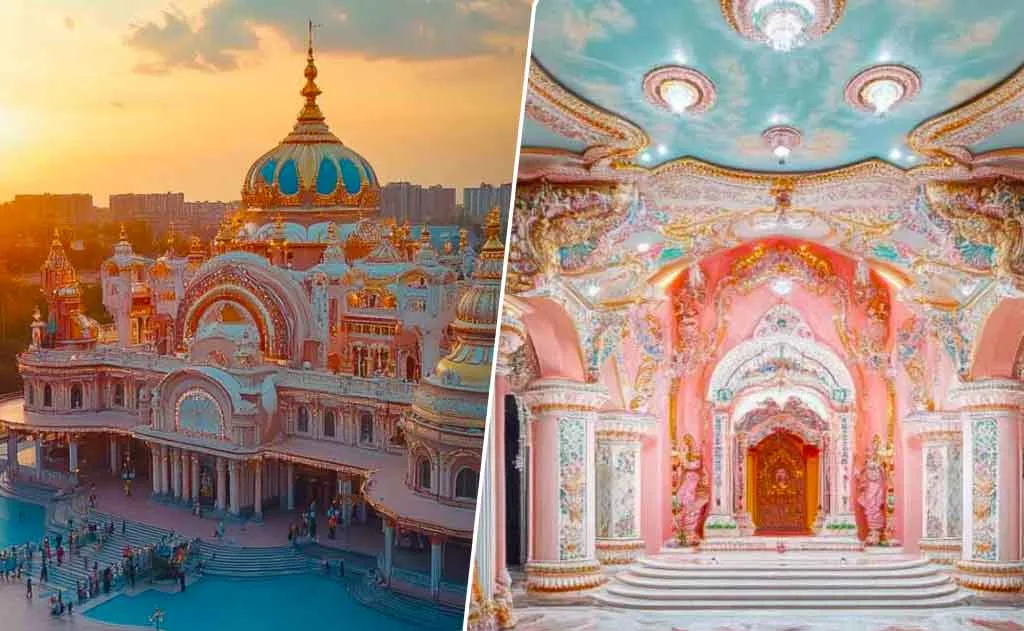
Last updated: 31 October 2026
Quick answer: Hindu worship in Russia today centres on ISKCON and other Vaishnava centres in Moscow and St Petersburg and a number of smaller communities and home gatherings, with a long history that goes back to Indian merchants in Astrakhan. Russia has no large traditional stone temples comparable with those in the UK or the USA. Programmes, addresses and visiting arrangements change, and we could not independently confirm several details that older versions of this page listed, so we have removed them. Check each centre's own channels, and check your government's current travel advice before planning any trip to Russia.
This guide is for readers in Russia, for Indian students and professionals living there, and for families abroad with Russian connections or curiosity. It gives the history in broad terms, the best-known centres, how to verify a programme, and the 2026 festival dates for the next six weeks.
A short history: Indian merchants in Astrakhan
Astrakhan, on the Volga delta, was conquered by Muscovy in 1556 and later became a trading post for merchants from India, Persia and Central Asia. Accounts say that Indian traders, many from Punjab, Multan and Sindh, lived there from the 17th century, and that a small Hindu community kept a place of worship in the city. It is commonly reported that Peter the Great met the community's leader in the early 18th century and favoured their right to practise their religion. We cite this as commonly reported history and recommend scholarly sources for dates and names. The community declined in the 19th century.
Hindu worship in Russia today
- ISKCON centres: ISKCON (the Hare Krishna movement) has had a presence in Russia since the Soviet years and in the 1990s attracted large numbers of Russian devotees. Its centres hold kirtan, lectures and festival programmes, and are the most widely known form of Hindu worship in the country. Moscow and St Petersburg have well-known centres; there are others in several cities.
- Radha Govinda Mandir, St Petersburg: listed in community directories as a temple in the centre of the city. Confirm the address and programme with the organisers before you go.
- Indian community groups: Indian associations, student groups and the Indian embassy's cultural events often mark Diwali, Holi and other festivals. Details change every year.
- Home worship: most Indian families in Russia keep a small shrine and perform puja at home.
We have not been able to confirm the existence or details of some other temples that older web pages list, including a "Shri Prakash Dham" in Moscow and plans for a first officially registered Hindu temple. We have removed those items. If you know a temple that should be listed, write to us with a link to its official page.
How to check a centre before you go
- Find the centre's official website or social media page and check the latest post date.
- Look for a named contact, a street address and visiting hours, and whether registration or an invitation is needed.
- Ask whether programmes are in Russian, English or Hindi.
- Check festival dates against a calendar made for Moscow or St Petersburg. Moscow keeps Moscow Time (UTC+3) all year, so clock times from India or Europe must be recalculated; never convert India's muhurat.
- Confirm payment and donation methods, and avoid sharing personal or bank details with anyone who contacts you unexpectedly.
A note on travel
Many governments currently advise against travel to Russia or ask citizens to take special care, and flights, banking and insurance can be difficult. We cannot assess your circumstances. Before planning any visit, read your own government's official travel advice, check entry rules, and consider whether the trip is necessary. Our temple listing is for information, not an invitation to travel.
If you live or study in Russia
- Register with your university's international office or your employer's HR department for local advice; they usually know of community groups.
- Ask Indian student or professional associations about festival gatherings, which are often held in a hall or a cultural centre and not in a temple.
- Keep a vegetarian food plan. Larger cities have vegetarian cafes and Indian groceries, but supplies can vary; ask the community where to buy lentils, spices and sweets.
- Plan for the climate. In November, daytime temperatures in Moscow and St Petersburg are often around or below freezing, so dress warmly for evening temple visits and allow extra time for public transport.
- Keep your documents, registration and insurance in order, and carry a copy of your passport and visa.
What counts as a temple?
In India, a temple (mandir) usually has a consecrated deity, trained priests and a daily schedule. In Russia, and in many countries with small Hindu populations, devotees often meet in rented halls, apartments or centres that organise kirtan and lectures and that treat the deity as present. Some are registered religious organisations, others are cultural associations. All of these are real communities of worship, but they differ from a large traditional temple in architecture, opening hours and rituals. When you read that a place is a "temple", it helps to ask what that means in practice and to look for the organisation's own description.
Language, greetings and prasadam
Programmes are often in Russian, with some English or Hindi. A simple "Hare Krishna" is a common greeting at Vaishnava centres. Prasadam means blessed vegetarian food shared at the end of a programme, and it is usually offered free. If you have allergies, say so politely and ask what the dish contains. Donations are voluntary, and you can ask a volunteer how to contribute. Learn a few Russian phrases such as "thank you" and "where is the temple room" if you plan a longer stay, and keep to the dress and behaviour guidance given at the centre.
Study, books and online satsang
If no centre is nearby, many families join online satsangs, kirtans and Gita study groups in English, Hindi or Russian. Reading the Bhagavad Gita with a commentary you trust, a daily Hanuman Chalisa or a family aarti keeps the practice going without a temple. Our Bhagavad Gita guides are a good start. If you teach children, festivals like Diwali are a natural way to share stories, food and lamps.
Etiquette at Hindu centres
- Dress modestly, covering shoulders and knees, and remove shoes before entering the temple room.
- Keep phones silent and ask before taking photographs.
- Vaishnava centres usually serve vegetarian prasadam; avoid bringing meat, eggs or alcohol.
- Follow the centre's instructions on offerings and seating.
Festivals in the next six weeks
Dates are from Drik Panchang for India; the day can differ in Russia, so use a calendar made for your city. Amanta and Purnimanta: Vaishnava calendars such as ISKCON's follow the Purnimanta month Kartik until Kartika Purnima on 24 November, while Telugu and Kannada Karthika Masam runs 10 November to 8 December.
| Date (2026) | Observance |
|---|---|
| Fri 6 Nov | Dhanteras |
| Sun 8 Nov | Diwali (Lakshmi Puja) |
| Tue 10 Nov | Govardhan Puja (Annakut) in India |
| Fri 20 Nov and Sat 21 Nov | Devutthana Ekadashi and Tulsi Vivah |
| Tue 24 Nov | Kartika Purnima; end of Kartik and of the Damodar month |
| Fri 4 Dec | Utpanna Ekadashi |
| Sun 20 Dec | Vaikuntha (Mokshada) Ekadashi and Gita Jayanti |
See our guides to Diwali for Hindus in Russia, Vaikuntha Ekadashi 2026 in Russia and Damodar month 2026.
A simple home puja for Hindus in Russia
- Light a lamp or an LED lamp before an image of Krishna or Vishnu.
- Offer a flower and a simple vegetarian naivedyam.
- Chant a short mantra, then sit quietly for a few minutes.
- Read a verse of the Bhagavad Gita or sing a kirtan together.
ॐ नमो भगवते वासुदेवाय॥
oṃ namo bhagavate vāsudevāya||
Meaning: Om, salutations to Lord Vasudeva (Krishna). Chant 11 or 108 times as suits you. Our Gita Jayanti 2026 guide lists the December dates.
If you are researching the subject for study, writing or a talk, treat community websites and social media as primary sources for what the community says about itself, and use academic works on Indian trade and Hindu diaspora history for the historical background. Where sources disagree, say so, and credit the source. If you would like to share information that improves this page, send us the link to an official page or a published article, and we will update it.
Finally, keep expectations realistic. A visit may mean a small hall, a short programme and a vegetarian meal rather than a grand temple, and many visitors find the warmth of a small community more memorable than the architecture. Arrive a little early, introduce yourself politely, and be ready to take part in the singing.
Frequently asked questions
Are there Hindu temples in Russia?
Yes, mainly ISKCON and Vaishnava centres in Moscow and St Petersburg, alongside small community groups and home worship. There are no large traditional stone temples comparable to those elsewhere in Europe, and details change, so verify each centre.
What is the history of Hinduism in Russia?
Indian merchants lived in Astrakhan from about the 17th century, and it is commonly reported that the community won recognition from Peter the Great. ISKCON spread among Russians from the Soviet period onwards.
Which temple should I visit in Moscow or St Petersburg?
The ISKCON centres in both cities are the best known. Check each centre's official page for the address, hours and any registration.
Can non-Hindus visit?
Hindu centres are generally welcoming, but check the centre's own guidance, dress modestly and follow its instructions.
Is it safe or advisable to travel to Russia?
Please read your government's current travel advice. Many governments advise against travel or urge caution, and we cannot assess individual circumstances.
How do I find festival dates in Russia?
Use a calendar made for Moscow or St Petersburg and your centre's announcements. Do not convert India's times. Our Diwali and Ekadashi guides for Russia may help.
Why did you remove some temples from this page?
We could not confirm them from reliable sources. We prefer a shorter, accurate list.
Editor's note
Editor's note (31 October 2026): We rebuilt this guide on 31 October 2026. We removed a census figure, a named temple and a plan for a first official temple that we could not confirm, daily programme timings and claims about guided tours, a list of cultural-impact statements and university courses, and a sentence that implied recognised temples. We added a cautious history note, a way to verify any centre, a travel-advice note, festival dates from Drik Panchang for the next six weeks and seven FAQs. The Astrakhan history is presented as commonly reported.
Related guides
Share this with family and friends
Send it on WhatsApp, post it, or copy the link.
More from Temples
- Spiritual Significance of Bhasma Aarti at Mahakaleshwar: Why Sacred Ash Is Offered to Mahakal, the Lord of Time
- Hindu Temples in New York City (Queens, Brooklyn, Manhattan): Guide and Nov–Dec 2026 Festival Dates
- Hindu Temples in London: Visitor Guide, Nov-Dec 2026 Dates
- Hindu Temples in Toronto and the GTA: Nov-Dec 2026 Guide
- Hindu Temples in New Jersey: Guide and Nov-Dec 2026 Dates
You might also like
Shani Deva Temples Worldwide & Must-Performed Rituals — Complete Devotee's Guide
Must-Visit Ganesh Mandapams in the USA: Where to Celebrate Ganesh Chaturthi
Must-Visit Ganesh Mandapams in the UK: Where to Celebrate Ganesh Chaturthi