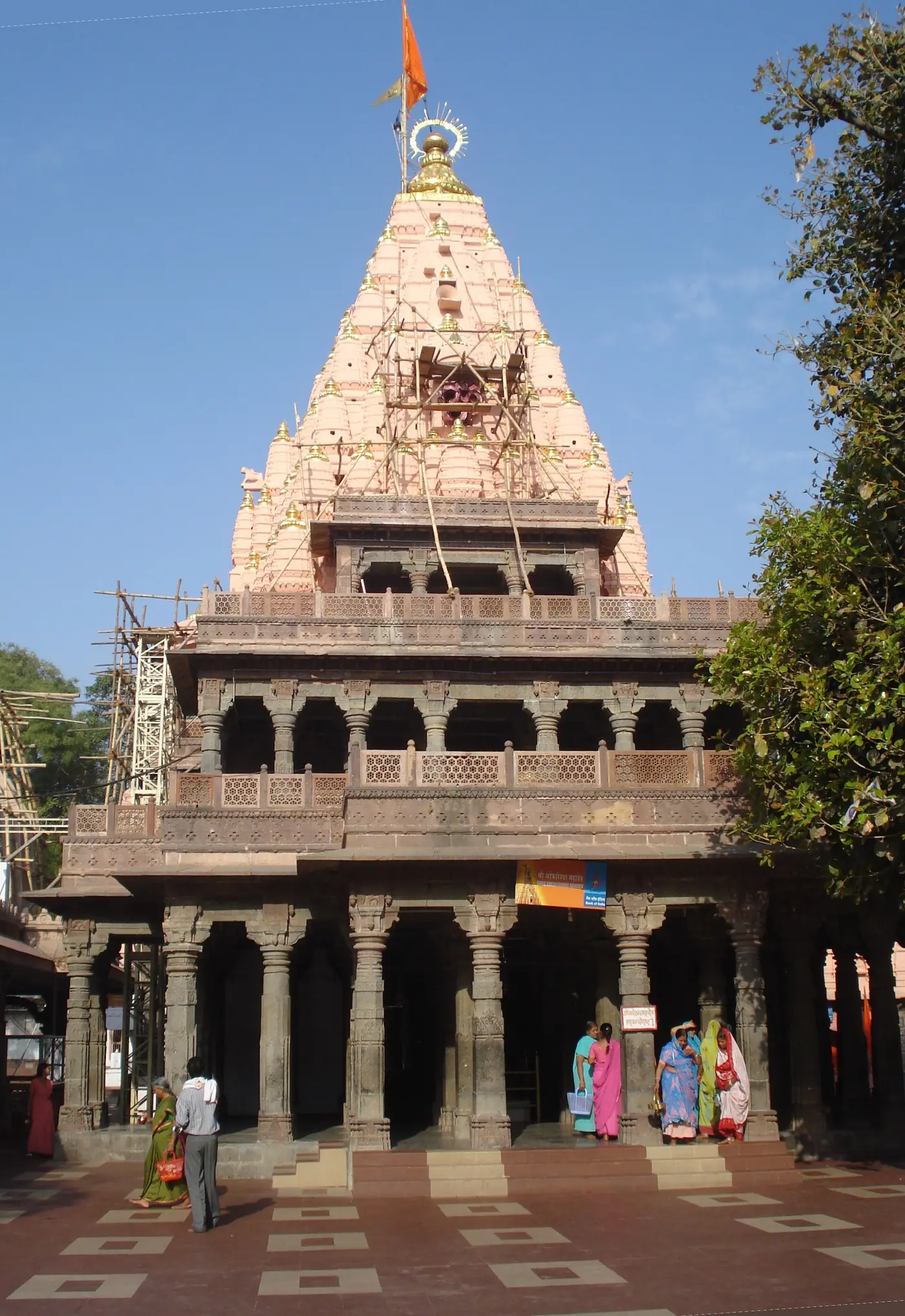
Spiritual Significance of Bhasma Aarti at Mahakaleshwar: Why Sacred Ash Is Offered to Mahakal, the Lord of Time
The spiritual meaning of Bhasma Aarti at Mahakaleshwar, Ujjain: why sacred ash is offered to Mahakal, the Lord of Time, and what it teaches about impermanence and liberation.

Bhasma Aarti is one of the most distinctive rituals of the Shaivite tradition, performed daily before dawn at Sri Mahakaleshwar Jyotirlinga in Ujjain. Among the twelve Jyotirlingas, only Mahakaleshwar has this early-morning aarti in which sacred ash (bhasma) is offered to the Lord. Its meaning goes far beyond a routine act of worship: it is a meditation on time, death and the eternal.
1. The symbolism of bhasma (sacred ash)
In Sanatana Dharma, bhasma carries deep meaning. Ash is what remains after everything material has been burned. It represents:
- The impermanence of the physical body and the material world
- Complete detachment (vairagya)
- A purity that cannot be stained
- The ultimate reality that remains when all forms dissolve
When priests offer bhasma to Lord Shiva, it is a reminder that everything born must one day return to ash, while the eternal Self (Atman) and Shiva remain untouched. Shiva himself is often depicted covered in ash and seated in the cremation ground. This is not a symbol of death but of mastery over death and time.
2. Lord Mahakal: the Lord of Time
At Ujjain, Shiva is worshipped specifically as Mahakal, the Great Lord of Time (Kaal), the force that creates, sustains and dissolves everything. By offering bhasma to Mahakal, the devotee acknowledges that:
- Shiva alone is beyond time
- death has no power over the one who takes refuge in Him
- true liberation lies in surrendering the ego and the fear of mortality
Covering the Jyotirlinga with bhasma and then revealing it adorned is understood as a passage from the formless (nirakar) to form (sakar), so that devotees experience the living presence of the Lord. The legends behind this, from the boy Shrikar to the demon Dushana, are told in our Mahakaleshwar guide and the mysteries of Mahakal.
3. Purification and transformation
Tradition holds that Bhasma Aarti:
- burns away accumulated karmic impurities
- removes the fear of death (mrityu-bhaya)
- protects the devotee from untimely death and from troubles associated with Kaal
- purifies the mind and helps cultivate detachment while living in the world
- awakens the awareness that the body is temporary and the soul eternal
These are matters of faith. Many saints and devotees describe attending Bhasma Aarti as deeply transformative: the pre-dawn hour, the darkness outside, the sacred ash, the intense chanting and the sudden revelation of the adorned Jyotirlinga together create an atmosphere of surrender and grace.
4. Bhasma in Shaiva philosophy
In Shaiva philosophy, bhasma also stands for the fire of knowledge (jnana-agni) that burns ignorance. Just as fire reduces everything to ash, true knowledge reduces the false identification with body, mind and ego to nothing, revealing the pure consciousness that is Shiva. Offering bhasma is therefore not only an outer ritual but an inner offering of one's limitations, fears and attachments into the fire of Mahakal's grace.
5. Why Bhasma Aarti feels so powerful
- It is performed in the still hours before sunrise, when the mind is naturally quieter.
- Ash, rather than only flowers, lamps or water, creates a raw and direct connection with the fierce yet compassionate aspect of Shiva.
- The tradition that the Lord becomes more accessible after receiving bhasma gives the darshan special emotional and spiritual weight.
- It is linked with liberation from the cycle of birth and death, the highest goal of human life.
Experiencing Bhasma Aarti
Entry is by advance registration managed by the temple, with a dress code and limited space near the sanctum; check the temple's official website for current rules. For a devotee's account of the shringar darshan, read Mahakaleshwar Bhasma Aarti shringar darshan. On festival days the aarti takes on special forms: see the special Bhasma Aarti on Diwali 2026 and Maha Shivaratri at Mahakaleshwar.
In essence
Bhasma Aarti is a living reminder of one of the deepest truths of Sanatana Dharma: everything that is born will turn to ash; only Shiva remains, and the one who takes refuge in Shiva is freed from the fear of becoming ash. Whether you stand in Ujjain or pray from afar, it invites a shift from identification with the perishable to awareness of the Imperishable. For daily Shiva worship at home, see the 108 names of Lord Shiva; for the pilgrimage, the twelve Jyotirlingas guide.
Frequently Asked Questions
What is the spiritual significance of Bhasma Aarti?
Bhasma Aarti offers sacred ash to Lord Shiva as Mahakal, the Lord of Time. The ash stands for the impermanence of the body and the world, for detachment (vairagya), and for the reality that remains when all forms dissolve. Devotees see it as surrendering the ego and the fear of death to Shiva.
Why is ash offered to Lord Shiva?
Ash is what remains when everything material has burned. Shiva is depicted smeared with ash and dwelling in cremation grounds, not as a symbol of death but of mastery over death and time. Offering bhasma reminds the devotee that the body is temporary while the Self and Shiva are untouched.
Is Bhasma Aarti performed only at Mahakaleshwar?
Among the twelve Jyotirlingas, this early-morning aarti in which sacred ash is offered to the Lord is unique to Sri Mahakaleshwar in Ujjain.
What does Mahakal mean?
Mahakal means the Great Lord of Time (Kaal). Time creates, sustains and dissolves everything; Mahakal is worshipped as the one beyond time, to whom even death is subject.
What benefits do devotees associate with Bhasma Aarti?
Tradition holds that darshan of Bhasma Aarti helps burn away karmic impurities, removes the fear of death and gives spiritual protection. These are matters of faith and devotion rather than guaranteed outcomes.
Can I connect with Bhasma Aarti from home?
Yes. Devotees who cannot travel to Ujjain remember Lord Mahakal in the early morning, chant Om Namah Shivaya and offer their prayers with devotion; the inner offering of one's fears and attachments is the heart of the ritual.
Har Har Mahadev. Om Namah Shivaya.
Share this with family and friends
Send it on WhatsApp, post it, or copy the link.
More from Temples
- Hindu Temples in London: Visitor Guide, Nov-Dec 2026 Dates
- Hindu Temples in Toronto and the GTA: Nov-Dec 2026 Guide
- Hindu Temples in New Jersey: Guide and Nov-Dec 2026 Dates
- Famous Temples in Uttarakhand: A Source-Checked Guide to Kedarnath, Badrinath, Tungnath, Haridwar, Almora and More
- Famous Temples in Odisha: A Source-Checked Guide to Puri, Bhubaneswar, Biraja, Tara Tarini and Western Odisha
You might also like

Experience the Divine: Mahakaleshwar Jyotirlinga Bhasma Aarti Shringar Darshan in Ujjain (June 2025)
Special Bhasma Aarti at Mahakaleshwar, Ujjain on Diwali 2026: Ubtan Snan, Two Annakoot Offerings and One Sparkler