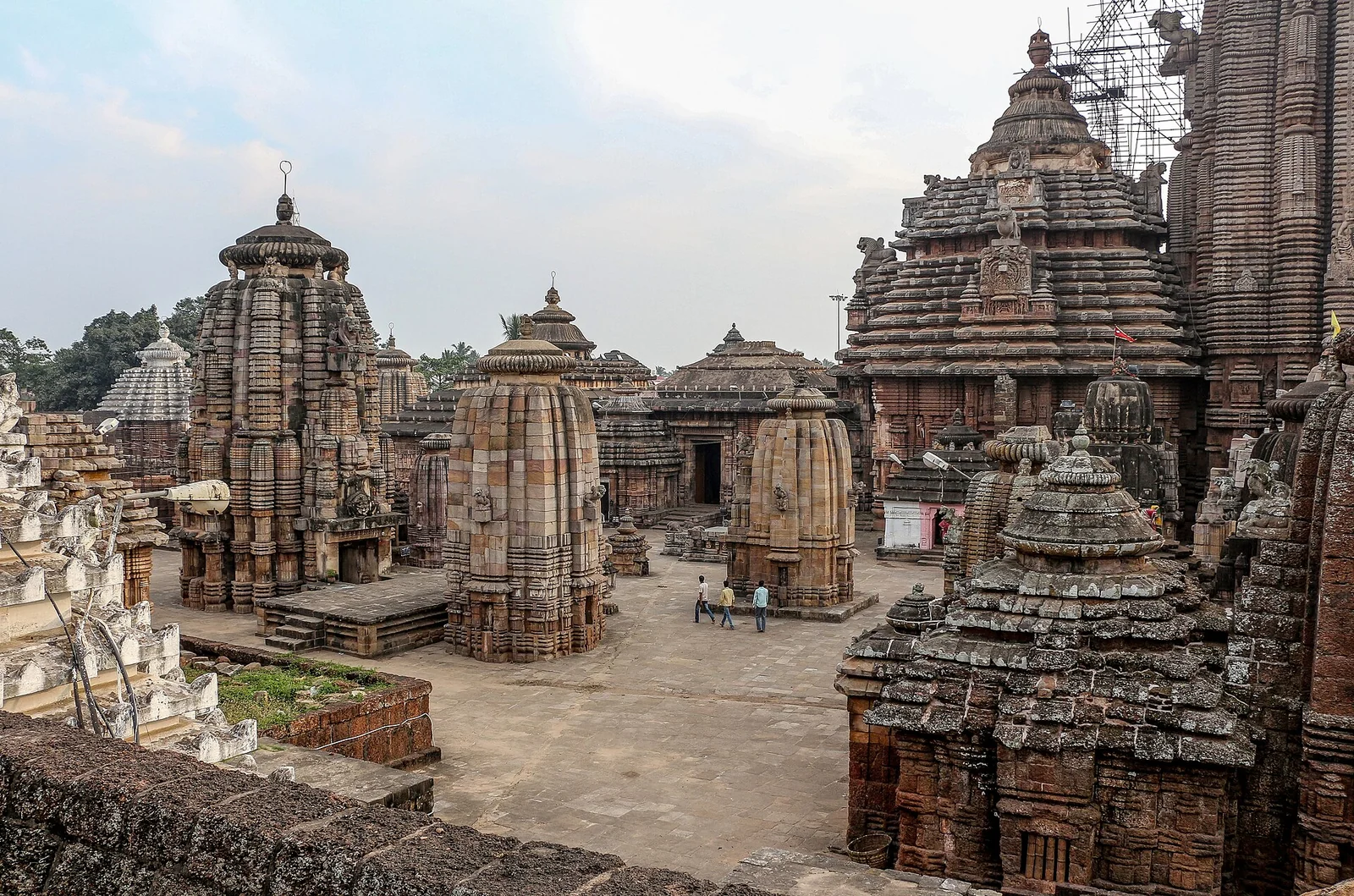
Mahakaleshwar: Divine Mysteries & Soul-Stirring Miracles of the Lord of Time at Ujjain
The only Jyotirlinga worshipped with cremation ash, where Lord Shiva conquers death and time itself — discover Mahakaleshwar at Ujjain. Cosmic origin, the unique Bhasma Aarti at 4:00 am, daily rituals, miracles, and why Ujjain is the navel of the spiritual universe.

The only Jyotirlinga worshipped with cremation ash, where Lord Shiva conquers death and time itself — discover Mahakaleshwar at Ujjain. Cosmic origin, the unique Bhasma Aarti at 4:00 am, daily rituals, miracles, and why Ujjain is the navel of the spiritual universe.
In the ancient city of Ujjain, on the banks of the Shipra river, the only Jyotirlinga worshipped with the ash of cremated bodies stands as a daily affirmation that Lord Shiva is greater than death itself. Mahakaleshwar — Mahakal, the Lord of Time — is the temple where Hindus go not to be saved from death but to be reminded that death is illusion. At 4:00 am every morning, when the rest of the world is dreaming, the priest applies fresh cremation ash to the shivalinga in the Bhasma Aarti — the most viscerally powerful ritual in the entire Hindu world.
This HinduTone guide explores the cosmic origin of Mahakal, the architectural mystery of the south-facing linga, the daily rituals culminating in the Bhasma Aarti, the soul-stirring miracles, the connection to the Simhastha Kumbh Mela, and why Ujjain is considered the geographic and spiritual navel of the universe.
The Cosmic Story: When Shiva Killed Time to Save a Brahmin Boy
The Shiva Purana tells the story: in ancient Avantika (today's Ujjain) lived a devout Brahmin boy named Shrikar whose devotion to Lord Shiva was renowned. A demon named Dushana, who hated devotion of any kind, decided to destroy Shrikar and his city. He attacked with overwhelming force; Shrikar, having no army, could only fold his hands and chant the name of Shiva.
In the moment Dushana raised his weapon to strike, the earth split open. From the chasm, Mahakal — Shiva in his most terrifying form — emerged. He was not Shankar the gentle ascetic; he was Mahakal, the Lord of Time, the destroyer of death itself. With a single roar he reduced Dushana to ash. Then he turned to the people of Avantika and asked them what boon they wanted.
They asked only one thing: that he stay. That he never leave the city. That he be the protector of Ujjain against death itself. Mahakal agreed. He installed himself as a Jyotirlinga at the exact spot where he had emerged, and named the city Avantika ("the protected one"). From that day, no one who dies in Ujjain — the story goes — is denied moksha; the Lord of Time himself ensures their passage.
The Living Sanctum: The South-Facing Linga and the Underground Garbhagriha
Of the twelve Jyotirlingas, Mahakaleshwar is the only one whose deity faces south — the direction of Yama, the god of death. The architectural choice is theological: Shiva at Ujjain looks directly at death, eye to eye, and the geography is part of the message.
- The sanctum is below ground level — the garbhagriha is reached by descending stairs, a literal underworld journey. The pilgrim physically descends to meet the Lord of Time.
- The shivalinga itself is svayambhu (self-manifested), believed to have emerged from the earth at the moment of Mahakal's appearance.
- The linga faces south — a unique arrangement among Jyotirlingas. The other eleven face east. South is the direction of Yama, of death, of ancestors. Shiva at Ujjain meets death on its own terms.
- Above the main sanctum is the Omkareshwar shrine (a smaller representation, not to be confused with the Omkareshwar Jyotirlinga); above that, the Nagchandreshwar shrine, opened only one day a year on Nag Panchami.
- The Kotitirth (the temple's sacred tank) is supposed to contain the merit of a crore pilgrimages. A bath here grants the spiritual equivalent of visiting ten million tirthas.
Daily Rituals: Six Aartis and the Bhasma Aarti
Mahakaleshwar performs six aartis daily — more than any other Jyotirlinga. The 4:00 am Bhasma Aarti is the most famous: the only Hindu ritual in the world that uses cremation ash as the primary offering to the deity.
- Bhasma Aarti (4:00 am): the shivalinga is bathed with milk, then anointed with ash. Historically the ash came from a fresh cremation at the nearby Shipra ghats; today it is sanctified ash maintained at the temple. The linga is fully covered, then the ash is dramatically removed to reveal the lord beneath. Devotees gather in silence; women must cover their bodies completely; the ritual is so intense that many find it transformative even at first witnessing.
- Naivedya Aarti (7:00 am): annaprasad offered to the awakened lord.
- Madhyahna Aarti (10:30 am): the noon aarti, with full abhishekam.
- Sandhya Aarti (5:00 pm): the evening aarti.
- Shree Mahakal Aarti (7:00 pm): the special evening aarti with mantras specific to Mahakal's name.
- Shayan Aarti (10:30 pm): the night aarti.
The Bhasma Aarti requires advance booking — usually a month or more in advance through the temple website. Foreign nationals and men must follow strict dress codes. Despite the requirements, devotees flock to it from across the world: the experience of standing before the Lord of Time at 4:00 am as ash is applied is reported to be life-altering.
Soul-Stirring Miracles: The Lord Who Conquered Death
The Death-Conquering Vow: Per legend, no one who dies within Ujjain's sacred zone goes to Yamapuri (the realm of death's judgment); they go directly to Shiva's presence. Devotees from across India arrange for the last rites of their loved ones at the Shipra ghats specifically for this reason. Local priests document a centuries-old tradition of Ujjain residents preparing for death with quiet certainty.
Surviving Sultanate Destruction: Mahakaleshwar was destroyed by Iltutmish in 1234 CE and rebuilt by the Marathas in 1736 under the leadership of Ranoji Shinde. Like Somnath, the shivalinga itself was hidden by priests during the destruction and restored decades later. The current sanctum is the seventh-known rebuild; the original underground location has never moved.
The Simhastha Witness: Every twelve years, Ujjain hosts one of the four Kumbh Melas — the Simhastha Kumbh — drawing crores of pilgrims. During these gatherings, the Bhasma Aarti is performed in marathon sessions; the temple becomes the focal point of the entire Kumbh. Devotees describe Mahakal's presence as so densely concentrated during Simhastha that the air itself feels thick.
Mid-Night Healing: Devotees who participate in the Mahashivratri all-night vigil — when the Mahakal Sawari (royal procession) moves through Ujjain at midnight — consistently describe spontaneous healing of grief, depression, and post-bereavement struggles. The Lord of Time, the devotees say, simply lifts what is heaviest.
The Path of Devotion: Walking the City of Mahakal
A Mahakaleshwar yatra is structured around the Bhasma Aarti. Pilgrims typically arrive the previous evening, take a Shipra snan, attend the Sandhya Aarti, sleep briefly, and arise at 3:00 am for the Bhasma Aarti. The remaining day is spent at the surrounding shrines: Bade Ganeshji ka Mandir (a colossal Ganesha murti), Harsiddhi Mata (one of the 51 Shakti Peethas), the Sandipani Ashram (where Krishna studied), and Kal Bhairav (Mahakal's warrior aspect).
Guidance for the pilgrim:
- Book the Bhasma Aarti at least a month in advance through the official temple trust website.
- Take a pre-dawn Shipra snan before entering the temple — the cosmic cleansing required.
- Men: dhoti only, no upper garment, during the Bhasma Aarti.
- Women: full saree, head covered, during the Bhasma Aarti.
- Visit Kal Bhairav before leaving the city — without his permission, the pilgrimage is incomplete.
- Walk the panchakroshi yatra around Ujjain if you have three days — the five-kos circumambulation includes 84 sacred shrines.
Why Ujjain is the Cosmic Navel
Hindu cosmology places Ujjain at the geographic centre of the universe — the navel from which the cosmic mandala expands. The Tropic of Cancer passes through it; the ancient Indian zero-meridian for astronomy was set here, centuries before Greenwich existed. The Kalanirnaya — the Hindu calendar — is calculated from Ujjain. Time itself, in the Hindu tradition, begins at Mahakaleshwar.
To stand at the Bhasma Aarti, before a linga that faces south, in a sanctum that lies below ground, watching cremation ash applied to the Lord of Time — is to witness Sanatana Dharma's most uncompromising statement: that death is not the end, that time is not the master, that the divine waits beneath, beyond, and after everything we believe is final.
Om Namah Shivaya. Jai Mahakal.
Frequently asked questions
What time is the Bhasma Aarti at Mahakaleshwar?
The Bhasma Aarti is held at 4:00 am. The shivalinga is bathed with milk and anointed with ash, then the ash is removed to reveal the Lord beneath.
How do I book the Bhasma Aarti at Ujjain?
Book at least a month in advance through the official temple trust website, as it usually requires a month or more of advance booking. Foreign nationals and men must follow strict dress codes.
What is the dress code for the Bhasma Aarti?
Men wear a dhoti only, with no upper garment. Women wear a full saree with the head covered.
Why is Mahakaleshwar unique among the Jyotirlingas?
It is the only Jyotirlinga whose deity faces south, the direction of Yama. The sanctum is also below ground level, and it is described as the only one worshipped with cremation ash.
How many aartis are performed daily at Mahakaleshwar?
Six aartis are performed daily: Bhasma at 4:00 am, Naivedya at 7:00 am, Madhyahna at 10:30 am, Sandhya at 5:00 pm, Shree Mahakal at 7:00 pm and Shayan at 10:30 pm.
What other places should pilgrims visit in Ujjain?
Nearby shrines include Bade Ganeshji ka Mandir, Harsiddhi Mata (one of the 51 Shakti Peethas), Sandipani Ashram and Kal Bhairav. Visiting Kal Bhairav before leaving the city is advised.
You might also like
Somnath: Divine Mysteries & Soul-Stirring Miracles of the First Jyotirlinga
The Twelve Jyotirlingas of Lord Shiva: A Complete Pilgrim's Guide Across India

Amarnath: Divine Mysteries & Soul-Stirring Miracles of the Ice Linga Cave in Kashmir