Shirdi Sai Baba: Divine Mysteries & Soul-Stirring Miracles of the Faqir Who Was God
A faqir who appeared in a small Maharashtra village in 1858, lived under a neem tree, and is worshipped by millions as God in human form. Discover the mystery of Shirdi Sai Baba — Allah Malik, Sabka Malik Ek — through his daily life, miracles, and the unbroken Shraddha aur Saburi.
A faqir who appeared in a small Maharashtra village in 1858, lived under a neem tree, and is worshipped by millions as God in human form. Discover the mystery of Shirdi Sai Baba — Allah Malik, Sabka Malik Ek — through his daily life, miracles, and the unbroken Shraddha aur Saburi.
In 1858, a young faqir of indeterminate age appeared in a small Maharashtra village called Shirdi. He did not say where he was born. He did not say who his parents were. He did not say what religion he followed. He sat under a neem tree, drank from a single cup, ate what villagers offered, and slept in a dilapidated mosque he called Dwarkamai. He stayed in Shirdi for the next sixty years — and over those sixty years, the world came to know him as one of the most beloved spiritual figures in modern India: Sai Baba of Shirdi.
This HinduTone guide explores who Sai Baba was, the foundational teachings of Shraddha (faith) and Saburi (patience), the miracles documented during his lifetime and after his samadhi, the daily rituals at the Shirdi shrine, and why a faqir who said only "Allah Malik" is worshipped as Lord Vishnu by millions of Hindus today.
Who Was Sai Baba? The Mystery of an Unnamed Faqir
Almost nothing is verifiable about Sai Baba's origins. He never told anyone his birthplace, his birth name, his family, or his religion. The few clues he dropped were contradictory — sometimes he spoke of a Hindu guru named Venkusha; sometimes of a Muslim teacher in Pathri or Selu; sometimes he claimed to be older than the village itself. He answered "Allah Malik" to questions about his identity. The mystery is not a gap in the record — it is part of the message.
What is known with certainty: he arrived in Shirdi as a teenager around 1854 with a wedding party from Dhupkheda. He left, returned in 1858, and stayed for the rest of his life. He took residence in the abandoned Khandoba temple at first; the priest, Bhagat Mhalsapati, recognised something extraordinary in the boy and addressed him as "Aao Sai" — "welcome, saint." The name Sai stuck. The village began calling him Sai Baba — "the saintly father."
Over the decades, he moved into the dilapidated mosque he called Dwarkamai (named after Krishna's Dwarka). He kept a sacred fire — the Dhuni — burning continuously; that fire still burns in Dwarkamai today, never extinguished since 1858. He performed miracles casually, accepted no possessions except what was given as offering, and ate from a single bowl. Hindus and Muslims came to him with equal trust. He blessed both communities equally, attended both faiths' festivals, and spoke of God in terms each tradition could recognise.
The Two-Word Teaching: Shraddha aur Saburi
Sai Baba's entire spiritual teaching can be summarised in two Urdu words he repeated to every visitor: Shraddha (faith) and Saburi (patience). He did not preach scriptures; he did not initiate disciples into mantras; he did not establish an order. He demonstrated, with his sixty-year residence in a single mosque, that the spiritual life was made of these two qualities alone.
- Shraddha: unwavering trust in the divine will. Whatever comes — good or bad, fortune or loss — is part of a larger pattern that the devotee cannot yet see.
- Saburi: the patience to wait for that pattern to unfold. Not passivity, but the discipline to act without anxiety, to do what is right without demanding immediate results.
- Sabka Malik Ek (One Lord of All): his most-quoted saying. Whether Hindu, Muslim, or other — there is one ultimate truth, and all paths converge on it.
- Allah Malik: his answer to almost every existential question. God is the master; whatever happens, God knows.
- No discrimination: he kept the sacred fire of a Muslim mosque burning, but practised Hindu rituals on it. He fed devotees from both communities at the same time, from the same hand.
Dwarkamai and the Sacred Dhuni
The mosque Sai Baba lived in is called Dwarkamai by everyone today — the Mother of Dwarka. Inside is the Dhuni, the sacred fire he kindled in 1858 and that has burned continuously ever since. He used ash from the Dhuni — Udi — to cure illnesses, ward off misfortune, and bless devotees. Udi is still distributed at the Shirdi shrine today; pilgrims carry it home in small pouches.
- The Dhuni has been burning since 1858 — for over 168 years now. The fire has never been extinguished.
- Sai Baba's original mortar and pestle, his staff, his cup, and the stone he sat on for sixty years are preserved exactly as he left them in 1918.
- The neem tree under which he first sat in 1858 still stands. Devotees touch its bark for blessings.
- Chavadi — the small rest-house he visited on alternate nights from 1909 to 1918 — is preserved with his bed exactly as it was the last time he slept there.
- The Samadhi Mandir, built directly over his samadhi, holds the white marble murti installed in 1954 and worshipped as Sai Baba himself.
Daily Rituals: Four Aartis at Shirdi
The Shirdi shrine performs four aartis daily — a rhythm that has been unbroken since Sai Baba's own lifetime. The temple opens at 4:00 am and closes at 11:30 pm. Thursdays — Sai Baba's special day — see crowds that fill the entire town.
- Kakad Aarti (4:30 am): the dawn aarti. Sai Baba is "woken" with veda chanting and lamps.
- Madhyana Aarti (12:00 noon): the noon aarti, marking the moment Sai Baba would have eaten in his lifetime.
- Dhup Aarti (6:30 pm sunset): the evening aarti, performed as the day closes.
- Shej Aarti (10:30 pm): the night aarti, putting Sai Baba "to rest" — though he is described as constantly vigilant, never sleeping.
Sai Baba's samadhi is bathed every Thursday morning at 5:00 am — Abhishek Pooja. The murti is anointed with rose water, milk, sandal paste, and the ashes of the Dhuni. Devotees who arrive on Thursdays before dawn describe a tangible vibration in the air as the abhishekam progresses — testimonies from across decades.
Soul-Stirring Miracles: From His Lifetime to Today
Sai Baba's miracles are documented in two streams: his lifetime miracles, recorded by his contemporaries Hemadpant (Govind Raghunath Dabholkar) in the Shri Sai Satcharitra, and the continuing miracles reported by devotees from 1918 to today. Both streams are rich and detailed.
Lighting Lamps with Water: When the village oil-sellers refused to give him oil for his evening lamps (mocking him as poor), Sai Baba poured plain water into the lamps and lit them. The lamps burned brightly for hours. The next morning, the oil-sellers came in tears asking forgiveness.
Plague Cure at Shirdi: When the bubonic plague swept Maharashtra in 1899, Sai Baba kept the disease out of Shirdi by simply walking the village boundary every morning with his staff. Not a single Shirdi resident died of plague — recorded by the Bombay Province health inspectors of the time.
Healing Through Udi: Countless devotees in Sai Baba's lifetime — and in the century since — describe chronic illnesses, terminal diagnoses, and seemingly impossible conditions resolving after applying Udi from the Dhuni. The substance is just ash; the healing is something else.
Appearing in Visions: From his samadhi in 1918 onwards, devotees worldwide have described vivid dreams and waking visions of Sai Baba arriving at moments of crisis — sometimes years apart from any conscious involvement with him. The phenomenon is so consistent that the Shri Sai Satcharitra dedicates entire chapters to post-samadhi appearances.
Mahasamadhi: The Promise to Return: Sai Baba left his body on October 15, 1918, on Vijayadashami. Before passing, he said: "I shall be active and vigorous even from the tomb." Devotees who visit Shirdi consistently describe a presence at the Samadhi Mandir that they cannot explain away as faith alone. The promise, devotees say, has been kept.
The Path of Devotion: How Shirdi Transforms Visitors
A Shirdi yatra is not built around grand rituals. The pilgrim walks the same paths Sai Baba walked: the lane to Dwarkamai, the steps to Chavadi, the neem tree, the well from which he drew water. The shrine's power, longtime devotees say, comes from the accumulated faith of a hundred and sixty-eight years of unbroken visitation.
- Visit on a Thursday if you can — Sai Baba's special day. The town is fuller; the aartis are more intense.
- Take darshan at the Samadhi Mandir first, then visit Dwarkamai, the Chavadi, and the neem tree in that order.
- Sit before the Dhuni for at least fifteen minutes — the same fire that warmed Sai Baba for sixty years.
- Receive Udi from the Dhuni; carry it home. It has cured illnesses for over a century.
- Read a chapter of the Shri Sai Satcharitra each day for seven days after returning — the traditional practice.
- Whatever your prayer, leave it at Dwarkamai and walk away. Saburi is half the practice.
Why Shirdi is the Modern Heart of Indian Devotion
Sai Baba is unique among modern saints in the scale of his following. The Shirdi shrine receives over 25 million pilgrims a year — more than the Vatican, more than Mecca outside of Hajj, more than any single temple in India after Tirumala. The faqir who never claimed a name, never preached a scripture, and never founded an order has become the most widely worshipped saint of modern India.
His teaching — Shraddha aur Saburi, Sabka Malik Ek — speaks directly to the urban Indian heart in a way that ancient mantras sometimes do not. He proved that the spiritual life requires no priest, no caste, no temple of stone — only faith and patience. He proved that God recognises devotion regardless of which name the devotee uses.
At Shirdi today, the Hindu in front of you in line might be praying to Sai as Vishnu; the Muslim behind you might be praying to him as a wali; the Christian may be addressing him simply as a saint. None of them are wrong. The Dhuni burns for all of them.
Sabka Malik Ek. Om Sai Ram.
Frequently asked questions
What are the daily aarti timings at Shirdi?
Four aartis are held daily: Kakad Aarti at 4:30 am, Madhyana Aarti at 12:00 noon, Dhup Aarti at 6:30 pm and Shej Aarti at 10:30 pm. The shrine opens at 4:00 am and closes at 11:30 pm.
Which day is special for visiting Shirdi?
Thursday is Sai Baba's special day, when crowds fill the whole town. The samadhi is bathed in the Abhishek Pooja at 5:00 am every Thursday morning.
What are Shraddha and Saburi in Sai Baba's teaching?
Shraddha means faith, an unwavering trust in the divine will, and Saburi means patience, acting without anxiety and without demanding immediate results. These two qualities sum up his teaching, along with "Sabka Malik Ek", meaning one Lord of all.
What is the Dhuni and Udi at Dwarkamai?
The Dhuni is the sacred fire Sai Baba kindled in Dwarkamai in 1858, which is said to have burned continuously since. Udi is the ash from this fire, distributed at the shrine and carried home by pilgrims in small pouches.
What should a first-time pilgrim see in Shirdi?
Take darshan at the Samadhi Mandir first, then visit Dwarkamai, the Chavadi and the neem tree in that order. Sit before the Dhuni for at least fifteen minutes and receive Udi.
When did Sai Baba take mahasamadhi?
Sai Baba left his body on October 15, 1918, on Vijayadashami. Devotees recall his words, "I shall be active and vigorous even from the tomb."
You might also like

Guruvayur: Divine Mysteries & Soul-Stirring Miracles of the Dwarka of the South
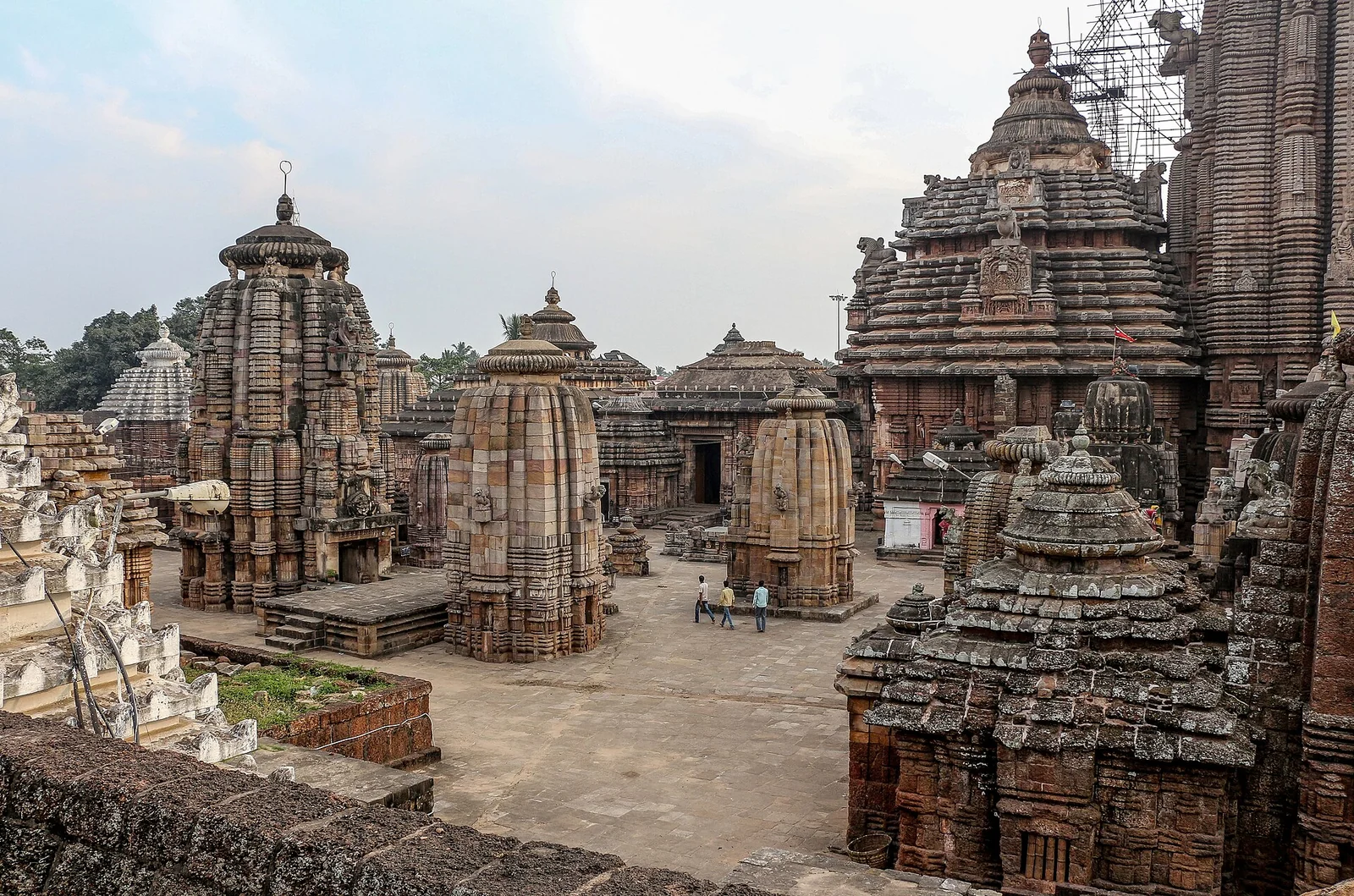
Lingaraja: Divine Mysteries & Soul-Stirring Miracles of the Eleventh-Century Shiva-Vishnu Temple at Bhubaneswar
Kamakhya: Divine Mysteries & Soul-Stirring Miracles of the Tantric Goddess of Assam