Ramanathaswamy: Divine Mysteries & Soul-Stirring Miracles of the Rameswaram Jyotirlinga
Where Lord Rama himself installed Shiva — discover the Ramanathaswamy temple at Rameswaram, the Char Dham + Jyotirlinga that bridges the worship of Rama and Shiva, with the longest corridor of any Hindu temple, 22 sacred theerthams, and miracles dating to the Treta Yuga.
Where Lord Rama himself installed Shiva — discover the Ramanathaswamy temple at Rameswaram, the Char Dham + Jyotirlinga that bridges the worship of Rama and Shiva, with the longest corridor of any Hindu temple, 22 sacred theerthams, and miracles dating to the Treta Yuga.
At the southern tip of India, on the slender island of Pamban that almost touches Sri Lanka, stands a temple that holds an honour no other holds in Hinduism: it was consecrated by Lord Rama himself. Ramanathaswamy at Rameswaram is the only temple where Vishnu (in his avatar of Rama) worshipped Shiva, the only Jyotirlinga in the Char Dham, the temple with the longest pillared corridor in the world, and the southern bookend of the all-India pilgrimage from Kashi.
This HinduTone guide traces the Treta-Yuga origin of the linga, the 22 sacred theerthams, the magnificent corridors, the daily rituals, and the miracles that have made Rameswaram the place where the worship of Rama and the worship of Shiva merge into a single act of devotion.
The Cosmic Story: When Rama Installed the Lord of His Lord
The Ramayana describes that after slaying Ravana, Lord Rama was burdened with the sin of brahmahatya — Ravana, despite his arrogance, was a great Shiva devotee and a Brahmin. To absolve this karma, Rama needed to install a Shiva linga on the very ground where the war had been launched. He asked Hanuman to fetch a linga from Mount Kailash itself. Hanuman flew north; he flew fast; but the auspicious muhurat for installation was passing.
Goddess Sita, sitting on the shore, formed a small linga from the sand of the seashore. As the muhurat approached its final minute, Rama consecrated this sand-linga as Ramanatha — "the Lord of Rama." This is the linga still worshipped today as the main deity. When Hanuman finally arrived with the Kailash linga, distraught at being too late, Rama consoled him by installing his linga as Vishwanatha just beside the main sanctum — declaring that henceforth pilgrims must worship Vishwanatha first, only then Ramanatha. The tradition is preserved exactly to this day.
The miracle of Ramanathaswamy is layered into its name. Some commentators read "Ramanatha" as "the Lord worshipped by Rama" — Shiva is supreme. Others read it as "the Lord who is Rama's very self" — Shiva and Vishnu are one. Both readings are honoured. The temple is the place where Vaishnava and Shaiva traditions meet without contradiction.
The Living Temple: Corridors That Defy Belief
Ramanathaswamy is one of the architectural wonders of India. Its outer corridor stretches 1,219 meters — the longest pillared corridor in any temple in the world. The 1,212 carved granite pillars, each up to 30 feet tall, march in disciplined parallel rows that seem to extend to infinity. Standing at one end and looking down, the perspective vanishes into a distant point of light. The corridor was constructed in stages between the 12th and 17th centuries by various dynasties — the Pandya, the Setupati rajas, and the Jaffna kings of Sri Lanka, who considered themselves spiritual descendants of Ravana.
- The main sanctum holds the sand-linga installed by Lord Rama himself, now sheathed in silver. It is bathed only by water from the 22 sacred theerthams.
- Beside it stands the Vishwanatha linga brought by Hanuman from Kailash. By Rama's decree, pilgrims worship Vishwanatha first.
- The temple sits inside three concentric corridors, each more sacred than the last. The outermost is the long pillared one; the middle handles processional rituals; the innermost surrounds the garbhagriha.
- The 22 theerthams (sacred wells), each with its own legend and spiritual benefit, are located inside the temple complex. Pilgrims bathe ritually at all 22 — water from each is drawn and poured over the devotee at appointed stations.
- The Setubandha — the legendary Rama Setu connecting Rameswaram to Sri Lanka — begins at Dhanushkodi, the village just east of the temple. The remnants of the causeway are visible from satellite imagery and revered as the actual bridge built by Rama's vanara army.
Daily Rituals: The Slow Pace of a Sacred Island
The temple opens at 5:00 am with Palliyarai Pooja (waking the deity) and closes at 9:00 pm. Six pujas structure the day, with the Sphatikalinga Aarti — the worship of a special crystal linga — being the most spiritually significant. Devotees consider that witnessing the Sphatikalinga at 5:00 am grants the merit of all twelve Jyotirlingas in a single darshan.
- Palliyarai Pooja (5:00 am): the deity is awakened with veda chanting.
- Sphatikalinga Aarti (5:00 am, just before main aarti): the crystal linga is bathed in milk and shown to early-morning devotees. Considered the single most powerful Rameswaram darshan.
- Spadigalinga Deeparadhana (6:00 am): full abhishekam of the main linga with the 22 theertham waters.
- Uchikalapooja (noon): annaprasad.
- Sayaratchai Pooja (evening): the deity dressed in royal attire for darshan.
- Ardhajama Pooja (8:30 pm): the temple's most secret rite; the deity is prepared for the night.
Mondays (Shiva's day) and the full-moon nights are especially crowded. The Maha Shivratri all-night vigil here is considered the southern bookend of the Kashi Vishwanath vigil; many pilgrims undertake the journey from Kashi to Rameswaram explicitly to complete this north-south pairing.
Soul-Stirring Miracles: The Sea, the Sand, and the Setu
The Sand-Linga That Never Dissolves: The main linga is composed of compressed sand made by Sita herself in the Treta Yuga. Through three yugas of daily abhishekam — millions of litres of water across millions of mornings — the linga has never eroded. Modern temple administrators have confirmed that the linga is not stone; the substance is sand-like under microscopic examination. Its preservation is a continuing mystery.
The 22 Theerthams: Each of the 22 sacred wells has its own legend and reported healing property. The Agni Theertham (the ocean itself, just east of the temple) absolves fire-related karma. The Brahma Theertham clears intellectual confusion. The Mahalakshmi Theertham brings prosperity. Pilgrims report tangible shifts after the ritual bath — and the temple has logged these accounts in its chronicles for over 800 years.
Rama Setu Survival: Satellite imagery from NASA and ISRO has confirmed the existence of a submerged ridge between Rameswaram and Sri Lanka, exactly along the route described in the Ramayana. The ridge is composed of pumice-like stones — light enough to float, as the Ramayana describes the vanara-built bridge. Whether one reads this as historical confirmation or spiritual coincidence, the geography itself testifies.
Healing on the Island: Rameswaram is one of the very few major temples where pilgrims spend three or more days. The ritual bathing at the 22 theerthams, the slow walks through the corridors, the morning Sphatikalinga darshan — together these compound into transformations that single-day pilgrims rarely experience. Devotees describe chronic spiritual blockages dissolving on the third day, addictions losing their grip, grief lifting.
The Path of Devotion: A Pilgrimage Across India
In the orthodox tradition, a pilgrim should first bathe in the Ganga at Kashi, carry that water in a sealed pot across India by foot or by vehicle, and pour it over the Ramanathaswamy linga at Rameswaram. Then sand from Rameswaram's Agni Theertham should be carried back and offered to the Ganga at Kashi. This north-south Ganga-Setu pilgrimage closes the all-India spiritual loop; the pilgrim who completes it is said to have absolved the karma of seven births.
Guidance for the pilgrim:
- Plan to stay at least three days. Rameswaram is not a one-day darshan.
- Bathe ritually at all 22 theerthams. Temple priests guide you through them in sequence; the order matters.
- Begin every morning with the Sphatikalinga Aarti at 5:00 am — the single most powerful darshan at this temple.
- Visit Dhanushkodi at the eastern tip of the island — the literal end of mainland India and the start of Rama Setu. Watch the sunrise over the waters where the bridge was built.
- Pair the visit with a Kashi pilgrimage if possible — even years apart. Carry water; return with sand.
- Worship Vishwanatha before Ramanatha, as Lord Rama himself decreed.
Why Rameswaram Closes the Circle of Hindu Pilgrimage
Rameswaram is the only temple in the Hindu world where Vishnu worshipped Shiva, where the avatar bowed to the source. It is the only Jyotirlinga in the Char Dham. It is the southern terminus of the Kashi-Rameswaram pilgrimage that the Adi Shankara himself prescribed as the unifying journey of Sanatana Dharma. Whatever sect a devotee follows, whatever ishta deva they worship, the journey here completes a circle.
The lessons of Ramanathaswamy are quiet ones. That even the avatar bows to the higher truth. That a linga made of sand by a goddess outlasts mountains. That the bridge Rama built three yugas ago is still recognisable from space. That when worship is sincere, the material universe itself preserves the offering.
Jai Sri Ram. Om Namah Shivaya.
Frequently asked questions
Why is Ramanathaswamy Temple at Rameswaram unique?
It is described as the only temple where Vishnu, in his avatar of Rama, worshipped Shiva, and the only Jyotirlinga in the Char Dham. It also has the longest pillared corridor of any temple, stretching 1,219 meters.
Why must pilgrims worship Vishwanatha before Ramanatha at Rameswaram?
As commonly told, Hanuman arrived late with a linga from Kailash after Rama had consecrated the sand-linga. Rama consoled him by installing that linga as Vishwanatha and decreeing that pilgrims worship Vishwanatha first, then Ramanatha.
How many theerthams are there at Ramanathaswamy Temple and how do pilgrims bathe in them?
There are 22 sacred theerthams inside the temple complex. Pilgrims bathe ritually at all of them, as water from each is drawn and poured over the devotee at appointed stations, guided by temple priests in sequence.
What are the temple timings and the most important puja at Rameswaram?
The temple opens at 5:00 am with Palliyarai Pooja and closes at 9:00 pm, with six pujas through the day. The Sphatikalinga Aarti at 5:00 am, the worship of a crystal linga, is considered the most spiritually significant.
How many days should pilgrims plan for a visit to Rameswaram?
Plan to stay at least three days, because Rameswaram is not a one-day darshan. This allows time for the 22 theertham baths, walks through the corridors, the morning Sphatikalinga darshan and a visit to Dhanushkodi.
What is the Kashi to Rameswaram pilgrimage tradition?
In the orthodox tradition, a pilgrim bathes in the Ganga at Kashi, carries the water to pour over the Ramanathaswamy linga, then returns with sand from Agni Theertham to offer to the Ganga. Completing this loop is said to absolve the karma of seven births.
You might also like

Mahakaleshwar: Divine Mysteries & Soul-Stirring Miracles of the Lord of Time at Ujjain
Ranganathaswamy Srirangam: Divine Mysteries & Soul-Stirring Miracles of the Largest Functioning Hindu Temple
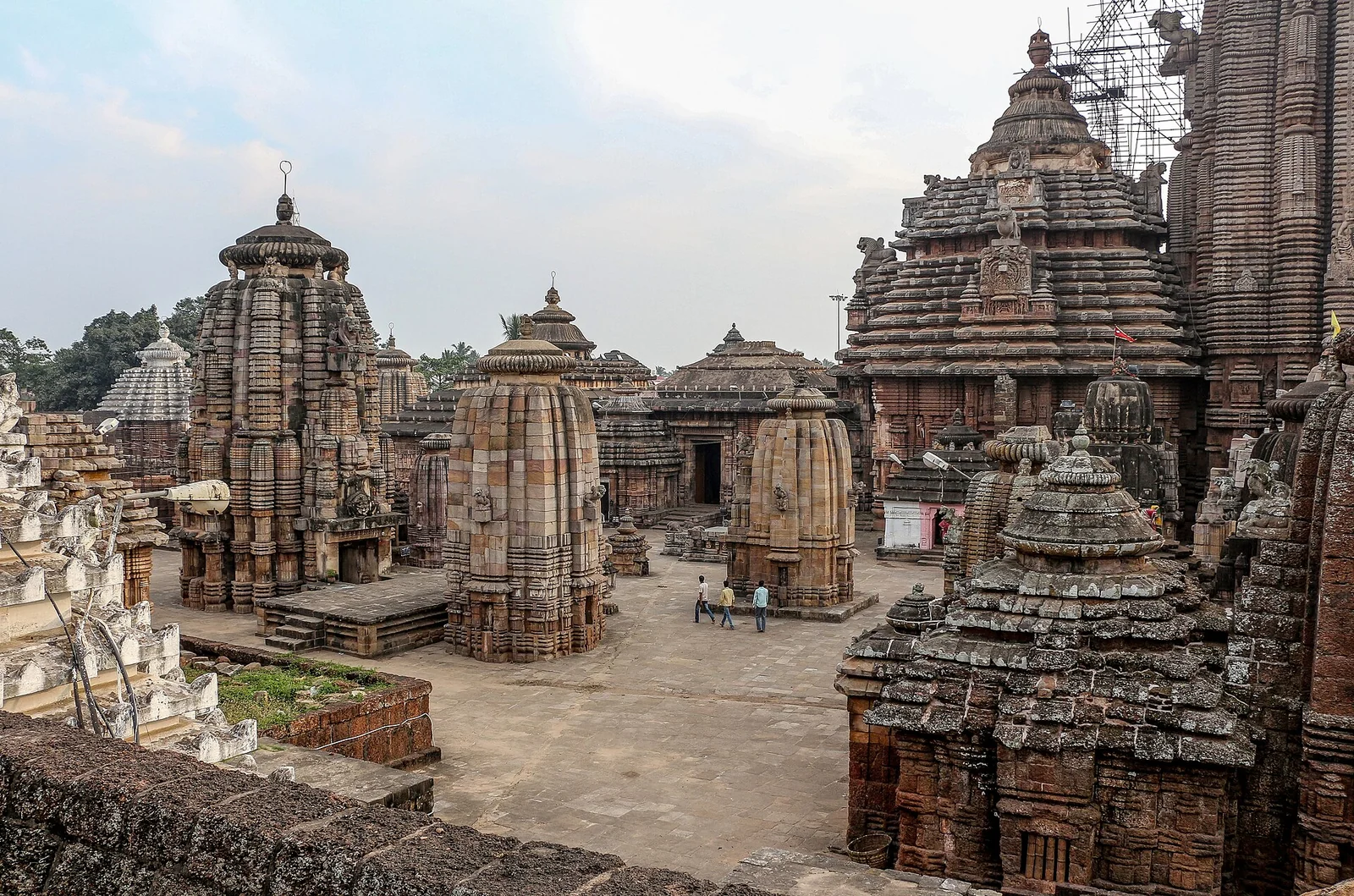
Lingaraja: Divine Mysteries & Soul-Stirring Miracles of the Eleventh-Century Shiva-Vishnu Temple at Bhubaneswar