
Must-Visit Ganesh Mandapams in Germany: Where to Celebrate Ganesh Chaturthi
Ganesh Chaturthi in Germany is celebrated in temples, community halls and homes. This guide covers the country's Tamil temple tradition and its many Vinayagar shrines, well-known temples such as Sri Kamadchi Ampal in Hamm, Berlin's Sri Ganesha temple project, community Ganeshotsav run by Indian associations, eco-friendly visarjan in Germany and the 2027 date.
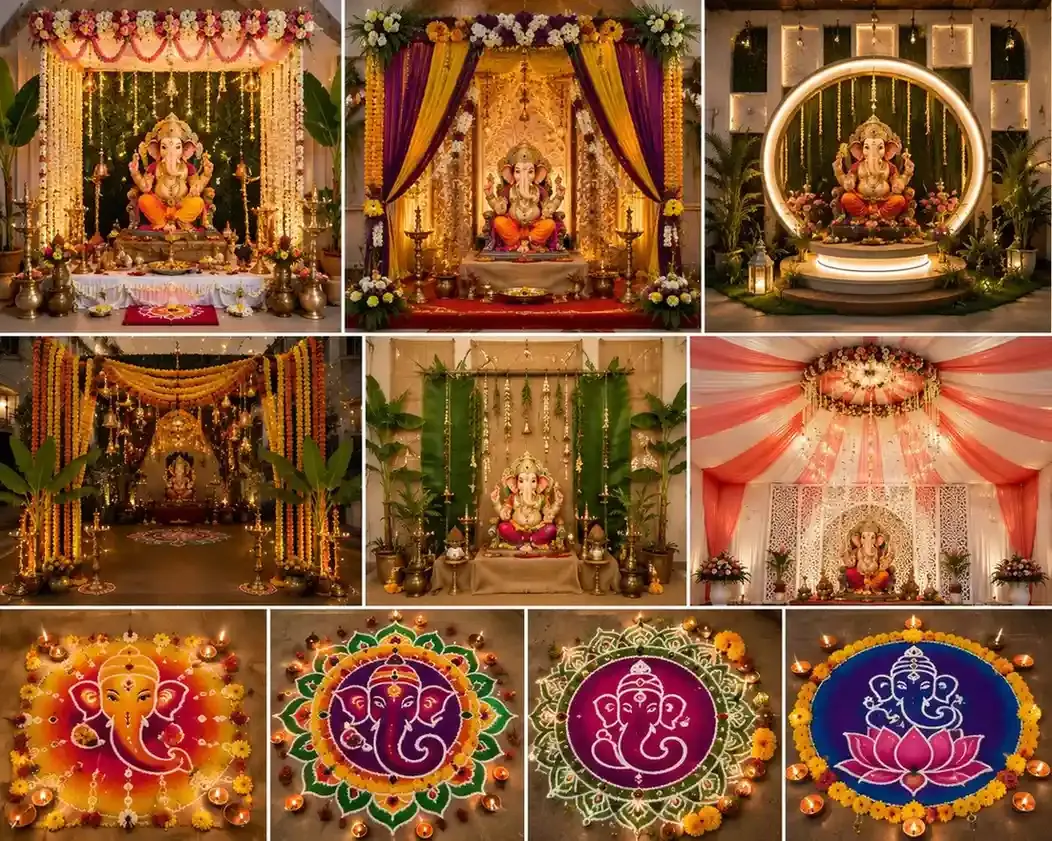
Ganesh Chaturthi in Germany is celebrated in temples, community halls and homes. This guide covers the country's Tamil temple tradition and its many Vinayagar shrines, well-known temples such as Sri Kamadchi Ampal in Hamm, Berlin's Sri Ganesha temple project, community Ganeshotsav run by Indian associations, eco-friendly visarjan in Germany and the 2027 date.
Quick answer: In Germany, Ganesh Chaturthi is celebrated in temples, rented community halls and homes rather than in street pandals. Germany has a large Sri Lankan Tamil Hindu community whose temples almost always include a shrine to Vinayagar (Ganesha), and many are dedicated to him outright. The best-known temple is the Sri Kamadchi Ampal Temple in Hamm, North Rhine-Westphalia, one of the largest Hindu temples in continental Europe. Berlin's Sri Ganesha Hindu Temple in Neukölln is dedicated to Ganesha. Indian associations, especially Marathi and Telugu groups, organise Ganeshotsav in cities such as Frankfurt, Munich, Berlin, Stuttgart and Hamburg. Ganesh Chaturthi 2027 falls on Saturday 4 September 2027.
A mandapam (also mandap or pandal) is the decorated pavilion in which Ganesha is installed for the festival. In Germany that role is played by temple halls and the community venues that associations hire for a weekend or longer. This guide explains where to look, names only well-established temples in general terms, and covers the practical side of celebrating in Germany, including visarjan rules.
Ganesh Chaturthi dates
| Festival | Date |
|---|---|
| Ganesh Chaturthi 2026 | Monday 14 September 2026 (past) |
| Anant Chaturdashi 2026 | Friday 25 September 2026 (past) |
| Ganesh Chaturthi 2027 | Saturday 4 September 2027 |
Dates follow Drik Panchang. German temples and associations often hold the main community celebration at the nearest weekend, so local programmes may differ from the calendar date. Our Vinayak Chavithi 2027 dates page has the full 2027 calendar.
Germany's Hindu temple landscape
Most Hindu temples in Germany were founded by Tamil families who came from Sri Lanka from the 1980s onwards, settling especially in North Rhine-Westphalia and other western states. Over the decades they built temples in the South Indian (Dravidian) tradition, often starting in converted industrial buildings or flats and later building purpose-made shrines. Vinayagar is worshipped first in every one of these temples, and many are named Sri Vinayagar or Sri Siththi Vinayagar temples.
Since the 2000s, a growing number of Indian professionals and students, many in IT, engineering and research, have added Marathi, Telugu, Kannada, Gujarati, Bengali and North Indian traditions. As a result, Ganesh Chaturthi in Germany combines Tamil temple worship with Maharashtrian-style Ganeshotsav run by community associations.
Well-known temples to visit
The temples below are long established and well known. Each sets its own festival schedule, which can change every year. Always check the temple's official website or social channels for current timings and programmes before you travel.
Sri Kamadchi Ampal Temple, Hamm-Uentrop (North Rhine-Westphalia). Built in the South Indian style with a tall gopuram and opened in 2002, it is dedicated to the Goddess Kamakshi and is often described as one of the largest Hindu temples in continental Europe. Its annual festival, with a chariot procession, draws Tamil Hindus from across Germany and neighbouring countries. Vinayagar is worshipped at the start of every ritual and has his own shrine.
Sri Ganesha Hindu Temple, Berlin-Neukölln. A temple dedicated to Lord Ganesha near the Hasenheide park, built over many years by the Berlin Hindu community with traditional South Indian design. As Berlin's best-known Ganesha temple, it is a natural place to look for Vinayaka Chaturthi worship in the capital. Check its official channels for current status and events.
Tamil Vinayagar temples across North Rhine-Westphalia and beyond. Cities such as Dortmund, Essen, Düsseldorf, Cologne and many smaller towns have Tamil Hindu temples, several dedicated to Vinayagar. Vinayagar Chathurthi is observed in them with abhishekam, special pujas and festive food. Ask in your local Tamil community for the nearest one.
ISKCON and other centres. ISKCON and other Hindu organisations run centres in several German cities. While they follow their own traditions, they are welcoming places for families looking for Hindu worship and vegetarian prasadam.
Community Ganeshotsav in Germany
Indian community associations are the closest thing Germany has to a public Ganeshotsav. Marathi associations in cities such as Frankfurt, Munich, Berlin, Stuttgart and Hamburg typically install a Ganesha idol in a hired hall for a day or a weekend, with puja, aarti, modaks, dhol-tasha and cultural programmes. Telugu, Kannada and pan-Indian associations organise their own Vinayaka Chavithi events, and university Indian student associations often join in.
- Watch for announcements from your city's Indian associations, Indian consulate community pages and temples in July and August.
- Many events ask for advance registration, especially for meals or puja participation.
- Expect programmes to fall on weekends, since the festival date is usually a working day in Germany.
- We do not list event venues, prices or contact details because they change every year; check organisers' official channels.
Eco-friendly visarjan in Germany
Germany has strict rules protecting rivers, lakes and groundwater. Placing idols, paint, plastics or decorations in natural waters without permission can harm the environment and lead to fines. The good news is that home visarjan is simple and fully in keeping with tradition.
- Choose a small, unpainted or naturally coloured clay idol; avoid plaster of Paris.
- Immerse the idol at home in a bucket or tub with the visarjan mantra; when the clay dissolves, give the water to your garden or balcony plants.
- Ask your temple or association whether it organises a collective, approved immersion.
- Separate flowers and organic offerings for composting (Biotonne), and reuse decorations.
- Keep processions and dhol-tasha within agreed times and noise rules, especially in residential areas.
Our guides to eco-friendly Ganesh idols and the Ganesh visarjan mantra work just as well in Germany.
Celebrating at home in Germany
Many Indian families in Germany celebrate at home and visit a temple or community event at the weekend. Clay idols, durva grass and puja items can be found in Indian and Asian grocery stores in larger cities, or ordered online well before the festival. Our Vinayaka vrata vidhanam walks through the puja step by step, and the 21 patri guide suggests leaf offerings, with substitutes for those hard to find in Europe.
- Set up the altar facing east or north if possible.
- Keep modak or ladoo naivedyam simple; our naivedyam recipes use ingredients available in Europe.
- Involve children with the aarti and the stories of Ganesha.
- Invite German friends and neighbours; Ganesh Chaturthi is a joyful way to share Indian culture.
Etiquette when visiting a Tamil temple in Germany
- Dress modestly; traditional clothes are ideal. Remove shoes at the entrance.
- In many Tamil temples men remove their shirts before entering the inner area during puja; follow local practice.
- Bring fruit, flowers or a small donation; temples are run largely by volunteers.
- Follow photography rules and keep phones silent.
- Parking can be limited on festival days; public transport is often easier.
Frequently asked questions
When is Ganesh Chaturthi 2027?
Ganesh Chaturthi 2027 falls on Saturday 4 September 2027 according to Drik Panchang. Ganesh Chaturthi 2026 was on Monday 14 September. Temples and associations in Germany set their own programmes, so check locally.
Which is the biggest Hindu temple in Germany?
The Sri Kamadchi Ampal Temple in Hamm-Uentrop, North Rhine-Westphalia, built in the South Indian style and opened in 2002, is widely described as one of the largest Hindu temples in continental Europe. Like all South Indian temples it has a Ganesha (Vinayagar) shrine.
Is there a Ganesha temple in Berlin?
Yes. The Sri Ganesha Hindu Temple project in Berlin-Neukölln, near the Hasenheide park, has been built over many years by the local Hindu community and is dedicated to Lord Ganesha. Check its official channels for current activities.
Can I immerse a Ganesh idol in a German river or lake?
Do not immerse idols in rivers, lakes or the sea without permission. Waters in Germany are protected by environmental law. Most families immerse a small clay idol at home in a bucket or tub and then use the water for plants, or follow the arrangements made by their temple or association.
How do I find a Ganesh Chaturthi celebration near me in Germany?
Contact your nearest Hindu temple, and look for Indian community associations in your city, including Marathi, Telugu, Tamil, Kannada and Gujarati groups, as well as Indian student associations at universities. Announcements typically appear in July and August.
Editor's note
Editor's note (5 October 2026): This guide has been restored at its original address after the earlier version was lost. We have named only well-known, long-established temples, described in general terms, and have not listed event venues, timings, ticket prices or contact details, which change each year. Please check each temple's or organiser's official channels before you travel.
Related guides
You might also like
Must-Visit Ganesh Mandapams in the UK: Where to Celebrate Ganesh Chaturthi
Must-Visit Ganesh Mandapams in the USA: Where to Celebrate Ganesh Chaturthi
Must-Visit Ganesh Mandapams in France: Where to Celebrate Ganesh Chaturthi
