
Full-Time Hindu Priest Job Opening at South Florida Hindu Temple
Full-Time Hindu Priest Job Opening at South Florida Hindu Temple (SFHT) – Serve in Sanatan Dharma Traditions in Florida, USA The South Florida Hindu Temple…
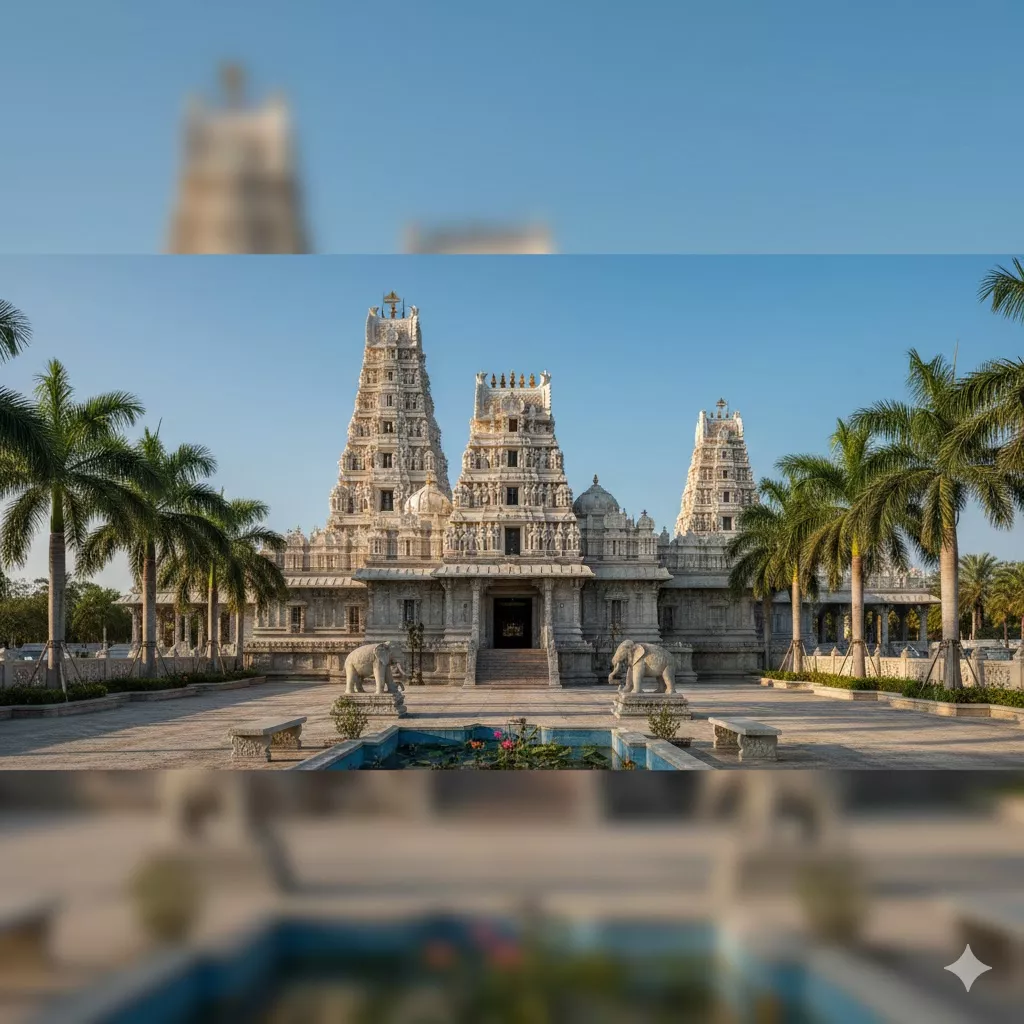
Full-Time Hindu Priest Job Opening at South Florida Hindu Temple (SFHT) – Serve in Sanatan Dharma Traditions in Florida, USA The South Florida Hindu Temple…
Full-Time Hindu Priest Job Opening at South Florida Hindu Temple (SFHT) – Serve in Sanatan Dharma Traditions in Florida, USA
The South Florida Hindu Temple (SFHT), a dedicated center for Hindu worship and community in the Miami-Fort Lauderdale area, is actively seeking a full-time Hindu Priest proficient in performing all rituals in accordance with Sanatan Dharma. This temple serves as a spiritual home for devotees in South Florida, hosting daily pujas, festivals, cultural programs, and community events to preserve and promote Hindu traditions.
SFHT emphasizes authentic Vedic and Agama-based worship, making it an ideal place for experienced priests to engage in meaningful seva while supporting a growing diaspora community.
Key Responsibilities for the Hindu Priest Role
The priest will handle core temple spiritual duties:
- Perform daily poojas, aartis, abhishekams, homams, and other Vedic ceremonies/rituals as per Sanatan Dharma guidelines.
- Conduct special pujas, life-cycle samskaras (e.g., marriages, namkaran, shraddha), and major festivals.
- Lead or support temple services, maintain sanctity of the garbha griha, prepare prasadam, and guide devotees in rituals.
- Participate in community outreach, cultural preservation activities, and any additional temple-related spiritual functions.
This full-time commitment includes regular schedules, weekends, and festival participation.
Who We're Looking For: Requirements and Qualifications
SFHT invites applications from qualified, dedicated candidates:
- Proven proficiency in performing all Hindu rituals in accordance with Sanatan Dharma (Vedic/Smartha traditions preferred).
- Experience as a practicing priest/pujari/archaka in a temple setting.
- Strong knowledge of scriptures, karma kand, and traditional practices.
- Ability to communicate effectively with devotees (English fluency essential; additional languages beneficial).
- Full-time dedication and passion for community service.
Compensation and Benefits
- Competitive package (details provided upon application and interview; aligned with US temple priest roles, often including support/benefits).
- Opportunity for stable, purpose-driven seva in a welcoming Florida Hindu community.
Why Join South Florida Hindu Temple?
SFHT offers a vibrant, inclusive environment focused on spiritual growth, cultural events, and devotee welfare. As a key temple in South Florida, it provides priests the chance to lead authentic rituals, educate the community, and contribute to Hindu unity in the USA. The temple's emphasis on Sanatan Dharma makes it suitable for priests from various traditions seeking long-term engagement.
If you're a qualified Hindu priest looking for a fulfilling role in the United States, this opportunity at SFHT is worth exploring.
How to Apply for the Hindu Priest Position
- Visit the official "Working at SFHT" page: https://www.sfht.org/pages/working-at-sfht
- Fill out and submit the application form directly on the site (includes fields for resume, experience, and contact details).
- The temple will review applications and contact suitable candidates promptly.
- Temple address/details available on sfht.org; check for any updates or additional contacts.
Share this post with experienced pandits, purohits, or archakas open to US temple opportunities!
Posted on Hindutone.com – Your premier source for global Hindu temple priest vacancies, archaka/pujari opportunities, and spiritual career news worldwide.
For More Devotional Journey, Follow
- Temples
/temples/ - Tirumala Updates
/tirumala/ - Sabarimala Yatra
/category/sabarimala-yatra/ - Pooja, Slokas & Mantras
/pooja-slokas-and-mantras/ - Hindu Gods
/hindu-gods/
What Agama and Vedic Traditions Govern Worship at SFHT?
Hindu temple worship in North America increasingly follows one of two primary scriptural streams: the Agama Shastra tradition, which prescribes precise rules for temple construction (Vastu and Shilpa), consecration (Prana Pratishtha), and daily ritual sequences (Nitya Puja Krama); and the Smartha-Vaidika tradition, which draws from the Grihyasutras and Shrautasutras for domestic and public fire-ritual (homa) protocols. SFHT's emphasis on both Vedic and Agama-based worship means the appointed priest may be expected to navigate both streams fluently depending on the presiding deities and the community's regional heritage.
In practical terms, this dual requirement calls for familiarity with texts such as the Kamikagama or Shaivagama (for Shiva-related shrines), the Pancharatra Agamas or Vaikhanasa Agamas (for Vaishnava shrines), and the relevant Vedic Samhitas for mantra recitation during homams. Priests trained in institutions affiliated with the Tirumala Tirupati Devasthanams, the Sringeri Sharada Peetham, or comparable South Indian gurukulas typically receive grounding in both streams, making them strong candidates for a multi-deity diaspora temple like SFHT.
Which Samskaras and Festival Cycles Will the Priest Be Expected to Lead?
The sixteen Shodasha Samskaras outlined in Dharmashastra texts such as the Manusmriti and Paraskara Grihyasutra form the backbone of life-cycle ministry at any full-service Hindu temple. At SFHT, the priest will likely conduct Namakarana (naming ceremony, typically on the eleventh or twelfth day after birth), Annaprashana (first feeding of solid food), Vidyarambha (initiation of learning), Upanayana (sacred-thread ceremony), Vivaha (marriage with Saptapadi and related rites), and Antyesti and Shraddha rites for the departed.
The South Florida Hindu community draws from multiple regional backgrounds — Gujarati, Tamil, Telugu, Malayali, and North Indian families all participate — so the priest must be adaptable in rendering samskaras according to regional customs while maintaining Vedic authenticity. Festival cycles will include major observances such as Maha Shivaratri, Navaratri (both Sharada and Vasanta), Rama Navami, Krishna Janmashtami, Ganesh Chaturthi, Diwali, and Vaikunta Ekadashi, each demanding specific abhishekam sequences, alankara (decoration), and homa rituals that may span multiple days.
How Does the Garbha Griha Responsibility Shape a Priest's Daily Routine?
The garbha griha — literally the 'womb chamber' housing the mula vigraha (primary consecrated image) — is considered the most sacred space in a temple, and its maintenance is governed by strict rules of shuddhi (ritual purity). The archaka entering this sanctum must observe daily snanam (ritual bath), wear prescribed attire (typically a dhoti without stitched clothing in many Agamic traditions), and perform shodhana (purification of body, breath, and mind through pranayama and nyasa) before approaching the deity.
A typical full-time priest's day at a diaspora temple begins before sunrise with Suprabhata Seva or Thiruvanandal (morning awakening prayers), followed by Abhishekam, Alankara, Naivedyam offerings, and Dhupa-Deepa-Naivedya sequences at multiple intervals through the day, culminating in Ratri Seva or Pavazhamalli Seva in the evening. Managing this schedule while simultaneously attending to devotee requests for archana, individual puja bookings, and weekend homas requires considerable physical stamina and organizational discipline.
Why Is English Fluency and Multicultural Communication Critical for This Role?
Unlike temples in India where priests communicate primarily in Sanskrit, Tamil, Telugu, or Kannada alongside the local vernacular, a South Florida temple serves a highly diverse congregation that includes second- and third-generation Indian-Americans who may have limited familiarity with Sanskrit or regional languages. The priest's ability to explain the meaning of each ritual step in clear English — the significance of Kalasha Sthapana, the symbolism of the Navagraha Homa, or the spiritual purpose of Tarpana — transforms a passive ritual attendance into genuine spiritual education.
SFHT's community outreach mandate also implies engagement beyond temple walls: school visits, cultural festivals, interfaith dialogues, and Hindu awareness programs common to the Miami-Fort Lauderdale area. A priest who can articulate Sanatana Dharma concepts accessibly and respectfully to non-Hindu audiences serves the temple's broader mission of cultural preservation and goodwill in the wider South Florida community.
What Does Serving the Hindu Diaspora in South Florida Specifically Entail?
South Florida's Hindu population, concentrated across Miami-Dade, Broward, and Palm Beach counties, represents one of the more culturally heterogeneous Hindu communities in the United States, with families rooted in Gujarat, Maharashtra, Tamil Nadu, Andhra Pradesh, Telangana, Kerala, and the Caribbean-Indian diaspora (Trinidad and Guyana). This diversity means SFHT functions less as a single-sampradaya institution and more as a broad Sanatana Dharma center, analogous in spirit to well-known multi-tradition temples such as the Hindu Temple of Greater Chicago in Lemont, Illinois, or the Sri Venkateswara Temple in Bridgewater, New Jersey.
For an incoming priest, this context means building genuine pastoral relationships across linguistic and regional lines — remembering family milestones, guiding grieving families through Antyesti and post-death rites with sensitivity, and celebrating community achievements. The role is as much about being a spiritual anchor for an immigrant community navigating cultural identity as it is about technical ritual proficiency, making qualities of patience, empathy, and personal dharmic conduct equally important alongside scriptural knowledge.
How Should Interested Candidates Prepare Their Application?
Candidates with formal training from a Veda Pathashala, Agama school, or recognized gurukula should compile documentation of their training lineage, the name of their acharya or guru, and the specific ritual traditions (e.g., Shaiva Siddhanta, Vaishnava Pancharatra, Shakta, or Smartha) in which they are proficient. Video recordings of major rituals — an Ekadasha Rudra Abhishekam, a Sahasranama Archana, or a Vivaha ceremony — can serve as practical demonstrations of competence that complement written credentials.
Prospective applicants should also be prepared to discuss their approach to seva (selfless service) as a spiritual discipline. The Bhagavad Gita (Chapter 3) articulates karma yoga — action performed without attachment to personal reward — as a foundational principle for those in service roles. A priest who embodies this understanding, treating each puja as an act of devotion rather than merely a professional transaction, will naturally align with SFHT's mission of authentic and heartfelt Sanatana Dharma practice for its South Florida community.
Frequently Asked Questions
Where is Full located?
Full-Time Hindu Priest Job Opening at South Florida Hindu Temple (SFHT) – Serve in Sanatan Dharma Traditions in Florida, USA The South Florida Hindu Temple (SFHT) , a dedicated center for Hindu worship and community in the Miami-Fort Lauderdale area, is actively seeking a full-time Hindu Priest proficient in performing all rituals in accordance with Sanatan
Who is the presiding deity of Full?
The temple's presiding deity and its significance are described in the guide above.
What are the timings and how do I reach Full?
Temples typically open early morning and evening; confirm current darshan timings before visiting. The nearest airport, railway station and road routes are covered in the guide above.
What is the best time to visit Full?
Major festival days and the cooler months are popular, though weekday mornings offer a calmer darshan. Plan around the temple's key festivals for the most vibrant experience.
You might also like
Hindu Priest Jobs at Bharatiya Temple Troy Michigan 2026 — Full-Time Pujari Positions USA

Full-Time Hindu Priest — Sanatan Mandir (Wellingborough District Hindu Association), Wellingborough UK | Religious Worker 2026
Shree Siddhivinayak Temple (Mumbai) to Go Fully Digital: A New Era for Donations and Darshan?
