
The Divine Saga of Tirupati Balaji Temple: Who Built It, When, and the Epic Story Behind the Richest Temple on Earth

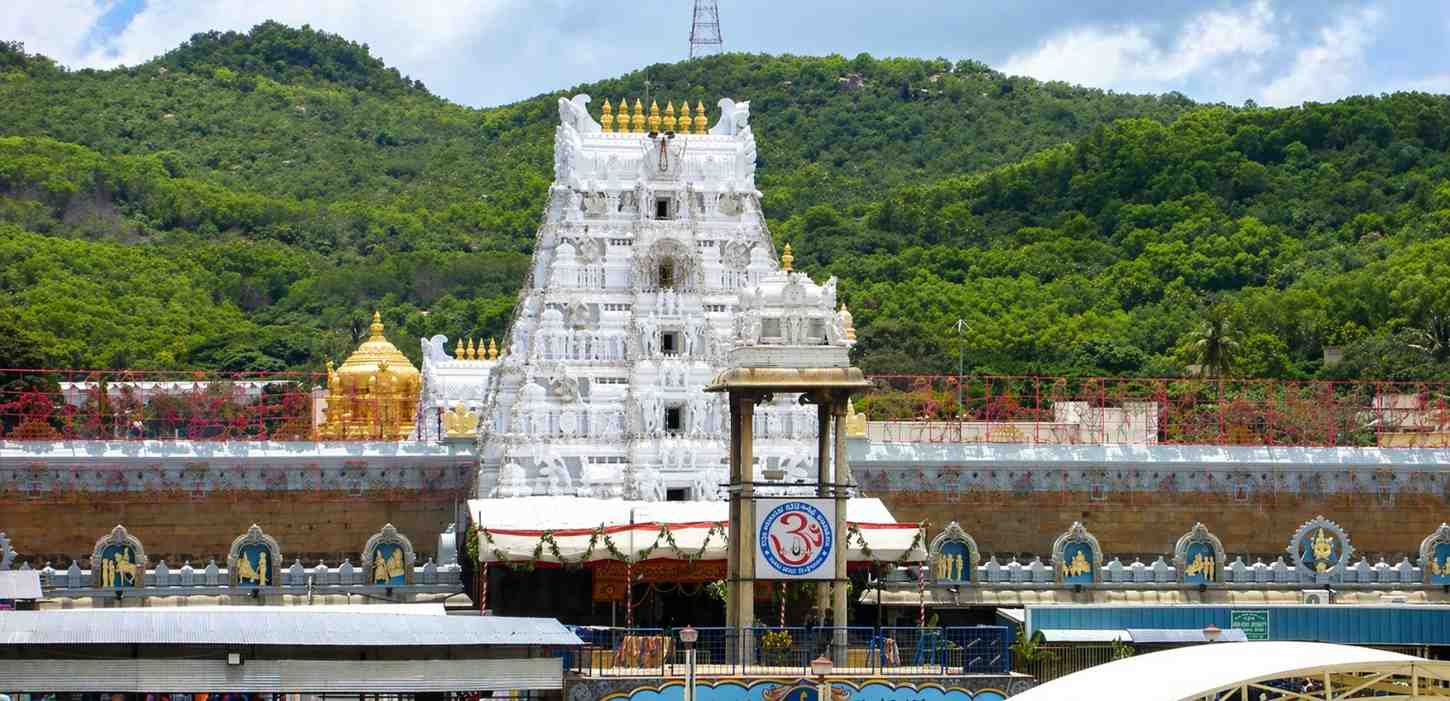
Nestled atop the majestic seven hills of Tirumala in Andhra Pradesh, the Sri Venkateswara Temple (popularly known as Tirupati Balaji Temple) stands as one of the most visited and wealthiest Hindu temples in the world. Millions of devotees flock here every year, chanting “Govinda!
Nestled atop the majestic seven hills of Tirumala in Andhra Pradesh, the Sri Venkateswara Temple (popularly known as Tirupati Balaji Temple) stands as one of the most visited and wealthiest Hindu temples in the world. Millions of devotees flock here every year, chanting “Govinda! Govinda!” with unwavering faith. But behind this spiritual powerhouse lies a captivating blend of ancient mythology, divine love, and centuries of royal patronage.
Who exactly built this sacred abode? When did construction begin? The answer is as mesmerizing as the temple itself — it wasn’t built in a single stroke by one ruler but evolved over nearly 2,000 years through divine will and human devotion.Wikipedia
The Timeless Legend: Why Lord Venkateswara Chose Tirumala
Long before any stones were laid, a divine drama unfolded in the celestial realms. Sage Bhrigu kicked Lord Vishnu on the chest during a test of supremacy among the Trinity. Goddess Lakshmi, residing in Vishnu’s chest, felt insulted and descended to Earth. Heartbroken, Lord Vishnu followed her in the form of Srinivasa (or Venkateswara) and settled on the sacred Tirumala hills — believed to be the incarnation of the serpent Adisesha with its seven peaks.
There, Srinivasa fell in love with Padmavati, the daughter of local king Akasha Raja. To fund the grand wedding, He borrowed a massive fortune (crores of gold coins) from Kubera, the lord of wealth. The condition? In the Kali Yuga, His devotees would repay this eternal debt through their offerings. This is why Tirupati is famously called the “Bank of Lord Balaji” — the hundi (donation box) collections continue to clear this cosmic loan even today.
According to temple tradition, Lord Venkateswara made Tirumala His home over 5,000 years ago. Even before Him, Lord Varaha (Vishnu’s boar avatar) resided here, and Srinivasa sought land from Varaha, promising the first darshan to Him. This is why devotees first visit the Varaha Swamy temple before seeing the main deity.Tirumala
The main moolavirat (presiding idol) is considered swayambhu (self-manifested). Legends say it was discovered inside a termite mound (puttu), adding to its mystical aura.
Historical Construction: Who Built the Tirupati Temple and When?
While mythology places the temple’s origins in antiquity, historical records point to a more tangible timeline rooted in South Indian dynasties:
- Around 300 CE (3rd Century AD): Construction is believed to have begun during the reign of the Tamil king Thondaiman (also spelled Tondaiman or Thondaimaan), ruler of the ancient Thondaimandalam region (around present-day Kanchipuram and northern Tamil Nadu). According to Puranic texts and local traditions, King Thondaiman had a divine dream or vision instructing him to build a temple for Lord Vishnu. He excavated the termite mound, discovered the self-manifested idol, and constructed the initial gopuram (tower) and prakara (compound wall). This marks the foundational phase of the Dravidian-style temple.Wikipedia
The temple did not emerge overnight. It was expanded and glorified over centuries by successive dynasties, each adding architectural grandeur, jewels, and land grants:
- Pallava Dynasty (9th Century CE): The earliest recorded inscriptions and endowments belong to this era. In 966 CE, Pallava Queen Samavai (also known as Samavai or Sāmavai) made the first documented donation — precious jewels, a silver idol of Bhoga Srinivasa (a smaller processional deity used for daily rituals), and 23 acres of land (two parcels of 10 and 13 acres). The revenue from this land funded major festivals. This queen’s contribution laid the groundwork for organized temple rituals.Wikipedia
- Chola Dynasty (10th–13th Centuries): The Cholas of Tanjore further developed the temple, adding structures and making generous endowments. Their inscriptions are found on the temple walls.
- Pandya and Other Southern Rulers: Continued patronage enriched the shrine with more ornaments and expansions.
- Vijayanagara Empire (14th–16th Centuries) — The Golden Age: This period transformed Tirupati into the opulent temple we see today. Emperors like Krishnadevaraya (r. 1509–1529) showered the temple with gold, diamonds, and vast land grants. He and his consorts are honored with statues inside the complex. The majestic Rajagopuram and other grand pavilions were enhanced during this time. Vijayanagara rulers gilding the vimana (tower over the sanctum) with gold remains one of the most iconic contributions.Blog.dharmikvibes
Over 1,180 stone inscriptions from various dynasties — Cholas, Chalukyas, Yadavarayas, and more — narrate these generous acts of devotion.
The temple follows classic Dravidian architecture: towering gopurams, intricate carvings depicting Puranic stories, and a sprawling complex spread over 16.2 acres.
Fascinating Secrets and Traditions That Make Tirupati Unique
- Bhoga Srinivasa: The small silver idol donated by the Pallava queen acts as the “daily” deity because the main stone idol is too heavy for routine processions.
- Daily Rituals and Laddu Prasadam: The famous Tirupati Laddu is a registered GI-tagged sweet offered as prasadam. Over lakhs are prepared daily.
- Hair Offering (Tonsure): Millions tonsure their hair as a symbol of surrender and gratitude — a tradition believed to please the Lord.
- First Darshan to Varaha: No one sees Balaji before paying respects to Varaha Swamy, honoring the ancient agreement.
- Eternal Debt: Every rupee dropped in the hundi is seen as repayment to Kubera. This belief drives the temple’s enormous wealth.
Today, the temple is managed by the Tirumala Tirupati Devasthanams (TTD), established in 1932 (with roots in earlier acts). TTD oversees not just this temple but many associated shrines, charitable activities, and global outreach.
Why Tirupati Continues to Captivate Millions
From a simple shrine discovered in a termite mound to the world’s most-visited pilgrimage site, Tirupati Balaji Temple is a living testament to bhakti (devotion) across eras. It wasn’t built by one king alone — King Thondaiman laid the foundation around 300 CE, but countless devotees, queens, and emperors (Pallavas, Cholas, Vijayanagara rulers) turned it into a divine empire of faith.
Whether you seek blessings for marriage, health, or prosperity, or simply wish to experience the electrifying atmosphere of the hills, a visit to Tirupati feels like repaying an ancient promise — and receiving boundless grace in return.
Jai Venkateswara Swamy! Govinda! Govinda!
This detailed narrative draws from Puranic traditions, historical inscriptions, and official temple records. For visitors, the journey up the seven hills itself is a spiritual adventure — 3,550 steps or a scenic drive amid lush greenery.
You might also like

Tirumala VIP Darshan Summer 2026: TTD Big Update — VIP Break Darshan Suspended, Special Entry Darshan Guide & Summer Heat Tips for Devotees
Tirumala Latest News April 2026: Padmavati Parinayotsavam Live Updates, Darshan Stats & Devotee Donations

Tirumala April 2026 Calendar: Complete Guide to Festivals, Vasanthotsavam & Darshan Planning
