


Pongal 2026: Complete Guide to Dates, Significance, and Celebrations
Pongal 2026: Complete Guide to Dates, Significance, and Celebrations
Introduction
Pongal is a four-day Tamil harvest festival celebrated in mid-January, marking one of the most significant occasions in Tamil culture. This ancient celebration brings communities together in gratitude, honoring nature’s bounty and the agricultural cycle. As families prepare for Pongal 2026, this comprehensive guide explores everything you need to know about this vibrant festival.
Pongal 2026 Dates
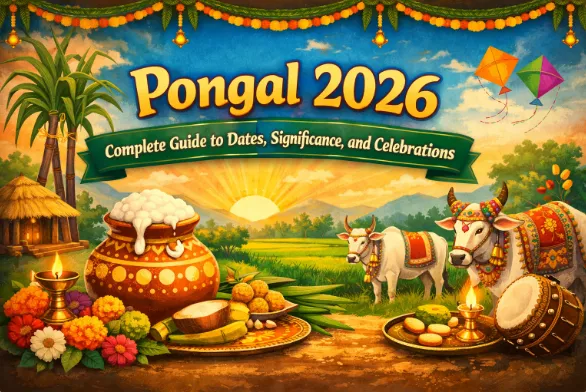
Pongal 2026 will be celebrated from January 14th to January 17th, spanning four auspicious days filled with rituals, traditional food, and heartfelt prayers. The festival begins on Wednesday and concludes on Saturday, providing ample opportunity for families to gather and celebrate.
Quick Date Reference:
- Day 1 – Bhogi Pongal: January 14, 2026 (Wednesday)
- Day 2 – Thai Pongal: January 15, 2026 (Thursday)
- Day 3 – Mattu Pongal: January 16, 2026 (Friday)
- Day 4 – Kaanum Pongal: January 17, 2026 (Saturday)
What is Pongal? Understanding the Festival’s Meaning
The word Pongal derives from the Tamil word “pongu”, meaning “to boil over”, symbolizing prosperity, overflowing happiness, and abundance. This harvest festival represents gratitude to nature, particularly the Sun God, for providing energy essential to agriculture and sustaining life on Earth.
The festival marks the end of winter solstice and the start of the Sun’s six-month-long journey northwards called Uttarayana when the Sun enters Capricorn. This astronomical event holds deep spiritual significance in Hindu tradition, representing a period of auspiciousness and new beginnings.
Historical and Cultural Significance
Ancient Origins
The roots of Pongal stretch back over two millennia in Tamil culture. Historical records indicate that this festival was celebrated in ancient times as Thai Niradal, observed by young unmarried women who prayed for agricultural prosperity and abundant rainfall. They practiced discipline and devotion to ensure nature’s blessings upon their communities.
The festival is mentioned in inscriptions from the Veeraraghava Swamy Temple, attributed to the Chola king Kulottunga I (1070–1122 CE), describing grants of land for celebrating annual Pongal festivities. The ninth-century Shaiva Bhakti text Tiruvempavai by Manikkavacakar also provides detailed descriptions of the festival’s practices.
Spiritual Importance
Pongal reflects several core values:
Gratitude and Thanksgiving: The festival centers on expressing appreciation to the Sun God (Surya), who provides life-giving energy, and to Mother Earth for her bounty.
Connection with Nature: Pongal emphasizes living in harmony with natural cycles, recognizing the interdependence between humans, animals, and the environment.
Agricultural Reverence: As a harvest festival, it honors farmers’ hard work and celebrates successful crop yields, acknowledging agriculture as the foundation of civilization.
Cultural Identity: For Tamil communities worldwide, Pongal serves as a vital link to cultural heritage, preserving traditions and strengthening community bonds.
The Four Days of Pongal: Detailed Celebrations
Day 1: Bhogi Pongal (January 14, 2026)
Bhogi marks fresh beginnings and the act of letting go. This day focuses on cleansing and renewal, both physically and spiritually.
Traditions and Rituals:
- Discarding the Old: Families remove old, unused items from their homes, symbolizing the release of negativity and past burdens
- Bhogi Mantalu: Traditional bonfires are lit at dawn using wood and cow-dung cakes, where discarded items are burned
- Home Cleaning: Houses undergo thorough cleaning, painting, and decoration to create a festive atmosphere
- Prayers to Indra: The rain god is honored with prayers for timely monsoons and agricultural success
The bonfire ritual represents transformation, where the old makes way for the new, creating space for prosperity and positive energy in the coming year.
Day 2: Thai Pongal (January 15, 2026)
Thai Pongal is the main day of the festival, dedicated entirely to Surya, the Sun God. This day witnesses the most significant rituals and celebrations.
The Sacred Cooking Ritual: The centerpiece of Thai Pongal is preparing the traditional Pongal dish outdoors in clay pots. Families wake before sunrise to begin this sacred preparation.
Ingredients:
- Newly harvested rice (symbolizing fresh abundance)
- Fresh milk
- Jaggery (unrefined cane sugar)
- Ghee (clarified butter)
- Cashew nuts and raisins
- Cardamom for fragrance
The Ritual Process: The cooking takes place in the open air, often in courtyards or terraces, facing the rising sun. The pot is decorated with turmeric stalks, sugarcane, and flowers. As the milk and rice boil together, families eagerly await the moment when the mixture overflows from the pot.
“Pongalo Pongal!”: When the milk boils over, everyone joyously chants this phrase repeatedly, celebrating the overflow as an auspicious sign of abundance and prosperity for the year ahead.
Other Traditions:
- Drawing colorful kolam (rangoli) designs at entrances using rice flour
- Wearing new traditional clothes
- Offering the first serving to the Sun God before the family partakes
- Temple visits and special pujas
- Exchanging gifts and sweets with neighbors
Day 3: Mattu Pongal (January 16, 2026)
Mattu Pongal honors cattle, the backbone of traditional agriculture. This day recognizes the invaluable contribution of cows, bulls, and oxen to farming communities.
Cattle Worship Rituals:
- Bathing and Decoration: Cattle are bathed, their horns polished and painted in vibrant colors
- Adornments: Animals are decorated with colorful beads, flower garlands, bells, and traditional ornaments
- Special Offerings: Cattle receive special treats including jaggery, fruits, Pongal, and freshly harvested crops
- Turmeric and Kumkum: Sacred marks are applied to the animals’ foreheads
Cultural Events: Rural areas organize temple processions featuring decorated cattle, traditional games, folk performances, and community gatherings. In some regions, Jallikattu, the traditional bull-taming sport, takes place, celebrating bravery, heritage, and the bond between humans and animals.
Day 4: Kaanum Pongal (January 17, 2026)
Kaanum Pongal, the final day, focuses on strengthening social and family bonds. The word “Kaanum” means “to view” or “to visit” in Tamil.
Family and Community Activities:
- Family Reunions: Extended families gather for meals and celebrations
- Outdoor Excursions: Families visit parks, beaches, and scenic spots for picnics
- Social Gatherings: Communities organize cultural programs, folk dances, and traditional games
- Gift Exchange: Continued exchange of gifts and sweets reinforces social connections
- Thanksgiving: Some families offer prayers to Lord Ganesha and Goddess Parvati for continued blessings
In Chennai, Marina Beach becomes particularly vibrant with families enjoying festive outings, creating lasting memories to close the Pongal celebrations.
Traditional Pongal Dish Recipe
The sweet Pongal dish (Sakkarai Pongal) is essential to the festival. Here’s how families prepare it:
Ingredients:
- 1 cup raw rice
- ¼ cup moong dal (split yellow lentils)
- 1 cup jaggery
- 2-3 cups milk
- ¼ cup ghee
- Cashews and raisins
- Cardamom powder
Preparation Steps:
- Roast moong dal until golden and aromatic
- Wash rice and dal together
- Cook with milk until soft and mushy
- Melt jaggery in water to make syrup, strain to remove impurities
- Add jaggery syrup to the rice-dal mixture
- Heat ghee separately and fry cashews and raisins until golden
- Add fried nuts and ghee to the mixture
- Sprinkle cardamom powder
- Mix well and offer to the Sun God before serving
Regional Celebrations and Variations
While Pongal is primarily celebrated in Tamil Nadu and by Tamil communities worldwide, similar harvest festivals occur across India during this period:
Tamil Nadu: The epicenter of Pongal celebrations, with elaborate four-day festivities in both rural and urban areas
Puducherry: Follows Tamil traditions closely, with vibrant community celebrations
Andhra Pradesh and Telangana: Celebrated as Sankranti with similar harvest thanksgiving themes
Karnataka: Known as Sankranti, incorporating local customs while honoring the harvest
Sri Lanka: Tamil communities celebrate Pongal with traditional fervor, maintaining cultural connections
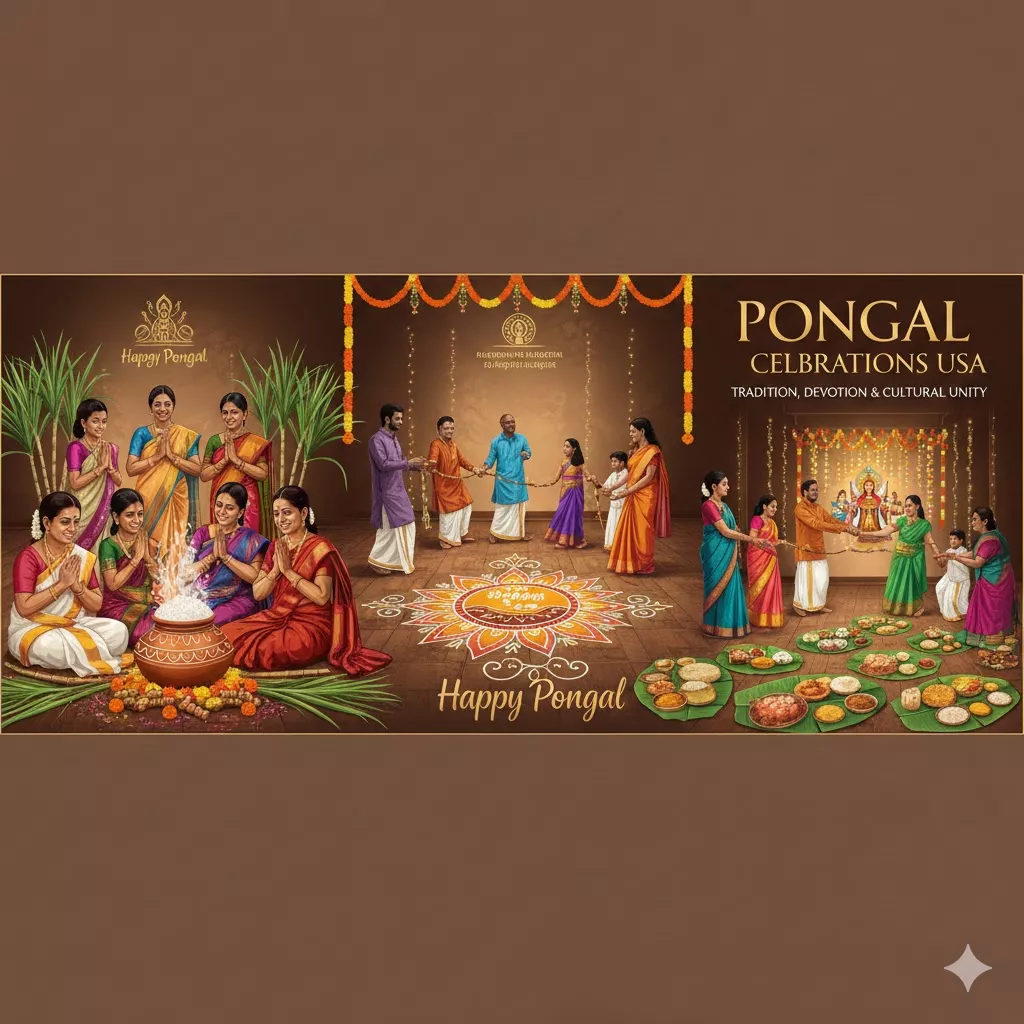
International Diaspora: Tamil communities in Malaysia, Singapore, the United States, Canada, the United Kingdom, and other countries organize community gatherings, potlucks, and cultural programs to keep traditions alive
Modern Celebrations and Urban Adaptations
As Tamil communities have urbanized and spread globally, Pongal celebrations have adapted while maintaining core traditions:
Urban Celebrations:
- Cooking Pongal indoors when outdoor space is unavailable
- Using modern cookware while preserving the ceremonial aspects
- Organizing community events in cultural centers
- Virtual celebrations connecting family members across distances
Technology Integration:
- Video calls to share the “Pongalo Pongal” moment with distant relatives
- Social media sharing of kolam designs and celebration photos
- Online recipe exchanges and cooking demonstrations
- Digital greeting cards and messages
Environmental Consciousness:
- Eco-friendly decorations
- Sustainable practices in celebration
- Responsible handling of bonfires
Pongal Decorations and Attire
Home Decorations:
- Kolam: Intricate geometric or floral designs drawn at entrances using rice flour, symbolizing prosperity and welcoming guests
- Sugarcane Stalks: Placed at doorways representing sweetness and prosperity
- Mango Leaves: Strung across entrances for auspiciousness
- Turmeric Plants: Used to decorate cooking areas and pots
- Colorful Rangoli: More elaborate designs using colored powders
Traditional Attire:
- Women: Silk sarees or traditional pavadai-davani, adorned with gold jewelry and jasmine flowers in their hair
- Men: Traditional dhoti and angavastram or silk shirts
- New Clothes: Wearing new garments symbolizes fresh beginnings
Pongal’s Broader Cultural Impact
Pongal transcends religious boundaries, celebrated by Tamil people of various faiths as a cultural festival. It represents:
Agricultural Heritage: Keeping alive the connection to farming traditions even in modern urban settings
Environmental Awareness: Promoting respect for nature and sustainable living
Social Cohesion: Strengthening community ties through shared celebrations
Cultural Preservation: Ensuring younger generations maintain their Tamil identity and traditions
Economic Significance: Boosting local economies through increased activity in markets, temples, and cultural venues
Tips for Celebrating Pongal 2026
For Traditional Celebrations:
- Plan early and purchase fresh ingredients from local markets
- Prepare kolam designs in advance
- Organize family gatherings and coordinate with relatives
- Maintain the tradition of cooking outdoors if possible
- Visit temples during auspicious hours
For First-Time Celebrants:
- Research the significance of each day’s rituals
- Connect with local Tamil cultural organizations
- Learn to prepare the traditional Pongal dish
- Practice drawing simple kolam designs
- Embrace the spirit of gratitude and community
For Diaspora Communities:
- Organize community potlucks and cultural programs
- Teach children about Pongal’s significance through stories and activities
- Adapt traditions to local environments while preserving core values
- Use technology to connect with family in India
- Support local Tamil cultural centers and organizations
The Spiritual Message of Pongal
Beyond the festivities, Pongal carries profound spiritual lessons:
Gratitude: Recognizing and appreciating the sources of our sustenance
Interconnectedness: Understanding our dependence on nature, animals, and community
Renewal: Embracing opportunities for fresh starts and positive change
Simplicity: Finding joy in simple pleasures and natural abundance
Generosity: Sharing prosperity with others and strengthening social bonds
Conclusion
Pongal 2026 offers an opportunity to reconnect with Tamil heritage, express gratitude to nature, and strengthen family and community bonds. Whether celebrating in Tamil Nadu, elsewhere in India, or in the global diaspora, the essence of Pongal remains constant: thanksgiving, renewal, and joy.
As the milk boils over on Thai Pongal morning and voices rise in the traditional chant of “Pongalo Pongal!”, the festival reminds us of life’s fundamental blessings and our responsibility to honor and preserve them. From the cleansing fires of Bhogi to the social gatherings of Kaanum Pongal, each day offers unique opportunities for spiritual growth and communal celebration.
May Pongal 2026 bring overflowing prosperity, happiness, and abundant blessings to all who celebrate this beautiful harvest festival.
🌸 For More Devotional Journey, Follow
Hindu Gods
https://hindutone.com/hindu-gods/
Temples
https://hindutone.com/temples/
Tirumala Updates
https://hindutone.com/tirumala/
Sabarimala Yatra
https://hindutone.com/category/sabarimala-yatra/
Pooja, Slokas & Mantras
https://hindutone.com/pooja-slokas-and-mantras/
Related posts:
 Advaita Vedanta and the Timeless Wisdom of Adi Shankaracharya
 Global Pilgrims Undertake Amarnath Yatra: A Journey of Faith and Unity
 Hindu Wedding Rituals Decoded: Sacred Symbols in Vivaha Sanskar (2025 Edition)
 Beyond Asana: A Beginner’s Guide to the 8 Limbs of Yoga from the Patanjali Yoga Sutras
 Dhanteras 2025 Wishes for NRIs: Heartfelt Messages for USA, Canada, UK, and Australia
 Must-Visit Hindu Temples in Malaysia During Diwali 2025: Complete Spiritual Guide




 ︎
︎

