Must-Visit Hindu Temples in Malaysia During Diwali 2025: Complete Spiritual Guide
Experience Divine Celebrations at Malaysia's Most Sacred Hindu Shrines Diwali 2025 in Malaysia promises to be a spectacular spiritual journey, with Hindu…
Experience Divine Celebrations at Malaysia's Most Sacred Hindu Shrines Diwali 2025 in Malaysia promises to be a spectacular spiritual journey, with Hindu…
Experience Divine Celebrations at Malaysia's Most Sacred Hindu Shrines
Diwali 2025 in Malaysia promises to be a spectacular spiritual journey, with Hindu temples across the country illuminating the Festival of Lights with devotion, grandeur, and cultural splendor. Whether you're a devout pilgrim or a curious traveler, Malaysia's magnificent Hindu temples offer an unforgettable Deepavali experience. Here's your comprehensive guide to the must-visit temples during Diwali celebrations on October 20, 2025.
Why Visit Hindu Temples During Diwali in Malaysia?
During Deepavali, Hindu temples throughout Malaysia are lavishly decorated with flowers, oil lamps, and vibrant lights, creating a celestial atmosphere. Prayers begin early in the morning at 7 AM and continue until evening, offering visitors multiple opportunities to witness sacred rituals, receive blessings, and experience authentic Hindu traditions.
The temples become spiritual hubs where:
- Ancient Vedic rituals are performed with devotion
- Traditional prayers and bhajans fill the air
- Devotees offer fruits, coconuts, and flowers at altars
- Prasad (blessed food) is distributed to all visitors
- Communities gather to celebrate light over darkness
Top 10 Must-Visit Hindu Temples in Malaysia for Diwali 2025
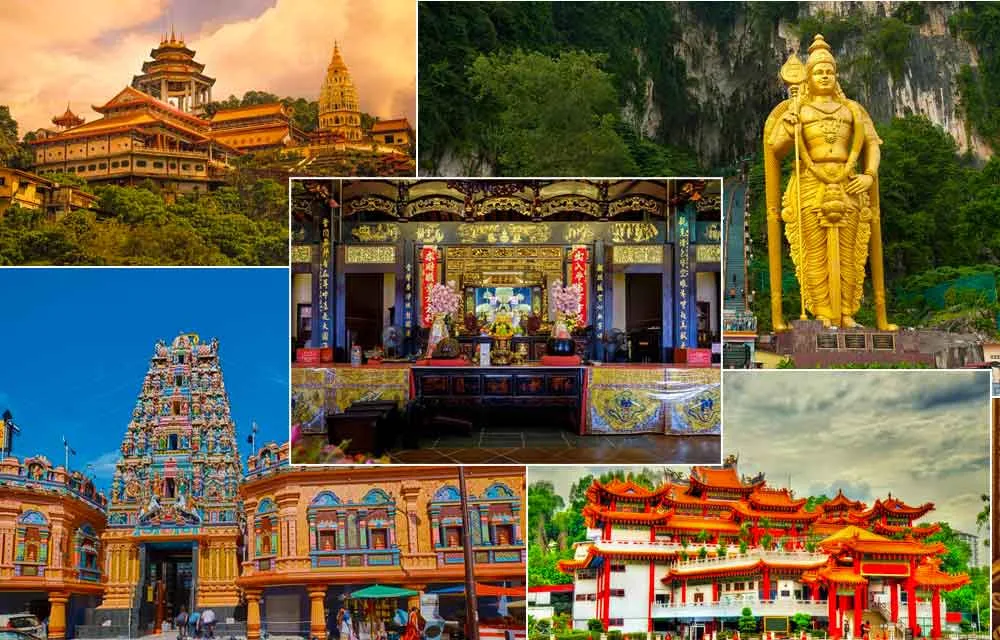
1. Batu Caves - The Iconic Temple Complex (Selangor)
Location: Gombak, Selangor (13 km north of Kuala Lumpur)
Main Deity: Lord Murugan
Timing: 7:00 AM - 9:00 PM
Steps to Climb: 272
Batu Caves, located just 13 kilometers north of Kuala Lumpur, features a towering limestone hill over 400 million years old with several caves and sacred Hindu temples, crowned by the enormous 42.7-meter-tall golden statue of Lord Murugan—the second tallest Hindu deity statue globally.
Diwali Highlights:
- Special prayers and puja ceremonies starting at 7 AM
- Spectacular light decorations throughout the cave complex
- Four main caves: Temple Cave, Ramayana Cave, Cave Villa, and Dark Cave
- Intricate Hindu sculptures and bright artwork
- Thousands of devotees gathering for blessings
What Makes It Special: The 272-step journey to the main Temple Cave is both a physical challenge and a symbolic spiritual ascent. The cave's natural grandeur combined with religious significance creates an awe-inspiring Diwali experience. The massive Lord Murugan statue, gleaming in gold, serves as a beacon of divine protection.
Tips for Visitors:
- Arrive early (6:30-7:00 AM) to avoid crowds
- Wear comfortable shoes for climbing stairs
- Watch out for playful monkeys—don't feed them
- Dress modestly (shoulders and knees covered)
- Photography is allowed but be respectful during prayers
2. Sri Mahamariamman Temple - Kuala Lumpur's Oldest (KL Chinatown)
Location: Jalan Tun H.S. Lee, Chinatown, Kuala Lumpur
Main Deity: Goddess Mariamman (manifestation of Goddess Parvati)
Timing: Sunday-Friday 6:00 AM - 8:30 PM | Saturday 6:00 AM - 9:00 PM
Established: 1873
Founded in 1873 by the late K. Thamboosamy Pillai, a prominent Indian community leader from the pre-independence years, the Sri Mahamariamman Temple in Kuala Lumpur is the oldest Hindu temple in the capital city.
Architectural Marvel:
- Five-tier, 75-feet-high rajagopuram intricately sculpted with 228 idols
- Stunning Dravidian architecture following South Indian temple design
- Ornate interior with decorated ceilings and multiple shrines
- The famous Silver Chariot with 240 bells dedicated to Lord Murugan
Diwali Celebrations:
- Elaborate Lakshmi Puja with traditional devotional music
- The temple transforms into a luminous wonder with oil lamps
- Special abhishekam (ritual bathing) ceremonies for deities
- Distribution of prasad and blessed sweets
- Cultural performances and traditional music
Historical Significance: This temple served as a spiritual refuge for early Indian immigrants who came to Malaya as contract laborers. They looked to Goddess Mariamman as their protector in an unfamiliar land, making it a symbol of resilience and faith.
3. Arulmigu Balathandayuthapani Temple - Penang Waterfall Hill Temple
Location: Waterfall Road, Georgetown, Penang
Main Deity: Lord Murugan (Balathandayuthapani)
Timing: 6:00 AM - 12:00 PM | 5:00 PM - 9:00 PM
Steps to Climb: 513
Built with 14th and 15th-century architectural styles of the Chola and Pandya kingdoms in India, the Arulmigu Balathandayuthapani Temple features a 70-feet-tall rajagopuram with seven tiers, standing majestically on Waterfall Hill.
Unique Features:
- Based on ancient belief, a sadhu (holy man) selected this area near the waterfall as a shrine to worship Lord Murugan, also known as Thanneermalaian, meaning 'he who dwells by the waterfall'
- Largest Murugan shrine outside India
- Spectacular panoramic views of Georgetown from the hilltop
- Traditional Chola dynasty architectural elements
- Free-standing temple bell with deep spiritual resonance
Diwali Experience:
- The 513-step climb becomes a meditative spiritual journey
- Temple illuminated with thousands of oil lamps
- Special prayers and rituals throughout the day
- Thaipusam festival processions also originate from here
- Serene hilltop atmosphere perfect for contemplation
Visitor Information:
- Plan for 45-60 minutes to climb the stairs at a comfortable pace
- Rest areas available along the stairway
- Drinking water facilities provided
- Best visited early morning or late afternoon during Diwali
4. Sri Shakti Devasthanam - World's First 51 Shakti Peethas Temple
Location: Bukit Rotan, Kuala Selangor
Main Deities: All 51 Shakti Peethas (Divine Feminine Forms)
Timing: 6:00 AM - 9:00 PM
Consecrated: 2013
Sri Shakti Devasthanam in Malaysia is a unique wonder—it is the world's first temple to worship all 51 Shakti Peethas, powerful female goddesses in Hinduism, featuring 96 carved pillars, each conveying a tale about Hinduism's core values.
Architectural Excellence:
- Built using a rare technique called thundu pattirippu pathroba pathiram, resulting in a stunning cashew-toned sandcastle-like structure
- Five-tiered Rajagopuram entrance standing 74 feet tall
- Designed by skilled artisans from Mahabalipuram, India
- Blends traditional Hindu scriptures (Vedas and Agamas) into its essence
- 96 intricately carved pillars depicting Hindu philosophy
Diwali Celebrations:
- Unique Shakti worship ceremonies honoring divine feminine energy
- Special abhishekam for all 51 Shakti Peethas
- Traditional music and chanting creating powerful vibrations
- Serene rural setting away from city crowds
- Extended evening prayers with spectacular lighting
Why Visit: This temple offers a rare opportunity to experience the worship of all 51 Shakti Peethas under one roof—something not found anywhere else in the world. The temple's modern yet traditional design makes it a masterpiece of contemporary Hindu architecture.
5. Sri Kandaswamy Kovil - Century-Old Murugan Temple (Brickfields, KL)
Location: Jalan Tebing, Brickfields, Kuala Lumpur
Main Deity: Lord Murugan (Kandaswamy)
Timing: 5:30 AM - 1:00 PM | 5:00 PM - 9:00 PM
Established: Over 100 years old
Sri Kandaswamy Kovil is a century-old Hindu temple famous for its deep roots and cultural significance, showcasing South Indian architectural design with intricate Hindu sculptures and featuring the kalasam, a bulbous stone finial that beautifully crowns the temple.
Cultural Significance:
- Follows the Saiva Agama Scriptures and hosts over 54 festivals annually
- One of the first Hindu temples in Malaysia to celebrate Soora Samhara festival
- One of only two temples honoring the Kathirgama Kodiyetram festival
- Thaipusam processions start from Batu Caves to this temple
Diwali Features:
- Traditional South Indian-style celebrations
- Multiple daily pujas and abhishekam ceremonies
- Community feast (annadanam) for devotees
- Classical music performances and bhajans
- Kolam competitions at temple entrance
Accessibility: Located in Brickfields (Little India), this temple is easily accessible via monorail (Tun Sambanthan station) and is surrounded by authentic Indian restaurants, shops, and cultural attractions.
6. Shree Lakshmi Narayan Mandir - Vedic Temple (Kampung Kasipillay, KL)
Location: Kampung Kasipillay, Kuala Lumpur
Main Deities: Lord Vishnu and Goddess Lakshmi
Tradition: North Indian Vaishnava
Services: Conducted in Tamil and English
Shree Lakshmi Narayan Mandir is a famous Hindu temple in Kuala Lumpur dedicated to Lord Vishnu and Goddess Lakshmi, following ancient Vedic practices and Sanatan Dharma principles.
Special Features:
- Authentic North Indian temple architecture
- Follows traditional Vedic rituals and practices
- ISKCON-inspired devotional atmosphere
- Beautiful deity worship ceremonies
- Vegetarian prasadam distributed daily
Diwali Highlights:
- Special Lakshmi-Narayan puja for prosperity
- Bhagavad Gita recitations and discussions
- Kirtan (devotional singing) sessions
- Traditional North Indian sweets and prasadam
- Welcoming atmosphere for all visitors
Ideal For: North Indian Hindus seeking traditional Vaishnava worship, families looking for a peaceful environment, and visitors interested in Vedic philosophy and practices.
7. Arulmigu Sri Rajakaliamman Glass Temple - The Kaleidoscopic Wonder (Johor)
Location: Tebrau, Johor Bahru
Main Deity: Goddess Kali
Unique Feature: Malaysia's only glass temple
Timing: 6:00 AM - 12:00 PM | 4:00 PM - 9:00 PM
The Arulmigu Sri Rajakaliamman Glass Temple, commonly called the Tebrau Glass Temple, is the first and only glass temple in Malaysia as certified in the nation's book of records, with about 300,000 multicolor pieces of glass bejeweled with thousands of glass beads.
Architectural Marvel:
- Inspired by Thai glass temple artwork
- Entire structure covered in colorful glass pieces
- Creates stunning light reflections, especially during Diwali
- Murals and sculptures adorned with glass beads
- Unique fusion of traditional Hindu and contemporary design
Diwali Magic:
- The glass temple transforms into a rainbow of lights during Diwali
- Special prayers to Goddess Kali for protection and blessings
- Glass artwork reflects oil lamp flames creating mesmerizing effects
- Photography paradise during evening prayers
- Close proximity to Singapore makes it accessible for international visitors
Important Notes:
- Remove footwear before entering
- Handle glass decorations with care
- Best photographed during evening golden hour
- Plan extra time to appreciate intricate glass work
8. Sri Poyatha Moorthi Temple - Southeast Asia's Ancient Treasure (Melaka)
Location: Jalan Tokong, Melaka (Malacca)
Main Deity: Lord Ganesha
Established: 1781
Historical Status: Oldest operational Hindu temple in Malaysia
Sri Poyatha Moorthi Temple is recognized worldwide as Southeast Asia's one of the oldest operational Hindu Chitty temples, constructed in 1781 by Chitty preacher Tha Vinayagar Chitty.
Historical Importance:
- One of the few existing Chitty temples in Malaysia
- Simple yet spiritually profound architecture
- Part of "Harmony Street" alongside Chinese and Muslim worship places
- Symbol of Malaysia's multicultural heritage
- Heritage site protected by UNESCO considerations
Diwali Significance:
- Authentic traditional Chitty Hindu celebrations
- Special Vinayagar (Ganesha) worship for new beginnings
- Community gathering of Malaysian Chitty Hindus
- Traditional sweets and prasadam distribution
- Intimate, family-oriented celebration atmosphere
Cultural Experience: Located on Harmony Street, this temple offers visitors a unique glimpse into Malacca's religious tolerance, standing peacefully alongside Kampung Kling Mosque and Cheng Hoon Teng Temple.
9. Sri Maha Muniswarar Temple - Dravidian Architecture Gem (Prai, Penang)
Location: Taman Supreme, Prai, near Jalan Baru
Main Deity: Muniswarar
Architecture: Dravidian-style with rajagopuram and mandapa
Unique Feature: Sacred banyan tree with devotees' wishes
The Sri Muniswarar Temple features Dravidian-style architecture with a rajagopuram and a mandapa, with a banyan tree at the entrance holding devotees' wishes tied in colored cloth.
Spiritual Elements:
- Authentic Dravidian temple layout
- Sacred banyan tree believed to grant wishes
- Traditional mandapa (pillared hall) for community gatherings
- Murti (deity statues) following ancient iconography
- Strong devotional atmosphere
Diwali Traditions:
- Muniswarar worship for protection and prosperity
- Devotees tie colorful cloth with wishes on banyan tree
- Traditional Tamil bhajans and prayers
- Community feast for all attendees
- Evening lamp-lighting ceremony under banyan tree
10. Sri Sundararaja Perumal Temple - The Klang Perumal Temple
Location: Klang, Selangor
Main Deity: Lord Perumal (Vishnu)
Tradition: South Indian Vaishnavism
Nickname: Klang Perumal Temple
Just a stone's throw from the ever-so-popular Little India in Klang stands the Sri Sundararaja Perumal Temple, nicknamed the Klang Perumal Temple.
Temple Features:
- Traditional Vaishnava temple practices
- Beautiful deity decorations and alankaram
- Daily abhishekam and archana services
- Peaceful atmosphere conducive to meditation
- Welcoming local community
Diwali Celebrations:
- Special Perumal worship for divine protection
- Traditional Vaishnava rituals and prayers
- Distribution of prasadam and holy water
- Devotional music and bhajans throughout the day
- Close to Little India Klang for post-temple shopping and dining
Special Temple Experiences During Diwali 2025
Temple Timing During Diwali
Most temples extend their hours during Diwali celebrations:
- Morning Sessions: 5:30 AM - 1:00 PM (includes special dawn prayers)
- Afternoon Break: 1:00 PM - 5:00 PM (some temples remain open)
- Evening Sessions: 5:00 PM - 10:00 PM (main celebration time)
Traditional Rituals You'll Witness
1. Oil Bath Ceremony (before temple visit): Devotees perform ritual oil baths at dawn as a purification practice before visiting temples.
2. Abhishekam (Deity Bathing Ritual): Sacred bathing of deity statues with milk, honey, yogurt, ghee, and water while chanting mantras.
3. Alankaram (Deity Decoration): Deities are adorned with fresh flowers, silk garments, gold ornaments, and fragrant garlands.
4. Aarti (Lamp Offering): Waving of lighted lamps before deities accompanied by devotional songs and bell ringing.
5. Prasadam Distribution: Blessed food offerings (usually sweets, fruits, and sacred ash) given to all devotees.
Regional Temple Clusters for Efficient Temple Hopping
Kuala Lumpur Temple Circuit (One Day)
Morning: Batu Caves (7:00 AM) → Sri Kandaswamy Kovil (10:00 AM)
Afternoon: Sri Mahamariamman Temple (2:00 PM)
Evening: Shree Lakshmi Narayan Mandir (6:00 PM)
Penang Temple Trail (One Day)
Morning: Arulmigu Balathandayuthapani Temple (6:00 AM)
Afternoon: Sri Muniswarar Temple, Prai (12:00 PM)
Evening: Arulmigu Arumugaswamy Temple, Georgetown (6:00 PM)
Selangor & Melaka Spiritual Journey (Two Days)
Day 1: Batu Caves → Sri Shakti Devasthanam (Kuala Selangor)
Day 2: Sri Sundararaja Perumal Temple (Klang) → Sri Poyatha Moorthi Temple (Melaka)
Johor Temple Experience (Half Day)
Morning/Afternoon: Arulmigu Sri Rajakaliamman Glass Temple
Optional: Cross to Singapore for additional temple visits
Essential Tips for Visiting Hindu Temples During Diwali
Dress Code and Etiquette
What to Wear:
- Men: Long pants (no shorts), shirts with sleeves preferred
- Women: Modest attire covering shoulders and knees, saris or long skirts ideal
- All: Remove footwear before entering temple premises
- Avoid: Leather items (belts, bags) in strict traditional temples
Temple Etiquette:
- Remove shoes and leave them at designated areas
- Walk clockwise around the main shrine (pradakshina)
- Don't point feet toward deities or priests
- Switch off or silence mobile phones
- Ask permission before taking photographs
- Don't touch deity statues unless permitted
- Maintain silence in inner sanctums
- Accept prasadam with both hands
Best Times to Visit
For Spiritual Experience:
- Dawn (5:30-7:00 AM): Witness special morning prayers and abhishekam
- Evening (6:00-8:00 PM): Main Diwali celebrations with spectacular lighting
To Avoid Crowds:
- Mid-morning (9:00-11:00 AM): After morning rush, before lunch
- Weekdays: Less crowded than weekends during Diwali period
What to Bring
Essential Items:
- Modest clothing and shawl (for women)
- Socks (optional, for comfort on temple floors)
- Small bag for carrying removed shoes
- Cash for donations and offerings
- Water bottle (for outside areas only)
- Respectful attitude and open heart
Offerings (Optional but Appreciated):
- Fresh flowers (preferably jasmine or marigolds)
- Fruits (bananas, apples, oranges)
- Coconuts (available at temple shops)
- Monetary donations (any amount accepted)
Photography Guidelines
Generally Allowed:
- Exterior temple architecture and gopurams
- Temple premises and decorations
- Public celebration areas
- Landscape views from temple grounds
Restricted/Prohibited:
- Inner sanctum during prayers
- Priests performing rituals (without permission)
- Close-ups of deities in certain temples
- Other devotees without their consent
Pro Tip: Always ask permission before photographing inside temple halls. Many temples welcome photography but prefer you ask first.
Transportation and Accessibility
Getting to Major Temples
Batu Caves:
- KTM Train: Direct line from KL Sentral (30 minutes, RM2-3)
- Bus: RapidKL U6 from various KL points
- Taxi/Grab: 20-30 minutes from city center (RM20-30)
- Parking: Limited during Diwali; arrive early
Kuala Lumpur Temples:
- Monorail: Tun Sambanthan station for Brickfields area
- LRT: Pasar Seni for Chinatown temples
- Walking: Many temples within walking distance in Little India
- Grab/Taxi: Convenient for temple hopping
Penang Temples:
- Bus: RapidPenang buses serve most temple areas
- Grab: Most convenient for temple trail
- Bicycle: Popular option in Georgetown
- Walking: Georgetown temples are walkable
Johor & Melaka:
- Private Transport: Recommended for flexibility
- Bus Services: Available but less frequent
- Day Tours: Consider organized temple tours
Accommodation Near Major Temple Clusters
Near Batu Caves & KL
- Brickfields Area: Budget to mid-range hotels near Little India
- KL Sentral: Convenient for public transport
- Bukit Bintang: Central location, 30 minutes to Batu Caves
Penang Options
- Georgetown Heritage Zone: Walking distance to major temples
- Batu Ferringhi: Beach resorts with temple tour options
- Butterworth: Budget-friendly, near temple areas
Johor Accommodation
- Johor Bahru City Center: Close to Glass Temple
- Near Customs: Convenient for Singapore crossings
Food and Dining Near Temples
Vegetarian Restaurants (Temple Vicinity)
Brickfields, KL:
- Saravana Bhavan - Authentic South Indian vegetarian
- Annalakshmi - Pay-as-you-wish vegetarian buffet
- Devi's Corner - Popular for breakfast and tiffin
Little India, Klang:
- Multiple vegetarian restaurants along main street
- Traditional Tamil meal (banana leaf) restaurants
- Sweet shops for Diwali treats
Georgetown, Penang:
- Woodlands Restaurant - Pure vegetarian
- Krishna Bhawan - North Indian vegetarian
- Street food stalls near temples
Traditional Diwali Sweets to Try
Must-Try Mithai:
- Ladoo (various types: besan, coconut, rava)
- Jalebi (crispy orange spirals in syrup)
- Gulab Jamun (milk-solid dumplings)
- Mysore Pak (ghee-based gram flour fudge)
- Barfi (milk fudge in various flavors)
- Halwa (semolina or carrot-based desserts)
Savory Snacks:
- Murukku (crunchy rice spirals)
- Thattai (crispy rice crackers)
- Mixture (spicy nuts and sev)
- Vadai (lentil fritters)
Cultural Programs and Events During Diwali
Temple-Organized Activities
Classical Performances:
- Bharatanatyam dance recitals
- Carnatic music concerts
- Devotional bhajan singing
- Storytelling of Hindu epics
Community Activities:
- Kolam competitions at temple entrances
- Diya decoration contests
- Traditional cooking demonstrations
- Children's cultural programs
Special Ceremonies:
- Mass aarti (lamp offering)
- Community prayers and chanting
- Processions with decorated deities
- Fireworks displays (where permitted)
Shopping Malls Near Temples
Major shopping malls host Diwali celebrations:
- Mid Valley Megamall (near Sri Maha Sakthi Temple)
- Pavilion KL - Diwali decorations and bazaar
- KLCC - Cultural performances and exhibitions
- Queensbay Mall, Penang - Festival celebrations
Safety and Practical Considerations
Health and Safety Tips
During Temple Visits:
- Stay hydrated (carry water for outside areas)
- Wear comfortable walking shoes (for before/after temple)
- Be cautious on wet temple floors
- Watch for uneven steps and stairs
- Keep valuables secure in crowded areas
During Celebrations:
- Follow social distancing if applicable
- Use hand sanitizers (many temples provide)
- Be mindful of large crowds during peak hours
- Keep emergency contacts handy
Weather Considerations (Late October)
Expected Conditions:
- Temperature: 25-32°C (77-90°F)
- Possible afternoon rain showers
- High humidity (70-90%)
What to Pack:
- Light, breathable clothing
- Small umbrella or raincoat
- Sunscreen and hat (for outdoor waiting)
- Tissues or handkerchief
Temple Donation and Contribution
Supporting Temple Activities
Hindu temples in Malaysia operate on donations and community support:
- Monetary donations for temple maintenance
- Sponsorship of specific pujas or rituals
- Food offerings for prasadam distribution
- Supporting educational and cultural programs
Donation Guidelines:
- Any amount is appreciated
- Donation boxes located near entrances
- Receipts provided for tax purposes (larger donations)
- Specific puja sponsorships available (inquire at counter)
Beyond Temples: Complementary Diwali Experiences
Little India Districts
Brickfields, Kuala Lumpur:
- Street decorations and Diwali lights
- Shopping for traditional attire and jewelry
- Indian restaurants and sweet shops
- Cultural performances on main streets
Jalan Tuanku Abdul Rahman, KL:
- Diwali bazaar with traditional goods
- Rangoli demonstrations
- Street food festivals
- Live music and dance performances
Open House Invitations
One of Malaysia's most beautiful Diwali traditions:
- Malaysian Hindus welcome friends and neighbors
- Experience authentic home celebrations
- Taste homemade traditional dishes
- Witness family rituals and customs
- Connect with local communities
How to Experience:
- Network through friends or colleagues
- Join community organizations
- Attend public open houses organized by temples
- Respectfully accept invitations extended by locals
Frequently Asked Questions (FAQs)
Q: Can non-Hindus visit temples during Diwali? A: Absolutely! Malaysian Hindu temples warmly welcome visitors of all faiths during Diwali. Just follow proper dress code and etiquette.
Q: Do I need to make advance bookings to visit temples? A: No advance booking is required for regular visits. However, if you want to sponsor special pujas, contact the temple management beforehand.
Q: Are temples wheelchair accessible? A: Major temples like Batu Caves are working on accessibility improvements. However, temples with many stairs (Waterfall Hill Temple) may be challenging. Call ahead to confirm accessibility.
Q: What language do priests speak? A: Most priests speak Tamil, with many also fluent in English and Malay. Temple staff usually can communicate in multiple languages.
Q: Can I take prasadam if I'm not Hindu? A: Yes! Prasadam is offered to all visitors as a blessing, regardless of religion. It's considered respectful to accept it.
Q: Are there special services for tourists during Diwali? A: Many temples organize special tours, explanation sessions, and cultural programs specifically for tourists and first-time visitors.
Q: How long should I plan for each temple visit? A: Allow 1-2 hours for smaller temples and 2-3 hours for major complexes like Batu Caves, especially during Diwali celebrations.
Q: Is there a specific prayer I should know? A: No specific prayers are required. A simple "Om Namah Shivaya" or "Om Namo Narayana" is respectful, but silent reverence is equally acceptable.
Q: Can I bring my children to temple celebrations? A: Yes! Diwali temple celebrations are family-friendly. Children are welcome and will enjoy the festivities, lights, and prasadam.
Q: What if I make a cultural mistake? A: Malaysian Hindus are understanding and welcoming. If you make an unintentional mistake, simply apologize politely. Your respectful intent matters most.
Final Thoughts: Embrace the Light
Visiting Hindu temples during Diwali 2025 in Malaysia offers more than just sightseeing—it's a profound spiritual journey into devotion, culture, and community. Whether you climb the 272 steps of Batu Caves under Lord Murugan's golden gaze, witness the kaleidoscopic wonder of the Glass Temple, or seek blessings at the ancient Sri Poyatha Moorthi Temple, each experience illuminates the eternal truth that light always conquers darkness.
Key Takeaways:
- Plan your temple circuit based on location clusters
- Respect dress codes and temple etiquette
- Arrive early for special morning prayers
- Experience both large popular temples and intimate smaller shrines
- Accept open house invitations when offered
- Embrace the multicultural spirit of Malaysian Diwali
Remember: The true essence of temple visits during Diwali isn't just witnessing external lights and decorations, but igniting the inner divine light of wisdom, compassion, and unity that this Festival of Lights represents.
Share Your Temple Journey
We'd love to hear about your Diwali temple experiences in Malaysia! Share your spiritual journey, favorite temples, and memorable moments with the HinduTone community.
Visit www.hindutone.com for more:
- Detailed temple histories and architectures
- Hindu festival calendars and celebrations
- Spiritual guidance and teachings
- Community stories and experiences
- Photo galleries from temples worldwide
May the divine light of Diwali illuminate your path to peace, prosperity, and spiritual fulfillment!
शुभ दीपावली 2025! | Shubh Deepavali 2025! | Happy Diwali 2025!
This comprehensive guide is created by HinduTone.com - Your trusted source for Hindu culture, spirituality, and festival celebrations worldwide.
Follow us for more spiritual travel guides and Hindu festival celebrations!
You might also like
Gita Jayanti 2026 Prasad Recipes — Tulsi-Honoring Sweets, Krishna's Favourites & December 10 Bhog Plate
Shani Deva Temples Worldwide & Must-Performed Rituals — Complete Devotee's Guide
Maha Shivratri 2026 Vrat Recipes — Sabudana Khichdi, Singhada Halwa, Phalahara Foods Complete Fasting Guide