Makara Jyothi 2026 Darshan Date and Time at Sabarimala: Complete Guide to Makaravilakku Festival
Makara Jyothi 2026 Darshan Date and Time at Sabarimala: Complete Guide to Makaravilakku Festival Makara Jyothi, also known as Makara Jyoti or Makaravilakku…
Makara Jyothi 2026 Darshan Date and Time at Sabarimala: Complete Guide to Makaravilakku Festival Makara Jyothi, also known as Makara Jyoti or Makaravilakku…
Makara Jyothi 2026 Darshan Date and Time at Sabarimala: Complete Guide to Makaravilakku Festival
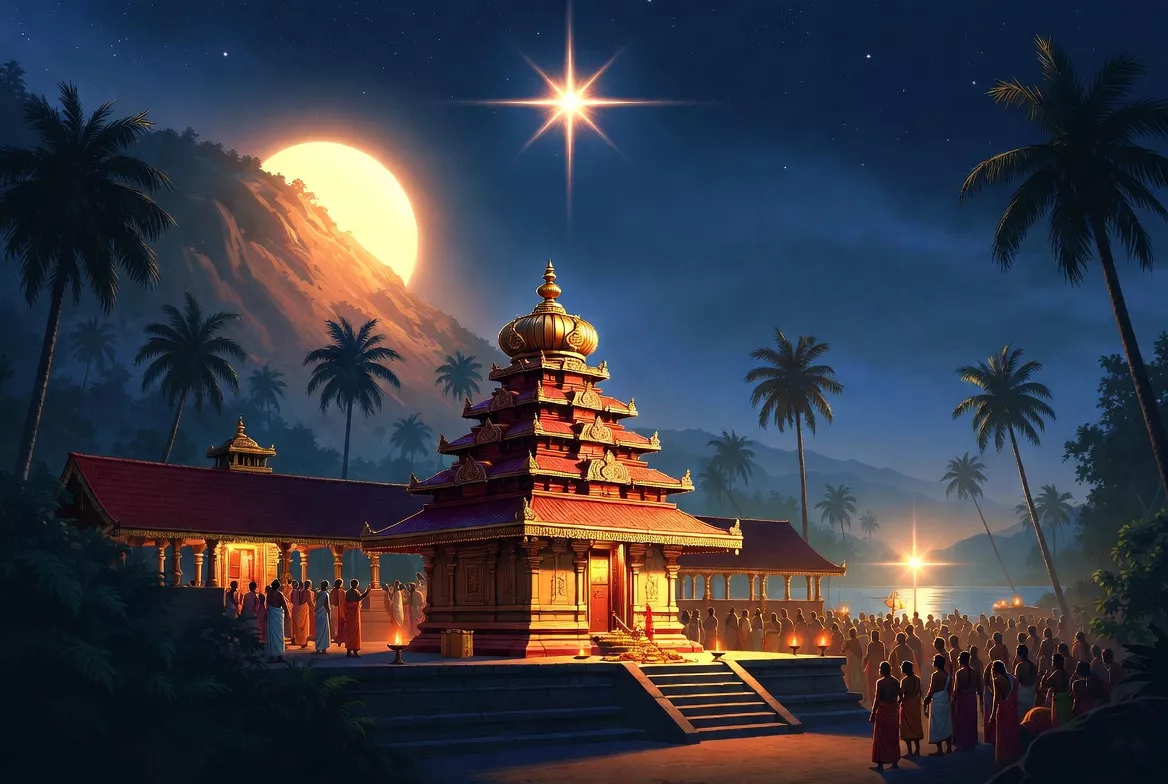
Makara Jyothi, also known as Makara Jyoti or Makaravilakku Jyothi, is one of the most sacred and awaited divine events in Hinduism, especially for devotees of Lord Ayyappa at the revered Sabarimala Temple in Kerala. This celestial phenomenon occurs annually on the day of Makara Sankranti, symbolizing divine blessings, spiritual fulfillment, and the culmination of the rigorous Mandala pilgrimage season.
Makara Jyothi 2026 Date and Time
In 2026, Makara Jyothi darshan will take place on Wednesday, January 14, 2026. This date coincides with Makara Sankranti and marks the grand finale of the Sabarimala Mandala-Makaravilakku season.
- Makara Vilakku / Makara Sankranti Moment: 3:13 PM IST
- Makara Jyothi Darshan Time: Approximately between 6:30 PM and 6:45 PM IST (evening, after sunset). The sacred light typically appears three times, filling the hearts of lakhs of devotees with devotion and chants of "Swamiye Saranam Ayyappa."
The exact visibility depends on weather conditions, but devotees gather from early afternoon at various viewpoints around Sabarimala to witness this miraculous event.
What is Makara Jyothi and Makaravilakku?
Makara Jyothi refers to the divine celestial light (often associated with a bright star like Sirius) that appears in the eastern sky on Makara Sankranti, believed to represent Lord Ayyappa's divine presence and blessings.
Makara Vilakku is the sacred flame lit thrice on the hilltop at Ponnambalamedu (about 4 km from Sabarimala), symbolizing the victory of good over evil and the eternal light of dharma.
Together, they form the highlight of the Makaravilakku festival, drawing millions of pilgrims who complete their 41-day vrat (austerity period) to seek darshan.
Significance of Makara Jyothi Darshan
Witnessing Makara Jyothi is considered the spiritual climax of the Sabarimala pilgrimage. Devotees undertake the 41-day Mandala Kalam vratham—observing celibacy, sattvic diet, wearing black/blue clothes, and chanting mantras—to purify body, mind, and soul. The darshan brings immense peace, fulfillment, and Lord Ayyappa's grace.
This event also aligns with the cosmic transition of the Sun into Capricorn (Makara Rasi), signifying new beginnings, prosperity, and spiritual elevation.
How to Witness Makara Jyothi Darshan in 2026
Pilgrims can view the sacred light from key locations around Sabarimala, including:
- Sannidhanam (temple premises)
- Pampa
- Sabari Peedam
- Appachimedu
- Other hill viewpoints
Due to massive crowds, authorities implement crowd control, special passes, and security measures. Virtual darshan and live telecasts are available on channels like DD Malayalam, Asianet, and official platforms for those unable to visit physically.
Tips for Devotees Planning Sabarimala Visit in 2026
- Complete the 41-day vratham strictly.
- Book virtual queue for darshan via the official Sabarimala portal.
- Carry essentials like Irumudi Kettu and follow temple guidelines.
- Stay updated on travel restrictions and weather.
Makara Jyothi 2026 promises to be a profoundly divine experience for all Ayyappa bhaktas. Whether you're trekking to Sabarimala or watching from afar, may Lord Ayyappa shower his blessings upon you!
Swamiye Saranam Ayyappa! For the latest updates, visit the official Travancore Devaswom Board website or trusted sources.
For More Devotional Journey, Follow
- Temples
/temples/ - Tirumala Updates
/tirumala/ - Sabarimala Yatra
/category/sabarimala-yatra/ - Pooja, Slokas & Mantras
/pooja-slokas-and-mantras/ - Hindu Gods
/hindu-gods/
What is the Mythological Origin of Makara Jyothi in Ayyappa Tradition?
The theological foundation of Makara Jyothi rests on the Ayyappa Mahatmyam and the narrative preserved in the Bhoothanatha Gatha, a Malayalam devotional text. According to this tradition, Lord Ayyappa — born of the union of Shiva and Mohini (Vishnu's feminine form) — defeated the demoness Mahishi and then retreated to the Sabarimala hills for eternal tapas. The celestial light appearing on Makara Sankranti is understood by devotees as Ayyappa himself illuminating his abode as a sign of his continued divine presence.
The Skanda Purana's Sahyadri Khanda references the Sabarigiri kshetra as a place of extraordinary spiritual potency. The Makara Rashi (Capricorn) holds special significance in Vedic astrology — Makara Sankranti marks the Sun's northward transit (Uttarayana), considered the most auspicious half of the solar year, when the cosmic conditions align for heightened spiritual receptivity. It is within this sacred astronomical window that the Jyothi is believed to manifest, making it not merely a festival but a confluence of celestial time and divine grace.
Who Lights the Makaravilakku Flame at Ponnambalamedu and How?
The Makaravilakku flame is lit atop Ponnambalamedu hill, situated approximately four kilometres northeast of the Sabarimala Sannidhanam. This ritual has historically been performed by the hereditary tribal community known as the Mala Araya (or Malai Arayan) people, who are considered the original custodians of the Sabarigiri forest. Members of this community carry the sacred flame using a traditional torch called the 'Vilakku,' kindled with camphor and forest herbs, and wave it three times at the summit at the appointed moment.
The Kerala Devaswom Board, which administers the Travancore Devaswom Board's oversight of Sabarimala Temple, coordinates the logistical and ritual aspects of the ceremony in collaboration with the Mala Araya representatives. The three-time waving of the flame corresponds to a tri-kala symbolism — past, present, and future — reinforcing the idea that Lord Ayyappa's grace is timeless. Devotees watching from the Sannidhanam and the surrounding Neelimala and Appachimedu viewpoints witness the flame appear as a distant glowing point against the darkened hillside sky.
What is the Mandala Kalam Vratham and Why Must Pilgrims Complete It Before Makaravilakku?
The Mandala Kalam refers to a 41-day period of strict austerity (vratham) that Ayyappa devotees observe before undertaking the Sabarimala pilgrimage. The number 41 corresponds to the 41 steps — the Pathinettam Padi — that lead to the Sabarimala sanctum, each step representing a specific spiritual virtue to be cultivated. During this period, devotees wear the Tulasi or Rudraksha mala, dress in black or blue clothing, maintain celibacy and vegetarianism, and refrain from alcohol, meat, and worldly entertainments.
This systematic purification is rooted in the concept of Sharira Shuddhi (body purification) and Chitta Shuddhi (mind purification) described broadly in the Yoga Sutras of Patanjali and echoed in Shaiva Agama texts. A devotee who has completed the Mandala vratham is addressed as 'Ayyappan' by fellow pilgrims, a title signifying that they have temporarily merged their identity with the deity. Reaching Sabarimala on Makaravilakku day after completing this 41-day vow is considered the fullest expression of Sharanagati (surrender) to Lord Ayyappa.
Which Are the Key Pilgrimage Routes and Viewpoints for Witnessing Makara Jyothi in 2026?
Devotees travelling to Sabarimala for the 2026 Makaravilakku darshan typically access the shrine via two main trekking routes — the traditional Erumeli-Pamba forest route stretching approximately 61 kilometres, and the shorter Pamba base-camp route of about five kilometres ascending to the Sannidhanam. The Erumeli route holds special ritual importance: pilgrims perform the Petta Thullal at Erumeli before commencing the forest trek, enacting a symbolic re-enactment of Ayyappa's victorious return after slaying Mahishi.
For witnessing the Makara Jyothi itself, the best natural vantage points are the Sannidhanam main courtyard, the Neelimala hillock, and the Appachimedu clearing, all of which provide a direct sightline toward Ponnambalamedu. Devotees who cannot physically reach Sabarimala can watch the live telecast broadcast by Kerala's DD Malayaalam and Asianet channels, which the Kerala government has facilitated for decades. Authorities typically deploy additional personnel and crowd management systems from January 12 onward given the expected influx of several hundred thousand pilgrims for the 2026 season.
What Prasadams and Rituals Are Performed During the Makaravilakku Festival?
The Makaravilakku festival at Sabarimala is accompanied by the distribution of the famous Aravana Payasam, a sweet rice pudding prepared in huge copper vessels (uruli) within the temple precincts using jaggery, ghee, coconut milk, and cardamom. This prasadam is considered especially potent during the Makaravilakku season because it is prepared after the Makaravilakku puja, thereby receiving the blessings associated with the celestial light. Pilgrims also receive Appam (a lentil-based deep-fried offering) as a secondary prasadam.
On the day of Makara Jyothi itself, the Tantri (hereditary chief priest) of Sabarimala — from the Tarananallur Tantri family lineage — performs an elaborate sequence of pujas beginning with Nirmalya Darshan before dawn, progressing through Usha Puja, Ethireti Puja, and Ucha Puja at midday, and culminating in the Deeparadhana at dusk just before the Jyothi is sighted. The Deeparadhana involves waving the sacred lamp (deepa) in front of the Ayyappa idol in a clockwise motion accompanied by the chanting of the Ayyappa Ashtakam and blowing of the sacred conch (Shankha).
How Should First-Time Pilgrims Prepare Practically for Sabarimala Makaravilakku 2026?
First-time pilgrims should initiate the Deeksha (initiation into the 41-day vow) under a Guruswami — an experienced devotee who acts as spiritual guide — ideally 41 days before January 14, 2026, which means beginning the vow around December 4, 2025. Virtual queue booking through the official Sabarimala Virtual Queue portal (operated by the Kerala government) is mandatory for all pilgrims and slots are typically released in phases; early registration is essential given the high demand during Makaravilakku dates.
Physically, pilgrims should prepare for the steep five-kilometre climb from Pamba base camp by building cardiorespiratory endurance several weeks in advance. Essential items include the Irumudikettu — the sacred double-compartment bag carried on the head, containing coconut filled with ghee for the Lord in the front pouch and personal provisions in the rear — without which entry to the 18 sacred steps (Pathinettam Padi) is not permitted. Medical check-up, proper footwear suited for rocky forest terrain, and staying updated on Kerala Police and Travancore Devaswom Board notifications for crowd advisories are strongly recommended before undertaking the pilgrimage.
Frequently Asked Questions
What is Makara Jyothi Darshan Date and Time at Sabarimala?
Makara Jyothi 2026 Darshan Date and Time at Sabarimala : Complete Guide to Makaravilakku Festival Makara Jyothi, also known as Makara Jyoti or Makaravilakku Jyothi, is one of the most sacred and awaited divine events in Hinduism, especially for devotees of Lord Ayyappa at the revered Sabarimala Temple in Kerala. This celestial phenomenon occurs annually on t
What are the key points about Makara Jyothi Darshan Date and Time at Sabarimala?
Makara Jyothi 2026 Date and Time In 2026, Makara Jyothi darshan will take place on Wednesday, January 14, 2026 . This date coincides with Makara Sankranti and marks the grand finale of the Sabarimala Mandala-Makaravilakku season.
Why does Makara Jyothi Darshan Date and Time at Sabarimala matter in Hinduism?
It reflects core values of Sanatana Dharma and offers practical and spiritual guidance that remains relevant across generations.
How can devotees apply Makara Jyothi Darshan Date and Time at Sabarimala in daily life?
By reflecting on its teaching, incorporating the related practices or observances into daily routine, and approaching it with sincere devotion and understanding.
You might also like
Gita Jayanti 2026 Prasad Recipes — Tulsi-Honoring Sweets, Krishna's Favourites & December 10 Bhog Plate
Maha Shivratri 2026 Vrat Recipes — Sabudana Khichdi, Singhada Halwa, Phalahara Foods Complete Fasting Guide
Karthika Masam 2026 — Start Date (October 17), End Date (November 15), Karthika Deepam, Karthika Somavar & Complete Festival Guide