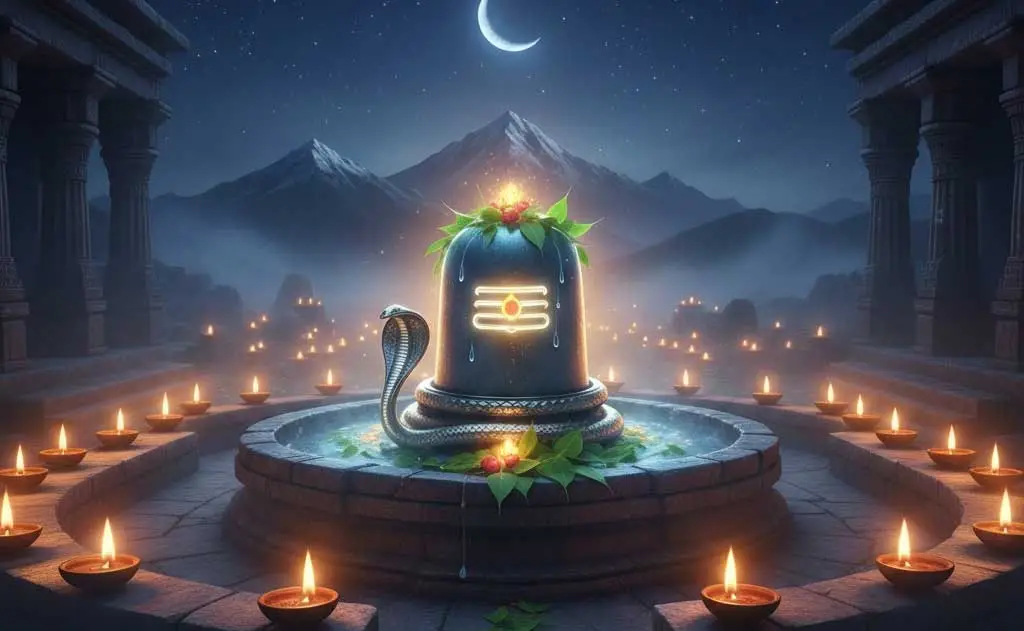
Why Hindus Celebrate Festivals with Purity & Devotion
Why Hindus Celebrate Festivals with Purity & Devotion: Lessons from Bhagavad Gita for Modern Life in 2026 In the eternal rhythm of Sanatana Dharma, festivals…

Why Hindus Celebrate Festivals with Purity & Devotion: Lessons from Bhagavad Gita for Modern Life in 2026 In the eternal rhythm of Sanatana Dharma, festivals…
Why Hindus Celebrate Festivals with Purity & Devotion: Lessons from Bhagavad Gita for Modern Life in 2026
In the eternal rhythm of Sanatana Dharma, festivals are not mere celebrations but sacred portals that connect the finite soul to the infinite Divine. They are moments of profound renewal, where devotees cleanse the body, mind, and heart to receive divine grace. Hindus observe festivals with purity (shaucha) and devotion (bhakti) because these practices align the individual with cosmic harmony, purify accumulated karma, and foster unwavering love for the Supreme. As Lord Krishna teaches in the Bhagavad Gita, true worship transcends elaborate rituals; it is the purity of intention and heartfelt devotion that pleases the Divine.
In 2026, amid fast-paced modern life—filled with digital distractions, professional pressures, and global uncertainties—these timeless principles from the Gita offer practical guidance. Festivals like Maha Shivratri (February 15), Holi (March 4), and Diwali (November 8) become opportunities to pause, reflect, and realign with dharma. This article explores why Hindus emphasize purity and devotion during festivals, drawing directly from key Bhagavad Gita verses, and applies these lessons to contemporary living for inner peace, resilience, and spiritual growth.
The Essence of Purity and Devotion in Hindu Festivals
Hindu festivals are utsavas—occasions that "lift higher" the spirit. Rooted in Vedic traditions and Puranic narratives, they mark cosmic events, divine incarnations, or seasonal transitions. Purity prepares the vessel (body and mind) to hold divine energy, while devotion infuses every act with love, transforming routine into worship.
Shaucha (purity) includes external cleanliness—bathing, wearing fresh clothes, decorating homes—and internal purity—freeing the mind from envy, anger, and ego. Bhakti elevates these acts beyond mechanics, making them offerings to God.
The Bhagavad Gita synthesizes these ideals, teaching that festivals and rituals are expressions of bhakti yoga (path of devotion), karma yoga (selfless action), and jnana yoga (knowledge). Krishna emphasizes that sincere devotion makes even simple acts sacred.
Key Bhagavad Gita Verses on Purity and Devotion
The Gita provides profound insights into why purity and devotion are central to worship, applicable to festival observances.
Bhagavad Gita 9.26: The Power of Devotion in Offerings
patraṁ puṣpaṁ phalaṁ toyaṁ yo me bhaktyā prayacchati tad ahaṁ bhakty-upahṛtam aśnāmi prayatātmanaḥ
Lord Krishna declares: "If one offers Me with devotion a leaf, a flower, a fruit, or water, I accept that offering of love from one who is pure in heart (prayatātmanaḥ)."
This verse is foundational for festival worship. During Diwali, devotees offer lamps and sweets; on Ganesh Chaturthi, modak; on Navratri, flowers to Durga. Krishna assures that the Divine accepts humble offerings when made with pure devotion, not grandeur. In modern 2026 life, this teaches that busy professionals can light a simple diya at home or offer a heartfelt prayer during Holi—sincerity matters more than extravagance.
Purity here (prayatātmanaḥ) means a heart free from selfish motives, focused solely on love for God.
Bhagavad Gita 12.7: Exclusive Devotion as the Swift Path
teṣāṁ ahaṁ samuddhartā mṛtyu-saṁsāra-sāgarāt bhavāmi na cirāt pārtha mayy āveśita-cetasām
"To those who are constantly devoted and who worship Me with love, I give the understanding by which they can come to Me swiftly."
In festivals, constant remembrance (through fasting, chanting, and puja) fixes the mind on God. Krishna promises swift liberation from the cycle of birth and death for such devotees. In 2026, amid mental health challenges, festival vrats cultivate focus and resilience.
Bhagavad Gita 12.13-14: Qualities of the Dear Devotee
adveṣṭā sarva-bhūtānāṁ maitraḥ karuṇa eva ca nirmamo nirahaṅkāraḥ sama-duḥkha-sukhaḥ kṣamī santuṣṭaḥ satataṁ yogī yatātmā dṛḍha-niścayaḥ mayy arpita-mano-buddhir yo mad-bhaktaḥ sa me priyaḥ
"One who is not envious but a kind friend to all, without false ego, equipoised in happiness and distress, forgiving, content, self-controlled, and devoted to Me with firm determination—such a devotee is very dear to Me."
Festival observances cultivate these qualities: forgiveness during Holi, contentment in simple offerings, self-control in fasting. In modern contexts, these foster empathy in diverse workplaces and families.
Bhagavad Gita 16.1-3: Divine Qualities Including Purity
Krishna lists fearlessness, purity of heart (śaucam), steadfastness in knowledge and yoga, charity, self-control, and devotion (bhakti) as divine qualities.
Festival purity—ritual baths, sattvic food—aligns with this śaucam, purifying for divine connection.
Bhagavad Gita 18.66: Ultimate Surrender
sarva-dharmān parityajya mām ekaṁ śaraṇaṁ vraja ahaṁ tvā sarva-pāpebhyo mokṣayiṣyāmi mā śucaḥ
"Abandon all varieties of dharma and just surrender unto Me. I shall deliver you from all sinful reactions. Do not fear."
Festivals culminate in surrender—offering actions and fruits to God—leading to freedom from anxiety.
Why Purity is Essential in Festival Celebrations
Purity removes obstacles to divine grace. External purity (bathing, clean altars) supports internal purity (sattvic mind). The Gita (17.8-10) describes sattvic food as promoting life, purity, and strength—festival feasts emphasize this.
In 2026, purity counters pollution (physical and mental from screens/stress). Festival fasting detoxifies, fostering clarity.
Devotion (Bhakti) as the Heart of Festivals
Bhakti transforms rituals into loving exchanges. Krishna prefers love over rituals (9.26). Festivals like Janmashtami or Shivratri emphasize bhajans, kirtans, and midnight vigils—expressions of devotion.
In modern life, devotion offers emotional anchor—festivals provide community, reducing isolation.
Applying Gita Lessons to Modern Life in 2026
In a world of AI, remote work, and global challenges, Gita teachings make festivals relevant:
- Stress Management: Devotion during festivals builds equanimity (12.13-14).
- Work-Life Balance: Offer daily actions as worship (karma yoga infused with bhakti).
- Family Bonding: Celebrate with purity—eco-friendly Holi, simple Diwali—to teach values.
- Mental Health: Recite verses or chant for focus amid distractions.
- Sustainability: Purity extends to environment—natural colors, minimal waste.
Practical Guide for 2026 Festivals:
- Preparation: Clean home/heart; resolve purity.
- Daily Practice: Morning prayer, Gita reading.
- Festival Day: Fast/devote; offer simple items with love.
- Reflection: Journal gratitude; share with family.
- Year-Round: Infuse devotion into routines.
Festivals with purity and devotion, guided by the Gita, lead to inner joy and liberation. In 2026, may these practices bring peace and divine connection.
Hari Om Tat Sat.
For More Devotional Journey, Follow
- Temples
/temples/ - Tirumala Updates
/tirumala/ - Sabarimala Yatra
/category/sabarimala-yatra/ - Pooja, Slokas & Mantras
/pooja-slokas-and-mantras/ - Hindu Gods
/hindu-gods/
Frequently Asked Questions
What is Why Hindus Celebrate Festivals with Purity &?
Why Hindus Celebrate Festivals with Purity & Devotion: Lessons from Bhagavad Gita for Modern Life in 2026 In the eternal rhythm of Sanatana Dharma, festivals are not mere celebrations but sacred portals that connect the finite soul to the infinite Divine. They are moments of profound renewal, where devotees cleanse the body, mind, and heart to receive divine
What are the key points about Why Hindus Celebrate Festivals with Purity &?
Hindus observe festivals with purity (shaucha) and devotion (bhakti) because these practices align the individual with cosmic harmony, purify accumulated karma, and foster unwavering love for the Supreme. As Lord Krishna teaches in the Bhagavad Gita, true worship transcends elaborate rituals; it is the purity of intention and heartfelt de
Why does Why Hindus Celebrate Festivals with Purity & matter in Hinduism?
It reflects core values of Sanatana Dharma and offers practical and spiritual guidance that remains relevant across generations.
How can devotees apply Why Hindus Celebrate Festivals with Purity & in daily life?
By reflecting on its teaching, incorporating the related practices or observances into daily routine, and approaching it with sincere devotion and understanding.
You might also like

Pongal 2026: Complete Guide to Dates, Significance, and Celebrations
Gita Jayanti 2026 Prasad Recipes — Tulsi-Honoring Sweets, Krishna's Favourites & December 20 Bhog Plate
Shani Deva Temples Worldwide & Must-Performed Rituals — Complete Devotee's Guide