



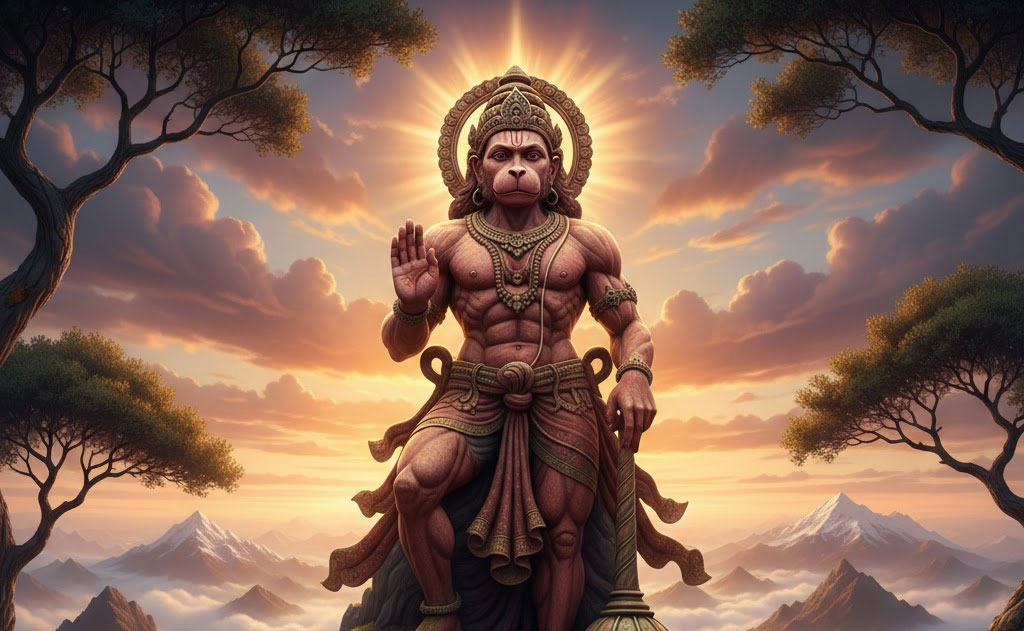

Karthika Masam and Vanabhojanalu – The Joy of Devotion in Nature
Introduction
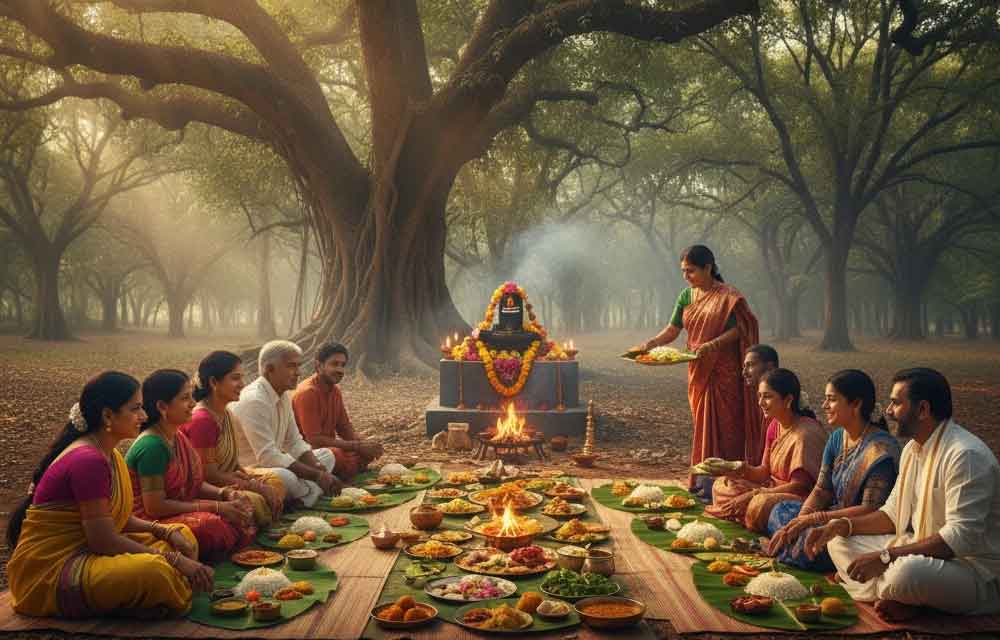
Karthika Masam, the eighth lunar month in the Hindu calendar (October-November), holds a sacred place in Hindu tradition as one of the most auspicious months for spiritual practices and devotion. During this blessed period, devotees across India engage in various religious observances, with one of the most cherished traditions being Vanabhojanalu – literally meaning “meals in the forest” or outdoor community feasts that blend devotion with the beauty of nature.
The Significance of Karthika Masam
Karthika Masam is dedicated to Lord Shiva and Lord Vishnu, with each day offering unique opportunities for spiritual growth and divine blessings. This month is mentioned extensively in Hindu scriptures, including the Skanda Purana and Padma Purana, which describe its spiritual significance.
Why Karthika Masam is Special
Connection to Lord Vishnu: According to Hindu mythology, Lord Vishnu awakens from his cosmic sleep (Yoga Nidra) during this month, making it an ideal time for worship and seeking divine grace.
Sacred to Lord Shiva: The month is particularly dear to Lord Shiva, and lighting lamps (deepa aradhana) during this period is believed to dispel darkness from one’s life, both literally and metaphorically.
Kartik Purnima: The full moon day of Karthika Masam is considered one of the holiest days in the Hindu calendar, when prayers and rituals are believed to yield manifold blessings.
Religious Observances During Karthika Masam
Daily Rituals and Practices
- Karthika Deepam: Lighting oil lamps, especially with ghee or sesame oil, is the hallmark practice of this month. Devotees light lamps at dawn near tulsi plants, at temples, and along riverbanks, symbolizing the dispelling of ignorance and the welcoming of divine light.
- Early Morning Bathing: Taking a holy bath before sunrise, preferably in sacred rivers or water bodies, is considered highly meritorious. Many devotees chant mantras while bathing to purify both body and mind.
- Tulsi Worship: The sacred tulsi (holy basil) plant is worshipped daily, with lamps lit around it, as this month marks the marriage season of Tulsi Devi with Lord Vishnu.
- Fasting and Vratams: Many devotees observe partial or complete fasts during this month, abstaining from certain foods or eating only once a day to enhance their spiritual practice.
- Temple Visits: Regular visits to Shiva and Vishnu temples, particularly for evening aartis, are common practices during Karthika Masam.
Vanabhojanalu: The Tradition Explained
Vanabhojanalu (also called Vanamahotsavam or Giri Pradakshina Bhojanalu) is a unique devotional practice that combines spirituality with community bonding and appreciation of nature. This tradition is especially popular in Andhra Pradesh, Telangana, and parts of Karnataka.
The Concept
The practice involves groups of devotees embarking on pilgrimages to nearby hills, forests, or sacred natural sites, where they prepare and share meals together in the open air. These outings typically occur after completing a Pradakshina (circumambulation) of sacred hills or visiting hilltop temples.
Historical and Spiritual Roots
The tradition has ancient roots in Hindu practice, where sages and pilgrims would undertake journeys to sacred sites, carrying simple provisions and cooking meals in nature as part of their spiritual discipline. This practice embodied:
- Detachment from worldly comforts: Leaving behind the comforts of home to embrace simplicity
- Unity with nature: Recognizing the divine presence in all of creation
- Community harmony: Breaking bread together, transcending social boundaries
- Gratitude: Offering thanks for nature’s bounty and divine blessings
How Vanabhojanalu is Celebrated Today
Planning and Preparation
Groups of families, friends, or community members organize Vanabhojanalu outings well in advance. The planning includes:
- Selecting the Destination: Popular choices include sacred hills with temples like Ananthagiri Hills, Yadagirigutta, Ahobilam, or local hillocks with religious significance.
- Food Preparation: Participants prepare traditional vegetarian dishes at home, including:
- Pulihora (tamarind rice)
- Curd rice
- Various vegetable curries
- Pappu (lentil preparations)
- Chutneys and pickles
- Traditional sweets like bobbatlu or laddu
- Fresh fruits
- Gathering Supplies: Devotees bring cooking vessels, firewood, mats to sit on, and serving utensils, ensuring minimal environmental impact.
The Day of Vanabhojanalu
Dawn Rituals: The day typically begins with early morning prayers and bathing, followed by lighting lamps at home.
Journey to the Sacred Site: Groups travel together, often singing devotional songs (bhajans) during the journey, creating an atmosphere of spiritual joy.
Pradakshina: Upon arrival, devotees perform circumambulation of the hill or temple, chanting mantras and prayers. This can range from a few kilometers to extensive treks, depending on the location.
Temple Darshan: After the pradakshina, the group visits the temple for darshan and offers prayers.
Preparing the Meal: In designated areas, families set up temporary cooking arrangements. Some dishes are prepared on-site, particularly those that need to be served hot. The cooking itself becomes a devotional act, with prayers offered before beginning.
Community Feast: Once all preparations are complete, the food is offered to God through prayer (naivedyam), then distributed as prasadam among all participants. Everyone sits together, regardless of social status, and shares the meal in a spirit of equality and devotion.
Fellowship and Bhajans: After the meal, groups engage in singing devotional songs, sharing spiritual discussions, and enjoying the natural surroundings.
Evening Return: As the day concludes, devotees clean the area thoroughly, ensuring no waste is left behind, before returning home with hearts full of devotion and memories.
The Spiritual Significance of Vanabhojanalu
Connection with Nature
Vanabhojanalu revives the Vedic understanding that nature itself is a manifestation of the divine. By conducting spiritual activities in natural settings, devotees:
- Experience the divine presence in creation
- Develop environmental consciousness
- Practice gratitude for natural resources
- Reconnect with simpler, more mindful living
Community Bonding
This tradition strengthens social fabric by:
- Bringing together people from various backgrounds
- Creating shared spiritual experiences
- Fostering cooperation and mutual support
- Building lasting friendships based on shared values
Simplicity and Detachment
The practice encourages:
- Letting go of material comforts temporarily
- Appreciating simple pleasures
- Reducing dependence on modern conveniences
- Developing contentment with basic necessities
Physical and Mental Well-being
The combination of trekking, fresh air, natural surroundings, and devotional activities provides:
- Physical exercise through hill climbing
- Mental peace through spiritual practices
- Stress relief from natural environments
- Joy from community participation
Regional Variations and Popular Destinations
Andhra Pradesh and Telangana
Ananthagiri Hills: Near Vikarabad, this location features ancient temples and is extremely popular for Vanabhojanalu during Karthika Masam.
Yadagirigutta: The hilltop temple of Lord Narasimha attracts thousands of devotees who perform pradakshina and participate in outdoor feasts.
Ahobilam: The nine temples of Lord Narasimha nestled in the Nallamala forests offer a spiritually enriching experience for Vanabhojanalu.
Simhachalam: Near Visakhapatnam, this temple on Kailasa Hill sees large gatherings during Karthika Masam.
Karnataka
Tirupati and surrounding hills: Though primarily in Andhra Pradesh, devotees from Karnataka also participate in Vanabhojanalu here.
Nandi Hills: Some groups conduct spiritual outings to this location during the auspicious month.
Tamil Nadu
Thiruvannamalai: During Karthika Deepam, devotees perform Girivalam (circumambulation of Arunachala Hill) and share community meals.
Modern Adaptations and Challenges
Evolving Traditions
While the core spiritual essence remains intact, Vanabhojanalu has adapted to modern times:
- Organized Tours: Many temples and spiritual organizations now coordinate Vanabhojanalu events with transportation and logistics
- Environmental Awareness: Greater emphasis on eco-friendly practices, using biodegradable materials, and leaving no trace
- Safety Measures: Better planning for safety, first aid, and accommodation for elderly and children
- Social Media: Groups share their experiences online, inspiring others to participate
Challenges
Overcrowding: Popular locations sometimes become overcrowded, impacting the serenity of the experience and the environment.
Environmental Impact: Increased footfall can lead to littering and environmental degradation if not managed properly.
Commercialization: Some locations have become commercialized, detracting from the tradition’s spiritual simplicity.
Time Constraints: Modern lifestyles make it difficult for many to dedicate entire days to such activities.
Guidelines for Meaningful Vanabhojanalu
For those wishing to participate in this beautiful tradition, here are some guidelines:
Before the Trip
- Plan with a small, manageable group to maintain the tradition’s intimate, spiritual quality
- Study the religious significance of your chosen destination
- Prepare food at home as far as possible to minimize on-site cooking
- Pack reusable plates, cups, and utensils
- Inform participants about the spiritual nature of the outing
During the Experience
- Maintain silence or chant during the pradakshina for a meditative experience
- Show respect for the natural environment – don’t pluck flowers or disturb wildlife
- Ensure all cooking and eating areas are left cleaner than you found them
- Share food generously with all participants and any other devotees present
- Engage in devotional singing and spiritual discussions
- Practice mindfulness while eating, treating the meal as prasadam
After the Journey
- Carry all waste back with you – leave no trace behind
- Reflect on the spiritual lessons learned
- Share your positive experiences to encourage others
- Consider making Vanabhojanalu a regular spiritual practice
The Deeper Philosophy
Vanabhojanalu embodies several profound philosophical concepts:
Prasadam Philosophy
The food prepared and shared during Vanabhojanalu is considered prasadam – God’s grace in material form. This transforms a simple meal into a sacred communion, reminding participants that all sustenance ultimately comes from the divine.
Equality and Unity
By sitting together and sharing food in nature’s lap, social barriers dissolve. This practice reflects the Vedantic principle that all beings are fundamentally one, expressions of the same divine consciousness.
Karma Yoga
The selfless preparation and serving of food to fellow devotees exemplifies Karma Yoga – the path of selfless action. Participants offer their efforts as worship, without attachment to results.
Bhakti (Devotion)
The entire experience is infused with bhakti – loving devotion to God. From the morning prayers to the evening songs, every moment becomes an offering of love to the divine.
Conclusion
Karthika Masam and the tradition of Vanabhojanalu represent a beautiful synthesis of spirituality, community, and nature appreciation. In our fast-paced modern world, this practice offers a valuable opportunity to slow down, reconnect with our spiritual roots, and experience the joy that comes from simple, devotional living.
The tradition reminds us that spirituality need not be confined to temple walls or formal rituals alone. The divine can be experienced in the rustling of leaves, the warmth of the sun, the companionship of fellow seekers, and the simple blessing of food shared with love.
As we navigate the complexities of contemporary life, the wisdom embedded in traditions like Vanabhojanalu becomes increasingly relevant. They teach us balance – honoring our spiritual aspirations while fulfilling our social responsibilities, pursuing material needs while not forgetting our higher purpose, and using technology while staying grounded in timeless values.
Whether you participate in Vanabhojanalu during this Karthika Masam or simply reflect on its deeper meanings, may this sacred tradition inspire you to find moments of devotion, simplicity, and joy in your spiritual journey. May the light of the Karthika deepam illuminate not just our homes, but also our hearts, guiding us toward greater wisdom, compassion, and divine love.
May the blessings of Karthika Masam bring light to all beings. Om Namah Shivaya. Om Namo Narayanaya.
Related posts:
 Karthika Masam 2025 Celebrations and Events in Australia
 Karthika Masam 2025: Complete Dates, Start & End Times, Events, and Hindu Calendar Details for Canadian Hindus
 Karthika Masam 2025: Powerful Mantras to Chant for Spiritual Growth and Prosperity
 Shiva Temples to Visit During Karthika Masam in Cambodia: Complete Guide for Hindu Pilgrims (2025)
 Top 10 Karthika Masam Temples in the USA You Must Visit
 Karthika Pournami 2025: The Full Moon’s Divine Glow in Karthika Masam 🌕



 ︎
︎

