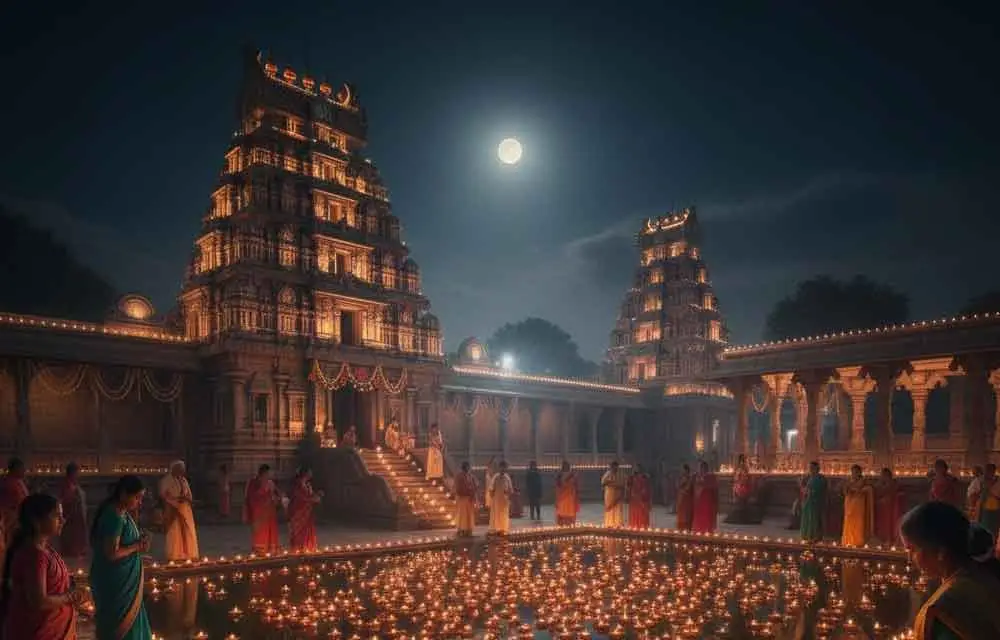
Karthika Masam 2025 Celebrations and Events in Australia
Overview Karthika Masam 2025 begins on Wednesday, October 22, 2025, and ends on Thursday, November 20, 2025, during the Telugu Year Viswavasu Nama Samvatsaram…

Overview Karthika Masam 2025 begins on Wednesday, October 22, 2025, and ends on Thursday, November 20, 2025, during the Telugu Year Viswavasu Nama Samvatsaram…
Overview
Karthika Masam 2025 begins on Wednesday, October 22, 2025, and ends on Thursday, November 20, 2025, during the Telugu Year Viswavasu Nama Samvatsaram (Shaka Samvatsaram 1947). This sacred month is one of the holiest periods in the Hindu calendar, dedicated to Lord Shiva, Lord Vishnu, and Lord Kartikeya.
Key Dates & Phases
Shukla Paksha (Bright Fortnight): October 22 to November 5, 2025
Krishna Paksha (Dark Fortnight): November 6 to November 20, 2025
Major Festivals During Karthika Masam 2025
October 2025:
- October 22 (Wednesday): Bali Pratipada, Govardhan Puja, Gujarati New Year (Vikram Samvat 2082 begins)
- October 23 (Thursday): Bhai Dooj (Bhau Beej/Bhaiya Dooj)
November 2025:
- November 1/2: Prabodhini Ekadasi (Kartik Ekadasi) – Tulsi Vivah Begins
- November 5: Kartika Purnima, with auspicious timing beginning at 10:36 PM on November 4 and continuing until 6:48 PM on November 5
Spiritual Practices & Rituals
Devotees observe various spiritual practices including lighting oil lamps at dawn and dusk (especially near Tulasi plants and temple entrances), Karthika Snanam (holy bath before sunrise, preferably in rivers or temple banks), and fasting practices such as Ekabhuktam (one meal a day) or Naktha Vratam (eating after sunset).
Important Observances:
- Karthika Somavara Vratham: Special vows observed on Mondays during this month
- Deepa Daanam: Donating ghee or oil lamps to temples or placing them around homes
- Tulasi Puja: Daily worship of the sacred basil plant
- Damodar Puja: Offering lamps and singing Damodarastakam to Lord Krishna
Australian Temple Celebrations
Melbourne - Hare Krishna Melbourne:
The temple observes Kartika month (also known as Damodara month) from Tuesday, October 7 to Wednesday, November 5, 2025, offering lamps at 7 am and 7 pm daily, where devotees gather to chant the glories of Lord Damodara.
Combined Diwali & Govardhan Puja Festival: Sunday, October 19, 2025, at the Timber Yard in Port Melbourne:
- 2:30 pm: Enlivening Kirtana
- 3:00 pm: Govardhana-puja, Circumambulating Giri-Govardhana's Hill of Sweets, Chanting
- 4:30 pm: Drama & Dance
- 6:30 pm: Offering of Lamps to the Deities
- All-day: Prasadam Stalls, Jumping Castle
Sydney - Sri Mandir Auburn:
Govardhan Pooja will be celebrated on Wednesday, October 22, 2025, from 6:00 pm to 9:00 pm at Sri Mandir, 286 Cumberland Road, Auburn NSW 2144.
Australia-wide Coordination:
The 2025 festival calendar is coordinated by the Australian Council of Hindu Clergy (ACHC) in collaboration with Hindu Organizations, Temples, and Associations (HOTA), with a Unified Lunar Month Panchang tailored to Australian Eastern Standard Time (AEST).
Spiritual Significance
This sacred month offers devotees an excellent opportunity to deepen their spiritual practice through vrathas, temple visits, lamp lighting, and holy baths, bringing divine blessings and spiritual growth. Important pujas include Karthika Snanam (Karthika Nadhi Snanam, Samudra Snanam), Karthika Maasa Vratham, Nakta Vratham, Kartika Deepadaana Vratham, Lakshavarthi Nomu, and Akashadeepa Vratham.
Additional Information
For location-specific panchang timings and detailed schedules, devotees are advised to check with their local Hindu temples or consult the Australian Council of Hindu Clergy's unified panchang, which provides accurate timing for all regions observing Australian Eastern Standard Time.
Why Is Karthika Masam Considered the Holiest Month in the Hindu Calendar?
Karthika Masam holds a singular position among the twelve lunar months because it is sanctified by the simultaneous grace of both Lord Shiva and Lord Vishnu — a rare theological confluence celebrated across Shaiva, Vaishnava, and Smarta traditions. The Skanda Purana explicitly declares: 'Kartikasamam maasam naasti' — there is no month equal to Karthika. It is the month in which Lord Vishnu wakes from His yogic slumber (Yoga Nidra) on Prabodhini Ekadasi, and Lord Shiva is said to be especially accessible to devotees who offer deepa (lamp) worship.
The month also carries the energy of Lord Kartikeya (Skanda / Murugan), the divine commander born to destroy the demon Tarakasura, whose birth is commemorated on Kartika Purnima. The Padma Purana declares that a single lamp lit during Karthika Masam bestows merit equal to performing a hundred Ashwamedha yajnas. This extraordinary claim underlines why Deepa Daanam — the gifting of lamps — is the central act of devotion throughout the month.
The Significance of Karthika Snanam: The Pre-Dawn Sacred Bath
Karthika Snanam, the ritual of bathing before sunrise — ideally in a river, sacred tank, or at the very least near a Tulasi plant with water — is prescribed in the Karthika Puranam as a daily vow for the entire month. The Brahma Purana specifies that bathing in a river during Karthika at the Brahma Muhurta (approximately 1.5 hours before sunrise) dissolves sins accumulated over seven lifetimes. In India, millions gather at the banks of the Godavari in Rajamahendravaram, the Krishna in Vijayawada, and the Ganga in Varanasi specifically for this purpose.
For devotees in Australia, the spirit of this practice is preserved by bathing early and offering prayers to the rising sun, followed by lighting a lamp before the Tulasi plant at home. Many Telugu and Kannada community groups across cities like Melbourne, Sydney, and Brisbane organise collective early-morning Karthika Snanam events at community halls or nearby waterways, maintaining the devotional atmosphere even when sacred rivers are not accessible.
Tulasi Vivah and Prabodhini Ekadasi: The Sacred Wedding That Opens the Auspicious Season
Prabodhini Ekadasi, falling on November 1–2, 2025, marks the moment Lord Vishnu awakens from His four-month Chaturmas sleep that began on Ashadha Shukla Ekadasi (Devshayani Ekadasi). The Vishnu Purana states that during Chaturmas, even auspicious activities like weddings and sacred thread ceremonies are suspended. With Prabodhini Ekadasi, the Chaturmas Vrata concludes and the wedding season — both human and divine — resumes. The marriage of Lord Vishnu (in the form of the Shaligrama stone) to Tulasi Devi is solemnised with full Vedic rites on this day in homes and temples worldwide.
The Tulasi plant itself is revered as a form of Mahalakshmi. The Garuda Purana declares that a home which has a Tulasi plant is free from the messengers of Yama (death) and is as sacred as a pilgrimage site. In Australian Hindu households, a Shaligrama or a small idol of Lord Vishnu is ceremonially 'married' to a decorated Tulasi plant with offerings of sugarcane, amla (gooseberry), and lit lamps — a practice that connects the diaspora directly to the living ritual traditions of Andhra Pradesh, Telangana, Karnataka, and Maharashtra.
Kartika Purnima 2025: Tripuri Purnima and the Festival of Lights on the Water
Kartika Purnima on November 5, 2025 is one of the most astronomically and spiritually significant full-moon nights in the Hindu calendar. It is called Tripuri Purnima because, according to the Shiva Purana, Lord Shiva destroyed the three demon cities (Tripura) of Tarakaksha, Vidyunmali, and Kamalaksha on this very night, earning the epithet Tripurantaka. In gratitude, the Devas lit lamps across the heavens — a cosmic act of Deepa Daanam that devotees re-enact each year by floating earthen lamps (diyas) on rivers, lakes, and ponds.
In South India, particularly at the famous Somashekhara Temple in Kolar and the Murugan temples of Tamil Nadu, Karthika Purnima is celebrated with towering lamp columns called Deepa Stambha. In Australia, some temples set floating lamps on water in community parks or temple ponds after the evening puja, creating a visually profound expression of gratitude to both Lord Shiva and Lord Kartikeya. The auspicious period on November 4–5, 2025 — Purnima tithi beginning at 10:36 PM on November 4 and lasting until 6:48 PM on November 5 — makes both evenings suitable for this observance.
Damodara Month Observance: The Vaishnava Dimension of Karthika
In the Vaishnava tradition, Karthika Masam is synonymous with Damodara Masam, named after the pastime in which Yashoda Mata bound the infant Krishna with a rope (dama) around His belly (udara) — a story narrated in the Srimad Bhagavatam (Canto 10, Chapter 9). The Hari Bhakti Vilasa, the Vaishnava liturgical manual compiled by Sanatana Gosvami, prescribes that devotees sing the Damodarastakam — eight Sanskrit verses composed by the sage Satyavrata Muni — every evening during the entire month while offering a lamp to the image of baby Damodara.
The Hare Krishna movement (ISKCON) globally observes this as a month-long festival of lamp-offering (deepa daanam) to Lord Damodara. At Hare Krishna Melbourne, lamps are offered at 7 AM and 7 PM daily throughout the month, and devotees collectively chant the Damodarastakam. This tradition creates a beautiful theological bridge: the same month that Shaivites associate with Shiva's grace and Tripurantaka lila, Vaishnavas experience as an intimate remembrance of Krishna's boundless playfulness and His surrender to the love of His mother.
How Australian Hindu Communities Adapt Karthika Masam Traditions Across Time Zones
One of the thoughtful adjustments Australian Hindu communities make is calculating Karthika Snanam timings according to local sunrise rather than India Standard Time. Temple committees in Sydney, Melbourne, Brisbane, Adelaide, and Perth typically publish monthly panchang calendars adapted to Australian Eastern, Central, and Western time zones, ensuring that Ekadasi fasting, Purnima observances, and Somavara Vratha (Monday vow) dates are correctly followed without confusion from the significant time difference with India.
Community organisations such as the Telugu Association of Melbourne, the Hindu Council of Australia, and various Balaji and Venkateswara temples across Australian cities organise Karthika Deepotsavam evenings that combine Vedic puja, Harikatha discourses, and collective Tulasi puja. These gatherings serve a dual purpose: sustaining devotional continuity for first-generation immigrants and introducing the next generation born in Australia to the experiential richness of Sanatana Dharma festivals beyond the more widely known Diwali celebrations.
Frequently Asked Questions
When is Karthika Masam Celebrations and Events in Australia?
Karthika Masam Celebrations and Events in Australia falls on October 22, 2025.
What is the significance of Karthika Masam Celebrations and Events in Australia?
Overview Karthika Masam 2025 begins on Wednesday, October 22, 2025, and ends on Thursday, November 20, 2025, during the Telugu Year Viswavasu Nama Samvatsaram (Shaka Samvatsaram 1947). This sacred month is one of the holiest periods in the Hindu calendar, dedicated to Lord Shiva , Lord Vishnu, and Lord Kartikeya.
How is Karthika Masam Celebrations and Events in Australia celebrated?
Devotees observe it with puja, fasting or special offerings, visiting temples, chanting mantras, and gathering with family. Customs vary by region and tradition.
What should devotees do on Karthika Masam Celebrations and Events in Australia?
Take a sacred bath, perform the day's puja and charity (dana), observe any prescribed fast, and chant mantras with sincere devotion.
You might also like
Shani Deva Temples Worldwide & Must-Performed Rituals — Complete Devotee's Guide
Gita Jayanti 2026 Prasad Recipes — Tulsi-Honoring Sweets, Krishna's Favourites & December 10 Bhog Plate
Maha Shivratri 2026 Vrat Recipes — Sabudana Khichdi, Singhada Halwa, Phalahara Foods Complete Fasting Guide