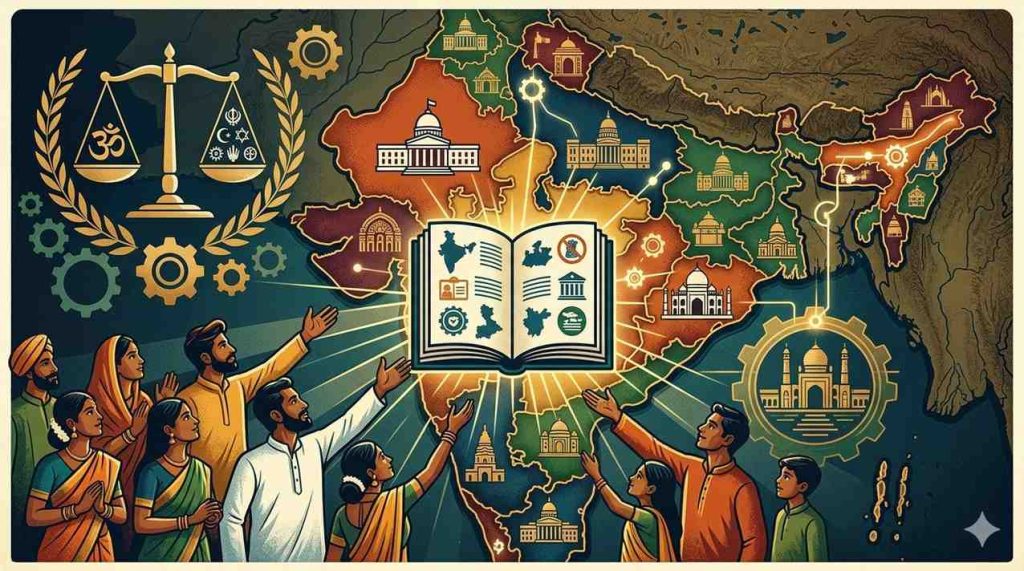
Navratri Aarti Lyrics in Hindi and English (2026)

नवरात्रि आरती संग्रह — हिंदी और अंग्रेज़ी
Complete devotional collection — Jai Ambe Gauri, Jai Adhya Shakti, Mahishasura Mardini Stotram & the sacred story of Nav Durga for Navratri 2026.
Source: www.hindutone.com
What is Navratri? | नवरात्रि का अर्थ और महत्व
Navratri (नवरात्रि) literally means “Nine Nights” — Nav (नव = nine) and Ratri (रात्रि = night). This sacred festival celebrates the divine feminine energy, Shakti, as manifested in the nine forms of Goddess Durga, collectively known as Nav Durga (नव दुर्गा).
Observed four times a year — with Shardiya Navratri (शारदीय नवरात्रि) in autumn being the most celebrated — this festival is a time for fasting, prayer, garba dance, and the chanting of aartis and stotrams. The tenth day, Vijayadashami (Dussehra), commemorates the victory of the Goddess over the demon Mahishasura.
Navratri 2026 dates: 21 September 2026 (Start) — 30 September 2026 (Vijayadashami). Each of the nine nights is dedicated to a specific form of Goddess Durga, and devotees perform aarti (आरती) morning and evening to invoke her divine blessings.
The Sacred Story of Goddess Durga | माँ दुर्गा की पावन कथा
The Origin of Shakti | शक्ति का उद्गम
In the beginning of all creation, the universe was in balance — the divine Trimurti of Brahma (the Creator), Vishnu (the Preserver), and Mahesh (the Destroyer) maintained cosmic order. But a great darkness arose in the form of the demon king Mahishasura (महिषासुर). Through extreme penance, he had obtained a boon from Lord Brahma that no man, no god, and no being born of man could ever slay him. With this invincibility, Mahishasura unleashed terror upon the three worlds — Swarga (heaven), Prithvi (earth), and Patala (the netherworld).
The gods, defeated and driven from their heavenly abode, approached Lord Brahma, who led them all to Lord Vishnu and Lord Shiva. As the story of the demon’s terror was told, a divine fury arose in the hearts of the three great gods. From their combined divine radiance, a blazing light emerged — so brilliant that it illuminated all creation. This sacred light took the form of a supremely beautiful and all-powerful goddess: Maa Durga (माँ दुर्गा), also called Shakti, Bhavani, Chandika, and Adi Parashakti.
The Birth of the Goddess | देवी का प्रादुर्भाव
Each god contributed his divine power and weapons to Maa Durga. Lord Shiva gave his trident (Trishul), Lord Vishnu his Sudarshana Chakra, Lord Indra his thunderbolt Vajra, Lord Yama his staff, Lord Varuna his conch and noose, Lord Agni his spear, and so on. The Himalayas gifted her a lion as her divine vahana (vehicle).
Thus adorned with ten arms, each holding a divine weapon, and seated upon a majestic lion, the goddess shone with the brilliance of a thousand suns. Her roar echoed through the cosmos, shaking the mountains and the seas.
The demon Mahishasura sent his armies. One by one, his great demon generals — Chikshura, Chamara, and Vidalaksha — were slain by the goddess. Each time Mahishasura changed his form to escape her — taking the shape of a buffalo, a lion, a man, and an elephant — but Maa Durga countered every form and finally pierced his chest with her trident, ending his tyranny forever.
The Nine Nights of Victory | नौ दिन का महायुद्ध और विजय
According to the Devi Mahatmyam (also known as the Durga Saptashati or Chandi Path), the battle between the goddess and Mahishasura raged for nine days and nine nights. On each night, the goddess manifested in a different form — each form representing a unique divine quality needed to overcome a specific evil. These nine forms are collectively revered as the Nav Durga.
On the tenth day — Vijayadashami (Victory Tenth) — Maa Durga emerged victorious, slaying Mahishasura and restoring peace, dharma, and light to the universe. The gods rejoiced, flowers rained from heaven, and divine music filled the cosmos.
This victory symbolizes the eternal triumph of light over darkness, knowledge over ignorance, and good over evil. Since that primordial day, devotees across the world worship the goddess during Navratri, chanting her aartis, reciting her stories, and seeking her blessings for strength, courage, and divine grace.
Nav Durga — The Nine Sacred Forms | नव दुर्गा — नौ दिव्य स्वरूप
| Day | Form (English) | नाम (हिंदी) | Color | Significance |
|---|---|---|---|---|
| Day 1 | Shailputri | शैलपुत्री | Yellow / पीला | Daughter of the Mountain King; rides Nandi the bull; represents rootedness and nature’s power. |
| Day 2 | Brahmacharini | ब्रह्मचारिणी | Green / हरा | The ascetic form; performed intense penance to win Lord Shiva; carries rosary and water pot. |
| Day 3 | Chandraghanta | चंद्रघंटा | Grey / धूसर | Adorned with a crescent moon bell; rides a tiger; her bell-sound destroys all evil spirits. |
| Day 4 | Kushmanda | कूष्माण्डा | Orange / नारंगी | Creator of the cosmic egg (Brahmanda); radiates solar energy; worshipped for health and vigor. |
| Day 5 | Skandamata | स्कन्दमाता | White / सफ़ेद | Mother of war-god Kartikeya; sits on a lotus throne; symbolizes maternal love and purity. |
| Day 6 | Katyayani | कात्यायनी | Red / लाल | Warrior form born to sage Katyayana; rides a lion; goddess of bravery and righteous wrath. |
| Day 7 | Kalaratri | कालरात्रि | Royal Blue / नीला | The fierce, dark form who destroys all evil and ignorance; bestows fearlessness and liberation. |
| Day 8 | Mahagauri | महागौरी | Pink / गुलाबी | Pure white supremely beautiful form; symbolizes purity, peace, and fulfillment of desires. |
| Day 9 | Siddhidatri | सिद्धिदात्री | Purple / बैंगनी | Bestower of all supernatural powers (Siddhis); worshipped even by Lord Shiva for perfection. |
Jai Ambe Gauri — Main Navratri Aarti
जय अम्बे गौरी — मुख्य आरती
॥ Chorus — मुखड़ा ॥
| Hindi (हिंदी) | English Translation |
|---|---|
| जय अम्बे गौरी, मैया जय श्यामा गौरी। | Victory to you, O Ambe Gauri, glory to Shyama Gauri! |
| तुमको निशदिन ध्यावत, हरि ब्रह्मा शिवरी॥ | Hari, Brahma and Shiva meditate upon you day and night. |
॥ Verse 1 ॥
| Hindi (हिंदी) | English Translation |
|---|---|
| माँग सिंदूर विराजत, टीको मृगमद को। | Vermillion adorns your parting, musk marks your brow, |
| उज्ज्वल से दोउ नैना, चन्द्रवदन नीको॥ | Lustrous are both your eyes, your moon-like face so beautiful. |
॥ Verse 2 ॥
| Hindi (हिंदी) | English Translation |
|---|---|
| कनक समान कलेवर, रक्ताम्बर राजे। | Your golden form glows, draped in crimson garments, |
| रक्तपुष्प गल माला, कंठन पर साजे॥ | A garland of red flowers adorns your graceful neck. |
॥ Verse 3 ॥
| Hindi (हिंदी) | English Translation |
|---|---|
| केहरि वाहन राजत, खड्ग खप्परधारी। | Riding the lion, bearing sword and skull-cup, |
| सुर-नर-मुनि-जन सेवत, तिनके दुखहारी॥ | Gods, men and sages serve you — remover of all sorrows. |
॥ Verse 4 ॥
| Hindi (हिंदी) | English Translation |
|---|---|
| कानन कुंडल शोभित, नासाग्रे मोती। | Beautiful earrings grace your ears, a pearl adorns your nose-tip, |
| कोटिक चंद्र दिवाकर, राजत सम ज्योती॥ | You radiate the brilliance of millions of suns and moons. |
॥ Verse 5 ॥
| Hindi (हिंदी) | English Translation |
|---|---|
| शुम्भ-निशुम्भ बिदारे, महिषासुर घाती। | Slayer of Shumbha-Nishumbha and destroyer of Mahishasura, |
| धूम्र विलोचन नैना, निशिदिन मदमाती॥ | You crushed the smoke-eyed demon, and are ever blissfully radiant. |
॥ Verse 6 ॥
| Hindi (हिंदी) | English Translation |
|---|---|
| चण्ड-मुण्ड संहारे, शोणित बीज हरे। | You vanquished Chanda and Munda, destroyed Raktabija, |
| मधु-कैटभ दोउ मारे, सुर भयहीन करे॥ | Slaying Madhu and Kaitabha, you freed the gods from all fear. |
॥ Verse 7 ॥
| Hindi (हिंदी) | English Translation |
|---|---|
| ब्रह्माणी, रुद्राणी, तुम कमला रानी। | You are Brahmaani, Rudraani, and the queen Kamala, |
| आगम-निगम-बखानी, तुम शिव पटरानी॥ | Praised by all scriptures — you are Shiva’s own consort. |
॥ Verse 8 ॥
| Hindi (हिंदी) | English Translation |
|---|---|
| चौंसठ योगिनी मंगल गावत, नृत्य करत भैरू। | Sixty-four Yoginis chant auspicious hymns, Bhairava dances in joy, |
| बाजत ताल मृदंगा, अरु बाजत डमरू॥ | Cymbals, mridangas and damarus resound in divine harmony. |
॥ Closing Prayer — समापन ॥
| Hindi (हिंदी) | English Translation |
|---|---|
| जो भी ध्यान लगावे, मन में श्रद्धा धारे। | Whosoever meditates with sincere devotion and heartfelt faith, |
| माँ अम्बे की कृपा से, सब दुख दूर हों सारे॥ | By the grace of Maa Ambe, may all their sorrows be dispelled. |
Jai Adhya Shakti — Gujarati Navratri Aarti
जय आद्य शक्ति — आरती
॥ Chorus — मुखड़ा ॥
| Hindi (हिंदी) | English Translation |
|---|---|
| जय आद्य शक्ति, माँ जय आद्य शक्ति। | Victory to the Primordial Power, O Mother, glory to you! |
| अखंडा ब्रह्माण्ड दीपक ज्योत जगत॥ | Your eternal flame illuminates the entire unbroken cosmos. |
॥ Verse 1 ॥
| Hindi (हिंदी) | English Translation |
|---|---|
| एकवीरा, त्रिपुरा, महिषासुर मर्दिनी। | O lone warrior, O Tripura, O slayer of Mahishasura, |
| सिंहवाहिनी, भवानी, जगत जननी माँ॥ | Lion-rider, Bhavani — you are the mother of all creation. |
॥ Verse 2 ॥
| Hindi (हिंदी) | English Translation |
|---|---|
| अष्टभुजा महालक्ष्मी, सरस्वती माता। | Eight-armed Mahalakshmi, O Mother Saraswati, |
| ब्रह्मा विष्णु महेश की, तुम ही विधाता॥ | You are the supreme creator of Brahma, Vishnu, and Mahesh. |
॥ Verse 3 ॥
| Hindi (हिंदी) | English Translation |
|---|---|
| तुम बिन जगत अंधेरा, तुम ही आलोक दाता। | Without you the world is dark — you alone bestow divine light, |
| चरणों में शरण दे दो, माँ जगत की त्राता॥ | Grant shelter at your feet, O Mother, protector of the world. |
Mahishasura Mardini Stotram — Sacred Shlokas
महिषासुर मर्दिनी स्तोत्रम् — शुभ श्लोक
The Mahishasura Mardini Stotram is one of the most beloved Sanskrit hymns composed in praise of Goddess Durga. Attributed to Adi Shankaracharya, each verse is set to a rhythmic, melodious meter that evokes the thundering gallop of the Goddess’s lion as she charges into battle.
॥ Shloka 1 ॥
अयि गिरिनन्दिनि नन्दितमेदिनि विश्वविनोदिनि नन्दनुते। गिरिवरविन्ध्यशिरोऽधिनिवासिनि विष्णुविलासिनि जिष्णुनुते॥
Meaning: O daughter of the mountain king, who brings joy to the earth, who delights the universe, who is praised by Nanda — You who dwell atop the great Vindhya mountain, who are the divine play of Vishnu and praised by the victorious Indra.
॥ Shloka 2 — Refrain (ध्रुवपद) ॥
जय जय हे महिषासुरमर्दिनि रम्यकपर्दिनि शैलसुते॥
Meaning: Victory, victory to you — O destroyer of Mahishasura, O gracefully-matted one, O daughter of the mountain!
Navratri 2026 — Aarti Muhurta & Timing
आरती का शुभ समय — 2026
| Aarti | Time | Notes |
|---|---|---|
| Pratah Aarti (प्रातः आरती) | 5:30 AM – 7:00 AM | Morning prayer at sunrise |
| Madhyahn Aarti (मध्यान्ह आरती) | 12:00 PM – 12:30 PM | Midday offering |
| Sandhya Aarti (संध्या आरती) | 6:30 PM – 8:00 PM | Evening prayer at sunset |
| Navratri Begins | 21 September 2026 | Pratipada — Kalash Sthapana |
| Vijayadashami (Dussehra) | 30 September 2026 | Tenth day — Victory day |
How to Perform Navratri Aarti | नवरात्रि आरती कैसे करें
Step-by-Step Guide for Aarti Puja
1. Snan & Shuddhi (स्नान और शुद्धि) Begin by bathing and wearing clean, preferably bright-colored clothes. The Navratri color of each day should be worn if possible to honor the specific form of the goddess.
2. Puja Sthapana (पूजा स्थापना) Set up the deity’s image or idol on a clean altar. Place a red cloth beneath, and arrange fresh flowers, fruits, coconut, kumkum, haldi, and a diya (oil lamp).
3. Kalash Sthapana (कलश स्थापना) On the first day (Pratipada), establish a copper or brass water pot (Kalash) representing the goddess. Place mango leaves, a coconut, and red thread around it.
4. Diya Jalana (दीया जलाना) Light a ghee lamp (Akhand Jyoti) that should ideally remain burning for all nine days. This symbolizes the divine light of the goddess banishing all darkness.
5. Aarti Gaana (आरती गाना) Sing or chant the Jai Ambe Gauri aarti while rotating the aarti thali (plate with diya) clockwise before the deity — first at the feet, then the navel, then the face, and finally in a full circle.
6. Prasad Vitran (प्रसाद वितरण) Offer panchamrit (milk, curd, honey, ghee, sugar), fruits, and sweets to the goddess. Distribute prasad to all family members after the aarti is complete.
7. Kanya Pujan (कन्या पूजन) On the eighth or ninth day (Ashtami or Navami), invite nine young girls representing the Nav Durga for Kanjak puja. Wash their feet, apply tilak, offer prasad of poori, chana, and halwa, and gift them tokens of reverence.
Spiritual Significance of Navratri Aarti
आरती का आध्यात्मिक महत्व
The word Aarti (आरती) derives from the Sanskrit word Aratrika — the light that removes darkness. Performing aarti with a lamp is symbolic of offering the light of our consciousness to the divine. When we sing the aarti, every syllable is a prayer; every flame is a surrender of the ego to the goddess.
The rhythmic bell ringing during aarti is believed to ward off negative energies and awaken divine vibrations in the atmosphere. The fragrance of incense (dhoop) purifies the environment and invites the goddess’s divine presence.
Navratri aarti is not merely a ritual — it is a complete practice of surrender, devotion, and self-purification.
“या देवी सर्वभूतेषु शक्तिरूपेण संस्थिता। नमस्तस्यै नमस्तस्यै नमस्तस्यै नमो नमः॥”
To the Goddess who resides in all beings as Power — salutations to her, salutations, salutations, and salutations again.
✦ जय माँ दुर्गा ✦ शुभ नवरात्रि 2026 ✦
For more devotional content — Aarti, Chalisa, Bhajan, Katha — visit www.hindutone.com
Related posts:
 Vijayadashami 2025: A Nationwide Symphony of Triumph and Tradition
 Navaratri 2026: A Complete Guide for Hindus in the UK – Dates, Poojas, Significance & Celebration Tips
 Sharadiya Durga Navratri 2026 Germany Guide: Dates, Day-Wise Puja Vidhi, Mantras, Colors, Fasting Rules & Complete Devotional Celebration for Indian Families in Germany
 Sharadiya Durga Navratri 2026 Europe Guide: Dates, Day-Wise Puja Vidhi, Mantras, Colors, Fasting Rules & Complete Devotional Celebration for Indian Families in UK, Germany, France & Spain
 Navratri in the UK: How Gujaratis & South Indians Celebrate Abroad
 Navratri in the USA: How Gujaratis & South Indians Celebrate Abroad
 Navratri in Canada: How Gujaratis & South Indians Celebrate Abroad
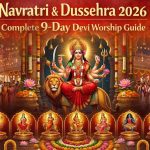 Navratri & Dussehra 2026 — Complete 9-Day Devi Worship Guide