Tirumala Tirupati Devasthanams 2025: Complete Month-Wise Events & Updates
Tirumala Tirupati Devasthanams (TTD) Events & News 2025: Month-Wise Recap Thirumala (Tirumala) Temple 2025 Highlights – A comprehensive recap of major…

Tirumala Tirupati Devasthanams (TTD) Events & News 2025: Month-Wise Recap Thirumala (Tirumala) Temple 2025 Highlights – A comprehensive recap of major…
Tirumala Tirupati Devasthanams (TTD) Events & News 2025: Month-Wise Recap
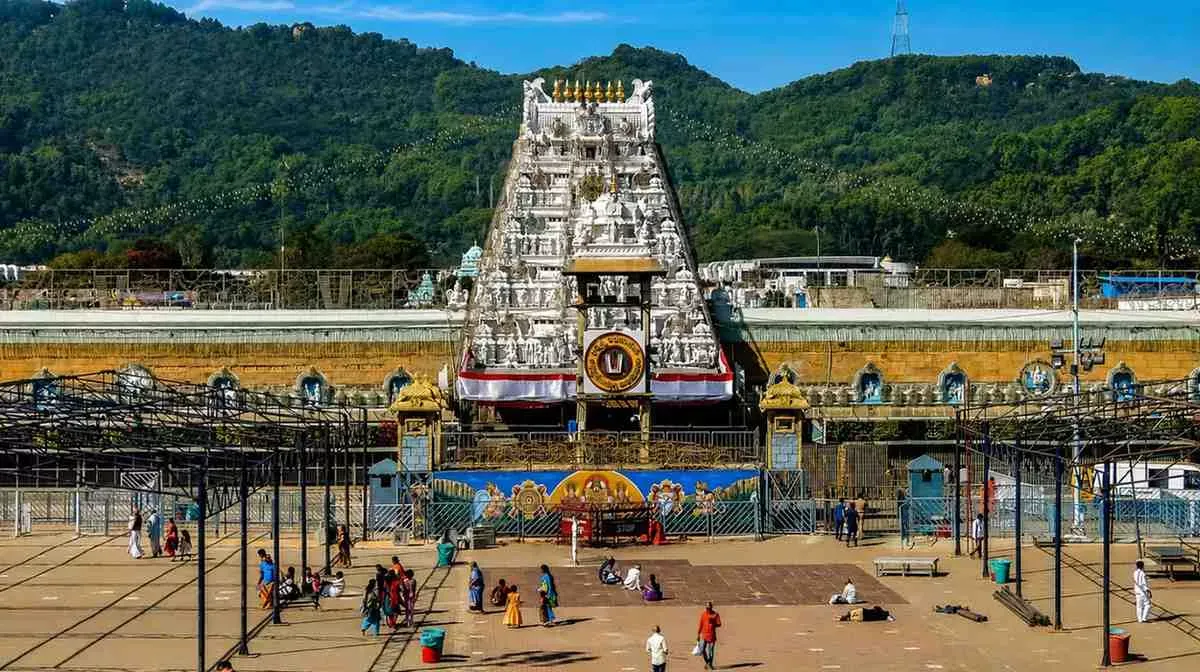
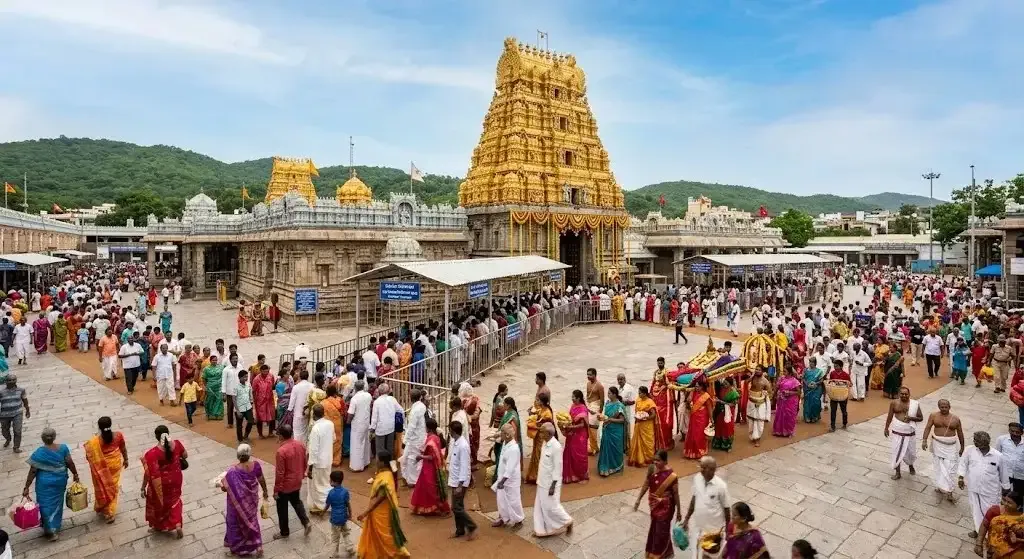
Thirumala (Tirumala) Temple 2025 Highlights – A comprehensive recap of major festivals, events, and key news from the sacred Sri Venkateswara Swamy Temple in Tirumala, managed by Tirumala Tirupati Devasthanams (TTD). 2025 witnessed grand celebrations, record pilgrim footfalls, and spiritual initiatives, drawing millions of devotees seeking Lord Balaji's blessings.
January 2025: Vaikuntha Ekadashi & Dwara Darshanam
The year began with the highly auspicious Vaikuntha Ekadashi celebrations from January 10 to 19. TTD opened the sacred Vaikuntha Dwaram for 10 days, allowing devotees special darshan believed to grant moksha. Key highlights included the golden chariot procession and massive crowds. Online bookings for Special Entry Darshan (SED) tickets saw high demand, with extensive arrangements for queue management and free annadanam.
February 2025: Rathasaptami & Mini Brahmotsavam
Rathasaptami, known as the "Mini Brahmotsavam," featured grand chariot processions of Lord Malayappa Swamy. Devotees witnessed the deity on ornate chariots, symbolizing the Sun God's journey. Other events included Rama Krishna Teertha Mukkoti and preparations for upcoming festivals.
March 2025: Theppotsavam & Ugadi
The annual Srivari Theppotsavam (float festival) was held from March 9 to 13 at the Swami Pushkarini tank. Ugadi (Telugu New Year) on March 30 marked with Ugadi Asthanam. Additional rituals like Thirukkachinambi Sattumora and Annamacharya Vardhanti added to the spiritual vibrancy.
April–May 2025: Seasonal Rituals & Special Pujas
Focus on routine sevas with events like special Abhishekams at associated temples. May featured unique coincidences with multiple rituals at Bedi Anjaneya Swamy Temple and preparations for summer pilgrim rush.
June–July 2025: Pushpayagam & Anivara Asthanam
Pushpayagam rituals at Govindaraja Swamy Temple in Tirupati on July 2, followed by Anivara Asthanam on July 16, marking the annual budget ceremony with traditional offerings.
August 2025: Varalakshmi Vratam & Gokulashtami
Celebrations included Varalakshmi Vratam and Gokulashtami (Krishna Janmashtami), with special processions and decorations honoring Lord Krishna.
September–October 2025: Annual Salakatla Brahmotsavam
The pinnacle event: Srivari Annual Brahmotsavam from September 24 to October 2. Highlights:
- Ankurarpanam on September 23
- Dwajarohanam and grand vahana sevas
- Garuda Seva attracting lakhs
- Rathotsavam and Chakra Snanam
Deepavali Asthanam on October 20 with special court rituals.
November 2025: Karthika Masa Utsavams
Karthika month featured deepotsavams and homams at Kapileswara Swamy Temple. Pilgrim rush continued with daily darshan updates showing high footfalls.
December 2025: Vaikuntha Ekadashi & Dhanurmasam
The year ended with Vaikuntha Ekadashi on December 30–31, opening Vaikuntha Dwaram till January 8, 2026. Massive crowds, chariot processions, and inspections by TTD Chairman. Dhanurmasam began December 16 with Tiruppavai discourses and special programs across TTD temples. Record weekend rushes and hundi collections marked peak devotion.
Key 2025 News Highlights:
- Unprecedented pilgrim numbers, with daily darshan often exceeding 80,000.
- Initiatives like Divine Plantation Project and donations (vehicles, funds).
- Crowd management during weekends and festivals, including cancellations of certain tickets for safety.
🌸 For More Devotional Journey, Follow
- Temples
/temples/ - Tirumala Updates
/tirumala/ - Sabarimala Yatra
/category/sabarimala-yatra/ - Pooja, Slokas & Mantras
/pooja-slokas-and-mantras/ - Hindu Gods
/hindu-gods/
Plan your 2026 Tirumala visit aligning with festivals for divine blessings. Book darshan/seva tickets early via official TTD portal. Jai Balaji!
The Theological Significance of Sri Venkateswara: Who Is Lord Balaji?
Sri Venkateswara, popularly venerated as Lord Balaji, is identified in the Vaishnava tradition as a form of Lord Vishnu who descended to reside on the Seshachala hills during the Kali Yuga to uplift humanity. The name 'Venkateswara' is derived from the Sanskrit roots 'Venkata' — interpreted variously as 'destroyer of sins' (vem = sins, kata = destroyer) — and 'Iswara,' meaning the Supreme Lord. The Brahmanda Purana and the Venkatachala Mahatmya section of the Skanda Purana both extol this hill as the most sacred tirtha of the present age, declaring that darshan of the Lord here bestows liberation equivalent to performing a thousand Ashwamedha yajnas.
The presiding deity is worshipped in the standing posture (sthānaka murti) facing east, with Sridevi and Bhudevi flanking him, embodying the twin aspects of grace and sustenance. The iconic golden crown (Kirita Mukuta), the chakra and shankha in his upper hands, and his lower right hand in the varada mudra (boon-granting gesture) are meticulously described in the Agamic texts governing temple iconography. TTD follows the Vaikhanasa Agama tradition for all daily sevas and festivals, one of the oldest and most rigorous Vaishnava Agamic systems.
The Seven Hills and the Sacred Geography of Tirumala
Tirumala rests atop the Seshachalam range in the Eastern Ghats of Andhra Pradesh, at an elevation of approximately 853 metres above sea level. The seven hills — Seshadri, Neeladri, Garudadri, Anjanadri, Vrishabhadri, Narayanadri, and Venkatadri — are collectively called Saptagiri, and each is associated with a presiding divine presence. The hill of Venkatadri, on which the main temple stands, is traditionally described as Adi Sesha (the cosmic serpent) himself, providing a divine canopy over the Lord.
The Swami Pushkarini, the sacred tank adjacent to the main temple, holds special sanctity; a dip in its waters is believed to cleanse accumulated karmas. The tank is the site of the annual Theppotsavam (float festival), during which Lord Malayappa Swamy (the processional deity) is taken out on a decorated float. Ancient texts describe Pushkarini as one of the five sacred tanks (Pancha Pushkarinis) where Vishnu himself is said to have bathed, lending it a status comparable to the Ganges in Vaishnavite theology.
Brahmotsavam: The Grandest Annual Festival Cycle at Tirumala
The Brahmotsavam, held annually in the month of Kanya (September–October), is the most elaborate of all TTD-managed festivals, spanning nine days of continuous rituals, vahana sevas, and processions. The festival formally opens with Ankurarpana (sowing of seeds) and Dhwajarohana (flag hoisting) and culminates on the final day with Chakrasnanam, when the Sudarshana Chakra is ceremonially bathed. On each day, Lord Malayappa Swamy — the utsava murti used for all processions — is taken out on a different vahana (vehicle), ranging from the Pedda Sesha Vahana on the first day to the grand Rathotsavam (golden chariot) on the seventh.
The Rathotsavam draws the largest single-day crowds of the entire festival cycle, with hundreds of thousands of devotees lining the mada streets of Tirumala to pull the chariot and receive prasadam. The theological basis for Brahmotsavam is rooted in the Vaikhanasa Agama texts, which prescribe that annual utsavams revitalise the divine energy (tejas) of the deity and renew the cosmic covenant between the Lord and his devotees. TTD invests substantial resources in security, annadanam (free meals), and online darshan streaming to accommodate the surge in pilgrims during this period.
Vaikuntha Ekadashi and Dwara Darshanam: Why These Ten Days Are Considered Supremely Auspicious
Vaikuntha Ekadashi, observed on the Ekadashi tithi of the Shukla Paksha in the month of Dhanurmasa (December–January), is considered the most sacred of all the twenty-four Ekadashis in the Hindu calendar. The Vishnu Purana and the Padma Purana both declare that fasting and staying awake in worship on this night earns spiritual merit equivalent to a hundred ordinary Ekadashi observances. At Tirumala, TTD opens the Vaikuntha Dwaram — a northern gateway of the inner sanctum — exclusively during this period, as passing through it is scripturally described as symbolically entering Vaikuntha, the abode of Vishnu.
During the 2025 celebrations (January 10–19), the Dwara Darshanam was extended over ten consecutive days to manage the enormous devotee footfall. TTD's tradition of issuing special 'Vaikuntha Queue' tokens months in advance, combined with free annadanam serving lakhs of pilgrims daily, reflects the administrative scale this festival demands. The golden chariot procession (Swarnotsavam) conducted during this period features Lord Malayappa Swamy on the ornate Swarna Ratham, symbolising his celestial journey through the cosmos — a ritual spectacle that has drawn global Telugu diaspora to Tirumala every year.
Annadanam and the Heritage of Free Meals at Tirumala
Annadanam — the donation of food — occupies a singular place in TTD's spiritual mission, rooted in the Taittiriya Upanishad's declaration 'Annam Brahma' (food is the Divine). TTD operates one of the world's largest free meal programmes at Tirumala, serving tamarind rice (pulihora), sweet pongal, and other prasadam items to all visiting pilgrims regardless of their ticket category or financial standing. On peak festival days such as Vaikuntha Ekadashi or Brahmotsavam, the Annadanam trust kitchen — known as the Annaprasada Project — scales up to feed several lakh pilgrims in a single day.
The historical roots of organised annadanam at Tirumala can be traced to the inscriptions of the Vijayanagara period, when kings like Krishnadevaraya endowed the temple with vast agrarian lands specifically to fund perpetual feeding of pilgrims. Today, TTD receives donations from devotees across the world who sponsor annadanam in the name of their families, a tradition that has made the Tirumala kitchen one of the most generously endowed charitable food programmes in Asia. The laddu prasadam, made to a protected recipe with generous quantities of cashews, raisins, and cardamom, holds a Geographical Indication (GI) tag, safeguarding its authenticity.
TTD's Spiritual and Cultural Outreach Beyond Tirumala
TTD's mandate extends well beyond the management of the Tirumala hilltop temple. The institution oversees more than fifty associated temples across Andhra Pradesh and Telangana, including the Sri Govindaraja Swamy Temple in Tirupati city — one of the largest Divya Desams — and the Kodanda Rama Swamy Temple at Tirupati. Significant festivals such as the Pushpayagam at Govindaraja Swamy Temple (observed in July) form part of TTD's integrated calendar of events, ensuring year-round ritual continuity across all its managed shrines.
In the domain of cultural preservation, TTD funds the publication of classical Telugu and Sanskrit religious texts through its Sri Venkateswara University Press and maintains an active programme of Vedic scholarship, supporting pathashalas (Vedic schools) where students learn the Krishna Yajurveda in the Taittiriya shakha — the same Vedic tradition historically patronised by the Tirumala priests. The TTD also broadcasts daily Suprabhatam, Vedic chanting, and devotional content through its dedicated Tirumala Television (SVBC) channel, carrying the spiritual atmosphere of the hilltop to millions of households worldwide.
Frequently Asked Questions
When was the Annual Brahmotsavam at Tirumala in 2025?
The Srivari Annual Brahmotsavam ran from September 24 to October 2, with Ankurarpanam on September 23. Highlights included Dwajarohanam, vahana sevas, Garuda Seva, Rathotsavam and Chakra Snanam.
How long was the Vaikuntha Dwaram open for Vaikuntha Ekadashi in January 2025?
TTD opened the Vaikuntha Dwaram for 10 days, from January 10 to 19, for special Dwara Darshanam. The darshan is believed to grant moksha.
When is the Srivari Theppotsavam held?
In 2025 the float festival was held from March 9 to 13 at the Swami Pushkarini tank, with Lord Malayappa Swamy taken out on a decorated float.
How can pilgrims book darshan or seva tickets for Tirumala?
Book darshan and seva tickets early through the official TTD portal. Special Entry Darshan (SED) tickets saw high demand during Vaikuntha Ekadashi.
Does TTD serve free meals to pilgrims?
Yes. TTD runs free annadanam, serving lakhs of pilgrims daily during major festivals such as Vaikuntha Ekadashi, rooted in the Taittiriya Upanishad's declaration 'Annam Brahma'.
Which Agama tradition does TTD follow for its sevas?
TTD follows the Vaikhanasa Agama tradition for all daily sevas and festivals. It is described as one of the oldest and most rigorous Vaishnava Agamic systems.