The 5-Day Diwali Festival in the UK 2026: Dhanteras to Bhai Dooj - A Beacon of Tradition and Multicultural Joy for Hindu Britons
A complete guide to the five days of Diwali 2026 in the UK, from Dhanteras on 6 November to Bhai Dooj on 10 November, with rituals, temple events and traditions for Hindu Britons.
A complete guide to the five days of Diwali 2026 in the UK, from Dhanteras on 6 November to Bhai Dooj on 10 November, with rituals, temple events and traditions for Hindu Britons.
Quick answer: Diwali 2026 in the UK runs across five days, from Dhanteras on Friday 6 November to Bhai Dooj on Tuesday 10 November, with the main Lakshmi Puja on Sunday 8 November. Hindu Britons mark it with home rituals, temple visits and community celebrations across cities.
For Hindu families across the United Kingdom, Diwali is far more than a single evening of lamps and sweets. It unfolds as a luminous five-day journey in 2026, beginning with Dhanteras on Friday 6 November and closing with Bhai Dooj on Tuesday 10 November. Against the backdrop of a British autumn, when days grow short and the nights turn cold, the Festival of Lights becomes a heartfelt reminder that hope, prosperity and family warmth can shine through any darkness.
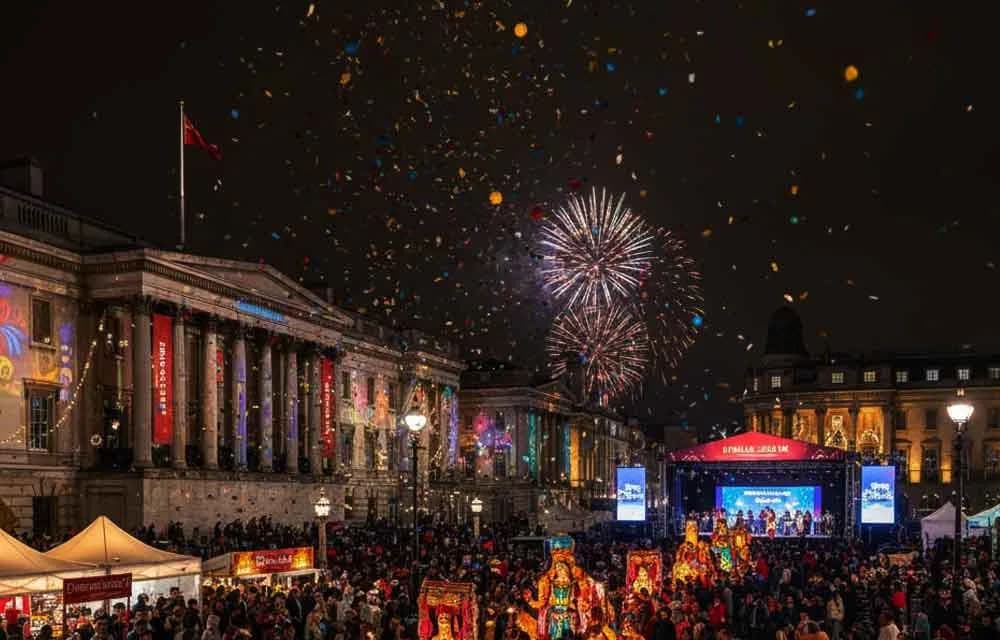
This year the main Diwali night, Lakshmi Puja, falls on Sunday 8 November 2026. A Sunday is especially welcome for working families, as it allows homes, temples and community halls to gather in unhurried devotion. From Leicester and London to Birmingham, Manchester, Glasgow and beyond, the diaspora weaves ancient rituals into modern British life, creating a celebration that is both deeply traditional and joyfully multicultural.
Diwali 2026 Dates at a Glance
The five days of Diwali follow the Hindu lunar calendar, and in 2026 they map onto the following dates. Use these as your anchor for planning home pujas, temple visits and family gatherings, and always confirm exact timings with your local temple, as observance can vary by tradition and region.
| Day | Festival | Date 2026 |
|---|---|---|
| Day 1 | Dhanteras | Friday 6 November |
| Day 2 | Naraka Chaturdasi / Choti Diwali | Saturday 7 November |
| Day 3 | Diwali / Lakshmi Puja | Sunday 8 November |
| Day 4 | Govardhan Puja / Annakut | Monday 9 November |
| Day 5 | Bhai Dooj | Tuesday 10 November |
Day 1 - Dhanteras: Welcoming Prosperity on 6 November
Dhanteras opens the festival with reverence for wealth, health and well-being. Devotees honour Goddess Lakshmi and Lord Dhanvantari, the divine physician who arose during the churning of the cosmic ocean. In the UK it has become customary to buy something new on this day, whether a small gold or silver coin, kitchenware, or a simple household item, as a symbol of incoming abundance and renewal.
Families clean and decorate their homes, light the first diyas at the threshold, and draw rangoli patterns to invite good fortune. Many also offer prayers for the health of loved ones, a sentiment that resonates warmly within Britain's Hindu community and its close ties to the National Health Service.
Day 2 - Naraka Chaturdasi (Choti Diwali): 7 November
The second day, known as Choti Diwali or Naraka Chaturdasi, commemorates the victory of Lord Krishna over the demon Narakasura, a triumph of light over darkness and righteousness over cruelty. Some households observe an early morning ritual bath and light additional lamps in the evening. It is a quieter, preparatory day, when kitchens fill with the aroma of sweets and savouries being readied for the main celebration to follow.
Day 3 - Diwali and Lakshmi Puja: Sunday 8 November
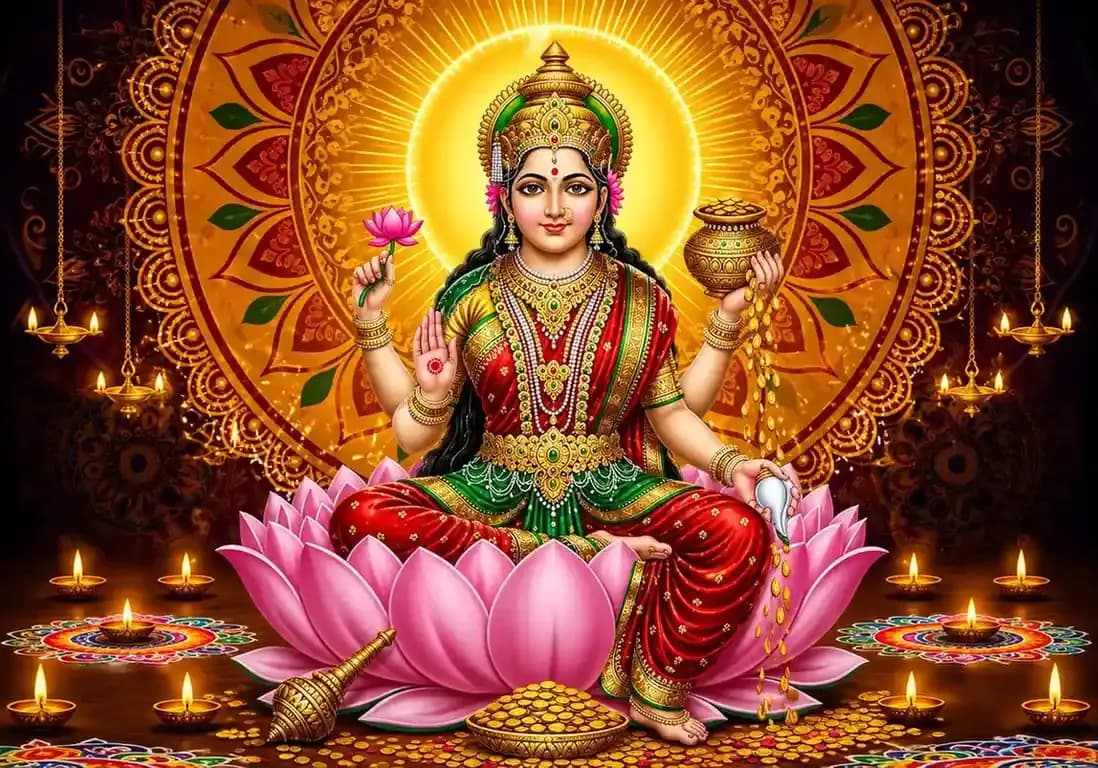
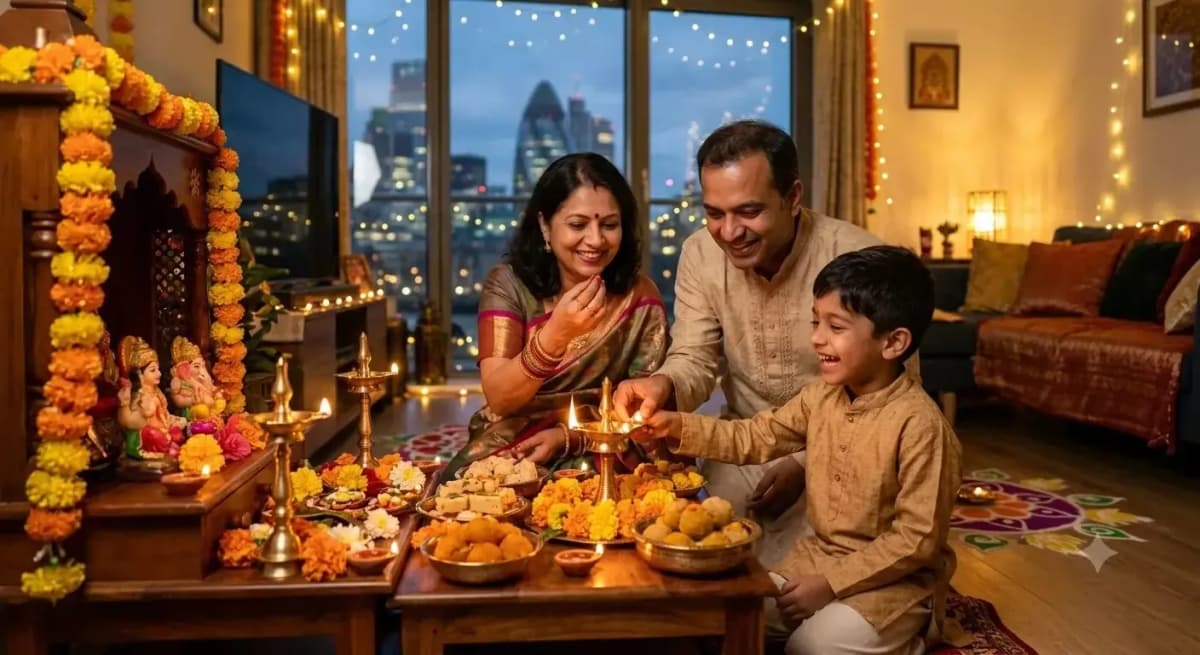
The heart of the festival arrives on Sunday 8 November with Lakshmi Puja, the evening when Goddess Lakshmi is believed to visit clean, well-lit and welcoming homes. Families gather to light rows of diyas, place lamps in every window, and perform the puja together. Because this Diwali falls on a Sunday, many UK families find it easier to devote the full day to preparation, worship and shared feasting.
During the puja, devotees invoke Goddess Lakshmi for prosperity and Lord Ganesha for wisdom and the removal of obstacles. Standard, widely recited prayers such as the Lakshmi and Ganesha mantras are chanted, along with aarti sung as a family. The simple act of lighting a lamp, passed from elder to child, carries the story of Lord Rama's return to Ayodhya and the enduring message that goodness ultimately prevails.
- Clean and decorate the home, and lay fresh rangoli at the entrance
- Light diyas in doorways, windows and around the puja space
- Set up a clean altar with images of Lakshmi and Ganesha
- Offer flowers, sweets, fruit and lit lamps during the aarti
- Share sweets with family, neighbours and friends of all backgrounds
Day 4 - Govardhan Puja and Annakut: 9 November
The fourth day celebrates Govardhan Puja, recalling how Lord Krishna lifted the Govardhan hill to shelter the villagers of Vrindavan. In many UK temples this day is marked by Annakut, a mountain of food offerings arranged before the deities in gratitude for nature's bounty. Devotees prepare a wide array of vegetarian dishes, and the sight of the elaborate Annakut display draws worshippers to temples across the country.
Day 5 - Bhai Dooj: Tuesday 10 November
The festival concludes with Bhai Dooj, a day devoted to the bond between brothers and sisters. Sisters apply a tilak to their brothers' foreheads and pray for their long life and happiness, while brothers offer gifts and a promise of protection. In a diaspora spread across cities and continents, Bhai Dooj takes on added tenderness, with many families connecting by video call so that no sibling feels far from home.
Diwali Across UK Cities
Britain's Hindu community brings the Festival of Lights to life in cities up and down the country. Leicester is renowned for its vibrant celebrations along the Golden Mile, while London's temples and public displays draw large, joyful crowds. Birmingham, Manchester, Glasgow, Bradford and many towns host community events, temple pujas and cultural performances. For exact 2026 dates, venues and programmes, always check announcements from your local temple and community organisations.
- Main Diwali nightSunday 8 November 2026
- Festival span6 to 10 November 2026
- Deities honouredLakshmi, Ganesha, Krishna, Dhanvantari
- Community hubsLeicester, London, Birmingham, Manchester, Glasgow
A Multicultural Festival of Light
Diwali in the UK has grown into a shared celebration that welcomes friends, colleagues and neighbours of every faith and none. Schools mark it with assemblies, workplaces host gatherings, and public buildings glow with festive lights. For Hindu Britons, this openness is a source of pride, allowing them to honour a timeless tradition while enriching the wider fabric of British life with warmth, generosity and the enduring message that light triumphs over darkness.
Related
See the main Diwali 2026 complete guide for the five-day dates, Lakshmi Puja muhurat and full rituals.
Frequently Asked Questions
When is Diwali 2026 in the UK?
The main Diwali night, Lakshmi Puja, is on Sunday 8 November 2026. The full five-day festival runs from Dhanteras on Friday 6 November to Bhai Dooj on Tuesday 10 November 2026.
What are the five days of Diwali 2026?
The five days are Dhanteras on 6 November, Naraka Chaturdasi or Choti Diwali on 7 November, Diwali and Lakshmi Puja on 8 November, Govardhan Puja and Annakut on 9 November, and Bhai Dooj on 10 November 2026.
Why is Diwali falling on a Sunday significant in 2026?
With the main Lakshmi Puja on Sunday 8 November 2026, many working families in the UK can devote the whole day to preparation, worship and gathering, making home and temple celebrations easier to attend and share.
What is Dhanteras and how is it observed?
Dhanteras, on 6 November 2026, honours Goddess Lakshmi and Lord Dhanvantari. Families clean their homes, light the first diyas, draw rangoli and often buy something new, such as a coin or kitchenware, as a symbol of prosperity and health.
Which mantras are recited during Lakshmi Puja?
Devotees chant well-known, standard prayers to Goddess Lakshmi for prosperity and to Lord Ganesha for wisdom and the removal of obstacles, followed by a family aarti. Your local temple or priest can guide the exact recitation for your tradition.
What is Govardhan Puja and Annakut?
Govardhan Puja, on 9 November 2026, recalls Lord Krishna lifting the Govardhan hill. Many UK temples mark it with Annakut, a large display of vegetarian food offerings arranged before the deities in gratitude for nature's bounty.
How is Bhai Dooj celebrated?
Bhai Dooj, on 10 November 2026, celebrates the bond between siblings. Sisters apply a tilak and pray for their brothers' well-being, while brothers offer gifts and protection. Diaspora families often connect by video call to include distant relatives.
Where can I find Diwali events in my UK city for 2026?
Cities such as Leicester, London, Birmingham, Manchester and Glasgow host temple pujas, community events and public displays. For exact 2026 dates, venues and programmes, check announcements from your local temple and community organisations.
You might also like
Diwali 2026 in Nepal: Date, Lakshmi Puja Muhurat & City-by-City Celebration Guide
Champa Shashthi 2026: Date, Khandoba Worship & Jejuri's Golden Festival
Kati Bihu 2026: Date, Rituals & Assam's Festival of Earthen Lamps