

King Bali and Goddess Lakshmi: The Rakhi Story Behind the Mantra
How a humble thread tied by Goddess Lakshmi on King Bali became the origin of the Raksha Bandhan mantra recited on 28 August 2026.
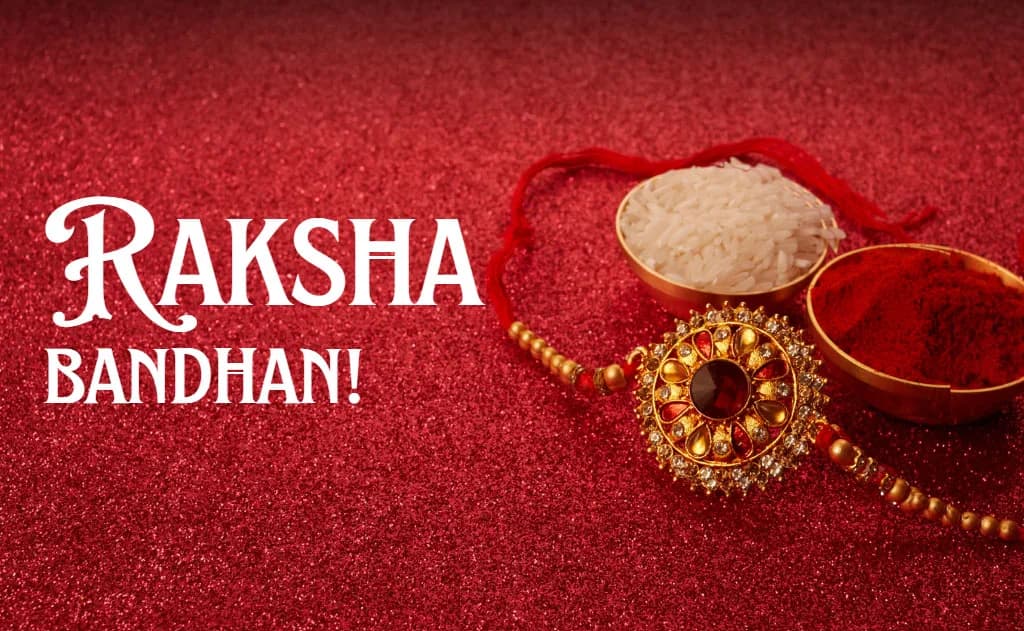
How a humble thread tied by Goddess Lakshmi on King Bali became the origin of the Raksha Bandhan mantra recited on 28 August 2026.
Quick answer: In this beloved katha, Goddess Lakshmi ties a simple protective thread on the generous King Bali, becoming his sister, and in return asks him to release Vishnu from a pledge. This act of a thread creating a bond of protection is remembered every Raksha Bandhan through the 'Yena baddho Bali raja' mantra, celebrated on 28 August 2026.
Every Raksha Bandhan, when a rakhi is tied, an ancient verse is often whispered — a mantra that names a king from long ago. That king is Bali, and behind those words lies one of the warmest stories in our tradition: how Goddess Lakshmi herself once tied a thread of protection and, through it, set things right. This is a narrative retelling, not verbatim scripture, but its heart has been carried lovingly across generations.
- Festival: Raksha Bandhan 2026
- Date: Friday, 28 August 2026
- Story: Bali–Lakshmi rakhi katha
- Connected mantra: Yena baddho Bali raja (described, not reproduced here)
- Theme: A thread that creates a bond of protection
- Timings: Confirm rakhi muhurat from a local panchang
The story of King Bali
King Bali was a ruler of extraordinary generosity. So devoted and giving was he that even the gods watched him with wonder. In one well-loved chapter of his life, Bali's devotion drew Lord Vishnu close to him. Moved by the king's heart, Vishnu made a promise to remain near Bali — to guard his realm and stay by his side, almost as a doorkeeper of his kingdom.
It was a beautiful pledge, but it left a quiet ache elsewhere. In the celestial abode, Goddess Lakshmi — Vishnu's beloved consort — missed him. Her lord had bound himself to Bali's side, and she longed for his return. So Lakshmi chose a path not of demand or battle, but of tenderness and wit.
How Lakshmi tied the thread
Disguised as a humble woman in need of shelter, Lakshmi came to Bali's court. The generous king, true to his nature, welcomed her without question and offered her refuge. She stayed quietly, and in time a full-moon day arrived — the day for tying rakhis.
On that day, Lakshmi took a simple thread and tied it upon King Bali's wrist. In that gesture she became his sister, and he her brother. Touched and honoured, Bali asked what gift she desired, promising to grant it. Only then did Lakshmi reveal who she truly was — and made her request: to release Vishnu from his pledge, so her lord could return home with her.
King Bali, magnanimous to the last, honoured the bond of the thread above his own longing to keep Vishnu near. He let Vishnu go. And so a single thread, tied in love, freed a promise and reunited husband and wife — while granting Bali the eternal blessing of the divine as his sister.
From story to mantra
This is why the Raksha Bandhan mantra recited by many families invokes King Bali. The verse remembers the very thread that once bound the mighty, generous Bali — a thread of protection and devotion. When it is chanted while tying a rakhi, it asks that the same steadfast bond hold firm and unshaken. We describe its meaning here rather than reproduce it, and you can learn the full text and translation on our dedicated mantra page.
| Element of the story | What it means at Raksha Bandhan |
|---|---|
| The thread Lakshmi tied | The rakhi itself — simple, yet powerful |
| Becoming brother and sister | The bond need not be by birth |
| Bali's boon-giving | The brother's promise of protection and care |
| Freeing Vishnu | A thread can set things right, gently |
| Naming Bali in the mantra | Anchoring today's rakhi to an ancient, steadfast bond |
Gentle ways to bring this story into your day
- Read the katha aloud to children before tying rakhis, so the thread carries meaning.
- As you tie the rakhi, hold the wish that this bond stay firm — the way Bali honoured his.
- Recite or listen to the traditional mantra; understand its meaning rather than rushing the words.
- Remember that, like Lakshmi and Bali, the bond can be chosen — cousins, friends, or chosen family all belong.
- Confirm your rakhi muhurat from a trusted local panchang before you begin.
A bond for everyone
The Bali–Lakshmi story reminds us that a rakhi is not limited to born siblings. Lakshmi and Bali shared no bloodline, yet the thread made them family. If you have no sibling, are estranged, or carry the ache of a brother or sister who has passed, this story gently makes room for you. Tie a thread to a cousin, a dear friend, a mentor, or chosen family — or simply keep one in remembrance. The bond has always been about love, not lineage.
Related reading
- Raksha Bandhan 2026: full guide
- Raksha Bandhan 2026 muhurat timings
- Raksha Bandhan mantra: meaning explained
Frequently Asked Questions
Who was King Bali in the rakhi story?
King Bali was a ruler famed for his boundless generosity and devotion. In this katha his heart drew Lord Vishnu to stay by his side, which set the stage for Goddess Lakshmi's visit and the tying of the protective thread.
Why did Goddess Lakshmi tie a thread on Bali?
Vishnu had pledged to remain near Bali, and Lakshmi missed her lord. By tying a thread and becoming Bali's sister, she earned the right to ask a boon — the release of Vishnu — which the generous king honoured.
Is this the origin of the Raksha Bandhan mantra?
Yes, this story is traditionally connected to the popular rakhi mantra that names King Bali. The verse remembers the steadfast thread once tied to the mighty Bali and asks that the same bond hold firm.
What is the 'Yena baddho Bali raja' mantra?
It is a well-loved verse recited while tying a rakhi that recalls the thread once bound upon King Bali. We describe its meaning here and share the full text and translation on our dedicated mantra page.
Is this story verbatim scripture?
It is a warm narrative retelling passed down across generations, not a word-for-word quotation of scripture. The heart of the story is faithfully preserved even as the telling varies.
When is Raksha Bandhan in 2026?
Raksha Bandhan falls on Friday, 28 August 2026. Bhadra on the 27th is a traditional consideration; always confirm your rakhi muhurat from a trusted local panchang.
Can I use this story if I have no sibling?
Absolutely. Lakshmi and Bali shared no bloodline, yet the thread made them family. Anyone — cousins, friends, mentors, chosen family, or those in remembrance — is welcome to embrace this bond.
What is the lesson of the Bali–Lakshmi story?
That a simple thread tied in love can create a lasting bond of protection, and that such a bond is chosen through the heart rather than defined only by birth.
Related guides you may find helpful
You might also like
Navratri 2026: 9 Days, Colors, Goddess Names, Puja & Significance
Bathukamma Flowers: Meaning, Symbolism & the Wisdom Behind Each Bloom
Diwali 2026 in Nepal: Date, Lakshmi Puja Muhurat & City-by-City Celebration Guide