Raksha Bandhan Mantra: What to Chant While Tying Rakhi, with Meaning
The well-attested "Yena baddho Bali raja" shloka, its transliteration, and a faithful meaning — plus when it is recited and its connection to the Bali–Lakshmi story.
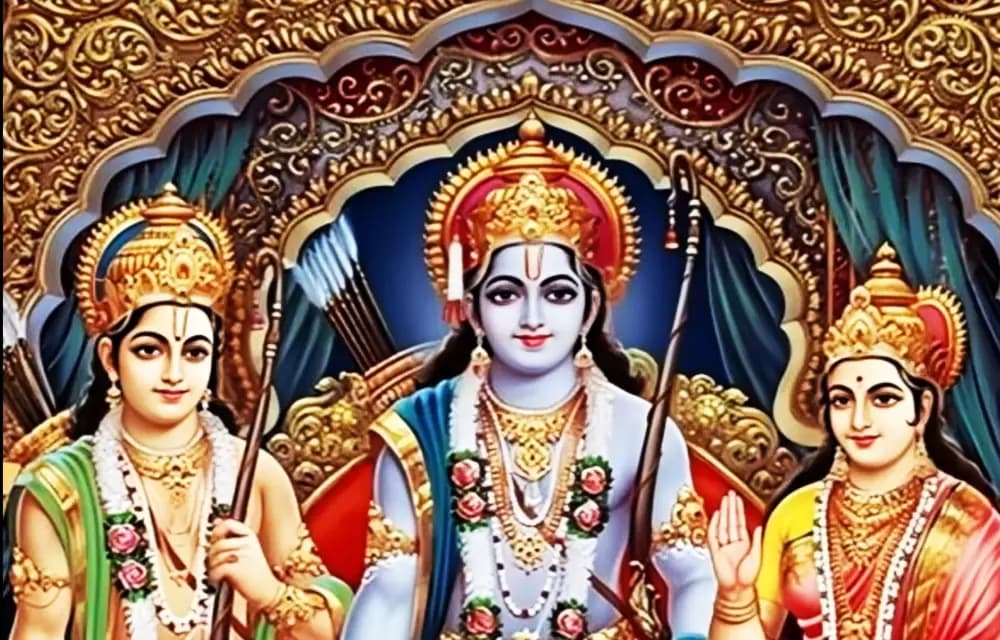
The well-attested "Yena baddho Bali raja" shloka, its transliteration, and a faithful meaning — plus when it is recited and its connection to the Bali–Lakshmi story.
Quick answer: On Raksha Bandhan (Friday 28 August 2026), the traditional shloka tied to the rakhi is "Yena baddho Bali raja" — a short protection verse invoking the same thread that once bound the mighty king Bali. It is recited as the rakhi is fastened, expressing a wish for protection and steadfast bonding.
Raksha Bandhan is best known for the rakhi thread itself, but many families also recite a short Sanskrit shloka as the thread is tied. The most widely attested of these is the verse beginning "Yena baddho Bali raja" — a compact prayer that turns a simple thread into a blessing. This article gives the well-attested public-domain text, a clear transliteration, and a faithful, line-by-line meaning, and explains when it is recited and how it connects to the story of King Bali and Goddess Lakshmi.
A gentle note before we begin: not everyone reading this has a living brother, and that is completely fine. Rakhi threads today are tied by sisters to sisters, by cousins, by friends and chosen family, and in memory of a sibling who has passed. Whatever your circumstance, the wish carried by this mantra — protection, goodwill, an unbreakable bond — belongs to you too.
- Festival: Raksha Bandhan 2026
- Date: Friday, 28 August 2026 (consensus)
- Bhadra on 27 Aug: A traditional consideration, not a threat
- Best-known mantra: "Yena baddho Bali raja"
- When recited: As the rakhi is tied on the wrist
- Muhurat: Confirm exact clock times from a local panchang
The traditional mantra
The shloka most commonly associated with tying the rakhi, in a widely circulated public-domain form, reads: Yena baddho Bali raja danavendro mahabalah; tena tvam anubadhnami rakshe ma chala ma chala.
This is a narrative-tradition verse, not a passage of formal scripture, and small wording variations exist between regional panchangs and family traditions. All such variants share the same core image: the protective thread that once bound the great king Bali is now being bound onto you.
Word-by-word transliteration
Below is a simple transliteration to help with pronunciation. If a family elder or priest guides your recitation, follow their pronunciation, which carries the living tradition.
| Sanskrit phrase | Transliteration |
|---|---|
| येन बद्धो बलि राजा | Yena baddho Bali raja |
| दानवेन्द्रो महाबलः | Danavendro mahabalah |
| तेन त्वाम् अनुबध्नामि | Tena tvam anubadhnami |
| रक्षे मा चल मा चल | Rakshe ma chala ma chala |
Line-by-line meaning
Here is a faithful, plain rendering. Where a single Sanskrit word carries shades of meaning, the sense is described rather than forced into one English word.
- "Yena baddho Bali raja" — "By which (thread) the king Bali was bound." Bali is the powerful, generous king of the story.
- "Danavendro mahabalah" — "(He who was) the lord of the danavas, of great strength." This praises Bali as mighty and sovereign, underscoring that even such a king was gently bound.
- "Tena tvam anubadhnami" — "With that same (thread) I bind you." The one tying the rakhi echoes that original act of binding.
- "Rakshe ma chala ma chala" — addressing the rakshā (the protection/thread) itself: "O protection, do not waver, do not waver." The repetition is a heartfelt plea for the bond to hold firm.
In short, the verse says: as the thread that lovingly bound the great king Bali, so with this thread I bind you; may this protection stay steadfast and never slip away. It reframes the rakhi from decoration into an active prayer for wellbeing.
The Bali–Lakshmi connection
The name Bali in the mantra points to a well-loved katha, retold here as narrative tradition rather than verbatim scripture. In the story, King Bali was so devoted and generous that Bhagavan Vishnu, pleased with him, agreed to remain close by. Goddess Lakshmi, missing Vishnu, is said to have visited Bali and tied a protective thread on his wrist, accepting him as a brother. Through that bond of rakhi, she gently secured Vishnu's return.
This is why the verse names Bali: it recalls the very first, archetypal act of tying a raksha — a thread that bound even a mighty king through affection rather than force. Reciting it as you tie today's rakhi links your small family moment to that larger memory of protection freely given and freely received.
When the mantra is recited
The shloka is spoken at the moment the rakhi is fastened on the wrist, usually as part of a small home ritual. There is no single "correct" script; families adapt the sequence to their own tradition. A common gentle flow looks like this:
- Prepare a simple thali with the rakhi, a little roli or kumkum, a few grains of rice (akshata), a lamp or diya, and a sweet.
- Apply a tilak on the forehead of the person receiving the rakhi, and offer akshata.
- Tie the rakhi on the right wrist while reciting or reading the shloka, quietly or aloud.
- Perform a small aarti with the lamp, then share the sweet.
- Exchange good wishes; gifts, if any, are entirely optional.
If reciting Sanskrit feels unfamiliar, that is perfectly acceptable. A sincere wish in your own words — for the other person's safety, health, and happiness — carries the same spirit. The mantra is an offering of intention, not a test of pronunciation.
2026 timing, briefly
Raksha Bandhan in 2026 falls on Friday, 28 August (the consensus date). Bhadra on 27 August is a traditional timing consideration that many families observe when choosing their hour; it is a matter of custom, not a warning. For the exact recommended window on the 28th, confirm the clock times from a reliable local panchang, since these vary by city and by tradition.
Related reading
- Raksha Bandhan 2026: complete guide
- Raksha Bandhan 2026 muhurat timings
- Is the date 27 or 28 August 2026?
- Bhadra Kaal and Raksha Bandhan 2026
- Raksha Bandhan 2026 NRI guide
Frequently Asked Questions
What is the mantra for tying rakhi on Raksha Bandhan?
The best-known verse begins "Yena baddho Bali raja danavendro mahabalah, tena tvam anubadhnami rakshe ma chala ma chala." It invokes the protective thread that once bound King Bali and asks that this protection stay steadfast. It is recited as the rakhi is tied on the wrist.
What does the Raksha Bandhan mantra mean?
In plain terms: "By the thread that bound the mighty king Bali, lord of the danavas, with that same thread I bind you; O protection, do not waver, do not waver." It reframes the rakhi as an active prayer for the other person's wellbeing and an unbreakable bond.
Who was King Bali in the mantra?
Bali was a powerful, generous king in Hindu tradition. In the associated katha, retold as narrative rather than scripture, Goddess Lakshmi tied a protective thread on Bali's wrist and accepted him as a brother, gently securing Bhagavan Vishnu's return. The mantra recalls this first archetypal act of tying a raksha.
When exactly should I recite it?
Recite the shloka at the moment the rakhi is fastened on the wrist, usually right after applying tilak and akshata. You can say it quietly or aloud; a small aarti and a sweet often follow. There is no single fixed script, so families adapt the sequence to their own tradition.
Do I have to chant in Sanskrit?
No. If Sanskrit feels unfamiliar, a sincere wish in your own language for the other person's safety, health, and happiness carries the same spirit. The mantra is an offering of intention, not a pronunciation test. Follow an elder or priest's guidance if you would like help with the sounds.
Can sisters tie rakhi to sisters, or to friends?
Yes. Rakhi threads are tied between sisters, cousins, friends, and chosen family, and in loving memory of a sibling who has passed. The mantra's wish for protection and an enduring bond belongs to every such relationship, not only to a sister-and-brother pairing.
Is the 27 August Bhadra a reason to worry in 2026?
No. Raksha Bandhan 2026 is on Friday, 28 August. Bhadra on 27 August is a traditional timing consideration that many families weigh when choosing their hour; it is custom, not a threat. For the recommended window on the 28th, confirm exact clock times from a reliable local panchang.
Are there different versions of the mantra?
Yes, small wording variations exist across regional panchangs and family traditions, and all are equally valid. They share the same core image of the thread that bound King Bali now being bound onto you. Because it is a narrative-tradition verse rather than formal scripture, minor differences are normal and expected.
Related guides you may find helpful
You might also like
Navratri 2026: 9 Days, Colors, Goddess Names, Puja & Significance
Navratri 2026 USA: Dates, Garba, Dandiya, Durga Puja & NRI Celebration Guide

Indian Temple Flowers: Sacred Blooms & What Each Deity Loves