

Adhik Maas 2026 Explained: Why Diwali and Other Festivals Fall Later This Year
In 2026 an extra lunar month, Adhik Jyeshtha (17 May to 15 June), shifts most major festivals about 20 days later than usual and adds a rare 26th Ekadashi to the year.
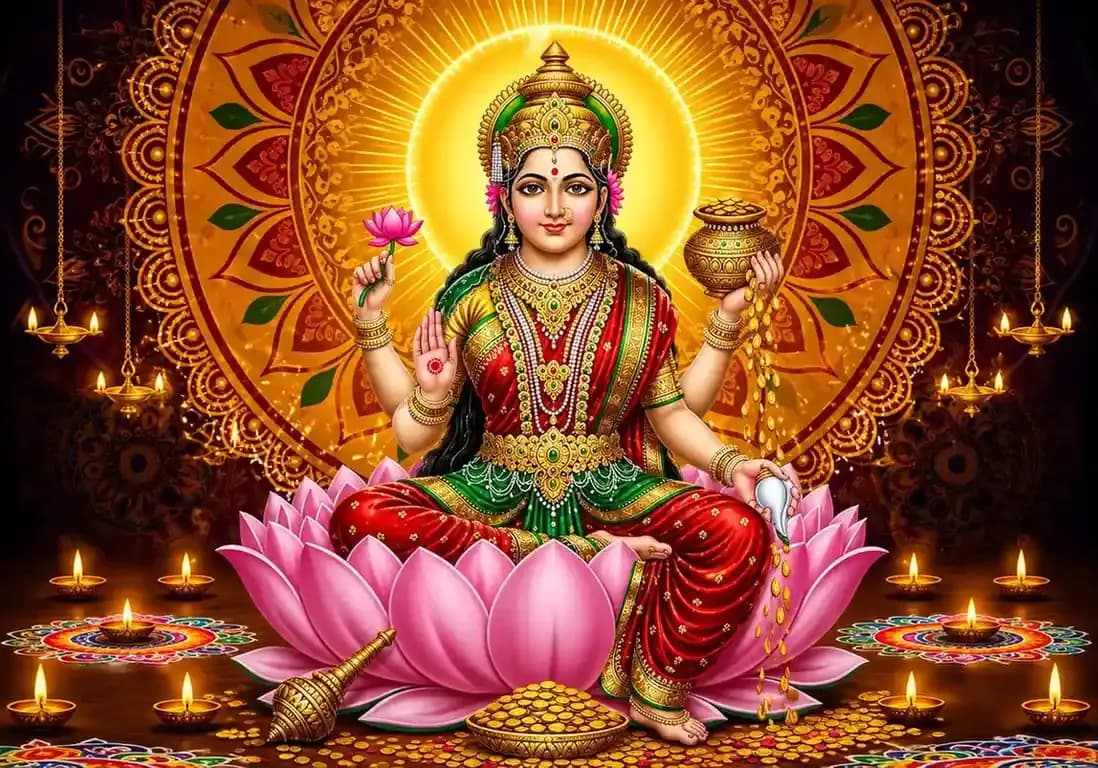
In 2026 an extra lunar month, Adhik Jyeshtha (17 May to 15 June), shifts most major festivals about 20 days later than usual and adds a rare 26th Ekadashi to the year.
Quick answer: Adhik Maas 2026 was Adhik Jyeshtha, an extra lunar leap month that ran from 17 May to 15 June 2026. This intercalary month realigns the lunar and solar calendars, shifting Raksha Bandhan, Diwali and most 2026 festivals roughly 20 days later than a normal year.
If Diwali, Raksha Bandhan and several other festivals feel unusually late in 2026, there is a precise, traditional reason: 2026 contained an Adhik Maas, an extra lunar month inserted to keep the Hindu calendar in step with the sun. This year that extra month was Adhik Jyeshtha, and it ran from 17 May to 15 June 2026.
Because the calendar effectively gains a whole extra month, the festivals that follow it slide forward by roughly 20 days compared with a year that has no Adhik Maas. Adhik Maas is also known as Purushottam Maas, Mala Maas or Mal Maas, and it is treated in tradition as a specially sacred period for devotion, charity and simple living.
Quick facts: Adhik Maas 2026
- Festival / periodAdhik Maas 2026 (Adhik Jyeshtha, Purushottam Maas)
- Duration17 May to 15 June 2026
- TypeAdhik Maas — a lunisolar leap month (extra intercalary month)
- Presiding deity (tradition)Bhagavan Vishnu, worshipped as Purushottam
- Main effect on 2026Festivals such as Raksha Bandhan and Diwali fall about 20 days later than usual
- Ekadashis in 202626 (instead of the usual 24), because of the extra month
- Also calledPurushottam Maas, Mala Maas, Mal Maas, Adhik Maas
What is Adhik Maas and why does it happen?
The Hindu calendar is lunisolar: months are counted by the moon, but the year is tied to the sun. A lunar year of 12 months is about 354 days, while the solar year is about 365 days. That gap of roughly 11 days a year would slowly pull festivals out of their seasons — so, on average once every 32 to 33 months, an extra lunar month is added to bring the two back into alignment. That extra month is the Adhik Maas.
By tradition, an Adhik Maas occurs when a lunar month contains no sankranti (no entry of the sun into a new zodiac sign). Such a month is repeated: the first is the Adhik (extra) month and the second is the Nija or Shuddha (regular) month. In 2026 this fell on the month of Jyeshtha, giving an Adhik Jyeshtha followed by the regular Jyeshtha.
Why Diwali and other festivals fall later in 2026
Most major Hindu festivals are fixed to a particular lunar tithi in a particular lunar month — for example, Diwali falls on the Amavasya of Kartik. When an extra month is inserted earlier in the year, every lunar month after it is effectively pushed back by one lunar cycle. The tithi still arrives on schedule within its month, but that whole month now sits about 20 days later in the common Gregorian calendar than it would in an ordinary year.
This is why, in 2026, celebrations from Raksha Bandhan onwards through the autumn festival season land noticeably later than devotees may remember from recent years. It is not an error in any panchang; it is the calendar doing exactly what it is designed to do.
26 Ekadashis in 2026
A normal year has 24 Ekadashis — two in each of the 12 lunar months. Because 2026 has a 13th month (Adhik Jyeshtha), it gains two additional Ekadashis, bringing the total to 26. The two Ekadashis that fall within the Adhik Maas are traditionally called Kamala (or Padmini) Ekadashi in the bright fortnight and Parama Ekadashi in the dark fortnight, and both are regarded as especially meritorious.
Devotees who keep every Ekadashi vrat will therefore observe two extra fasts in 2026. Where two panchangs differ on a specific Ekadashi date because the tithi spans two sunrises, follow the reckoning your family deity temple or purohit uses; both bright- and dark-fortnight counts are valid within their own tradition, and neither should be treated as the only correct one.
Amanta and Purnimanta: two ways of counting the month
India uses two month-reckoning systems. In the Amanta system (common in Maharashtra, Gujarat, Karnataka, Andhra Pradesh, Telangana and much of the south and west) a lunar month ends on Amavasya. In the Purnimanta system (common across much of North India) a month ends on Purnima. Because of this, the same fortnight can be labelled with different month names depending on region, and the exact placement of an Adhik Maas can be described differently.
For most devotees this does not change when the festivals themselves occur, but it can change the month name printed in the panchang and the way the Adhik Maas is announced locally. Where your regional panchang and another differ on naming, both are traditionally correct within their own system — defer to your family and temple practice rather than assuming one is wrong.
Who observes Adhik Maas, and how
Adhik Maas is open to all who wish to observe it — men and women, married and unmarried, householders and renunciates alike. Traditional views on how strictly to observe it vary widely, from a full month of daily vrat, japa and scriptural reading to simply increasing charity and avoiding new or auspicious ventures. Contemporary practice ranges from very devout observance to a light acknowledgement of the month; there is no single prescribed level, and no one is excluded. Follow what your family elders and temple advise.
Because it is considered a month for spiritual merit rather than worldly beginnings, tradition holds that new auspicious undertakings — weddings, housewarmings, thread ceremonies and similar samskaras — are usually deferred out of the Adhik Maas and taken up in the regular month that follows.
A simple way to observe the month
- Rise early, bathe, and offer prayers to Bhagavan Vishnu as Purushottam.
- Light a lamp before the deity and offer tulsi, flowers or fruit as your tradition allows.
- Recite the Vishnu Sahasranama or your family's chosen Vishnu stotra, or keep a simple japa of a Vishnu mantra.
- Read from the Bhagavata or another sacred text a little each day if you are able.
- Practise daana (charity) — offering food, grain, or support to those in need is especially valued this month.
- Keep the two Adhik Maas Ekadashi fasts, or a lighter observance, according to your capacity and your family and temple practice.
The traditional stotras associated with the month, such as the Vishnu Sahasranama and the Purushottam Maas Mahatmya, are long; recite them from an authentic printed or temple source rather than relying on partial online text. If you keep a vrat, take it up according to your own strength.
Note on fasting: fasting practices vary and are a personal choice. Anyone who is pregnant, or who has a medical condition such as diabetes, or who is on regular medication, should consult a doctor before fasting. Adhik Maas is observed for devotion and spiritual discipline — it is not a diet, a health programme or a means to any guaranteed material outcome.
Regional variations
Across regions, Adhik Maas carries different emphases even though the underlying astronomy is the same. Confirm the exact local dates and any temple programme with your own temple, as these are set locally.
| Region / tradition | How Adhik Maas is commonly observed |
|---|---|
| Maharashtra & Gujarat | Widely marked as Purushottam Maas; special Vishnu worship, deferral of weddings, and gifts between families |
| North India (Purnimanta) | Known as Mala Maas or Mal Maas; increased charity, pilgrimage and avoidance of new auspicious ventures |
| South India (Amanta) | Recognised in the panchang as the repeated (Adhik) month; devotees emphasise japa, daana and Ekadashi vrats |
| Vaishnava communities | Strong focus on Purushottam / Vishnu worship, scriptural reading and the two Adhik Maas Ekadashis |
A closing reminder: any specific muhurat clock times, festival dates for 2027, and temple event details in local notices should be verified against your own panchang and temple before you rely on them. The astronomy of Adhik Maas is settled, but the fine local details are best confirmed where you live.
Related
See the main Diwali 2026 complete guide for the five-day dates, Lakshmi Puja muhurat and full rituals.
Frequently Asked Questions
What exactly is Adhik Maas 2026?
Adhik Maas 2026 was Adhik Jyeshtha, an extra lunar leap month that ran from 17 May to 15 June 2026. It is inserted to keep the lunar and solar calendars aligned and is also called Purushottam Maas or Mala Maas.
Why is Diwali late in 2026?
Because 2026 has an extra lunar month (Adhik Maas) inserted earlier in the year, every lunar month after it is pushed back by one cycle. This shifts Diwali and most autumn festivals about 20 days later than in an ordinary year.
How much later do festivals fall because of Adhik Maas?
Festivals that come after the Adhik Maas, including Raksha Bandhan and Diwali, fall roughly 20 days later in 2026 than they would in a year without an extra month. The exact shift depends on each festival's tithi.
How many Ekadashis are there in 2026?
There are 26 Ekadashis in 2026 instead of the usual 24, because the extra month (Adhik Jyeshtha) adds two more — traditionally called Kamala (Padmini) Ekadashi and Parama Ekadashi.
What is the difference between Amanta and Purnimanta reckoning?
In the Amanta system a lunar month ends on Amavasya (common in the south and west); in the Purnimanta system it ends on Purnima (common in the north). Both are traditionally valid; the month name may differ by region. Follow your family and temple practice.
Who can observe Adhik Maas?
Anyone may observe it — men and women, married and unmarried alike. Traditional and contemporary practice ranges from strict daily vrat to simply increasing charity. No one is excluded; follow what your family elders and temple advise.
Is it true that weddings are avoided during Adhik Maas?
Tradition holds that new auspicious undertakings such as weddings and housewarmings are usually deferred out of the Adhik Maas and taken up in the regular month that follows. Practice varies by family and region, so confirm with your elders and temple.
Should everyone fast during Adhik Maas?
Fasting is a personal choice and its intensity varies by tradition. Anyone who is pregnant, has a medical condition such as diabetes, or is on regular medication should consult a doctor before fasting. It is observed for devotion, not for any health or material outcome.
You might also like
Diwali 2026 in Nepal: Date, Lakshmi Puja Muhurat & City-by-City Celebration Guide
Indian Flower Festivals: 10 Beautiful Celebrations Beyond Bathukamma

Navratri 2026: 9 Days, Colors, Goddess Names, Puja & Significance