

Beautiful & Safe Diwali Decoration Ideas for Your Home in 2026
A complete guide to decorating your home for Diwali 2026 with diyas, rangoli, lights, and flowers, plus practical fire-safety tips to keep celebrations joyful and safe.
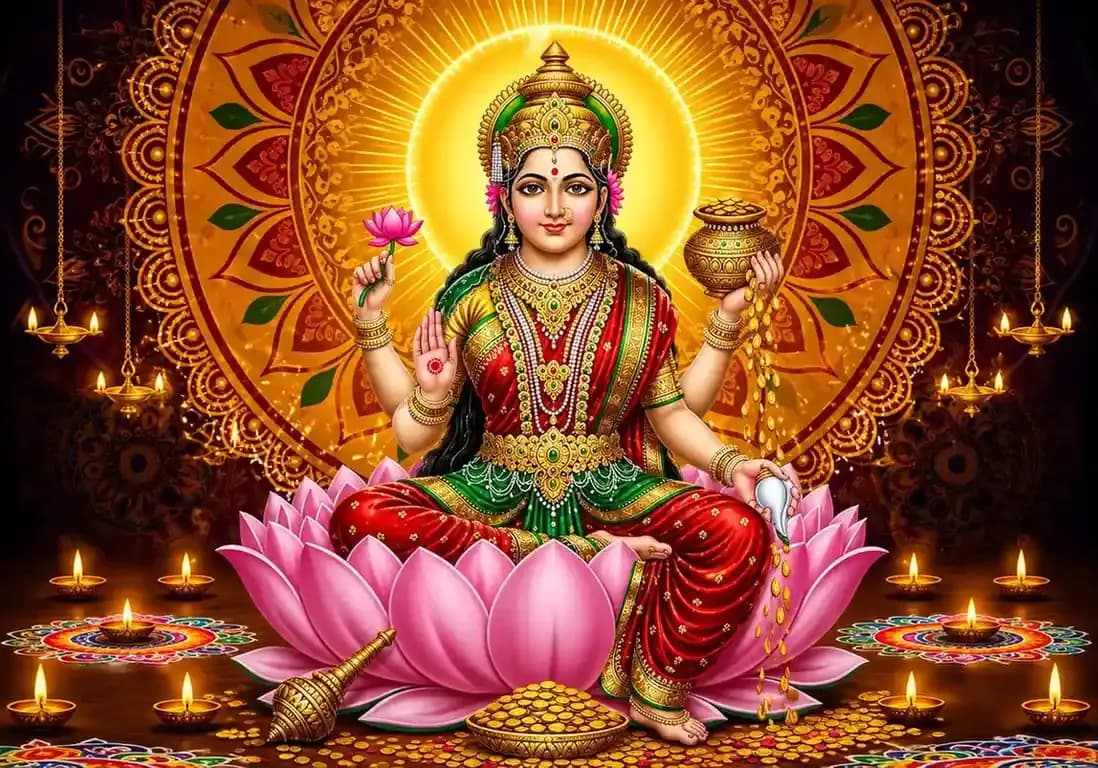
A complete guide to decorating your home for Diwali 2026 with diyas, rangoli, lights, and flowers, plus practical fire-safety tips to keep celebrations joyful and safe.
Quick answer: For Diwali 2026, decorate your home with earthen diyas, colourful rangoli, marigold torans, and warm fairy lights around the main celebration on Sunday 8 November 2026. Keep flames away from curtains, use LED options near children, and choose eco-friendly, reusable decorations for a beautiful, safe festival of lights.
Diwali, the festival of lights, is a time when homes across India and around the world transform into glowing havens of warmth, colour, and joy. In 2026 the five-day celebration begins with Dhanteras on Friday 6 November and reaches its radiant peak with Lakshmi Puja on Sunday 8 November, an especially auspicious day falling on a Sunday. This guide brings you beautiful and, above all, safe decoration ideas to welcome light, prosperity, and Goddess Lakshmi into every corner of your home.
Diwali 2026 Dates at a Glance
Before you plan your decorations, it helps to know the full sequence of the festival so you can spread the effort across the days. Each day carries its own mood, from the shopping and cleaning of Dhanteras to the sisterly warmth of Bhai Dooj.
| Day | Festival | Date 2026 |
|---|---|---|
| Day 1 | Dhanteras | Friday 6 November 2026 |
| Day 2 | Naraka Chaturdasi / Choti Diwali | Saturday 7 November 2026 |
| Day 3 | Diwali / Lakshmi Puja | Sunday 8 November 2026 |
| Day 4 | Govardhan Puja / Annakut | Monday 9 November 2026 |
| Day 5 | Bhai Dooj | Tuesday 10 November 2026 |
Start With a Clean, Clutter-Free Home
The heart of Diwali decoration is cleanliness. Tradition holds that Goddess Lakshmi enters homes that are spotless and welcoming, so a deep clean in the days before Dhanteras is the perfect foundation. A tidy, airy home also makes decorating easier and reduces fire hazards from stray paper, fabric, or clutter near lamps.
- Declutter room by room and donate items you no longer use
- Clean windows, mirrors, and brass lamps until they shine
- Clear walkways and entrances so diyas can be placed safely
- Wash or replace cushion covers and curtains for a fresh look
- Air out prayer spaces and polish the puja thali and idols
Diyas: The Soul of Diwali Lighting
No Diwali decoration is complete without diyas, the small earthen lamps that symbolise the victory of light over darkness. Line your doorway, balcony railing, staircase, and windowsills with rows of glowing diyas. For a modern twist, mix traditional oil lamps with decorative painted diyas and floating diyas in bowls of water sprinkled with flower petals.
- Use pure cotton wicks and clean ghee or oil for a steady flame
- Place diyas on stone, metal, or ceramic surfaces, never directly on wood or cloth
- Keep floating diyas in wide, shallow bowls to prevent tipping
- Position lamps away from curtains, doormats, and dry decorations
- Choose battery-operated LED diyas near children, pets, or breezy corners
Rangoli: Colour at Your Doorstep
A vibrant rangoli at your entrance is an age-old welcome for guests and for Goddess Lakshmi herself. Use natural rangoli powders, flower petals, coloured rice, or diya outlines to create geometric patterns, lotus motifs, or peacock designs. Eco-friendly rangoli made from flowers and pulses is beautiful, biodegradable, and safe for children and pets who may wander near it.
Fairy Lights and Lanterns Done Safely
Warm string lights, paper lanterns, and glowing akash kandils bring a magical shimmer to balconies and living rooms. Choose energy-efficient LED lights that stay cool to the touch, and always inspect wiring before hanging. Avoid overloading a single socket, and switch off all electrical decorations before sleeping or leaving home.
- Buy lights with proper safety certification and undamaged cords
- Use LED strings that run cool rather than older heat-producing bulbs
- Do not run wires under carpets or across doorways where they can fray
- Keep paper lanterns well away from open flames and diyas
- Plug decorations into surge-protected outlets and unplug them at night
Flowers, Torans, and Natural Accents
Marigold and rose garlands fill the home with colour and fragrance while staying completely fire-safe. Hang a fresh marigold and mango-leaf toran over your main door, drape garlands along staircases, and float petals in brass urlis with a few LED tealights. These natural decorations are inexpensive, compostable, and deeply traditional.
Setting Up a Beautiful Lakshmi Puja Corner
For Lakshmi Puja on Sunday 8 November 2026, create a serene, well-lit puja space. Place idols or images of Goddess Lakshmi and Lord Ganesha on a clean red or yellow cloth, surround them with diyas and fresh flowers, and keep the puja thali ready. You may softly chant well-known prayers such as the Lakshmi Gayatri or the simple invocation Om Shreem Mahalakshmyai Namah as you light the lamps.
- Main puja daySunday 8 November 2026
- Recommended coloursRed, gold, and yellow
- Deities honouredGoddess Lakshmi and Lord Ganesha
- Safe light sourceGhee diyas plus LED accents
- Muhurat timingCheck local temple or panchang for exact 2026 timings
Eco-Friendly and Budget-Smart Ideas
A beautiful Diwali need not be wasteful or expensive. Reuse last year's decorations, craft lanterns from recycled materials, and favour natural elements over plastic. Choosing green decorations honours the deeper meaning of the festival, brings the family together in creativity, and keeps celebrations kind to the environment.
- Repaint and reuse old diyas and lanterns instead of buying new ones
- Make torans and garlands from fresh flowers rather than plastic
- Craft paper lanterns and wall hangings with children at home
- Swap firecrackers for lamps, lights, and music to reduce smoke and noise
- Compost flowers and natural rangoli materials after the festival
Essential Fire-Safety Checklist
Amid the beauty, safety must never be forgotten. Open flames, string lights, and festive fabrics all share the same space during Diwali, so a few simple precautions protect your family and home throughout the five days of celebration.
- Never leave lit diyas or candles unattended, especially overnight
- Keep a bucket of water or a fire extinguisher within easy reach
- Tie back loose clothing and long sleeves while lighting lamps
- Supervise children and pets around all flames and electrical lights
- Light firecrackers, if used, only in open outdoor spaces away from the home
Bringing It All Together for 2026
The most beautiful Diwali homes balance tradition with mindfulness. Combine the warm glow of diyas with cool, safe LED lights, dress your doorway with fresh flowers and rangoli, and set aside a peaceful corner for Lakshmi Puja on 8 November 2026. When light, colour, and care come together, your home becomes a true haven of joy for the festival of lights. For community celebrations, temple timings, or specific 2026 muhurat details, check your local temple or community announcements.
Related
See the main Diwali 2026 complete guide for the five-day dates, Lakshmi Puja muhurat and full rituals.
Frequently Asked Questions
When is Diwali 2026 and which day is the main celebration?
Diwali 2026 spans five days from Friday 6 November to Tuesday 10 November. The main day, Diwali or Lakshmi Puja, falls on Sunday 8 November 2026, considered especially auspicious as it lands on a Sunday.
What are the safest lights to use for Diwali decoration?
LED fairy lights and battery-operated diyas are the safest options because they stay cool and reduce fire risk. If you use traditional oil or ghee diyas, place them on non-flammable surfaces, away from curtains, and never leave them unattended.
How can I make my Diwali decorations eco-friendly?
Use fresh flower garlands and torans, natural rangoli powders or flower petals, and reusable diyas and lanterns. Avoid single-use plastic, favour LED lights, and compost flowers and natural rangoli after the festival to reduce waste.
What is the best way to decorate my home entrance for Diwali?
Frame your main door with a marigold and mango-leaf toran, draw a colourful rangoli on the floor, and line the threshold with diyas or LED lights. A clean, well-lit entrance is traditionally believed to welcome Goddess Lakshmi.
How do I set up a Lakshmi Puja corner at home?
Place idols or images of Goddess Lakshmi and Lord Ganesha on a clean red or yellow cloth, surround them with diyas and fresh flowers, and keep the puja thali ready. Light the lamps while chanting a well-known prayer such as Om Shreem Mahalakshmyai Namah.
Are firecrackers necessary for Diwali celebrations?
Firecrackers are not essential to Diwali, which is fundamentally the festival of lights. Many families now choose diyas, string lights, music, and sweets instead, reducing smoke, noise, and safety hazards while keeping the celebration joyful.
What colours are considered auspicious for Diwali decoration?
Red, gold, and yellow are widely regarded as auspicious for Diwali, symbolising prosperity, warmth, and the presence of Goddess Lakshmi. Use these tones in cloths, flowers, rangoli, and lighting for a traditional festive feel.
What fire-safety steps should I follow during Diwali?
Keep diyas and candles away from fabrics, never leave flames unattended, and keep water or a fire extinguisher nearby. Supervise children and pets around lamps, unplug electrical lights at night, and light any firecrackers only in open outdoor spaces.
You might also like
Diwali 2026 in Nepal: Date, Lakshmi Puja Muhurat & City-by-City Celebration Guide

Navratri 2026: 9 Days, Colors, Goddess Names, Puja & Significance

Indian Flower Festivals: 10 Beautiful Celebrations Beyond Bathukamma